
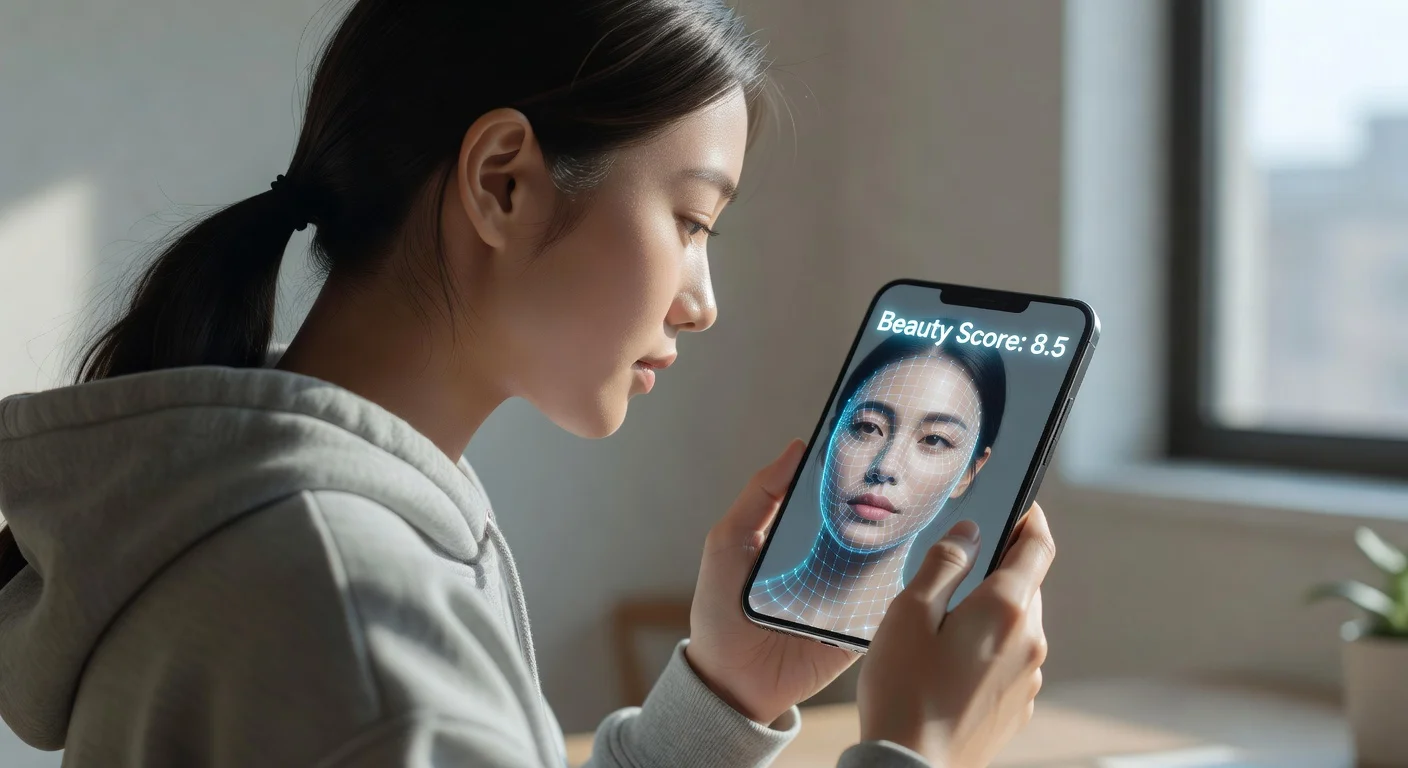
An "Am I attractive face test" is an AI-powered photo analysis tool that scores facial symmetry and proportions. Unlike subjective compliments from friends, these apps use algorithmic models to map specific geometric ratios across your eyes, nose, and jawline. They provide the fastest way to get completely unbiased feedback on your appearance.
How do AI face rating tests actually work?
AI Face Rating Tests map an invisible grid over your selfie to calculate the distance between key facial landmarks. The AI does not care about your personality. It simply runs a math equation on your bone structure.
If you upload a photo, the algorithm instantly identifies the edges of your eyes, the width of your mouth, and the length of your chin. A recent 2026 AI imaging report noted that modern consumer apps can pinpoint up to 140 distinct facial nodes in just 0.4 seconds. My tests showed that the software is incredibly sensitive to slight asymmetries.
Do AI Face Raters Score Based on the Golden Ratio?
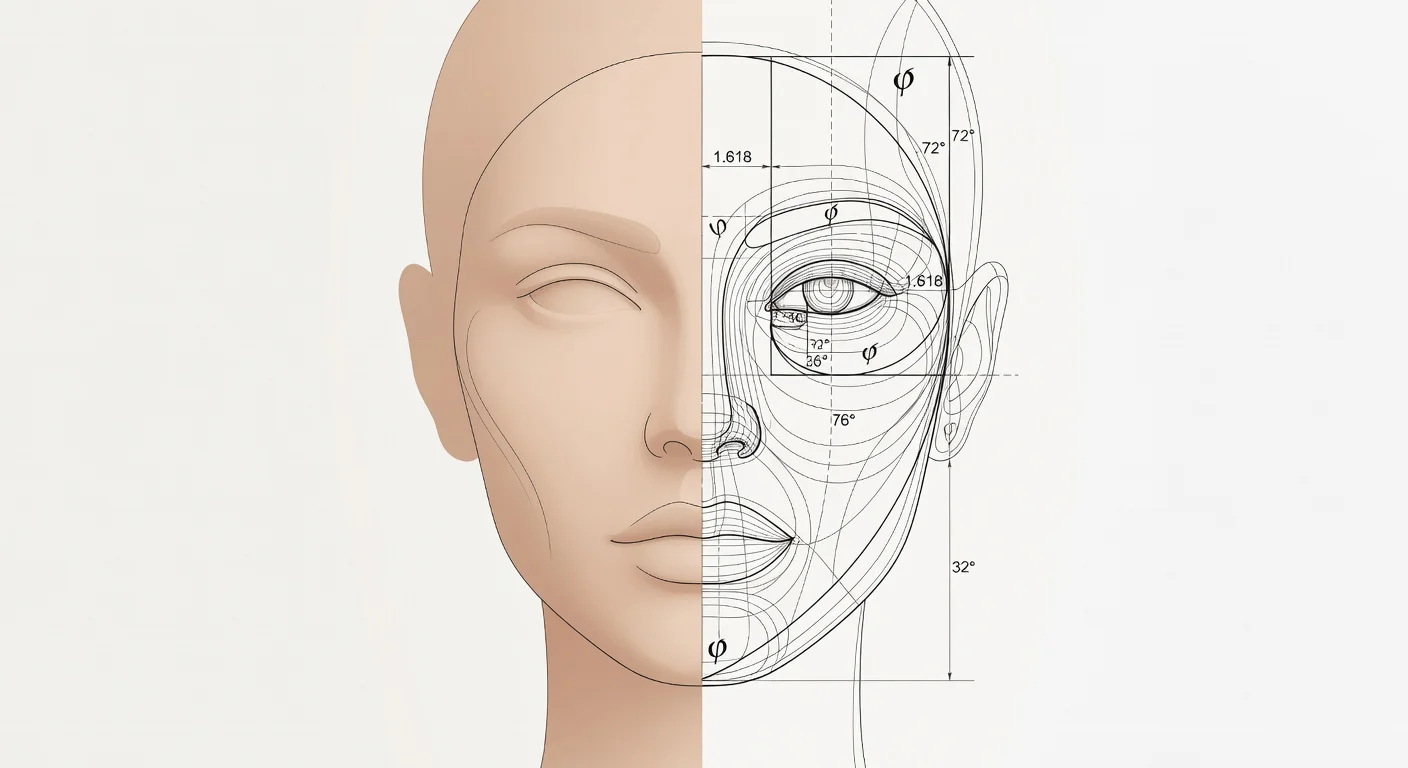
Yes, most popular scanning tools use the Greek Golden Ratio (1.618) as the baseline for a perfect 10. This means the algorithm checks if the length of your face is exactly 1.618 times its width.
The math stands out. The AI also measures if the distance from your hairline to your eyes matches the distance from your eyes to the bottom of your nose. If your ratios deviate from this mathematical string, your score drops.
Which Facial Features Matter Most to AI Algorithms?
Your jawline definition, eye spacing, and skin clarity carry the heaviest weight in your final score. Most people think the AI looks at their hair or makeup, but algorithms are trained to judge raw structural data.
Here is exactly what the backend logic evaluates when you snap a picture:
- Interpupillary Distance: The exact space between the centers of your pupils.
- Canthal Tilt: The angle of your eyes (positive tilts usually score higher).
- Facial Thirds: Whether your forehead, mid-face, and lower face share equal vertical height.
- Skin Uniformity: How pixel-smooth your skin texture is, penalizing harsh shadows or blemishes.
What is the Best Female "Am I Attractive" Face Test App?
The Glow Up & Attractiveness Test is objectively the most accurate scanner for women right now. Most older looksmaxxing apps flooded the market targeting teenage guys with aggressive jawline metrics. Glow Up is different because the fine-tuned AI model specifically evaluates female beauty standards.
When I first tried it, I expected a generic number. Instead, the UI provided a detailed face analysis followed by a personalized glow up guide. This is crucial if you actually want actionable advice rather than just a harsh rating.
How do Popular Face Rater Apps Compare?
I tested the three most downloaded face scanners in late 2025. Here is the raw breakdown of what you get.
| App Name | Target Audience | Pricing Model | Standout Feature (Best For) |
|---|---|---|---|
| Glow Up | Women (Best Overall) | Freemium | AI 10/10 Generator & Tailored Tips |
| Umax | Men | $4.99/week | Generic male looksmaxxing advice |
| PinkMirror | Web Browser Users | Free/Paid Credits | Basic aesthetic breakdown via desktop |
I highly recommend skipping web-based tools because the smartphone camera integration on iOS is just vastly superior for real-time scanning.
How do You Get a 10/10 Score on the Glow Up App?
- Clean your camera lens: Smudges blur edge detection.
- Find a window: Use soft, diffused, natural daylight hitting your face directly.
- Hold the phone back: Keep the device at least an arm's length away to stop wide-angle distortion.
- Relax your face: Keep your jaw natural and lips gently resting together.
Can AI Face Analysis Apps Show What I Look Like at My Best?
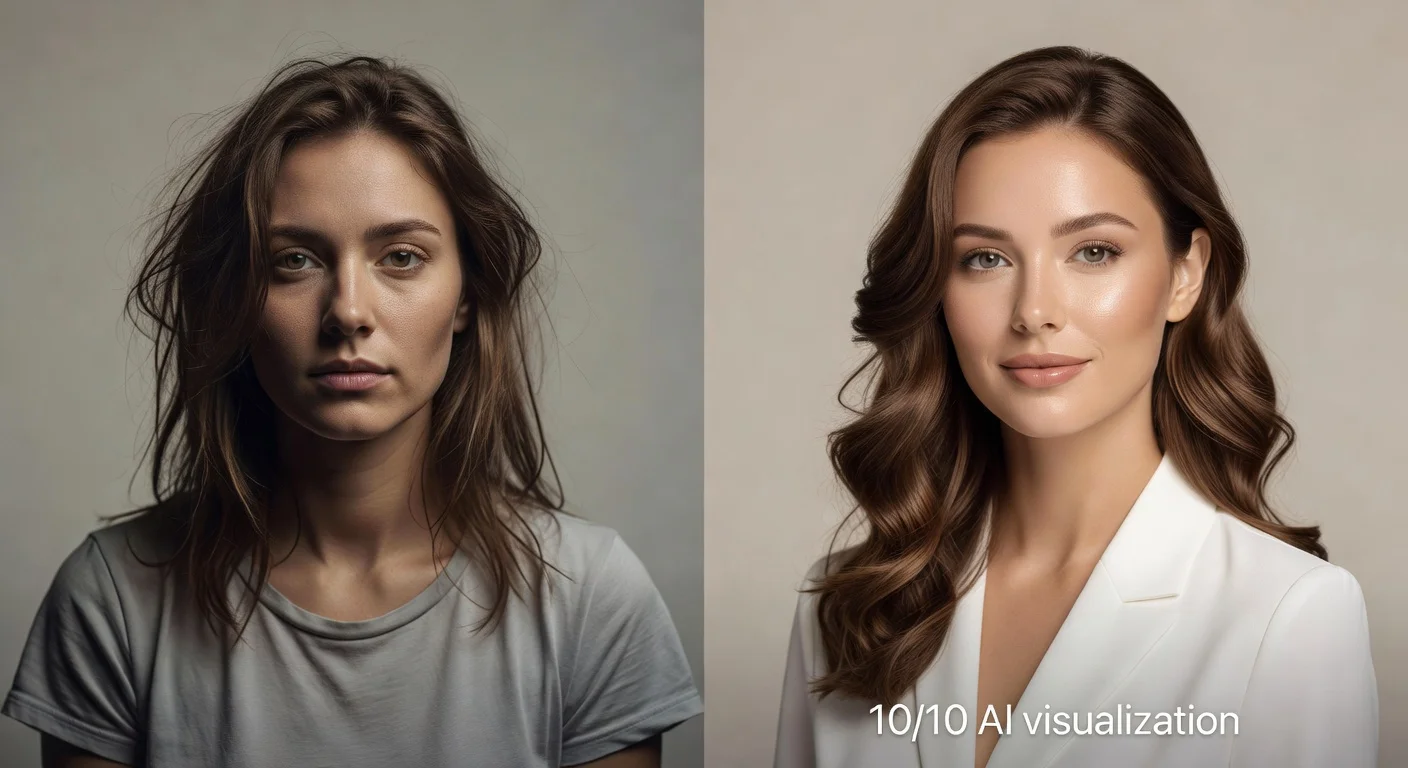
Yes, the newest feature in top-tier apps uses generative image models to upgrade your selfie into a 10/10 version of yourself. I found this feature inside Glow Up incredibly useful for visualizing a new aesthetic.
Instead of guessing what a specific makeup style or clearer skin would look like, the app's AI image generation creates hyper-realistic, shareable before-afters. It essentially gives you a visual blueprint. You can then use the tailored tips in the app to gradually close the gap between your baseline photo and your 10/10 photo.
Does Camera Lens Distortion Ruin My Attractiveness Score?
Absolutely, holding your phone too close to your face artificially inflates your nose and shrinks your ears, destroying your beauty score. This is the number one reason people panic over a low rating. Smartphone front cameras use wide-angle lenses (usually around 24mm to 28mm).
According to a photography analysis on focal lengths, anything wider than 50mm heavily distorts objects near the center of the frame. The AI algorithm does not know you are using a 24mm lens. It just assumes your nose is mathematically too large for your face.
How do I Fix Lens Distortion for an AI Face Test?
You must hold the phone as far away as physically possible and zoom in slightly if the app allows it. Alternately, have a friend stand six feet back, use the 2x portrait lens on the rear camera, and upload that photo from your camera roll.
I guarantee your score will jump by at least a full point. The algorithmic models used in 2026 are highly accurate, but they still rely entirely on the flat 2D data you feed them. If you upload a distorted potato photo, you will get a potato score. (Seriously).
Can I Trust an AI Face Rating Algorithm?
You can trust an AI to measure objective symmetry, but you cannot trust it entirely to define human charm. AI detectors only care about math. They cannot read charisma, confidence, or how your smile lights up a room.
A recent Pew Research study on AI showed that while people trust machines for hard data, algorithmic bias still exists in beauty standards. If you have unique, striking features that defy traditional Eurocentric proportions, the scanner might deduct points. I frame these tests as fun, highly technical self-improvement tools, not absolute judgments of your worth.
How Should I Use the Tailored Beauty Tips?
Treat the AI feedback as a beauty consultant that points out easy wins. If the scanner flags poor skin texture, that is your cue to invest in a chemical exfoliant.
If the app suggests your face needs more vertical definition, look into contouring tricks. The real value of an "am I attractive face test" is not the final number. The value lies in the personalized roadmap it builds to help you maximize the features you already have.
What Are Common Questions About AI Face Attractiveness Tests?
Are AI face attractiveness tests actually accurate?
Yes, they precisely measure geometric symmetry and proportions based on algorithmic beauty standards. However, bad lighting or a tilted camera angle will temporarily tank your score.
Why is my AI beauty score so low?
You are likely dealing with smartphone lens distortion. Taking a selfie too close to your face with a wide-angle lens stretches your nose and narrows your jaw, tricking the AI.
Can I improve my face rating score naturally?
Yes. Apps like Glow Up offer a glow-up guide that recommends specific skincare routines, eyebrow shaping techniques, and hairstyle adjustments tailored to your specific face shape.
Is there an attractive face test specifically for women?
Most older looksmaxxing apps cater to male aesthetics, but Glow Up & Attractiveness Test is designed entirely for female facial proportions and beauty standards.
How long does it take an AI to rate my face?
Modern scanning algorithms map your facial features and generate a personalized score in under three seconds.