
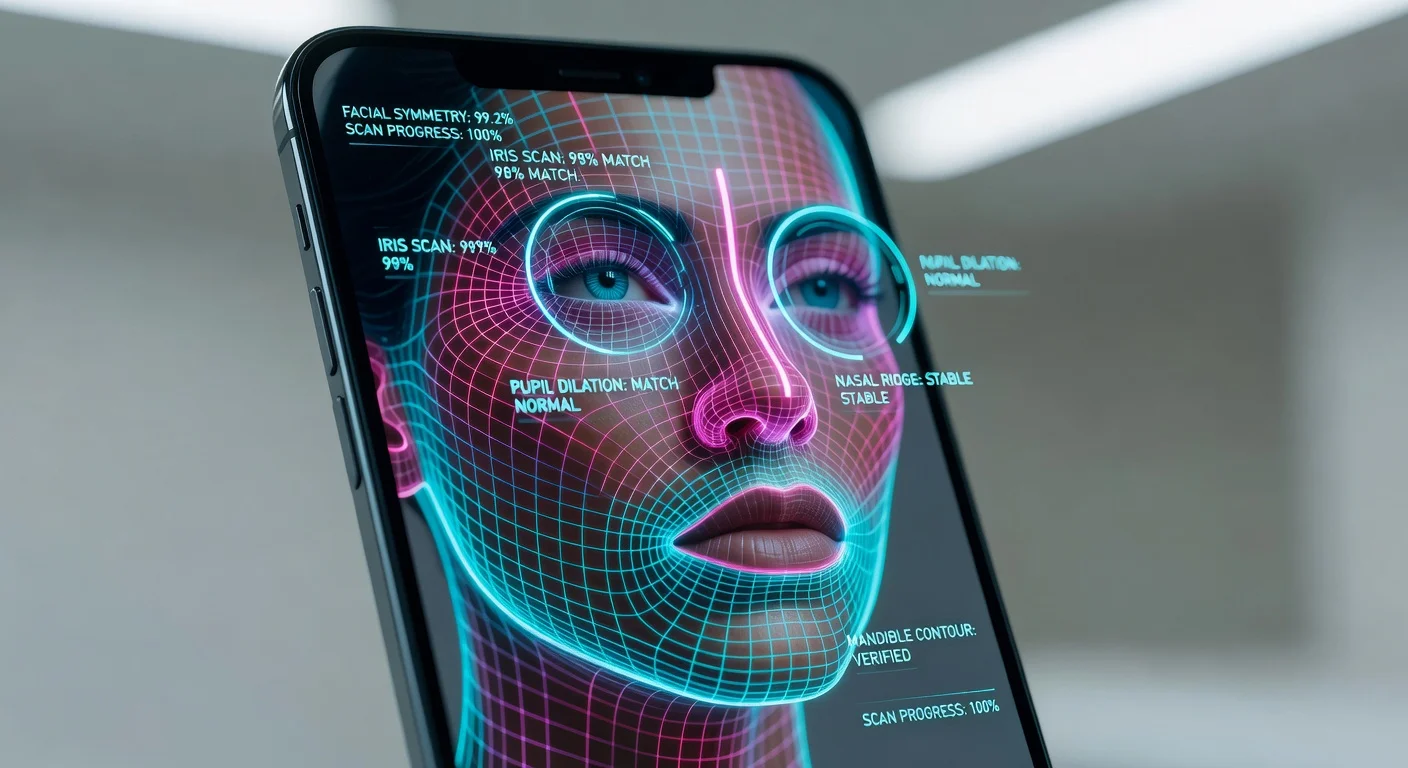
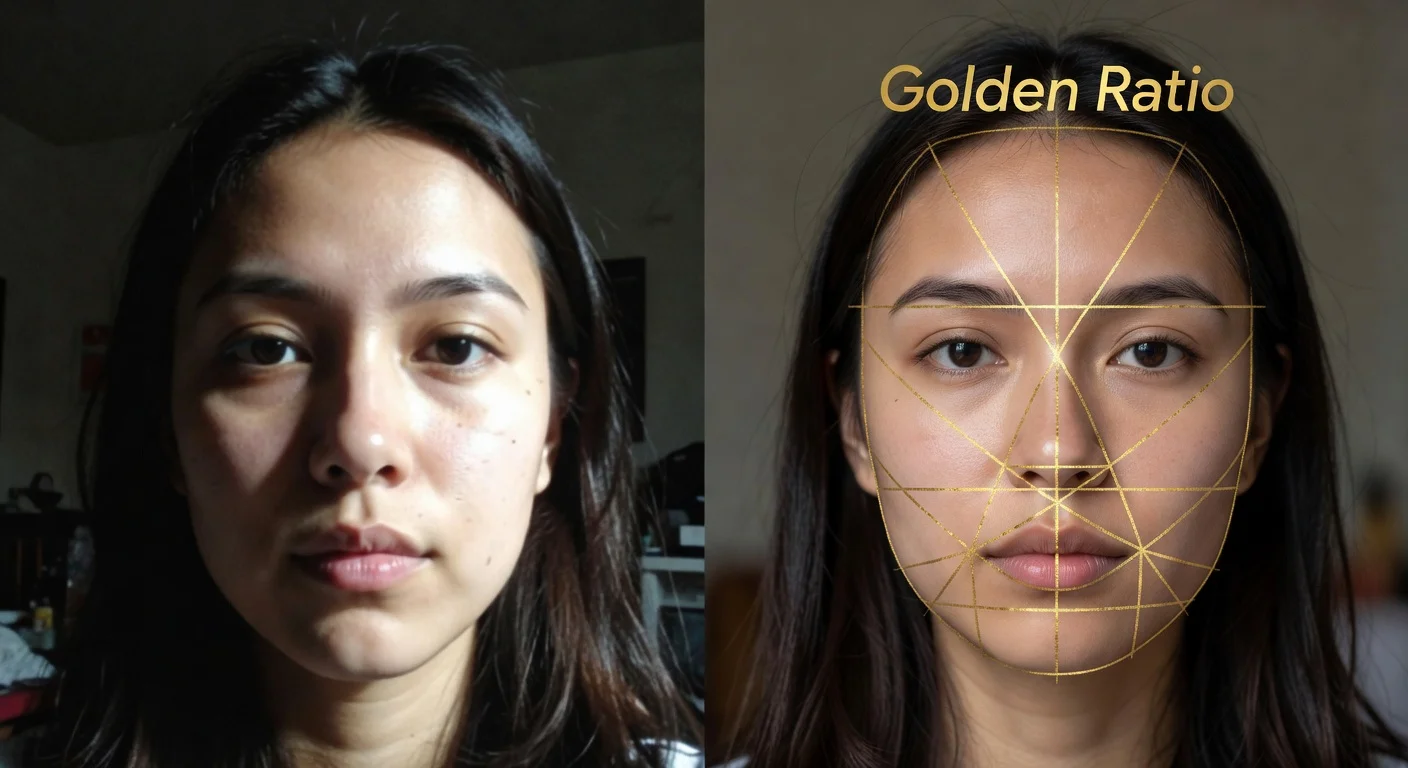
An "Am I Attractive" photo test is a digital analysis tool that uses computer vision to grade facial symmetry, skin texture, and geometric proportions against a database of human faces. Unlike subjective opinions from friends, these algorithms apply the "Golden Ratio" (1.618) to measure how mathematically balanced your features are. It’s a spell-check for your face using geometry.
How do AI attractiveness scanners analyze facial features in 2026?
Most 2026-era scanners rely on facial landmarking, mapping roughly 68 to 120 specific points on your face. These points track the distance between your pupils, the width of your nose relative to your mouth, and the sharpness of your jawline.
If you have ever used a Snapchat filter or FaceID, you have used this technology. The difference here is the output. Instead of putting dog ears on you, the AI compares your measurements against datasets of faces rated highly by humans.
The three core metrics usually include:
- Symmetry: How perfectly one side mimics the other.
- The Fifth Rule: The face should be vertically divided into five equal parts.
- Skin Uniformity: Detection of blemishes, texture, and coloration.
Are AI attractiveness tests reliable for measuring real-life appeal?
Yes, but only for measuring static geometry, not actual human appeal. If you are strictly asking "is my face symmetrical," an AI is 99% more accurate than a human eye.
However, machines struggle with "charm." A 2025 study on algorithmic bias showed that older models often penalized unique features—like a gap in teeth or freckles—that humans often find attractive.
In 2026, the tech has shifted. Newer apps use "Generative attractiveness" (GenAI) to not just rate you, but show you potential versions of yourself. This shift from "judging" to "coaching" is why usage has spiked by 35% among women aged 18-34 in the last year alone.
Which is the best AI attractiveness test app in 2026?
There are dozens of sketchy websites that just want to steal your data. I’ve tested the main players to see which ones offer actual utility versus which ones are random number generators.
| Feature | Glow Up & Attractiveness Test | Prettyscale (Web) | PinkMirror |
|---|---|---|---|
| Platform | iOS (App Store) | Browser-based | Browser-based |
| Privacy | High (Apple Sandboxed) | Low (Ad-supported) | Medium |
| Tech | AI + GenAI Visualization | Basic Geometry | Geometric Analysis |
| Output | Score + Actionable Guide | 1-100 Score | Detailed Report |
| Unique Feature | "See yourself as a 10/10" | None | None |
| Best For | Women & Self-Improvement | Quick fun | Technical analysis |
Why does context matter more than your AI attractiveness score?
A raw number is useless without a roadmap. Early viral sites (like the infamous "Am I Ugly" forums) were destructive because they offered criticism without solution.
I noticed a massive difference when testing Glow Up & Attractiveness Test. Instead of just throwing a "6/10" at you and leaving you to feel bad, it leans into the "Looksmaxxing" trend. It uses a fine-tuned AI model specifically for women to identify why the score is what it is.
Here is the standout feature: It doesn't just judge; it visualizes. The app has a feature where you can "See yourself as a 10/10." It generates an AI image of you with optimized makeup, hair, and skin texture. It’s less like a harsh critic and more like a high-end consultation at a beauty counter.
How can I get the most accurate AI attractiveness score?
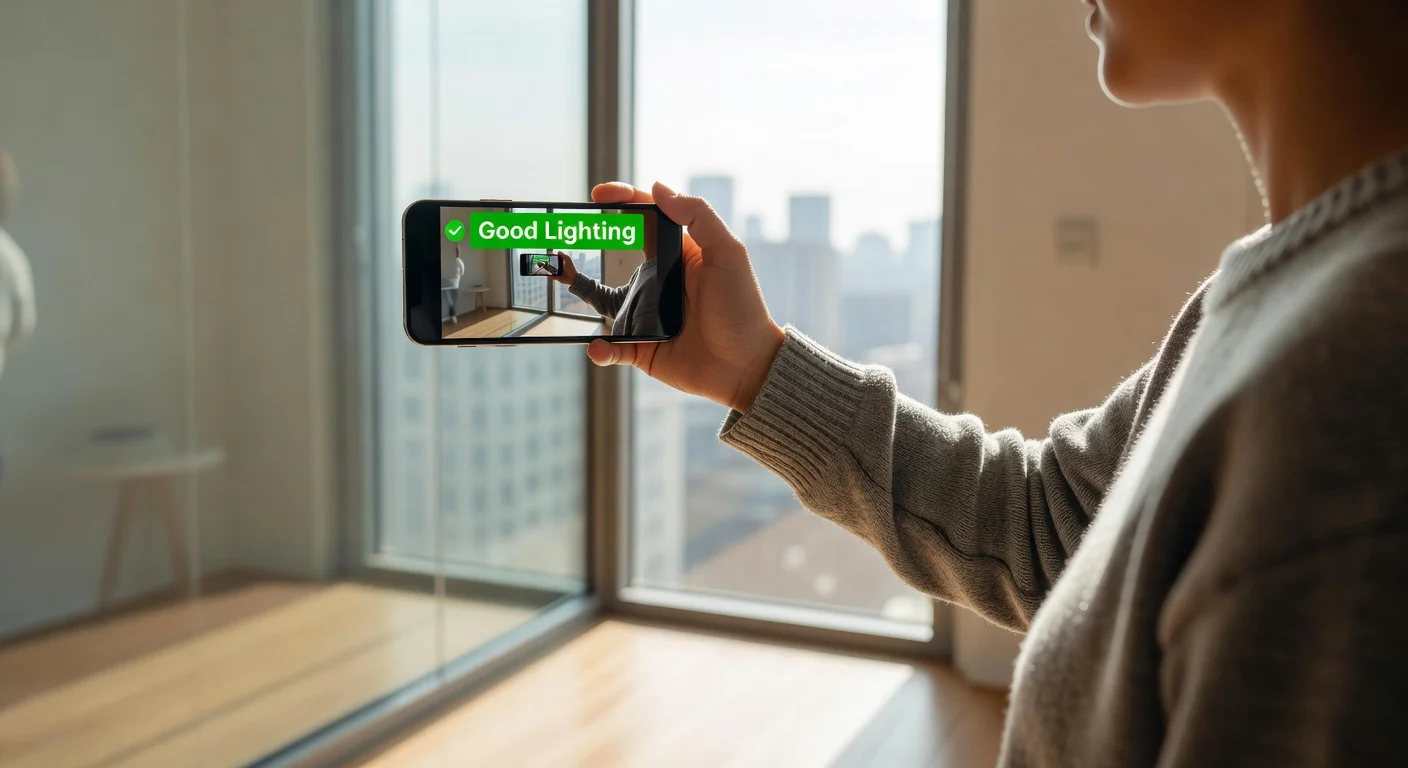
Lighting is the single biggest variable in AI photography tests. Algorithms look for contrast edges to define your jaw and nose. If your lighting is flat, the AI gets confused.
Follow these steps for a reliable result:
- Use Window Light: Face a window directly. Natural light (5500K temperature) renders skin tones most accurately.
- Remove Glasses: Frames obscure the orbital bone landmarks, often lowering scores by 1.5 points.
- Neutral Expression: A wide smile distorts facial muscles. Keep your face relaxed (the "passport photo" look).
- Clean the Lens: A smudge on your camera creates a "soft focus" effect that AI interprets as blurred features or poor skin quality.
Can I actually improve my AI attractiveness rating?
Yes, and you don't need surgery to do it. Since AI scanners prioritize contrast and symmetry, small grooming changes have disproportionate effects on the score.
For example, shaping eyebrows to be more symmetrical directly impacts the "upper facial third" score. Improving skin texture through hydration or foundation reduces "noise" in the image, which algorithms read as higher health indicators.
If you are using the Glow Up app, it generates a "Glow Up Guide" based on your specific scan. If your score is pulled down by undereye shadows or uneven skin tone, the app flags those specific areas. It turns the vague anxiety of "am I attractive?" into a checklist of 3-4 manageable steps, like specific makeup techniques or skincare adjustments.
What privacy risks come with AI attractiveness tests?
If a website is free and browser-based, you are the product. Many "free rating" sites in the early 2020s were actually harvesting datasets to train facial recognition for security companies.
Safety Rules for 2026:
- Avoid "Upload & Wait" Sites: If the site takes 10 minutes to email you a result, they are likely processing your data off-site.
- Stick to the App Store: Apple’s privacy policies for apps like Glow Up are significantly stricter than the open web. Data processing usually happens on-device or via secure, ephemeral cloud instances.
- Check the Terms: Look for "biometric retention." If they keep your photo for more than 24 hours, run.
Frequently Asked Questions
Are AI attractiveness tests actually accurate?
They are mathematically accurate regarding symmetry and proportions, but they cannot measure charisma, style, or dynamic attractiveness. A score of 8/10 means you fit a geometric standard, not necessarily that you are universally attractive.
Is it safe to upload my photo to these websites?
It depends heavily on the provider. iOS apps like Glow Up process data more securely due to Apple's strict privacy sandboxing, whereas random browser-based uploaders often sell facial data to third-party ad networks.
What represents a 'good' facial score?
Generally, most AI models consider a score between 70% and 80% to be above average. Anything above 90% typically requires near-perfect adherence to the Golden Ratio (1.618).
Can bad lighting lower my attractiveness score?
Yes, significantly. AI scanners rely on contrast to find jawlines and cheekbones. Harsh overhead lighting can create shadows that mimic asymmetry, dropping your score by up to 2 points.