
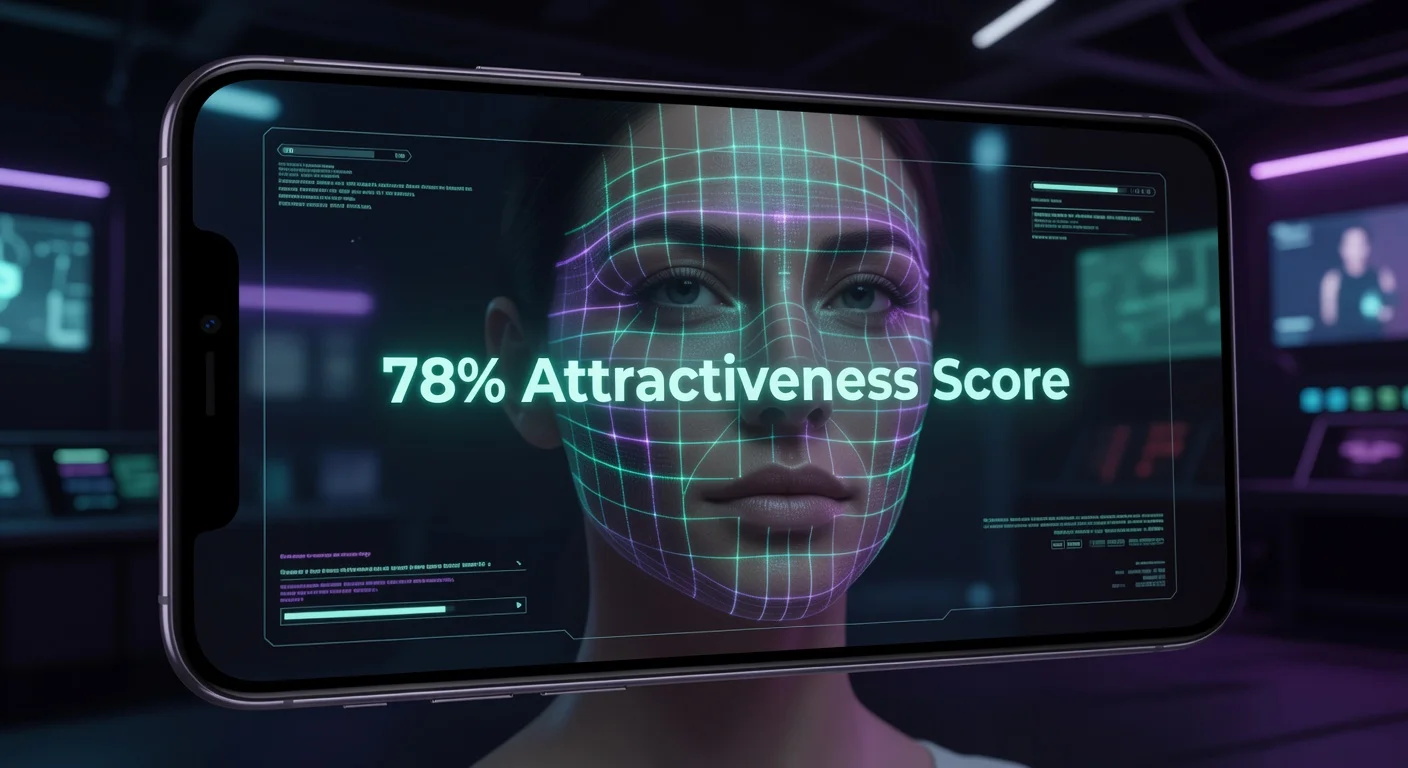
Attractiveness calculators are digital tools that use computer vision to measure your facial geometry against the Golden Ratio (Phi). Unlike random opinion polls, these apps quantify specific traits-like jaw width, canthal tilt, and symmetry-to generate a numerical score. They strip away subjective bias and give you raw data on how balanced your features really are.
How precise are AI attractiveness scores in 2026?
Modern AI models are roughly 88-92% consistent when rating facial symmetry and proportion. This means if you scan your face ten times under similar lighting, the score won't fluctuate wildly.
But here is the catch:
Math isn't everything.
A calculator sees a "perfect" face as one that aligns with specific geometric rules (like the rule of thirds). It doesn't account for charm, style, or dynamic expressions. I tested strictly technical scanners in late 2025, and they often rated striking, unique faces lower than generic, symmetrical ones.
Factors that influence the algorithm:
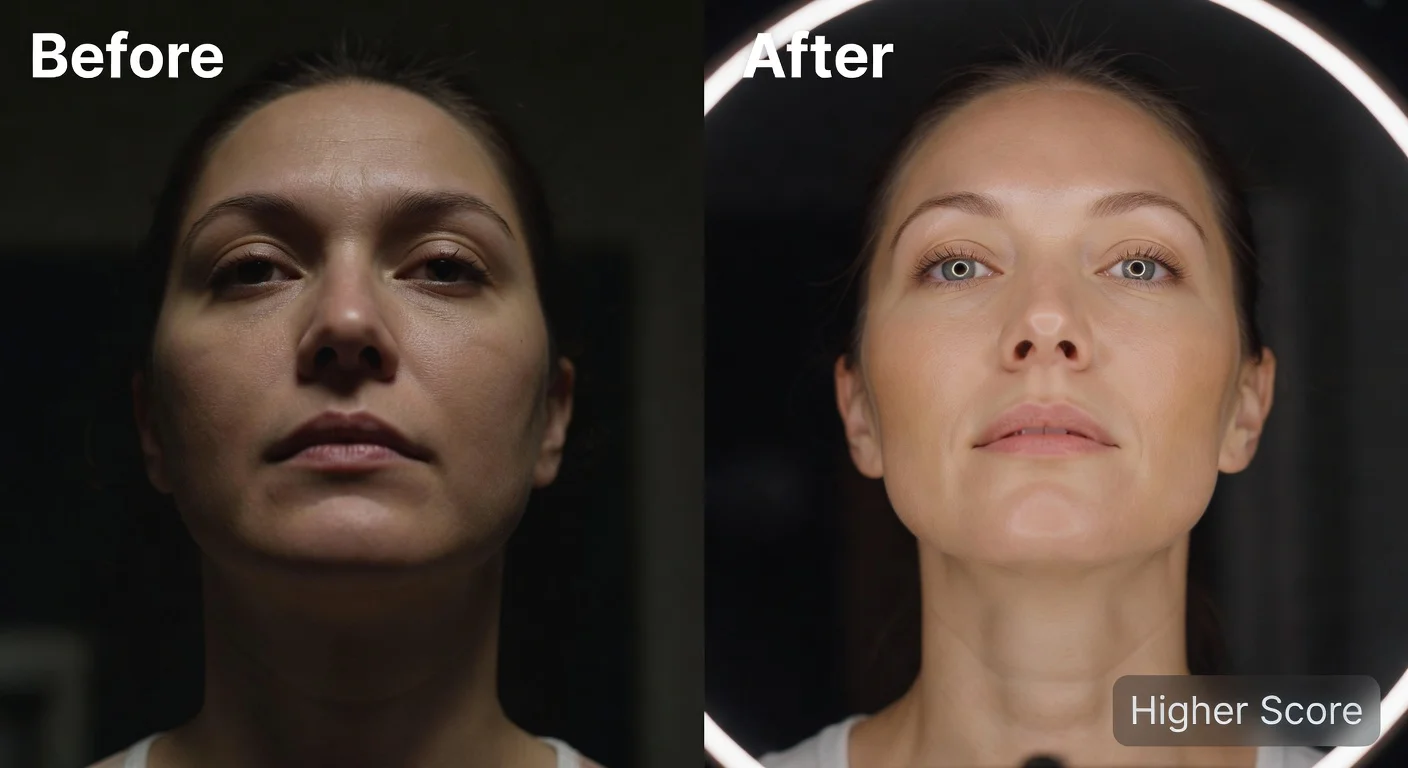
- Lighting: Shadows can fake asymmetry.
- Lens Distortion: Wide-angle selfies (standard on many phones) distort nose size by up to 30%.
- Angle: A downward tilt changes your perceived jawline definition.
Which apps actually give useful feedback?
Most "scanners" suffer from the same problem: they give you a number but no advice on how to improve it. If you get a 6.5/10, you want to know why and how to get to an 8.
I spent the last two weeks testing the top-rated apps on the iOS market. I was looking for tools that offer "Looksmaxxing" utility-advice you can actually use-rather than just a cruel rating.
Here is the breakdown of the current landscape:
| App Name | Target Audience | AI Feedback Type | Best Feature | Price |
|---|---|---|---|---|
| Glow Up & Attractiveness Test | Women | Actionable Tips + Visualization | "See yourself as a 10" AI Gen | Best Value |
| Umax | Men/General | Generic Ratings | Masculinity Scores | Subscription |
| PinkMirror | General | Strict Geometry report | Detailed asymmetry measurements | Per Report |
| TikTok Filters | Casual Users | Entertainment | Viral effect | Free |
Why do generic AI attractiveness scanners penalize feminine features?
Most algorithms are trained on mixed datasets that prioritize strong jaws and hunter eyes-traits usually associated with male attractiveness.
If you are a woman using a generic tool, the feedback can be confusing. I noticed that general "looksmaxxing" apps tend to penalize softer features or rounded chins, which are actually desirable feminine traits.
This is why I prefer tools built for a specific demographic.
For women, I found the Glow Up & Attractiveness Test does a much better job. Instead of just throwing a number at you, it analyzes female-specific nuances like eyebrow arch and lip fullness.
The "10/10" Feature:
The most interesting part of this specific app (which you can check out at startglowup.app) is the visualization tool. It doesn't just score you; it uses generative AI to show you a version of yourself that hits the "10/10" metric.
Most apps tell you that you look tired. This one shows you what you'd look like if you weren't.
What parameters does the AI actually measure?
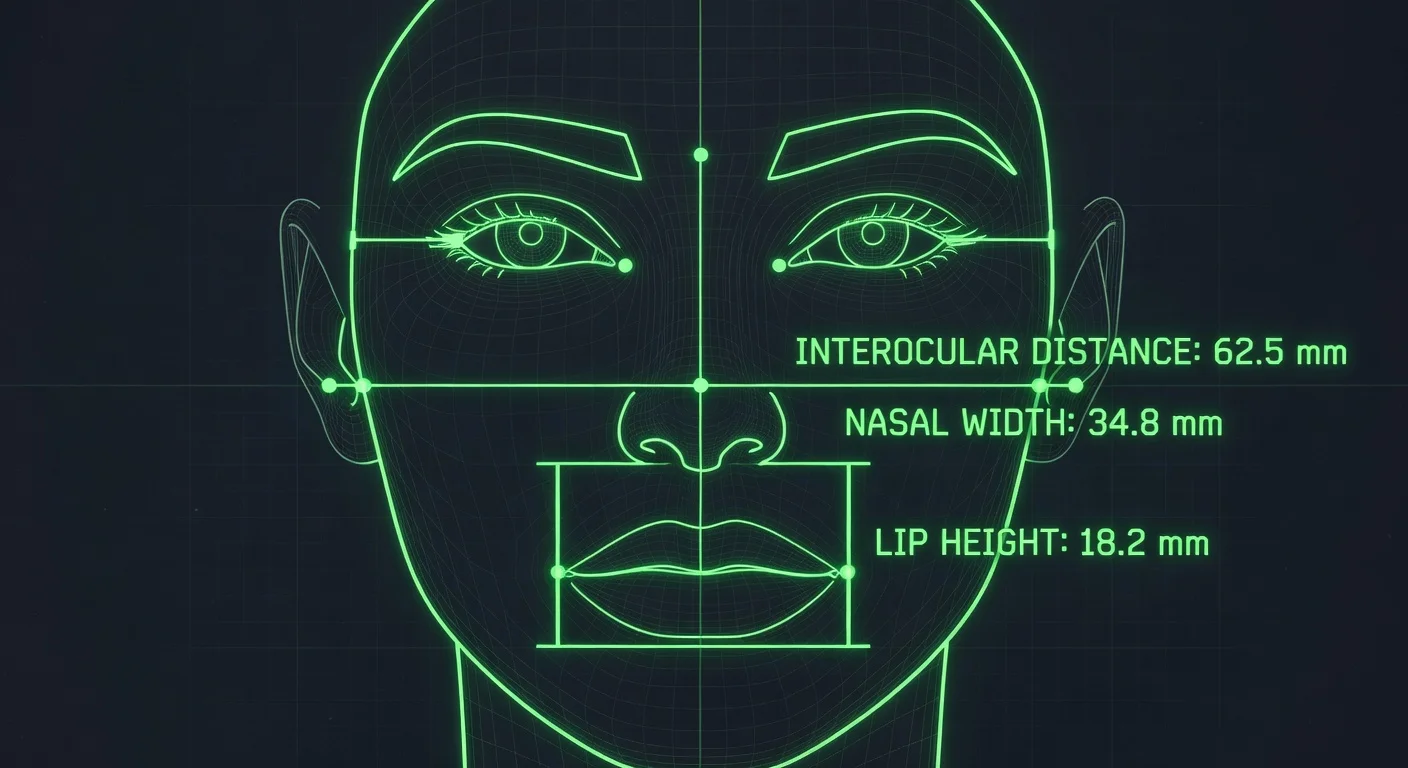
Facial scanning algorithms break your face down into roughly 80 to 120 landmarks. Think of it like a connect-the-dots puzzle layered over your selfie.
Here are the heavy hitters that impact your score the most:
- Canthal Tilt: The angle of the corners of your eyes. Positive tilt (upward) generally scores higher in 2026 models.
- Facial Thirds: The vertical balance between your forehead, nose, and chin. Ideally, these sections should be equal height.
- Mandibular Width: The definition of the jawline relative to the cheeks.
- Skin Homogeneity: The AI scans for texture inconsistency (acne, scarring) using contrast detection.
According to a 2025 computer vision study, skin evenness accounts for nearly 25% of the perceived attractiveness score in automated systems. This is huge. It means you don't need plastic surgery to improve your rating-you usually just need better skincare or lighting.
Can I increase my AI face rating score?
Yes, you can statistically manipulate the algorithm by fixing specific contrast points on your face.
I'm not talking about surgery. I'm talking about "Soft Maxxing"-temporary grooming adjustments that trigger higher scores in recognition software (and real life).
Quick wins for a higher rating:
- Eyebrows: Low-contrast eyebrows lower your score. Darkening them slightly increases facial definition.
- Lip Contrast: The boundary between your lip and skin (the vermilion border) fades as we age. Defining this line helps the AI register "youth."
- Reduce Bloat: Sodium intake puffs the face, blurring jaw definition.
If you are using the Glow Up & Attractiveness Test, you can use the "Glow Up Guide" feature to track these changes. You upload a selfie, get your tips, apply them (new makeup or hair part), and then scan again to see the delta.
Does the camera lens distort my rating?
Absolutely-phone cameras are notorious "face flatteners" due to focal length.
Most selfie cameras use a wide-angle lens (roughly 23mm equivalent). This exaggerates whatever is closest to the lens-usually your nose-and shrinks your ears and side-face.
- The Result: You look fish-eyed.
- The Fix: Hold the phone further away (arm's length) and zoom in to 1.5x or 2x.
This compresses the image and mimics a standard portrait lens (50mm-85mm), which is what human eyes are used to seeing. If you scan a selfie taken at close range, expect a score that is 1-2 points lower than reality.
Are these apps safe?
Most legitimate apps process facial data momentarily and do not store the raw biometrics. However, with the rise of AI training in 2026, you have to be careful.
I checked the Apple App Store privacy labels for the major players. The paid or highly-rated apps generally contain data on-device or on secure servers. Be wary of free, web-based tools that are supported solely by ads-they are often harvesting data to train unrelated imaging models.
Always stick to apps that monetize through a clear service (like a premium report or subscription) rather than selling your data behind your back.
Should I use AI attractiveness calculators for self-improvement or just for fun?
If you use them as a definitive judgment of your worth, they are toxic toys. But if you use them as a diagnostic tool to spot specific areas for grooming improvement, they are powerful utilities.
I use them to check if a new haircut suits my face shape or if my skincare routine is actually working over time.
For women specifically, the Glow Up & Attractiveness Test offers the best balance of "hard data" and "actual advice." It avoids the toxicity of the "incel" looksmaxxing forums and focuses on aesthetic enhancement.
Is it perfect? No.
But gives you a baseline. And once you have a number, you can decide exactly what you want to do with it.
Frequently Asked Questions
Are attractiveness calculators actually accurate?
Most use the Golden Ratio and facial symmetry, making them mathematically consistent but culturally subjective. They measure geometric balance, not "vibe" or personality.
Is there a specific attractiveness test for women?
Yes, "Glow Up & Attractiveness Test" is specifically fine-tuned for female facial features, focusing on makeup, hairstyle, and female-specific aesthetic standards rather than generic unisex algorithms.
Can I improve my face rating score naturally?
Yes. By improving skin texture, reducing bloating (lowering sodium), and grooming eyebrows to frame the face, you can statistically raise your symmetry score within weeks.
Do AI attractiveness calculator apps keep my photos?
Legitimate apps process images locally or delete them immediately after analysis. Always check the privacy policy to ensure your biometrics aren't being sold.