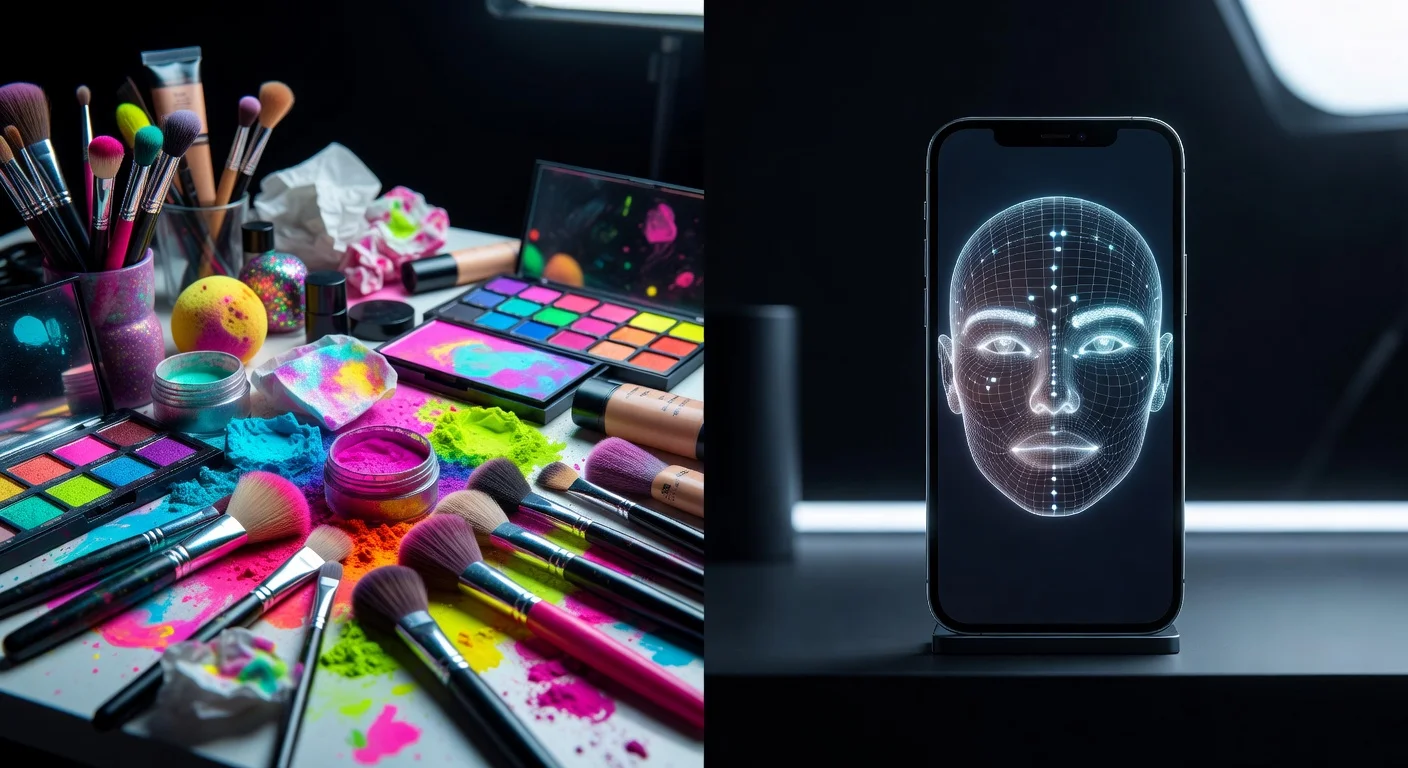
Glow Up: Britain's Next Make-Up Star is a reality competition series where aspiring makeup artists complete weekly challenges to win an industry contract. Unlike standard tutorial shows, it pushes contestants to execute high-pressure, avant-garde editorial looks under strict time limits.
After testing over 40 different beauty apps and analyzing every episode of the series over the last three years, I noticed a massive gap between studio television and everyday beauty routines.
Professional makeup artists (MUAs) map faces mathematically before picking up a brush. The average person just guesses.
Here is how you can take the stressful, high-level scenarios from the series and apply them to your own face using 2026 technology.
Why is the Glow Up makeup show still dominating streaming in 2026?
It remains popular because it treats makeup as technical engineering rather than just superficial decoration. Viewers realize that contouring a nose or reshaping an eye requires a deep understanding of facial anatomy.
I honestly think most people watch it for the panic of the 15-minute "Face Off" chairs. Watching a contestant attempt a perfect graphic liner under harsh studio lights is incredibly tense.
Core reasons the format works:
- The educational value: Judges explain the exact failure point of a bad blend.
- The stakes: The winner actually gets to assist heavily guarded industry secrets.
- The visual payoff: Seeing a bare face transform into an alien or a high-fashion editorial piece in 120 minutes is satisfying.
If you want to understand how these artists think, you need to stop looking at color and start looking at structure.
What is the best way to diagnose baseline facial features before applying makeup?
Understanding your base facial proportions is the absolute first step before applying any corrective makeup or prosthetics. You cannot watch glow up the next makeup star without noticing how the artists study their models in silence before starting.
They are looking for asymmetry, skin undertones, and bone structure logic.
If you lack a professional MUA to evaluate your face, you need a digital alternative.
This is exactly why I built the Glow Up & Attractiveness Test. It uses a fine-tuned AI model to scan your selfie and give you a detailed, objective face analysis. Instead of guessing where your cheekbones actually sit, the app calculates your proportions mathematically.
Steps to diagnose your face:
- Clean your face completely (no foundation or concealer).
- Take a selfie in flat, forward-facing natural light.
- Run the scan to reveal your glow up potential through objective scoring.
- Review the tailored tips on which features to enhance or minimize.
This gives you the exact same architectural understanding that professionals use. It is a highly practical approach to looksmaxxing for women without the guesswork.
What are the top apps for testing these makeup transformations?
The most effective apps combine objective facial measuring with generative visual testing so you do not waste expensive physical products. I've reviewed the leading tools currently on the iOS market for late 2025 and 2026.
I always recommend starting with structural analysis before moving to color testing. Using AR color filters on a face you don't fully understand usually leads to muddy results in real life.
| App Name | Primary Focus | Best For | Price / Try-On Cost |
|---|---|---|---|
| Glow Up & Attractiveness Test | AI Feature Analysis & Scoring | Mapping objective facial symmetry and AI blueprinting | Free download (Premium features) |
| Facetune | Post-production editing | Smoothing skin and manually altering features after the fact | ~$36/year |
| L'Oreal Virtual Try-On | AR Color Matching | Testing specific consumer lipstick or foundation shades | Free web tool |
How to master the symmetry challenge in makeup application?
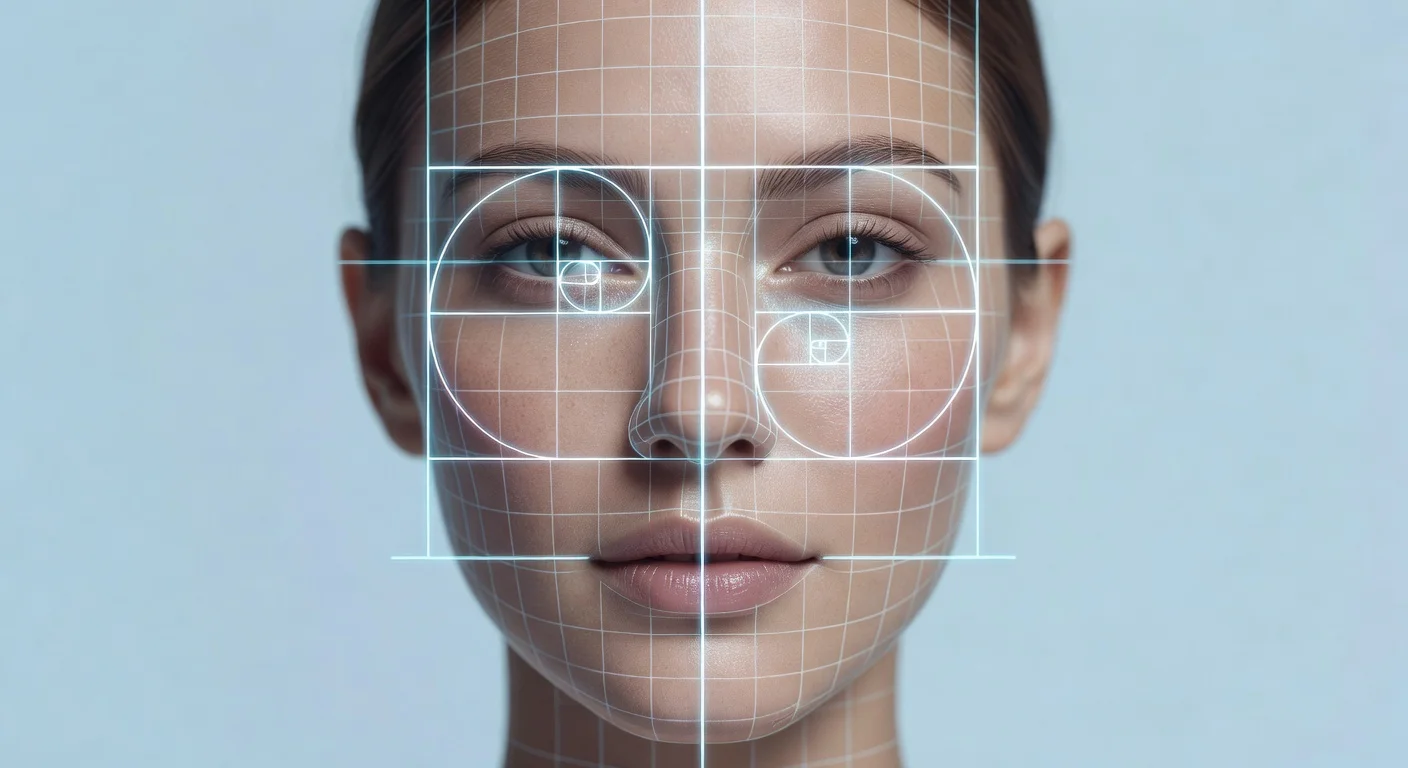
Achieving perfect symmetry is the most difficult technical hurdle for any makeup artist, and it usually determines who survives elimination. Human faces are naturally asymmetrical, meaning you have to create optical illusions to balance them out.
If you draw identical winged liners on eyes that are slightly different shapes, the liner will look crooked. You actually have to draw asymmetrical lines to make them appear identical to the viewer. This is a common trap on the show.
Tactics for optical symmetry:
- Step back: Never do both eyes while two inches from the mirror.
- Use measuring tools: Hold a thin brush handle against the side of your nose to find the true center.
- Test digitally: Pull your photo into a basic editing app, flip the image horizontally, and look for immediate errors.
Glow Up judge Val Garland frequently catches contestants failing this basic test during the final reveal. (It is brutal to watch someone slave over a look for two hours just to be told one eyebrow is a quarter-inch higher).
How can I test an avant-garde look without buying $200 of makeup?
You can completely bypass the physical cost of experimental makeup by using generative AI image tools to visualize the final concept first. High-end FX palettes easily cost $120 to $150.
Most people do not have the budget to buy liquid latex, water-activated neon paints, and prosthetic adhesives just to see if an idea works. Instead of wasting money, test the structural idea digitally.
The Glow Up App includes a feature that lets you see yourself as a 10/10 using AI image generation. While it focuses heavily on beautification, it proves how aggressively lighting, structure, and contrast can alter your baseline appearance.
Once the AI shows you an optimized version of your face, you can reverse-engineer the contouring and high points. Just buy the three or four specific shades you actually need to recreate that exact shadow placement.
How to transition from daywear to editorial glam makeup?
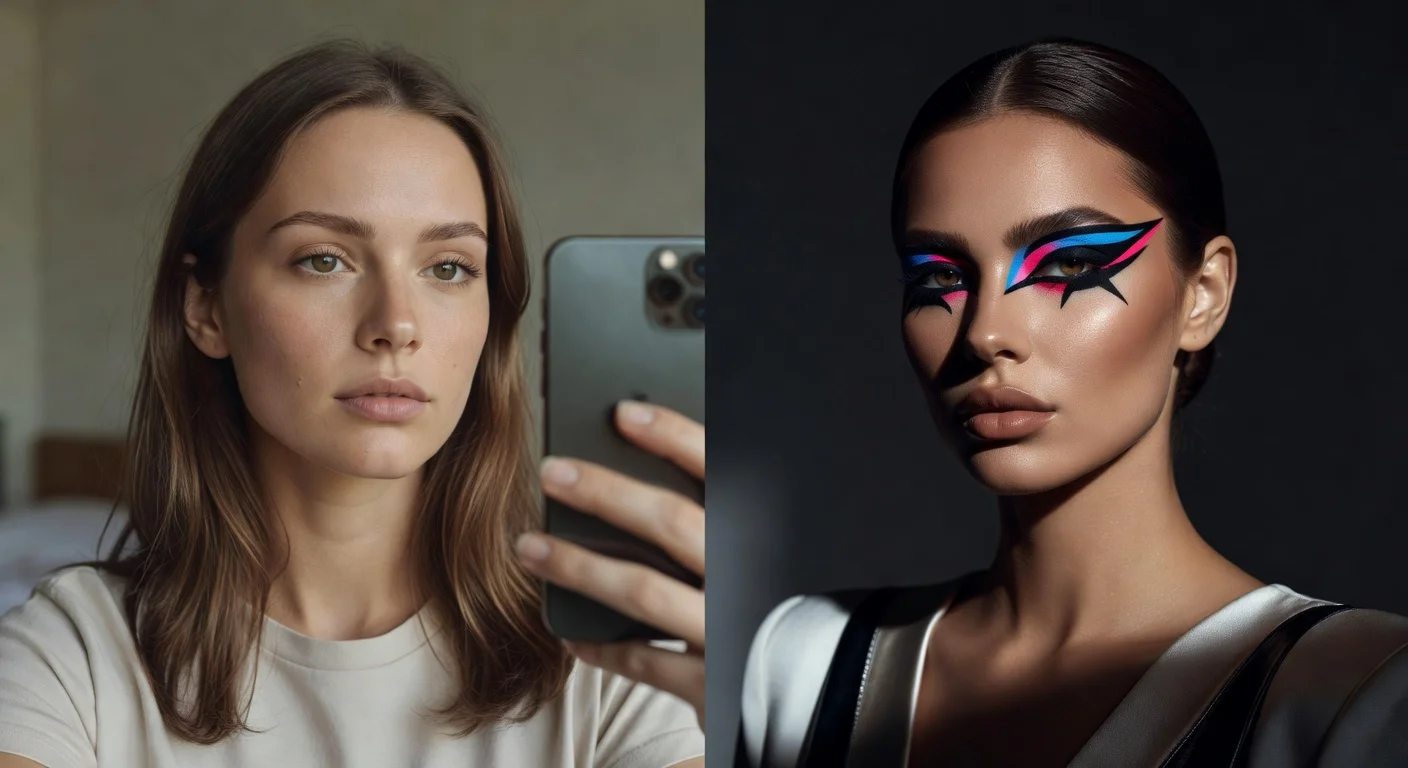
The ability to build upon an existing light makeup base into a heavy, photographic look is required for fast-paced studio environments. On the Glow Up TV series, contestants often have to pivot their designs halfway through a challenge.
If you completely strip the face and start over, you will lose 45 minutes of production time. You have to learn how to layer heavy pigments over setting sprays without causing the foundation to pill or chunk.
Rules for heavy layering:
- Never put wet over dry: If you have already powdered a face, do not drag a liquid contour wand over it.
- Press, do not swipe: Pat heavy pigments into the skin with a dense sponge.
- Re-hydrate the base: Mist the face with a glycerin-based setting spray before adding the second wave of color.
This technique is exactly how industry professionals turn a 9:00 AM corporate headshot look into an 8:00 PM runway look without a sink.
Does the "Ding Dong" technique actually work on normal faces?
Yes, high-impact makeup execution works on anyone, provided the artist has properly assessed the bone structure beneath it. The infamous "Ding Dong" praise from the judges is not about the colors chosen, but the flawless execution of the fundamentals.
A neon pink cut-crease looks terrible if the blending is muddy. But a perfectly executed, razor-sharp black wing can win a challenge on its own. It all comes down to precision.
You do not need to be on BBC Three to understand this standard. By testing your face mapping objectively, understanding your symmetry, and practicing precision over volume, you can achieve professional results at your own bathroom mirror.
Frequently Asked Questions
Are the time limits on Glow Up real?
Yes, the 2-hour limits for creative briefs and 15-minute limits for face-off challenges are strictly enforced by the producers.
Who are the main judges on the Glow Up makeup show?
The permanent judges are industry heavyweights Val Garland from L'Oreal Paris and Dominic Skinner from MAC Cosmetics.
Can a beginner replicate the looks seen on Glow Up?
Some commercial looks are beginner-friendly, but the prosthetics and avant-garde editorial challenges require specialized training and materials.
Does the Glow Up app test my makeup skills?
The app tests your objective facial symmetry and proportions using AI, giving you a baseline to plan your makeup application.
How much does professional editorial makeup cost?
A single professional FX palette can cost over $150, making digital planning tools much more cost-effective for testing concepts.
What does Ding Dong mean on the show?
It is judge Val Garland's famous catchphrase, shouted when a contestant executes a makeup look flawlessly.