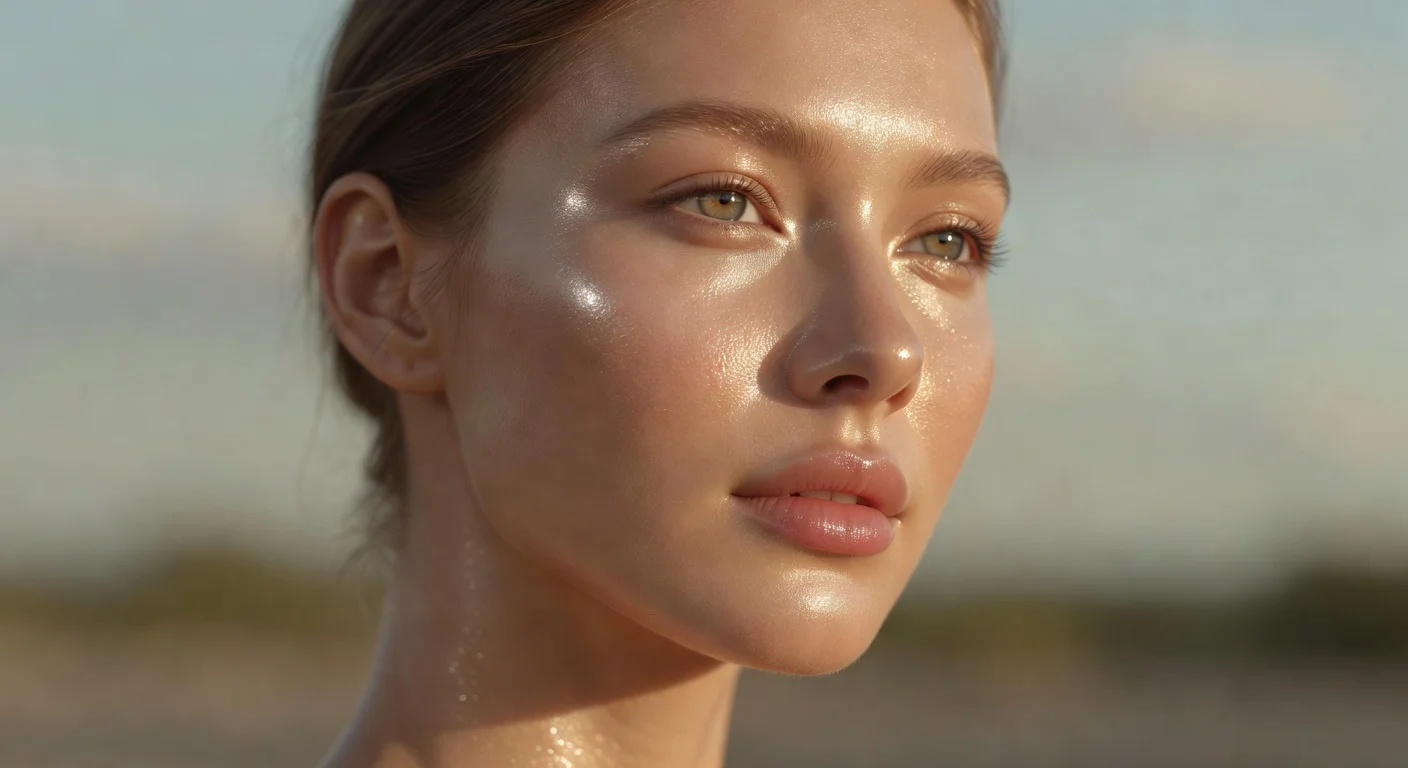
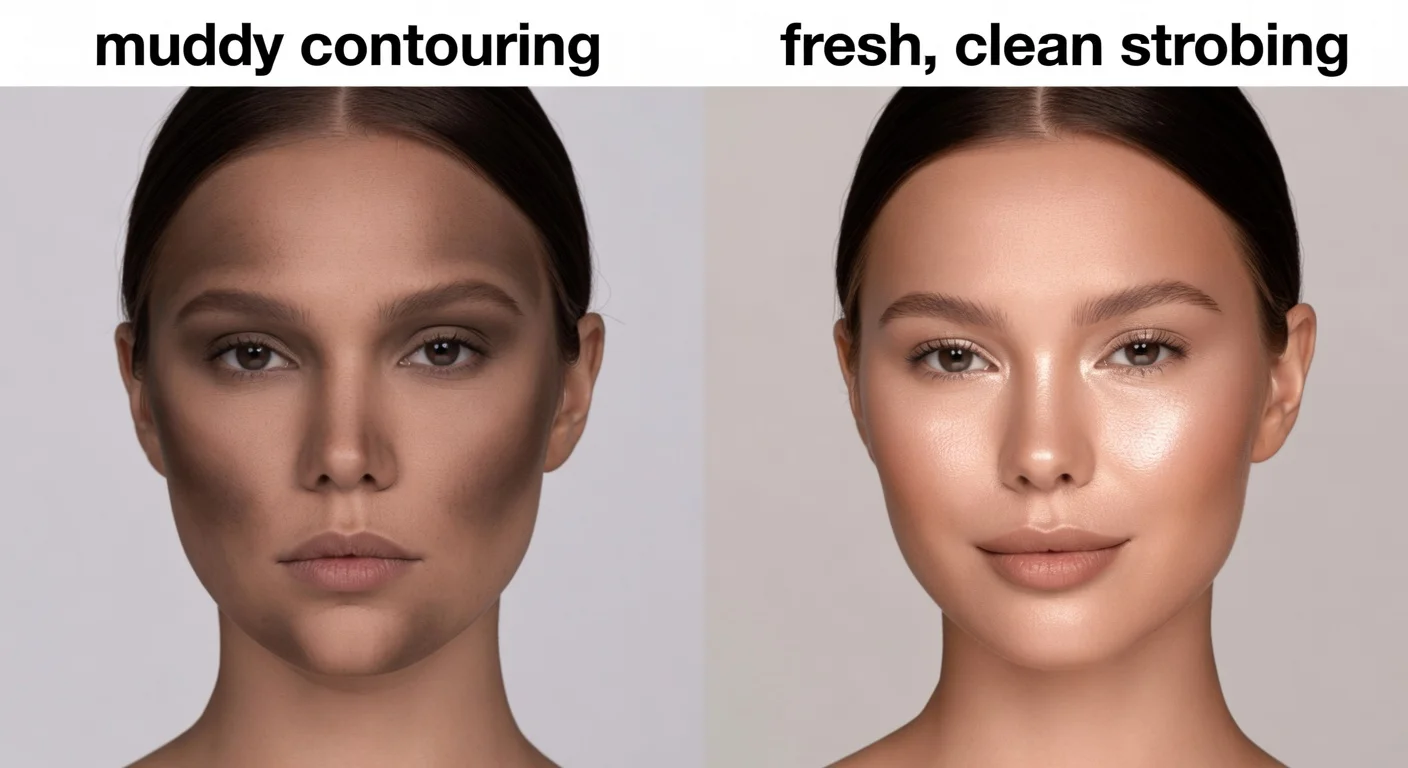
Strobe makeup is the practice of using highlighter exclusively to sculpt facial features. Unlike contouring, which uses dark shades to create shadows and recession, strobing uses light-reflective products to push features forward. It creates a dewy, youthful structure that mimics how healthy skin looks under natural sunlight.
How is strobing different from contouring?
Strobing adds volume; contouring removes it. That is the fundamental difference. When you contour, you are essentially painting fake shadows to make cheeks look hollow or noses look thinner.
Strobing does the opposite. By placing intense luminosity on the "high points" of the face, you force the eye to look there. This naturally creates contrast with the rest of your face without needing a single drop of bronzer or cool-toned sculpting powder.
Why the shift in 2026?
Traditional contouring often looks muddy in real life (outside of studio lighting). In 2026, the trend has shifted massively toward "skin-first" finishes.
Sales of liquid illuminators outpaced matte bronzers by 40% in late 2025. This signals that people want to look fresh, not painted.
Which tools are required for effective strobing?
You do not need a full arsenal, but fingers are often better than brushes. Since strobing relies on melting product into the skin, the warmth of your hand helps liquid formulas fuse with your foundation.
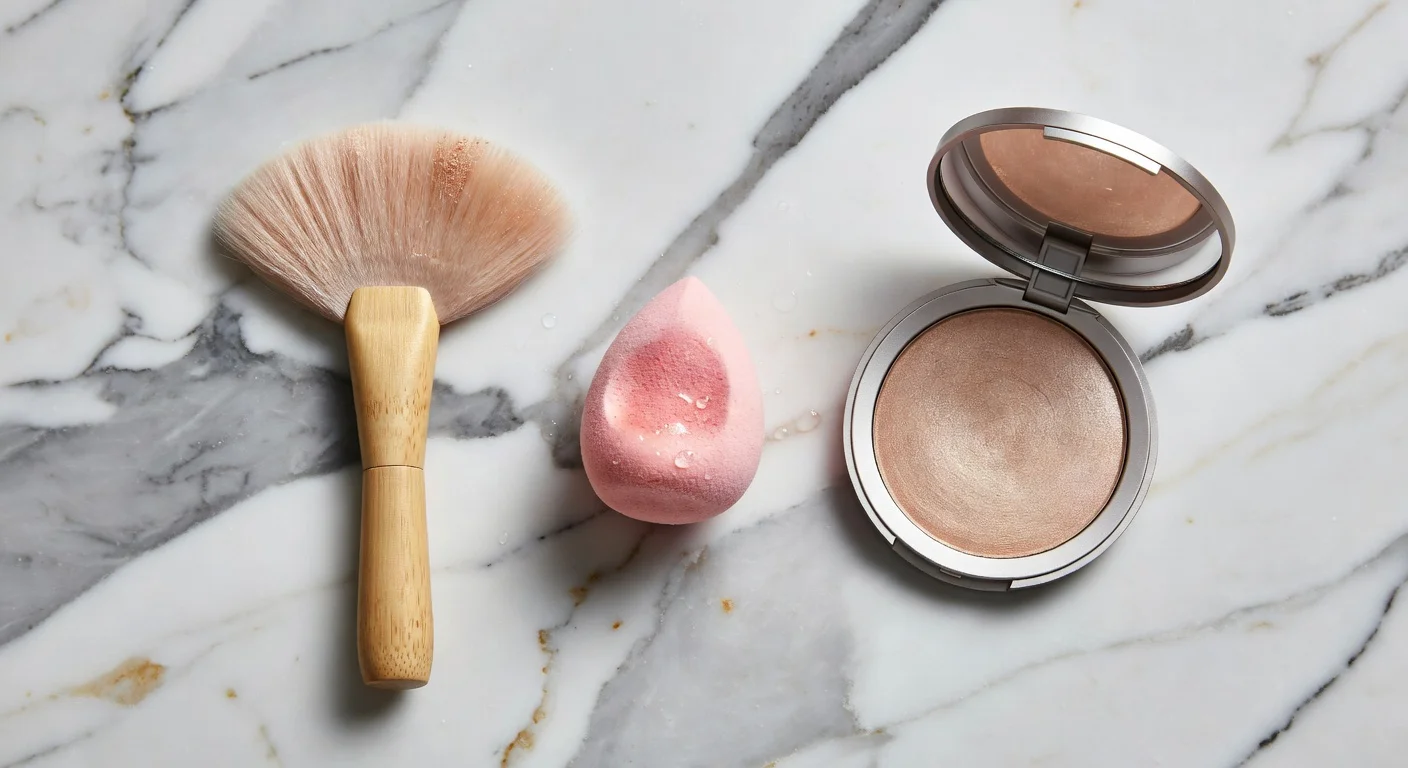
If you prefer tools, here is what works best:
- Damp Beauty Sponge: For liquid or cream highlighters.
- Fan Brush: For dusting powder highlight over texture.
- Small Tapered Brush: For precise placement on the cupid’s bow or inner eye corners.
Does face shape matter for strobing?
Yes, placement is dictated entirely by your bone structure. If you highlight the wrong area, you can make your face look wider or sweatier than intended.
For example, round faces should focus light on the chin and forehead to elongate. Heart-shaped faces should highlight the side of the jawline to create balance.
I realized I needed help with this.
I used to just guess where my cheekbones were, but it always looked slightly off. I started using the Glow Up & Attractiveness Test (available on iOS) to actually analyze my facial structure first.
Why use tech?
The app gives you a detailed face analysis using an AI model trained on aesthetics. Once I knew exactly where my high points were according to the AI analysis, placing the highlighter became stupidly easy. It takes the guesswork out of "is my face round or oval?"
| Feature | Glow Up App | Professional MUA | Youtube Tutorials |
|---|---|---|---|
| Cost | Best Value (Free Trial/Low Cost) | $100 - $300/hr | Free |
| Personalization | High (AI scans your face) | Very High | Low (Generic advice) |
| Convenience | Instant (2 minutes) | Appointment Required | Varies |
| Output | Face Rating & Detailed Analysis | Full Makeup Application | General Techniques |
| Best For | Perfecting Structure & Analysis | Weddings/Events | Learning Basics |
What is the correct order of application?
Liquids first, powders second. This rule is non-negotiable for longevity. If you apply a cream highlighter over a powder setting powder, it will cake up and separate within an hour.
Step 1: The "Wet" Base
After your foundation, dab a liquid illuminator on the tops of your cheekbones. Tap it in until the edges disappear.
Step 2: The "Set"
Dust a matching powder highlighter lightly over the liquid. This "locks" the glow in place so it doesn't slide around if you have oily skin.
Step 3: The Check
Turn your head side-to-side in natural light. If you see a solid stripe of color, you didn't blend enough. It should disappear when you look straight ahead and only appear when the light hits.
Where exactly should I put the highlighter?
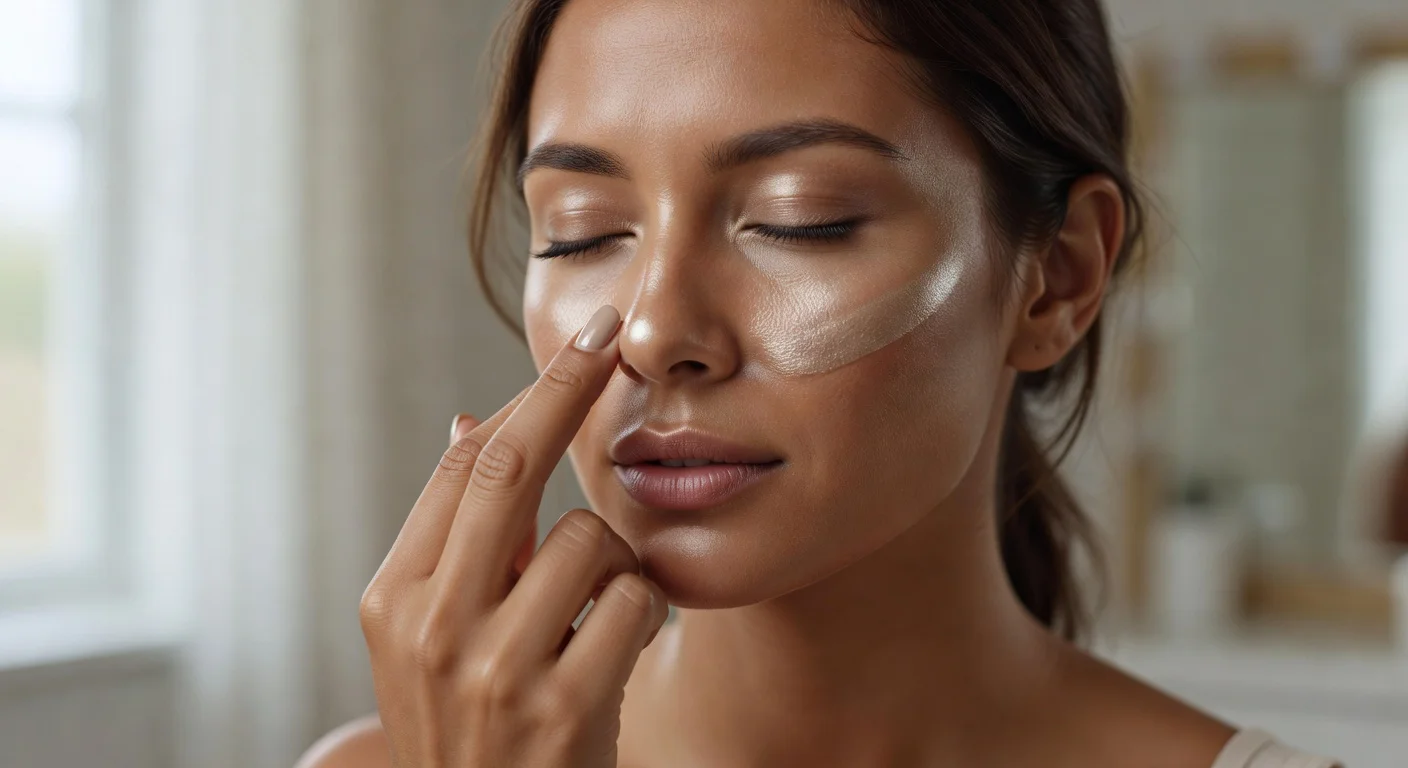
Only on the spots where the sun hits you naturally. Do not apply it to the center of your cheek (the apple); that creates a greasy look.
Target these specific coordinates:
- Cheekbones: Top edge only, blending toward the temple.
- Brow Bone: Just under the arch of the eyebrow to lift the eye.
- Bridge of Nose: A thin line down the center (stop before the tip if you have a larger nose).
- Cupid's Bow: The V-shape above your lip to make lips look fuller.
Tip: Avoid the forehead if you have texture or wrinkles there. Highlighter acts like a magnifying glass for pores.
Which shade fits my skin tone?
The wrong undertone creates a grey cast. If you put a silvery highlighter on deep skin, it will look ashy. If you put a gold highlighter on very pale pink skin, it will look like a bruise.
Follow this cheat sheet:
- Fair/Light Skin: Pearl, Champagne, or pale Pink tones.
- Medium/Olive Skin: Golden, Peach, or clear balms.
- Deep/Dark Skin: Bronze, Terracotta, or Copper tones.
According to a 2025 beauty report, clear "balm" highlighters (which have zero pigment, just shine) saw a 60% spike in popularity because they work on every single skin tone without leaving a cast.
Can strobing hide tired eyes?
Yes, specifically mainly via the "Inner Corner" trick. Dab a high-shimmer pigment right near the tear duct of your eye.
Why this works:
Dark circles create shadows near the nose. Putting a light reflector there neutralizes the shadow instantly. It is cheaper than concealer and takes 5 seconds.
I honestly think this is the most effective part of the whole technique. If you do nothing else, just highlight the inner corners. You instantly look like you slept 8 hours (even if you only got 4).
What are the most common mistakes to avoid when strobing?
1. The "Tin Man" Effect
Applying highlighter all over the face. You are not trying to look metallic. You want targeted gleam.
2. Highlighting Pores
If you have large pores on your cheeks, do not put shimmer there. Use a matte brightening concealer instead.
3. Ignoring Symmetry
If you highlight one cheekbone higher than the other, your face looks lopsided. This goes back to knowing your face. Using the Glow Up & Attractiveness Test helps you visualize your symmetry before you apply makeup. It helps you see yourself as a "10/10" so you know what you are aiming for.
Is strobing bad for oily skin?
Not if you use the right formula. I have combination skin, and I used to be terrified of highlighter.
The secret weapon? Setting Spray.
Apply your highlighter, then mist your face with a matte setting spray. It kills the oiliness of the base but keeps the reflective particle of the highlighter intact.
Also, avoid "glitter" chunks. Glitter travels. You want "micronized pearls." If you can see the individual sparkles in the packaging, it is too chunky for a natural strobe.
Why is skin preparation more important than the strobing makeup itself?
You cannot strobe on dry, flaky skin. The highlighter will cling to the dry patches and look like scale.
Moisture is 90% of the battle.
Before you even touch a highlighter, your skin needs to be hydrated. Hyaluronic acid serums are best because they plump the skin without adding grease.
A medical review from 2024 confirmed that hydrated skin reflects light 30% more effectively than dry skin. You need less makeup to get the same glow if you moisturize first.
Does strobing work for photography?
Yes, but be careful with flash.
Physical strobe lights (from a camera) will bounce strictly off your highlighter. If you put it on the tip of your nose, flash photography will make your nose look like a lightbulb.
My advice:
For photos, matte down the center of the face aggressively. Only strobe the heavy perimeter (temples and cheekbones). This keeps the focus on your eyes, not your T-zone oil.
Also, ensure your neck matches. Nothing is worse than a glowing face and a matte, dry neck. Bring a little lotion regarding the collarbone to tie the look together.
Frequently Asked Questions about Strobing Makeup
Is strobing the same as highlighting?
Technically, yes, but the intent is different. Highlighting is usually one step in a routine that includes contouring. Strobing is a standalone technique where highlighting is the only method used to sculpt the face.
Can I strobe if I have oily skin?
Yes, but you need to avoid the T-zone (forehead, nose, chin). Focus the glow strictly on the tops of your cheekbones and use powder-based highlighters rather than liquids to prevent looking greasy.
What is the best lighting to apply strobe makeup?
Natural daylight is non-negotiable. Artificial bathroom lights often hide the shimmer, causing you to overapply. If you apply stobe makeup in dim light, you will look like a disco ball in the sun.
Does strobing work on textured skin or acne?
It can be risky because shimmer emphasizes texture. If you have active breakouts on your cheekbones, stick to a matte highlight or a very finely milled satin finish rather than glitter.