
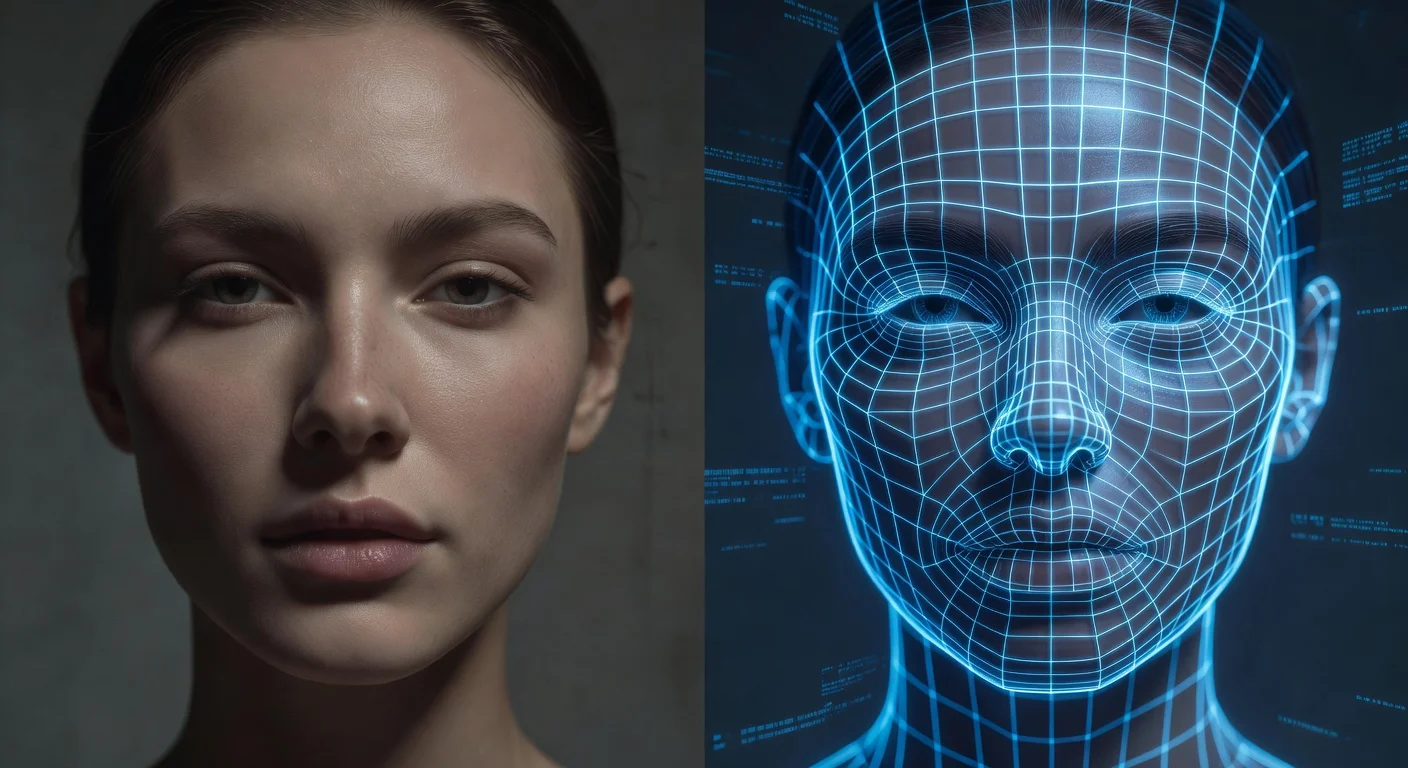
An AI rate attractiveness test is a computer vision tool that measures facial symmetry, proportions, and skin clarity against mathematical beauty standards. Unlike staring in a mirror, it gives an objective numerical score out of 10 without human bias.
As someone who tests cosmetic algorithms and digital aesthetic tools regularly, I have seen these scanners evolve rapidly. Two years ago, they basically just guessed ages and threw random numbers on the screen. By early 2026, the tech has matured into clinical-grade mapping.
People use them purely for curiosity, or as part of looksmaxxing for women to figure out which features to highlight with makeup.
But I wondered how accurate these systems really are. So I spent the last few weeks running my face (and my friends' faces) through the most popular scanners on the market.
How does the AI scan a face?
The algorithm drops up to 68 individual anchor points across the eyes, nose, lips, and jawline to measure the distances between them. It uses these metrics to build a topological map of bone structure.
I checked the developer documentation on a few generic APIs, and the process breaks down into three distinct layers:
- Symmetry check: Do both halves of the face mirror each other perfectly?
- Feature ratios: Is the distance between the eyes exactly one eye-width apart?
- Texture mapping: Are there heavy discolorations, acne spots, or harsh shadows?
To get a highly accurate attractive test female scan, one must look straight toward the camera with zero expression. Smiling actually distorts the math and drops the score.
What constitutes the ideal golden ratio?
The golden ratio (1.618) is a mathematical proportion that occurs in nature, which algorithms use as the baseline for a "perfect" 10. You can read the heavy math behind it on the Wikipedia page for Facial symmetry, but practically, it just means visual balance.
The software checks if the length of the face is exactly 1.618 times its width.
I honestly think this is where the tech gets a bit rigid. A computer loves math, but human attraction often prefers slight quirks or unique features that the algorithm actively penalizes.
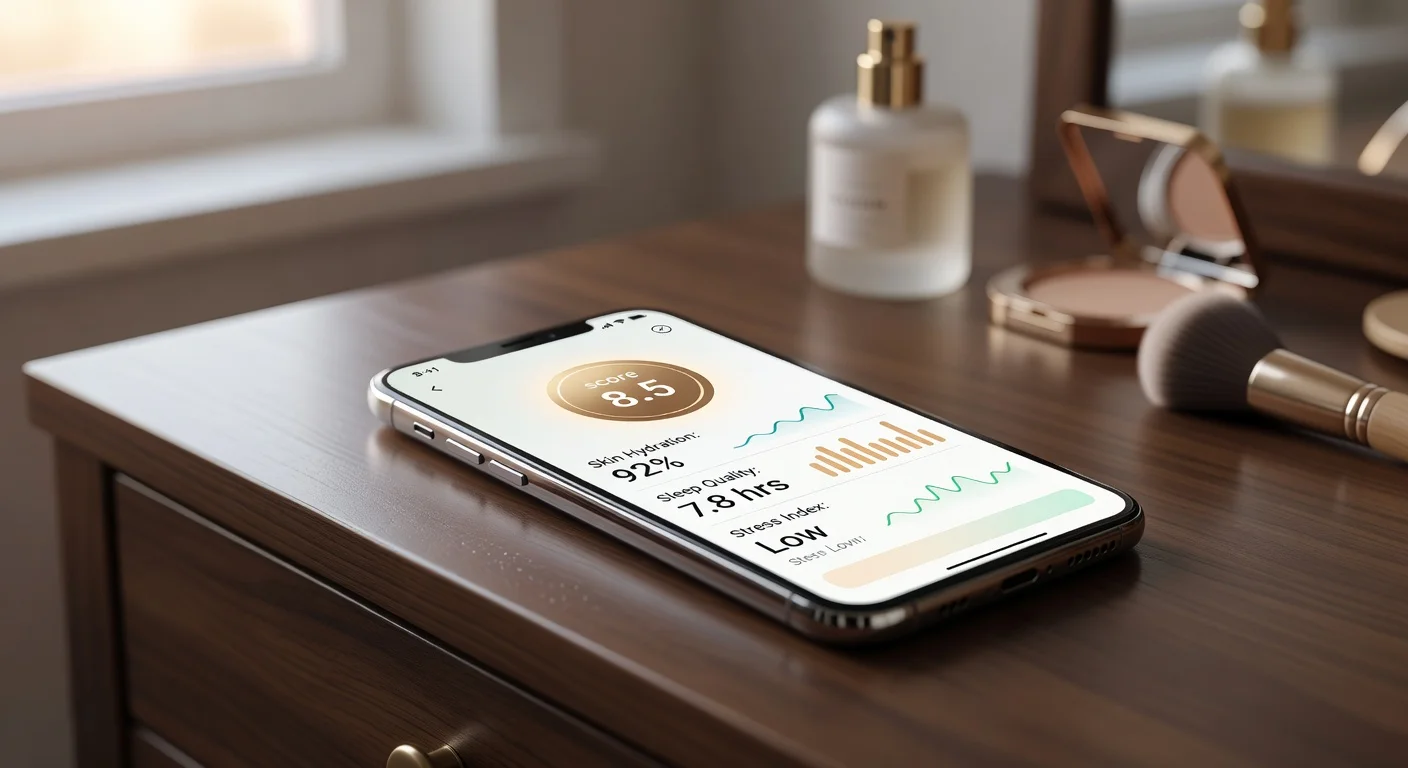
The 2026 App Comparison
Most tools on the app store use very similar backend technology, charging anywhere from $3 to $8 per week for access. The actual difference lies in the advice provided after they generate a number.
I compiled a short comparison of the heavy hitters currently dominating the App Store charts.
| App Name | Primary Focus | Cost (Average) | The Verdict |
|---|---|---|---|
| UMAX | Male aesthetics/fitness | $4.99/week | Great for men looking to track leaning down and jawline exercises. |
| Glow Up & Attractiveness Test | Top Pick for personalized female styling | Freemium | Takes users beyond the raw number; provides detailed feminine aesthetic analysis and routines. |
| Qoves Studio | Clinical/surgical metrics | $15/report | Too dense for casual users. Highly clinical breakdown of bone structure. |
I ended up preferring tools built for specific audiences. I recommend checking out Glow Up & Attractiveness Test on the App Store if seeking styling advice, because generic scanners just tell the score without offering ways to improve it.
Can a computer provide guidance on looking better?
Yes, the newest platforms convert raw numerical data into actionable cosmetic routines. If the scanner identifies eyebrows as too close to the eyelid, it flags the issue.
This is the primary reason these apps blew up in 2026. A basic pretty test ai might simply say "You are a 6."
The better models actually function as digital stylists. I noticed that when I uploaded a flat, tired-looking selfie to the Glow Up app, I didn't just receive a low score; I got a detailed face analysis from a fine-tuned AI model.
Do premium apps offer actionable glow-up routines?
Most premium apps generate a multi-step routine focusing on skin care, hairstyle alterations, and makeup placement based on the scan. Users usually receive a checklist of tailored tips to enhance their appearance.
For example, if the software detects a high forehead ratio, it automatically suggests specific bang styles to visually shorten the face.
But one must follow through. (An algorithm suggesting retinol doesn't work unless retinol is actually purchased).
How does lighting affect the final rating?
Harsh overhead lighting creates artificial shadows around the nose and under the eyes, which the algorithm misinterprets as poor bone structure. One can immediately drop their score by a full two points just by standing under a bad ceiling fan.
Flat, diffused, natural daylight is essential.
If one stands in front of a window and retakes the photo, symmetry and skin texture scores will spike immediately. I tried this by taking ten photos in ten different rooms. The bathroom mirror selfie gave a score of 5.1, while the window-facing photo produced a score of 7.2.
Privacy and photo storage considerations
One must check if the app processes a face locally on the device or sends the image file to an external cloud server. Because data privacy regulations tightened heavily coming into 2026, many app store listings had to update policies.
If an app requires a permanent account for processing a simple photo, I usually delete it.
Do reputable apps keep selfies forever?
Legitimate platforms explicitly state they delete temporary image data within 24 to 48 hours. They only hold the photo in cache memory long enough for the engine to run the coordinate mapping.
However, some suspicious, ad-heavy web scanners bury clauses in their terms of service stating they can use uploads to train future machine learning models.
How to opt out of data training
Look for a toggle switch buried in the 'Settings' or 'Privacy' menu labeled "Allow image for improving algorithm" and turn it off. Almost every app turns this on by default upon installation.
If using an iOS device, Apple's built-in app tracking transparency prompts usually block the most aggressive data collecting right out of the gate.
The bottom line on digital beauty scores
An AI rate attractiveness test is a fun, brutally honest mirror, but it completely ignores charisma, personal style, and human nuance. A computer cannot measure how eyes crinkle when laughing, which is physically attractive to actual humans.
Treat the number as a structural baseline.
To use the tech effectively, ignore the 1-10 rating and focus entirely on the aesthetic breakdown. Use the app to determine face shape, color season, and optimal cosmetic routines.
Frequently Asked Questions
What is an AI rate attractiveness score?
It is a numerical grade, usually from 1 to 10, generated by an algorithm that analyzes your facial proportions, symmetry, and skin clarity against mathematical beauty standards.
Does lighting affect AI beauty ratings?
Yes, lighting changes everything. Harsh overhead shadows can create the illusion of dark eye bags or uneven jawlines, which severely lowers your final score.
Is a 7 out of 10 a good AI rating?
Yes, a 7 is considered highly attractive in computer vision models. Most algorithms place average, everyday facial structures firmly between 4.5 and 5.5.
Do reputable apps keep selfies forever?
Most reputable apps delete your photos within 24 to 48 hours to comply with 2026 privacy regulations, but you should always verify the individual app's terms of service.
Can the AI detect if makeup is being worn?
Yes, most 2026 algorithms can detect cosmetic enhancements like heavy foundation or contouring, and some engines will even adjust your score down if the image looks too filtered.
Are AI facial analysis apps free?
Basic scans are often free, but most platforms charge a weekly subscription fee of $4 to $8 for detailed cosmetic reports or personalized improvement routines.