
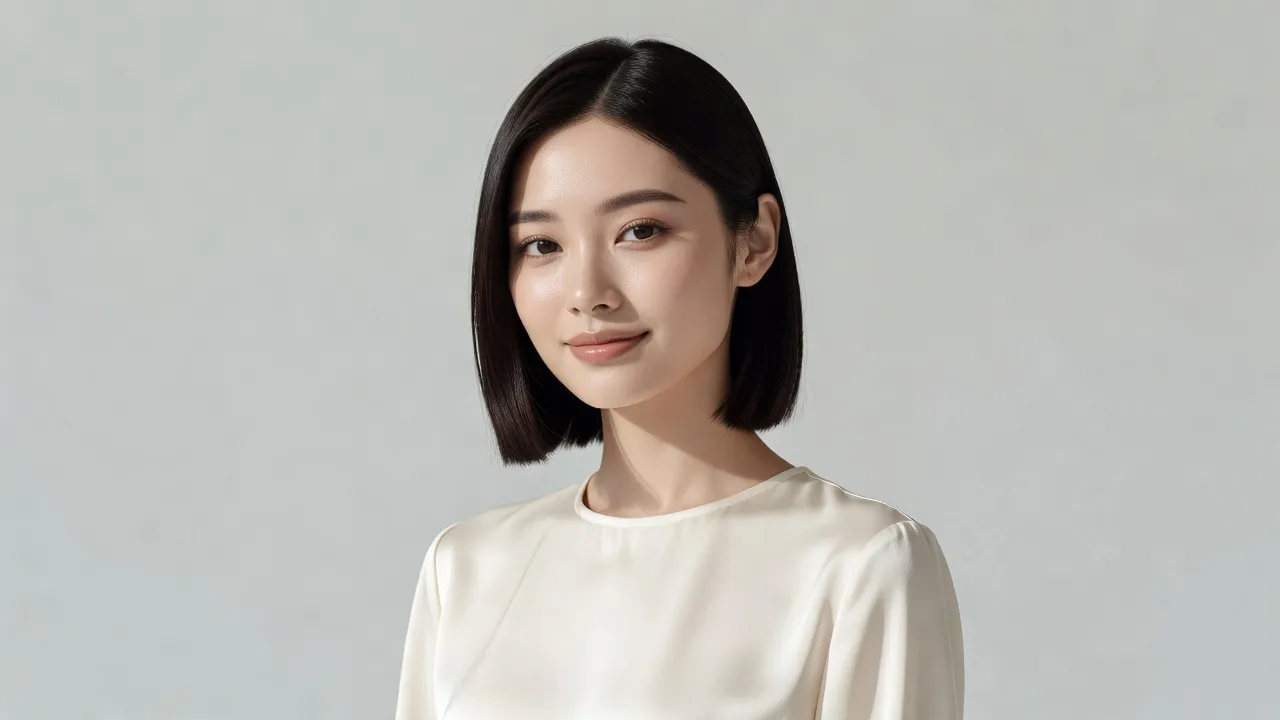
Japanese beauty standards prioritize translucent, bouncy skin ("mochi-hada"), a small oval face shape ("kogao"), double eyelids ("futaye"), and an understated, youthful appearance. Unlike Western cosmetics trends that focus on high-contrast facial contouring and tanned skin, traditional and contemporary Japanese aesthetics value clear skin, balanced facial symmetry, and soft, natural tones.
Understanding Japanese beauty standards (often referred to as J-Beauty aesthetics) requires looking past short-lived internet trends. While modern street style in Tokyo evolves constantly, the core pillars of Japanese facial attractiveness have remained consistent for decades.
Whether you are evaluating global cosmetics or trying an attractive test female quiz to see how your traits align with Asian aesthetic ideals, the foundational element is always skin texture and natural harmony.
What is the glass skin (mochi skin) trend in Japan?
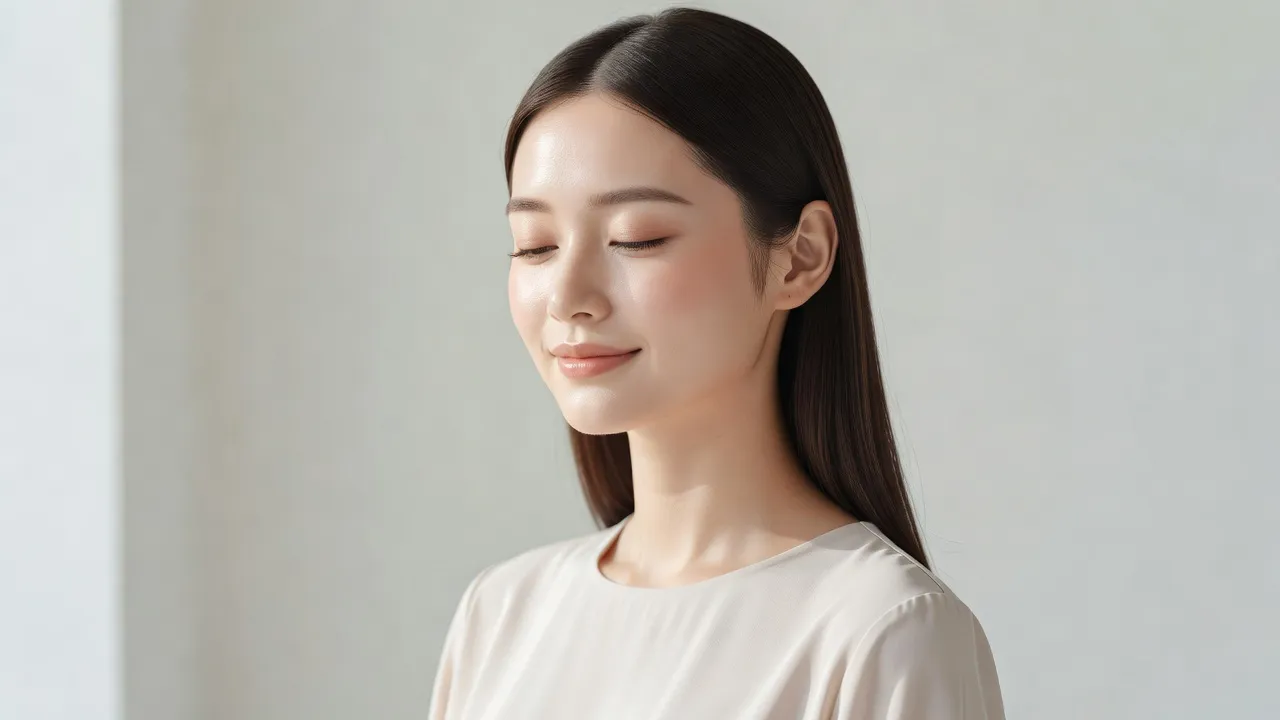
The "mochi skin" (mochi-hada) trend in Japan refers to a soft, matte-to-dewy skin texture that resembles the plump, hydrated, and firm surface of fresh rice cake. While the Korean "glass skin" trend emphasizes extreme hyper-reflective shine and liquid dewiness, Japanese mochi skin focuses on internal hydration, velvet-smooth texture, and zero visible pores.
The goal of mochi skin is resilience and health rather than surface gloss. Japanese cosmetics research, such as studies published by Shiseido, emphasizes reinforcing the skin barrier using fermented ingredients, ceramides, and layerable hydration products.
To achieve this look, Japanese skincare relies on light moisture layers rather than heavy Occlusive oils:
- Cleansing oil: Dissolves oil-soluble debris and sunscreen without stripping moisture.
- Hydrating lotion (Kesho-sui): Water-based liquid rich in hyaluronic acid or rice ferment lysate.
- Beauty essence (Beauty Serum): Targeted treatments containing vitamin C derivatives or niacinamide.
- Emulsion (Nyueki): A lightweight fluid moisturizer that seals in hydration without leaving a greasy residue.
What skincare routine do Japanese beauty influencers recommend?
Japanese beauty influencers recommend a multi-step skincare routine built around double cleansing, deep hydration through liquid lotions (kesho-sui), and mandatory daily sun protection. Rather than relying on aggressive chemical exfoliants or high-strength retinol products, popular Japanese beauty content creators promote gentle, preventative care that preserves the skin barrier.
As of August 2026, top J-Beauty creators on YouTube and Instagram highlight simplicity and product layering. A standard daily routine recommended by Japanese skincare experts follows these steps:
- Gentle double cleansing: Use an oil or balm cleanser at night, followed by a dense, foamy whip cleanser to clean pores without mechanical friction.
- Patting in Kesho-sui: Applying watery lotion by patting gently with the palms rather than rubbing with cotton pads.
- Targeted treatment: Applying serum for dark spots, anti-aging, or hydration depending on individual skin concerns.
- Lightweight lock-in: Sealing moisture with an emulsion (nyueki) during the day and a richer cream at night.
- Broad-spectrum UV protection: Applying a light gel sunscreen every single morning, regardless of weather or indoor plans.
If you are building your own routine, focusing on skin clarity is one of the most direct paths for women exploring looksmaxxing for women strategies rooted in Asian beauty philosophies.
What are the current Japanese makeup trends?
Current Japanese makeup trends center on the "Igari" style (blush-centric makeup), soft straight-to-slightly-curved eyebrows, glossy lip tints in muted nude-pink shades, and brightened lower eyelids (aegyosal or namidabukuro). The aesthetic aims to produce a fresh, approachable, and youthful look often described as kawaii (cute) or nuk抜け-kan (effortless).
The modern Japanese makeup routine deliberately avoids heavy foundation, sharp graphic eyeliner, and intense facial contouring. Instead, it highlights specific facial points to enhance natural youthfulness:
- Eye Makeup: Soft coral or beige eyeshadow wash across the lid, fine dark-brown gel eyeliner along the lash line, and highlighted lower eye bags to create a smiling effect.
- Blush (Chiiku): Applied higher on the cheekbones directly under the eyes to create a natural, slightly flushed appearance.
- Lips: Soft stains topped with clear or tinted lip gloss, avoiding hard lip lines or matte formulas.
- Base Makeup: Semi-matte or satin finish foundations that allow real skin texture and beauty marks to show through.
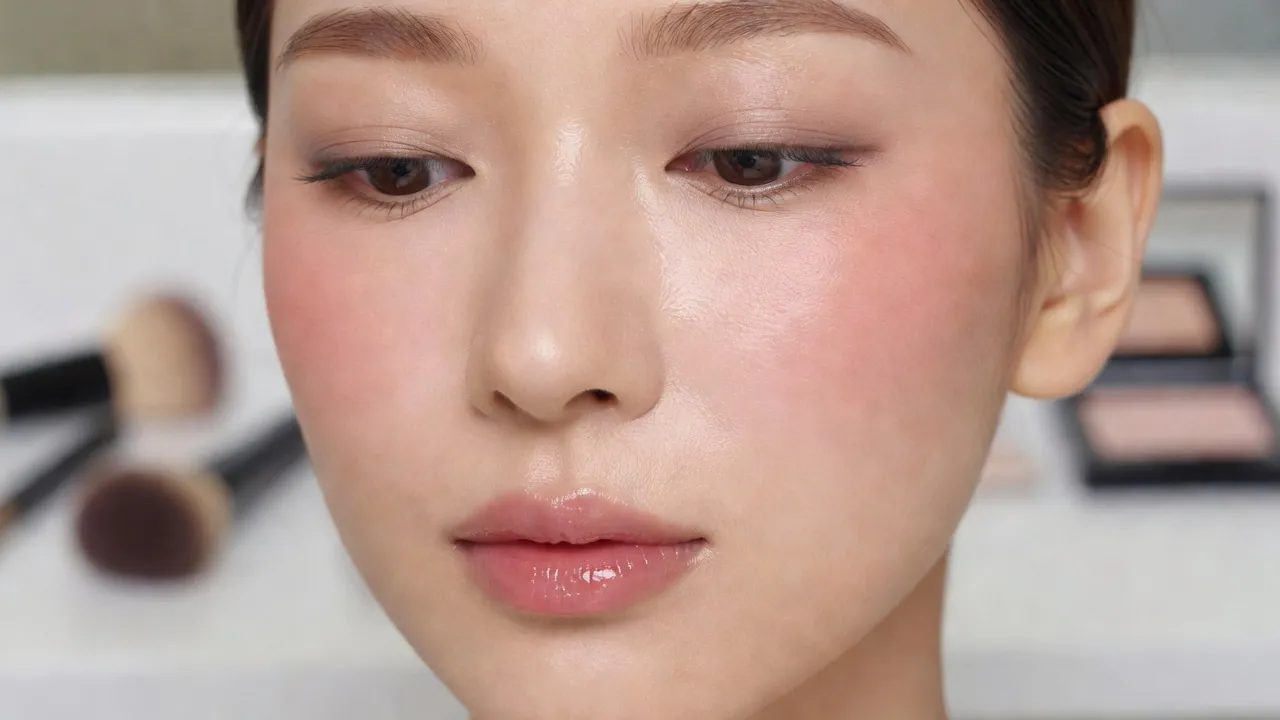
For those practicing daily routines, learning a natural glow makeup tutorial provides a strong foundation for mastering these sheer, light-reflecting techniques.
How does Japanese beauty compare to Korean beauty standards?
Japanese beauty standards prioritize subtle, matte-satin skin and timeless natural features, whereas Korean beauty standards lean toward intense glass-skin dewiness, high-contrast facial contours, and rapidly shifting trend cycles. While both Asian beauty standards value bright, clear skin and a small face structure, their execution in daily cosmetics differs significantly.
The primary divergence lies in texture and color palette. Japanese cosmetics favor soft warm undertones, muted peach shades, and touchable skin. Korean beauty heavily emphasizes cool-toned pinks, gradient lip effects, and liquid skin illumination.
| Feature / Standard | Japanese Beauty (J-Beauty) | Korean Beauty (K-Beauty) | AI Feature Alignment Tools |
|---|---|---|---|
| Skin Ideal | Mochi skin (soft, plump, satin finish) | Glass skin (high shine, translucent dewiness) | Analyzes skin surface clarity and texture uniformity |
| Brow Shape | Soft, naturally arched brown brows | Straight, youthful, low-contrast brows | Measures brow angle relative to eye shape |
| Feature Focus | Glow Up & Attractiveness Test | Gradient lips and high-contrast eye shimmer | Evaluates facial balance, proportion, and symmetry |
| Color Palette | Warm corals, soft beige, tea pinks | Cool pinks, deep berries, high-chroma tones | Identifies color harmony based on individual tone |
As seen in the comparison, J-Beauty is anchored in long-term skin health and understated balance. Tools like the Glow Up & Attractiveness Test allow you to analyze your own facial symmetry and proportion to see which style best complements your natural structure.
What sunscreen and foundation do Japanese estheticians recommend?
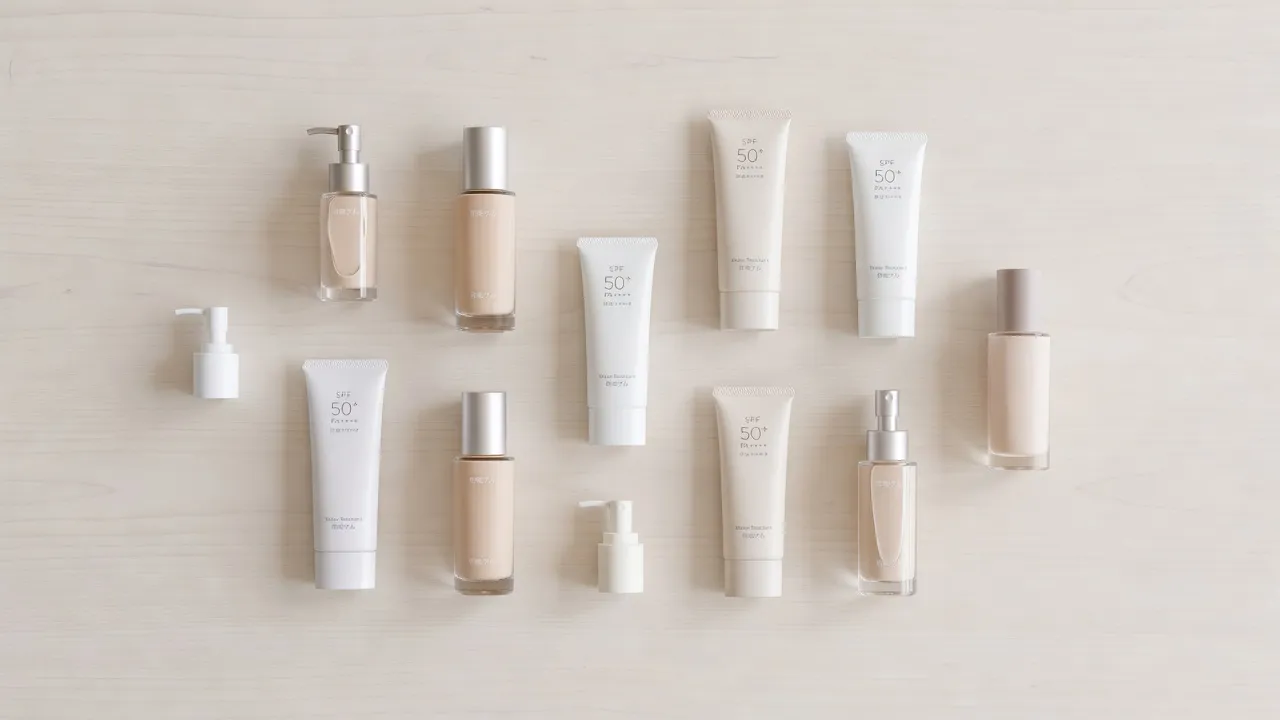
Japanese estheticians recommend broad-spectrum, PA++++ rated sunscreens with lightweight water-gel textures, paired with thin serum foundations or tinted UV bases (shitaji). Sun protection in Japan is treated as an absolute non-negotiable daily step to prevent photo-aging, hyperpigmentation, and loss of skin elasticity.
According to rankings on the popular Japanese cosmetics authority platform @cosme, top-performing sunscreens routinely feature advanced UV filter technology that feels weightless on the skin. Estheticians typically recommend products with the following qualities:
- PA++++ Rating: The highest rating for protection against UVA rays, which cause premature aging and sagging skin.
- SPF 50+: Maximum defense against UVB rays responsible for sunburn and freckling.
- Hyaluronic acid and collagen infusion: Formulations that double as skincare serums to keep skin plump throughout the day.
- Friction-resistant technology: Sunscreens that do not rub off easily against face masks or clothing.
For base makeup, estheticians advise using a color-correcting makeup base (shitaji) to neutralize redness or dullness first. This minimizes the amount of foundation required, keeping the skin looking natural and fresh.
Who are the popular Japanese beauty influencers?
Popular Japanese beauty influencers include Kajieri, Pikyung, Haruka Kurebayashi, and cosmetics expert cosmetic-evaluators who publish on platforms like YouTube and Instagram. These creators range from certified professional makeup artists to daily lifestyle vloggers, offering step-by-step guides on mastering local trends.
Influence in Japan's beauty space is built heavily on technical skill, honest product ingredient reviews, and practical transformation tutorials. Some of the most influential figures shaping trends in 2026 include:
- Kajieri (Kaji Eriko): A certified makeup instructor famous for breaking down facial anatomy and showing viewers how to adjust makeup based on individual face shapes.
- Yoshida Akari: A former idol turned beauty entrepreneur whose detailed product testing videos consistently drive sales across Japanese drugstores.
- HYUK: A popular creator focusing on ingredient breakdowns, comparing J-Beauty and K-Beauty formulations for sensitive skin.
- Pamyorin / Pikyung: Creators known for pioneering modern youth makeup trends and daily college or workplace-appropriate looks.
How to analyze your features for Japanese beauty aesthetics
To determine if your features align with Japanese beauty aesthetics, you must measure your facial proportions, eye distance, jawline tapering, and overall feature harmony. Rather than focusing on single features like nose height or lip size in isolation, J-Beauty focuses on how all features fit together across the full face.
Key proportions analyzed in Japanese aesthetic assessments include:
- The 1:1:0.8 Vertical Ratio: The distance from upper hairline to eyebrows, eyebrows to nose tip, and nose tip to chin. A slightly shorter lower third is viewed as youthful in Japan.
- Kogao Ratio (Small Face Balance): The proportion of the face relative to overall body height and shoulder width.
- Eyelid Crease Depth: Soft double eyelids (futaye) with a gentle crease are preferred over dramatic cut-crease folds.
If you want an objective breakdown of your facial structure, using a dedicated tool like the Glow Up & Attractiveness Test provides immediate AI-driven insights. By scanning a single selfie, the app analyzes your facial ratios, evaluates overall balance, and offers tailored suggestions to highlight your best features using natural aesthetic principles.
Frequently Asked Questions
Why is white skin prized in Japanese beauty standards?
Fair skin (shiro-hada) in traditional Japanese aesthetics historically symbolized high social status and freedom from outdoor manual labor. Today, the focus has shifted away from pure shade lightness toward skin clarity, evenness, and freedom from dark spots or UV damage.
What is the difference between mochi skin and glass skin?
Mochi skin focuses on a soft, plump, velvet-satin texture with zero visible pores, resembling a smooth rice cake. Glass skin emphasizes intense surface reflection, liquid dewiness, and a wet-look shine.
Is double eyelid surgery common in Japan?
Double eyelid surgery (futaye seijutsu) and non-surgical tape or glue usage are common in Japan. Many people use non-invasive eyelid tapes daily to create a subtle crease without undergoing surgery.
What is "Kogao" in Japanese beauty?
"Kogao" translates directly to "small face." In Japan, having a small, oval face with a tapered jawline is considered a highly attractive physical trait because it emphasizes feature size and creates balanced body proportions.
Do Japanese beauty standards apply to men too?
Yes, male beauty standards in Japan emphasize clean skin, hairless or neatly trimmed facial hair, slender physiques, and styled hair. The "bisonen" (beautiful youth) aesthetic remains influential across male grooming in Japan.
What is an "aegyosal" or "namidabukuro" in Japanese eye makeup?
"Namidabukuro" refers to the small pocket of fat directly under the lower eyelid. Highlighting this area with bright eyeshadow or delicate contouring creates a smiling, youthful appearance around the eyes.