
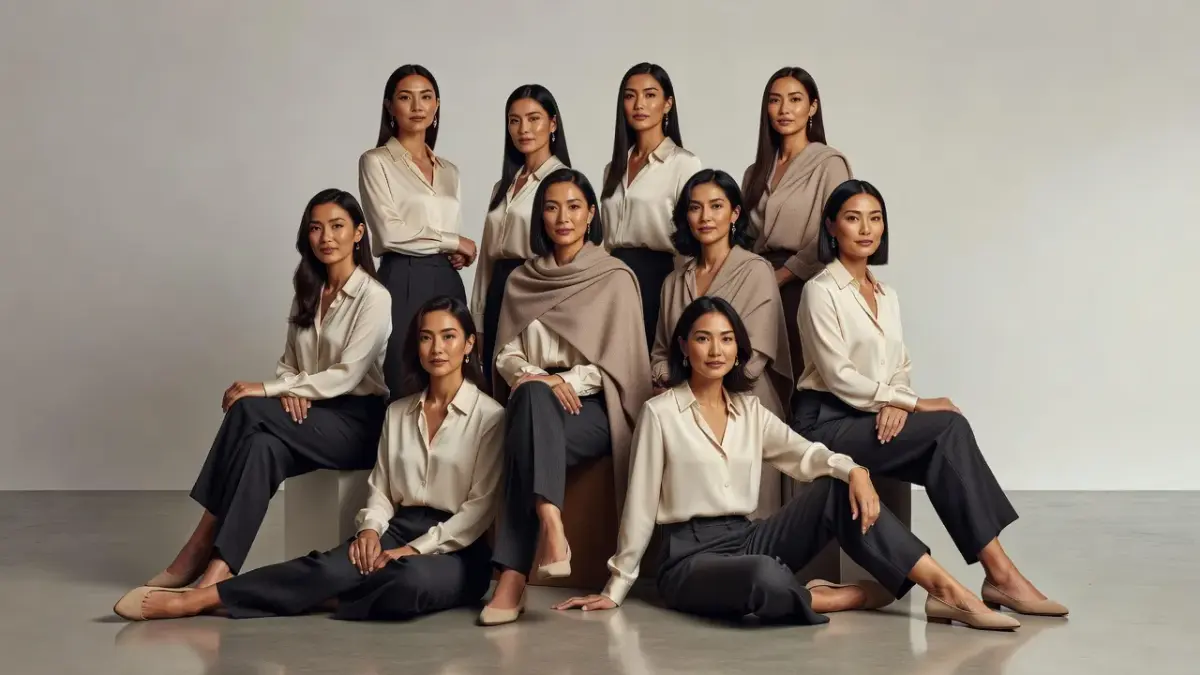
Asia beauty standards are a collection of distinct regional aesthetic ideals across East, South, and Southeast Asia that historically emphasize fair skin tone, small face shape, delicate features, and youthful facial symmetry. While historical traditions prioritized rigid physical traits, modern preferences in 2026 focus more on skin health, natural facial balance, and personal harmony.
Understanding these aesthetic guidelines requires looking at regional cultural histories alongside modern digital influences. Across East Asia, features like a double eyelid fold and a slim jaw line remain popular. Meanwhile, South Asian and Southeast Asian preferences blend traditional colorism concerns with Western-influenced contours, a pattern also seen in Vietnamese beauty standards.
If you want to understand how your own facial geometry aligns with global proportions, trying an AI analysis tool like Glow Up & Attractiveness Test offers immediate feedback on facial balance, symmetry, and bone structure without subjective bias.
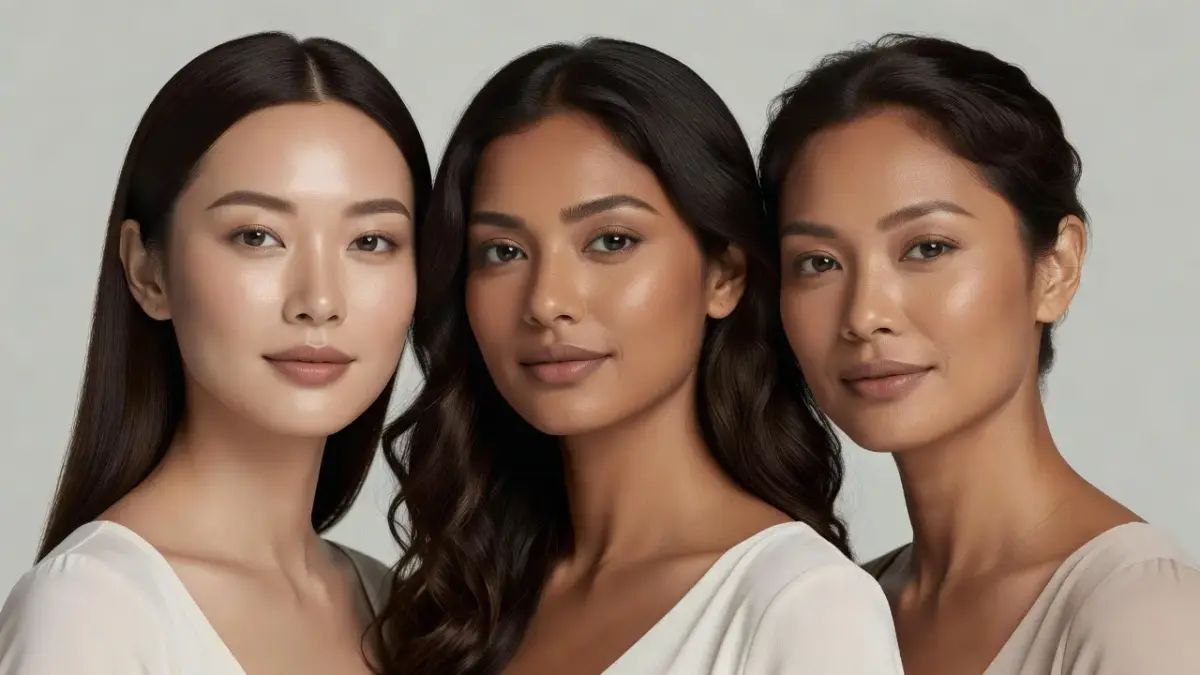
Regional Asian Beauty Standards Compared (2026 Overview)
The table below breaks down traditional traits, historic drivers, and current preferences across major Asian markets as of October 2026.
| Country / Region | Key Traditional Ideals | Primary Cultural Driver | Modern Trend Shift (2026) |
|---|---|---|---|
| South Korea | Pale skin, V-line jaw, double eyelid, Aegyo-sal | K-Pop media & plastic surgery innovation | Shift toward "glass skin" and natural soft contours |
| Japan | Small face (Kogao), double eyelid, soft features | Kawaii culture and natural aesthetic (Mushi-kei) | Preference for minimal makeup and raw skin texture |
| China | "White, thin, young" (Bai You Shou), high nose bridge | Social media filters and historical status markers | "Light luxury" look and balanced facial geometry |
| India | Fair skin tone, sharp nose, large dark eyes | Colonial history and Bollywood influence | Growing body-positivity and dark-skin representation |
| Thailand | Bright skin, V-shaped chin, high nose, soft eyes | Westernized media and K-beauty integration | Blend of European contouring with Thai warmth |
| Philippines | Lighter skin, tall nose bridge, slim build | Spanish/American colonial legacy | Natural kayumanggi (brown skin) pride movement |
What are South Korea's beauty standards?
South Korea's beauty standards emphasize a slim V-line jaw, pale clear skin, double eyelids, and a youthful facial profile. Known globally through K-beauty trends, Korean aesthetic expectations strictly define ideal ratios for facial length and bone alignment.
Korean beauty culture centers around several specific physical markers:
- The V-line jawline: A sharp, tapered lower jaw that shapes the face into an oval or heart shape.
- Double eyelids (Ssanggukpul): An upper eyelid crease that creates a wider, rounder eye aperture.
- Aegyo-sal: Small rolls of fat under the lower lash line that give the face a smiling, youthful expression.
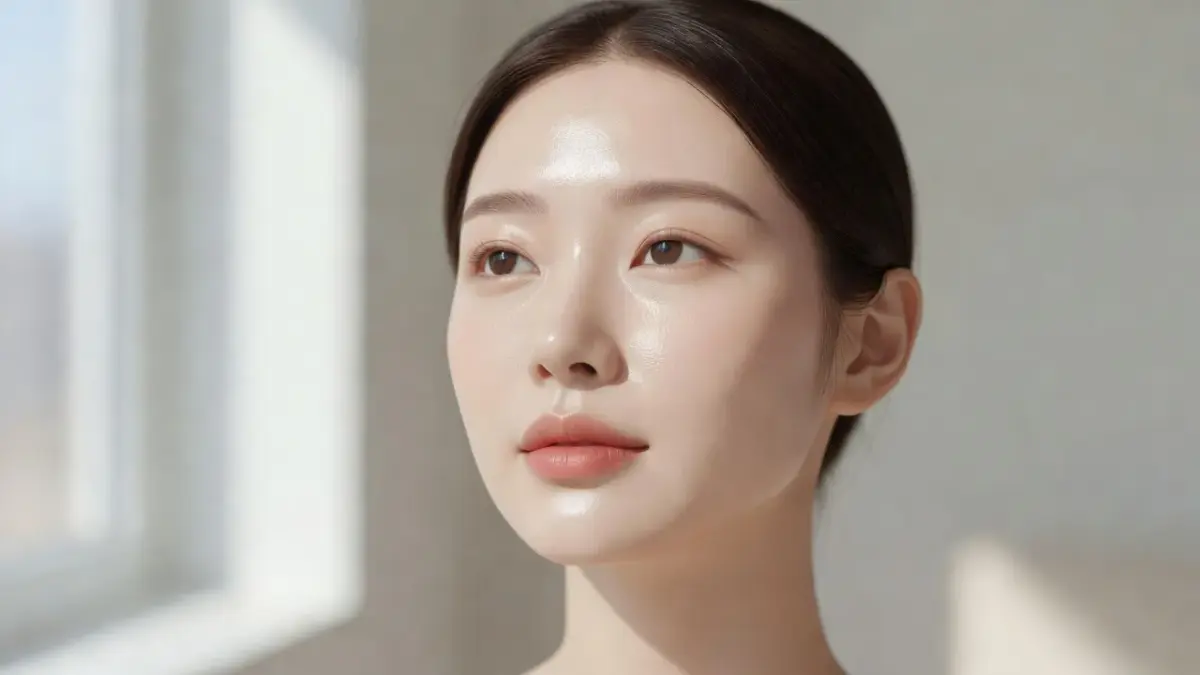
- Pale, clear skin: Often called "glass skin," this ideal stresses clear, hydrated skin free from blemishes or pigmentation.
As of late 2026, the demand for extreme cosmetic alterations in Seoul has dropped slightly in favor of non-invasive skin treatments. People increasingly seek skin elasticity therapies over jaw shaving procedures.
To compare these traits against global variations, you can read our breakdown of standards of beauty around the world to see where Korean proportions fit into wider trends.
Which country has high beauty standards?
South Korea is widely recognized as having some of the highest and most demanding beauty standards in Asia. Social and professional expectations around physical appearance heavily influence daily routines, career prospects, and personal grooming standards in the country.
Global aesthetic data published by the International Society of Aesthetic Plastic Surgery confirms that South Korea consistently ranks among the top countries worldwide for cosmetic surgery procedures per capita. Aesthetic expectations demand precise structural markers, including a tapered V-line jaw, double upper eyelids, a high nasal bridge, and unblemished skin clarity. In major metropolitan areas like Seoul, skin clinics and cosmetic treatments function as everyday self-care investments rather than rare procedures. While neighboring countries like China and Japan maintain strict aesthetic ideals, South Korea's cultural integration of K-beauty trends creates a uniquely intense benchmark across East Asia.
What are Japan's beauty standards?
Japan's beauty standards center on a small face shape (Kogao), soft facial features, smooth skin, and an overall approachable, natural appearance known as Kawaii. Unlike stricter geometric ideals found elsewhere in East Asia, Japanese aesthetics value gentle asymmetry and subtlety.
Historical records archived by Britannica indicate that Japanese preferences for fair skin date back to the Nara period (710–794 AD), long before European contact, where lighter skin signaled high social status and freedom from outdoor labor.
Key components of Japanese beauty include:
- Kogao (Small Face): A tiny head structure is widely praised in Japanese media as a sign of delicate beauty.
- Double Eyelids and Yaeba: Double eyelids remain popular, but slightly snagged teeth (yaeba) were historically seen as endearing and youthful.
- Mushi-kei (Natural/Unprocessed Look): Minimalist makeup that enhances skin texture rather than hiding it under heavy foundation layers.
If you are curious about specific regional nuances in Tokyo, our detailed guide on beauty standards in japan covers how youth-centric culture shapes everyday grooming routines.
What are China's beauty standards?
China's beauty standards traditionally demand fair skin, a narrow face, a raised bridge nose, and a slender body shape summarized by the phrase Bai You Shou. This translates to "white, young, and thin," forming a tough trio of physical traits amplified by viral digital challenges.
Social media platforms like Xiaohongshu and Weibo heavily shape these trends. According to reports published by South China Morning Post, Chinese aesthetic preferences shifted recently toward a "clean fit" style, replacing artificial filter looks with high-end minimal styling.
The primary attributes prized in Chinese beauty include:
- Fair Skin (Bai): Unblemished, porcelain skin remains the single strongest status indicator in Chinese aesthetics.
- Double Eyelids and Pointed Chin: Wide-looking eyes combined with a pointed chin create the ideal "snake spirit" or "fox style" face.
- High Nose Bridge: A straight, defined nasal profile that adds 3D depth to a flat facial structure.
For a deeper look into viral internet trends driving cosmetic choices in Shanghai and Beijing, read our full article on china beauty standards.
Is plastic surgery popular in China?
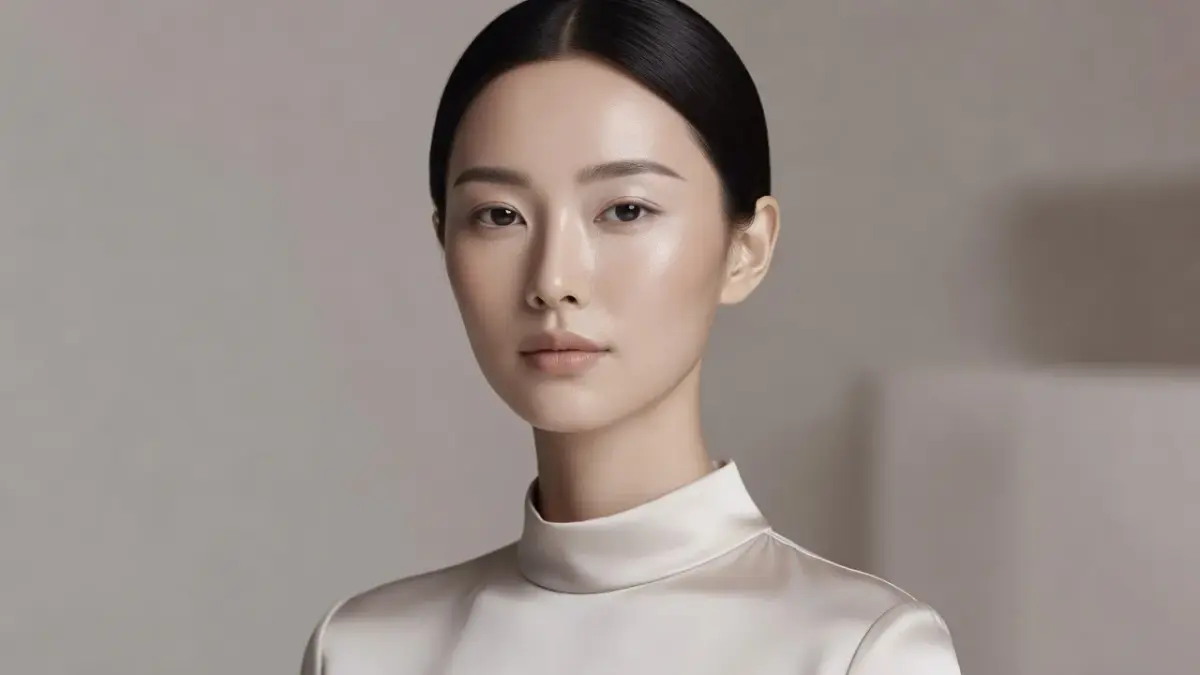
Plastic surgery and non-invasive cosmetic treatments are exceptionally popular in China, driven by digital beauty standards on social platforms like Xiaohongshu and Douyin. The domestic market has expanded rapidly among young urban professionals seeking refined facial features.
Industry insights from Frost & Sullivan highlight China as one of the fastest-growing medical aesthetic markets globally, with non-surgical fillers and micro-procedures representing the largest segment of treatment volume. The most requested aesthetic procedures include double eyelid surgery (blepharoplasty) to enlarge eye appearance, hyaluronic acid injections to plump the nasal bridge, and chin contouring to achieve a classic oval or pointed face shape.
What are India's beauty standards?
India's beauty standards prioritize a fair skin tone, sharp facial features, large almond-shaped eyes, and long dark hair. Colorism remains a deeply rooted influence across South Asia, largely sustained through historical caste dynamics, colonial rule, and media representations.
Despite major social pushback against skin lighteners, fair skin remains heavily favored in matrimonial markets and Bollywood casting. However, modern trends in 2026 show significant shifts toward celebrating broader skin tones, a change detailed in our guide to Indian standards of beauty.
The core elements of traditional Indian beauty include:
- Fair Skin Preference: Historical biases favor lighter skin tones, though public backlash reduced aggressive advertising for whitening creams.
- Sharp Nose and Defined Jaw: Prominent nasal bridges and clear jaw definitions are prized over rounder features.
- Thick Dark Hair and Bright Eyes: Long, healthy hair combined with bold, expressive dark eyes forms a classic South Asian ideal.
Medical authorities like the World Health Organization have issued warnings regarding hydroquinone and mercury in topical skin lightening products, leading to stricter import bans across South Asia in recent years.
What are Thailand's beauty standards?
Thailand's beauty standards combine skin whitening desires with Western-style facial structure, including a raised nose bridge and sharp chin line. Thai media heavily promotes an Eurasian look (Luk Khruang), blending traditional Southeast Asian features with European bone definitions.
Influenced heavily by both K-beauty imports and Western media, Thai aesthetic targets focus on specific features, a trend covered in depth in our guide to beauty standards in Thailand:
- Skin Brightening: Lighter skin remains a dominant marker of high socioeconomic status in urban Bangkok.
- Slender, V-shaped Jaw: Shorter, rounded jawlines are often altered with cosmetic fillers to create an elongated look.
- Concave Nose with High Bridge: A narrow nose with an elevated bridge is one of the most common surgical requests in Thailand.
What are the Philippines' beauty standards?
The Philippines' beauty standards prefer fair skin, tall nose bridges, and slender builds, balanced by a rising appreciation for natural brown skin (Kayumanggi). Decades of Spanish and American colonization left a deep preference for Eurocentric features across Filipino media.
The country's pageant culture reinforces specific structural ideals:
- Skin Whitening: Whitening soaps, lotions, and IV drips maintain a multi-million dollar market presence across the country.
- Tisay Aesthetics: Mixed-race physical traits, such as light eyes, high nose bridges, and tall heights, dominate television and advertising.
- Kayumanggi Revival: Younger generations in Manila increasingly reject chemical bleaches, celebrating native brown skin and natural facial contours.
How to assess your facial features objectively
Understanding complex regional standards can get confusing when comparing different cultural ideals. Many people turn to digital facial analysis to measure their feature proportions without getting caught up in rigid cultural biases.
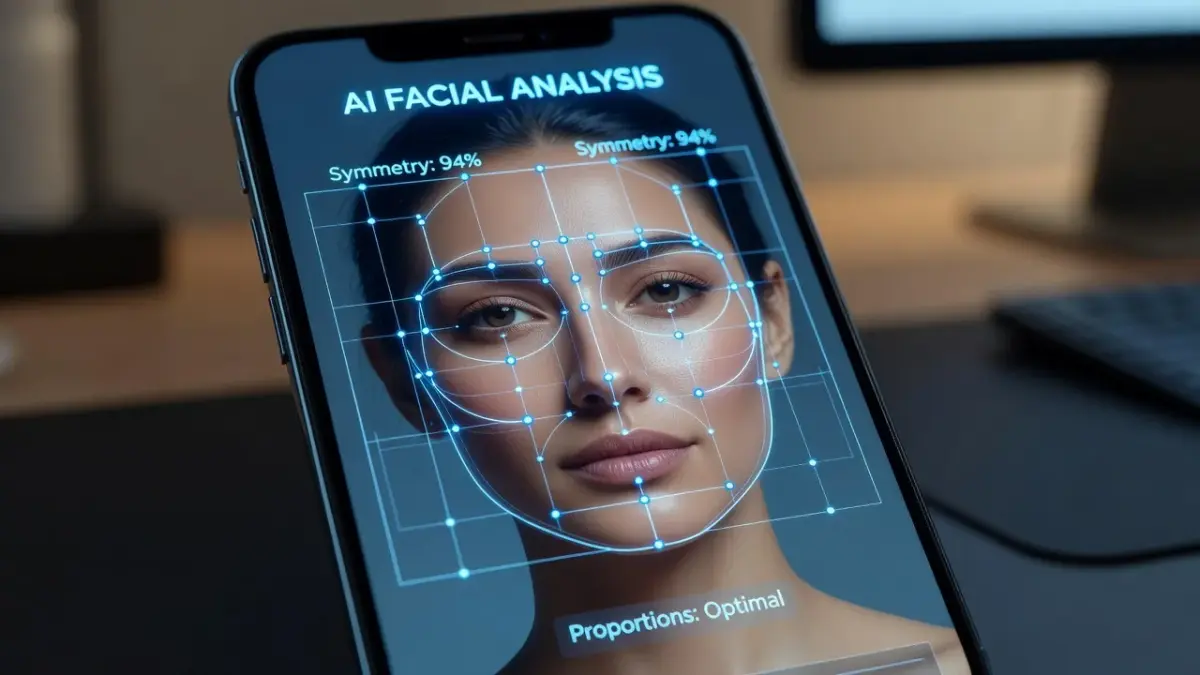
Using a software tool like Glow Up & Attractiveness Test provides an automated breakdown of your facial proportions directly from a phone selfie. For $9.99/week on iOS, the app scans key geometry parameters:
- Face symmetry and balance: Evaluates left-to-right alignment across your jaw, eyes, and cheekbones.
- Feature ratio analysis: Checks eye spacing, nose length, and philtrum proportion.
- Tailored glow up recommendations: Delivers concrete advice to improve skin clarity and style features effectively.
If you are analyzing your proportions, testing your symmetry with an objective face rating ai helps identify your best features without relying on artificial filter trends.
How are Asian beauty standards evolving in 2026?
Asian beauty standards in 2026 are shifting away from extreme physical modifications toward skin health, subtle facial balance, and natural individuality. Rigid requirements like ultra-skinny weight goals and harsh skin bleaches are losing ground to holistic wellness routines.
Several factors drive this rapid modern transformation:
- Rejection of extreme editing: Social media users are moving away from obvious digital filters, preferring natural skin texture over artificial smoothing.
- Regulatory bans on harsh chemicals: Governments across Southeast Asia have pulled harmful skin-bleaching ingredients off retail shelves.
- Focus on facial harmony: Instead of copying a specific celebrity's nose or jawline, people focus on balancing their existing natural face structure.
If you want to track your personal progress or find customized tips for your unique face shape, downloading the Glow Up & Attractiveness Test iOS app gives you personalized insights to help you look your absolute best.
Frequently Asked Questions
What is the ideal face shape in East Asia?
An oval or heart-shaped face with a slim jawline (often called a V-line) is considered the classic beauty ideal across South Korea, China, and Japan.
Why is fair skin preferred in many Asian countries?
Fair skin historically signified high social status, indicating that an individual did not have to perform manual labor outdoors under the sun.
What is the V-line jaw shape?
The V-line jaw shape refers to a slim, contoured lower jawline that tapers down to a narrow chin, creating an inverted triangle facial frame.
Is double eyelid surgery common in Asia?
Yes, double eyelid surgery (blepharoplasty) is one of the most common cosmetic procedures in East Asia, designed to create a visible crease in the upper eyelid.
What does Aegyo-sal mean in Korean beauty?
Aegyo-sal refers to the small roll of fat directly under the lower eyelashes, which creates a youthful, smiling appearance around the eyes.
How is Southeast Asian beauty standard different from East Asian?
Southeast Asian standards blend traditional preferences for fair skin with Western contouring, higher nose bridges, and warmer skin tone appreciation.
Are skin whitening products still popular in Asia in 2026?
Skin whitening products remain a large commercial market, though preferences are shifting toward brightening uneven pigmentation rather than altering natural skin shade.