
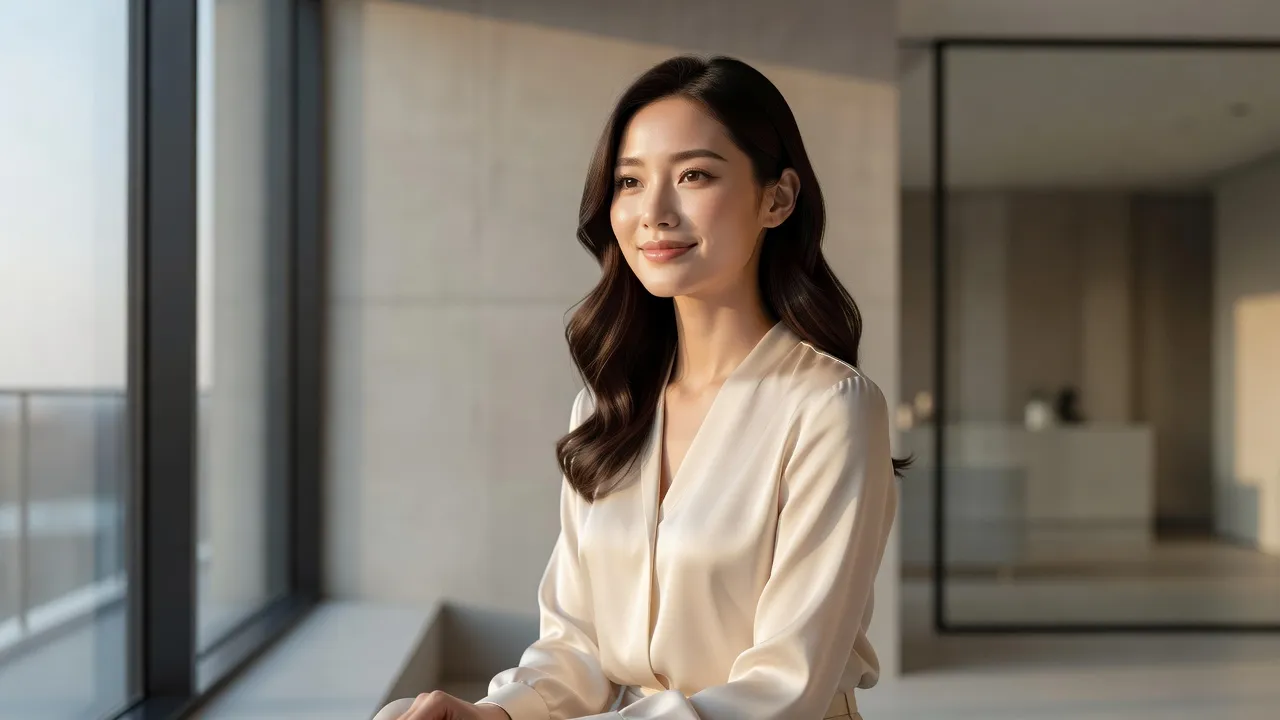
China beauty standards prioritize a slender frame, fair skin, a small V-shaped face, double eyelids, and a high nose bridge. Rooted in historical aesthetic ideals and amplified by social media algorithms, these preferences represent a cultural ideal centered on youthfulness, delicate proportions, and refinement. Understanding these expectations requires looking at both traditional history and rapid modern digital shifts.
In recent years, Chinese standards of beauty have experienced a noticeable pivot away from rigid, overly filtered looks toward more natural harmony. Historically, elite status in imperial court eras was associated with pale, unblemished skin and soft facial contours because manual field labor darkened the skin. Modern digital culture accelerated these ideals into intense online beauty challenges during the late 2010s, though consumer preferences in 2026 favor subtle enhancements over drastic plastic surgery.
Understanding your own facial symmetry and features against global ideals is now easier than ever with modern technology. Women looking to analyze their facial structure can use the Glow Up & Attractiveness Test to receive personalized AI face ratings and tailored grooming advice. This tool provides an accessible way to discover feature harmony without relying on extreme digital beauty filters.
What features are considered attractive in China?
In China, attractive facial features include a small V-shaped face, pale porcelain skin, double eyelids, a slender nose bridge, and large eyes. These distinct physical attributes are often summarized in popular culture through specific descriptive idioms and online aesthetic terms.
| Feature | Description & Aesthetic Ideal |
|---|---|
| Face Shape (鹅蛋脸 / 蛇精脸) | Soft egg shape or sharp V-line jawline with a delicate chin |
| Skin Tone (白皙肌肤) | Pale, smooth, luminous skin with zero blemishes |
| Eyes (双眼皮 & 卧蚕) | Double eyelids with a visible "lying silkworm" lower fold |
| Nose (高鼻梁) | High, slender nasal bridge with a small, refined tip |
| Body Frame (A4腰 & 纸片人) | Extremely slender torso, narrow shoulders, delicate frame |
What is the ideal face shape in Chinese culture?
The ideal face shape in China is the "goose egg face" (鹅蛋脸) or the sharp "V-line face" (V脸). A small face is considered a prerequisite for beauty because it creates the visual illusion of a taller, more balanced body proportion. While the hyper-pointed "snake face" (蛇精脸) dominated early livestreaming culture, contemporary preferences favor a softer jaw contour with smooth cheek transitions.
Why are double eyelids and big eyes so heavily emphasized?
Double eyelids (双眼皮) are favored because they make the eyes look larger, brighter, and more expressive. According to cultural analysis published by Daxue Consulting, almond-shaped eyes paired with a distinct eye fold are considered the ultimate symbol of youthful alertness. Another major eye feature is the wocan (卧蚕) or "lying silkworm," which is a small roll of natural fat right under the lower lash line that makes the face look friendly when smiling.
What role does skin tone play in overall attractiveness?
Fair, pale skin remains the absolute cornerstone of classic and contemporary Chinese beauty ideals. The ancient Chinese saying "white skin covers three flaws" (一白遮三丑) continues to drive consumer cosmetics purchases today. Rather than seeking a sun-kissed tan, most consumers aim for translucent, clear, and glowing skin.
What body shape is considered attractive in China?
The preferred female body shape in China focuses on extreme slimness, light limbs, and an overall delicate appearance. The aesthetic ideal of the "paper-thin person" (纸片人) led to viral social media challenges, including holding an A4 sheet of paper vertically to hide one's waistline. However, current trends in 2026 are slowly shifting away from pure weight loss toward lean athletic tone and healthy posture.
How do people in China achieve these beauty standards?
People in China achieve these physical standards using a combination of cosmetic surgery, non-invasive injectable treatments, medical skincare routines, and digital photo editing. The medical aesthetics market in China has expanded rapidly, moving from major surgeries toward subtle non-surgical tweaks.
| Goal | Primary Medical Procedure | Non-Surgical Alternative | Historical Context |
|---|---|---|---|
| Glow Up & Attractiveness Test | Personal AI facial analysis | Selfie rating & tailored tips | Modern digital feature self-assessment |
| V-Line Jawline | Bone shaving (mandibular angle reduction) | Masseter Botox injections | Soft oval facial shapes in classical painting |
| Double Eyelids | Incisional blepharoplasty | Eyelid tape / glue | 20th-century aesthetic shifts |
| High Nose Bridge | Rhinoplasty with cartilage or silicone implants | Hyaluronic acid filler injections | Traditional preference for sharp facial centers |
| Porcelain Skin | Laser resurfacing treatments | Glutathione IVs & topical niacinamide | Imperial court rice powder application |
What are the most popular cosmetic surgeries in China?
Double eyelid surgery (blepharoplasty) and nasal augmentation (rhinoplasty) are the most commonly performed plastic surgeries in China. Jaw shaving, which alters the bone structure of the mandible to create a chin apex, was popular for years but is now less frequent due to longer recovery times and severe surgical risks. Modern patients prefer soft tissue adjustments or facial fat grafting to plump out the temples and forehead.
How popular are non-invasive procedures like fillers and Botox?
Injectable treatments like Botox, hyaluronic acid fillers, and skin boosters account for the vast majority of aesthetic clinic visits. Botox is routinely injected into the masseter muscles along the jawline to slim down rounded faces without surgery. Hyaluronic acid is frequently injected into the nose bridge, chin tip, and forehead to create a dimensional central face structure.
How do women use AI and mobile tools to refine their look?
Mobile applications allow women to map out facial improvements before visiting a clinic or changing their makeup style. By uploading a single photo to the Glow Up & Attractiveness Test, users get detailed facial insights and step-by-step guidance on how to highlight their strong traits. This approach helps people set realistic goals rather than trying to copy extreme, unattainable internet filters.
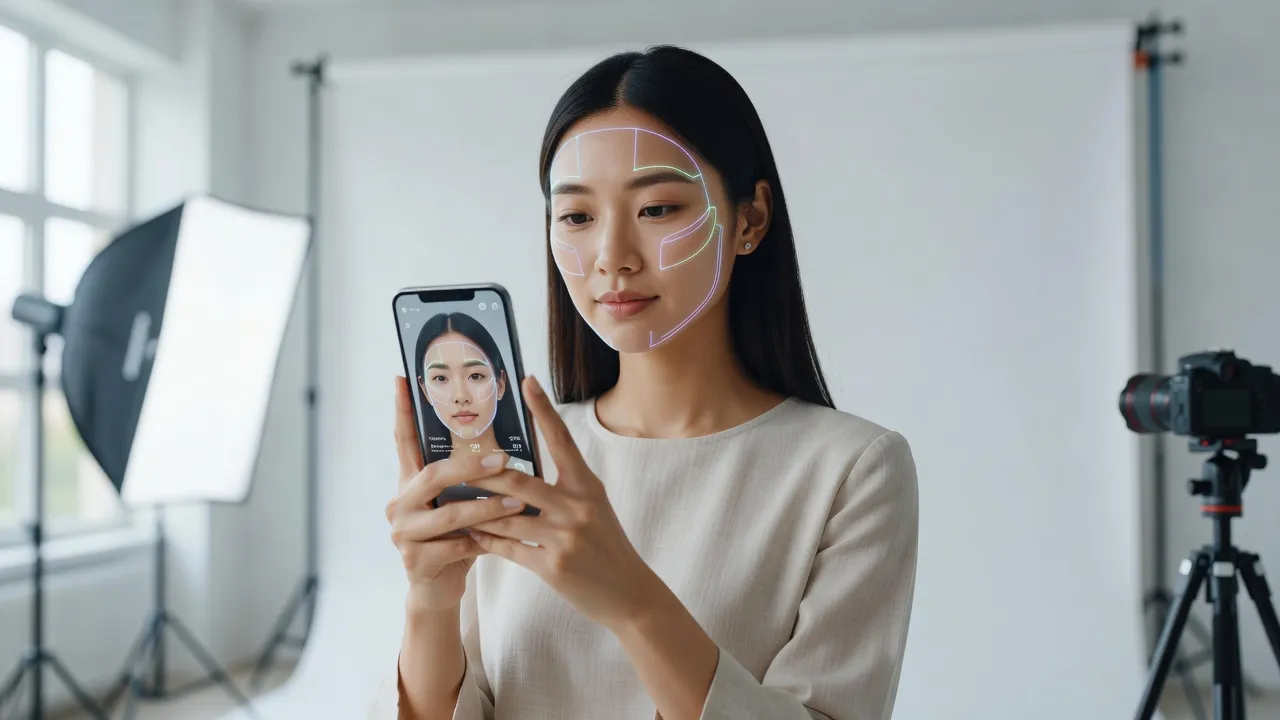
How do Xiaohongshu, Douyin, and KOLs influence beauty trends in China?
Social media apps like Xiaohongshu (RED) and Douyin influence Chinese beauty standards by rapidly creating, testing, and spreading viral aesthetic micro-trends. Key Opinion Leaders (KOLs) test specialized makeup routines and share immediate product reviews with millions of active followers.
- Micro-Trend Creation: Xiaohongshu acts as the primary visual search engine in China, where trends like "Maosheng-gan" (wild hair density and lush brows) or "Crabapple blush" gain instant traction.
- Filter Standardization: Douyin and camera applications like Meitu feature face-shaping filters that automatically narrow jawlines and enlarge eyes during livestreams, setting a virtual baseline for daily looks.
- KOL Educational Content: Content creators post granular makeup tutorials teaching viewers how to fake a high nose bridge or create a wocan eye fold using shadow pencils.
- Algorithmic Reinforcement: Recommendation algorithms show users content that reinforces specific aesthetic proportions, encouraging immediate purchases through integrated e-commerce links.
Industry reporting from Jing Daily highlights that micro-trends on Xiaohongshu now evolve in weeks rather than years. Older static beauty benchmarks have been replaced by playful, seasonal makeup styles. Consumers frequently compare these fast-paced domestic developments with regional beauty shifts, such as korean standards of beauty, to craft personalized everyday routines.
What regulations exist in China on cosmetic surgery safety and aesthetics advertising?
China enforces strict regulations on cosmetic surgery through the State Administration for Market Regulation (SAMR) and National Medical Products Administration (NMPA) to target illegal clinics and deceptive advertising. Government oversight has intensified in recent years to protect consumers from unsafe medical procedures and aggressive marketing.
| Regulation Objective | Enforcement Actions & Standards |
|---|---|
| Crackdown on Unlicensed Clinics | Mandatory digital licensing checks and heavy fines for illegal underground operating spaces |
| Ban on Anxiety-Driven Advertising | Prohibitions on ads that label natural features as ugly or tie physical appearance directly to career success |
| Injectable Product Verification | Strict NMPA approval requirements for fillers, Botox, and medical skincare devices |
| Medical Influencer Restrictions | Banning non-certified creators from giving professional medical aesthetics advice |
As reported by Reuters, national regulatory sweeps hit predatory medical aesthetics platforms hard between 2021 and 2025. Today, clinics are prohibited from using exaggerated before-and-after imagery that creates body anxiety among teens. Influencers are also banned from giving direct medical or surgical advice without holding verified clinical credentials.
These regulatory policies have cleaned up the market and reduced surgical horror stories. Consumers are encouraged to research clinic registrations thoroughly before committing to any invasive procedures.
How does Korean influence compare to local trends in China's beauty standards?
Korean beauty trends emphasize ultra-dewy "glass skin" and soft features, whereas modern Chinese trends favor higher contrast, sharp features, and dramatic lip colors. While K-beauty held huge influence across East Asia throughout the 2010s, domestic Chinese trends have built an independent aesthetic identity.
| Feature | Korean Beauty Style | Chinese Beauty Style (新中式) |
|---|---|---|
| Skin Finish | Dewy, wet-look glass skin | Semi-matte, porcelain skin |
| Eye Makeup | Soft puppy eyes, straight brows | Defined brows, fox eyes |
| Lip Color | Gradient tint, soft coral/pink | Bold, full red lip |
| Overall Contour | Soft, rounded, youthful harmony | Sculpted, high-contrast |
What is the "Xin Zhongshi" (New Chinese Style) aesthetic?
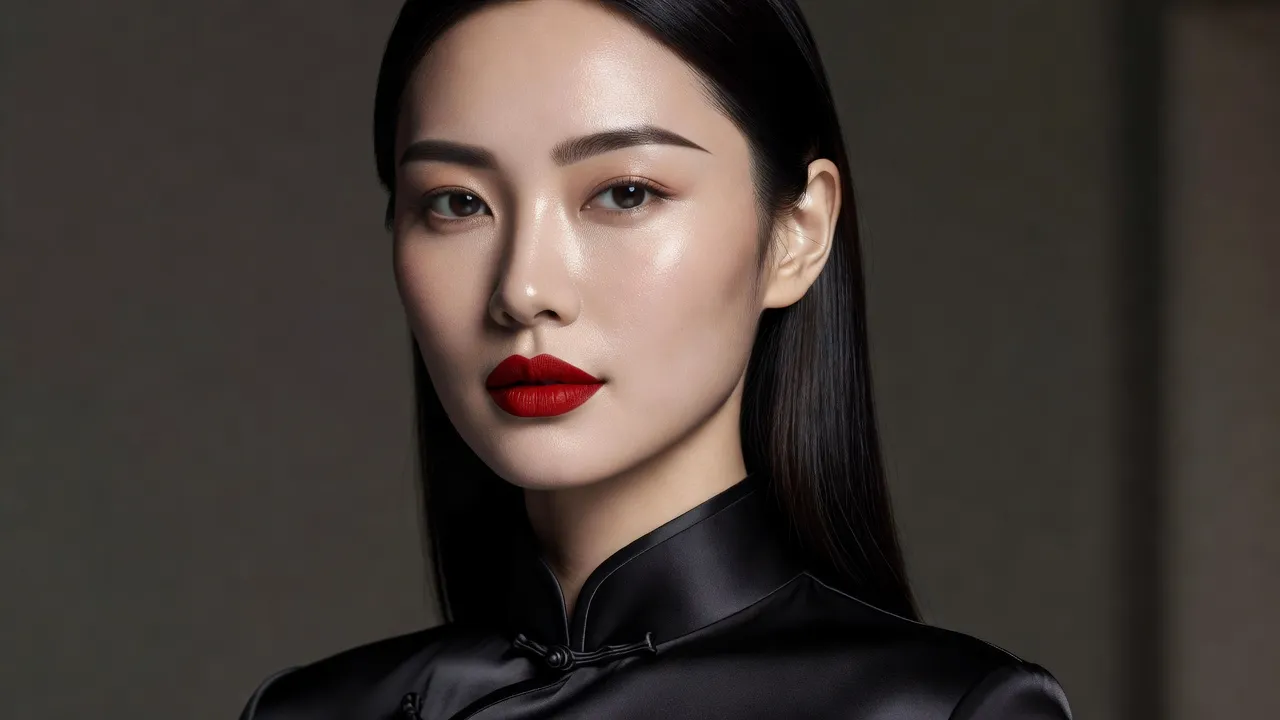
The "Xin Zhongshi" (新中式) aesthetic is a modern beauty trend that combines classical Chinese makeup elements with contemporary sharp lines. This style typically pairs fair semi-matte skin with dark, defined eyebrows, rich red lipsticks, and dramatic eye contouring. It deliberately moves away from the softer, muted color palettes common in Korean media.
Why is "Guochao" changing aesthetic preferences?
The "Guochao" (国潮) movement, or national pride trend, has led Chinese youth to embrace uniquely cultural traits rather than copying Western or K-pop aesthetics. Instead of seeking soft, generic K-pop faces, consumers are leaning into features that look distinctly Chinese, such as elongated eyes and elegant necklines. This dynamic reflects broader changes seen in standards of beauty around the world, where localized pride often replaces uniform international benchmarks.
What is the trend of skin whitening versus tanning in China?
Skin whitening remains the heavily dominant commercial preference in China, while sun tanning is actively avoided by the majority of the population. Sun avoidance is driven by both aesthetic preferences for fair skin and a desire to prevent long-term sun damage and premature aging.
| Sun Protection Apparatus in China | |
|---|---|
| Physical Sun Blockers | Chemical Skincare |
| Facekinis (全脸防晒面罩) | Niacinamide Serums |
| UV-Blocking Visors & Hats | Arbutin & Vitamin C |
| UPF 50+ Long Sleeve Jackets | Tranexamic Acid |
| UV-Rated Umbrellas (遮阳伞) |
How do people protect their skin from tanning in China?
People in China protect their skin using extensive physical UV barriers, such as UPF 50+ sun jackets, UV umbrellas, facekinis, and long gloves. During summer months, it is routine to see women fully covered from head to toe in sun-protective garments while outdoors. Sunscreen creams are treated as a basic baseline, with physical clothing acting as the main line of defense.
Is tanning becoming popular among younger generations?
Tanning has gained a small niche following among urban fitness enthusiasts, but it remains an outlier style. A small group of urbanites favor wheat-colored or bronze skin (小麦色) as a symbol of an active, outdoor lifestyle. However, mainstream retail skincare, advertising campaigns, and media casting overwhelmingly feature porcelain skin tones. Comparing these habits to american beauty standards shows a stark contrast, as Western markets frequently associate deep tans with wealth and leisure vacations.
How to assess and celebrate your natural features
Assessing your face requires focusing on structural harmony, skin clarity, and feature balance rather than forcing your look into a single cultural box. Rather than trying to change your natural bone structure to fit rigid templates, modern beauty principles encourage enhancing your existing features.
- Analyze your face shape: Identify whether your face leans oval, round, square, or heart-shaped to pick the most flattering haircut and makeup placement.
- Focus on skin clarity: Prioritize barrier repair, consistent hydration, and sun protection over harsh skin bleaching treatments.
- Enhance feature contrast: Use subtle eyebrow shaping and lip colors that match your natural undertones to build depth without heavy coverage.
- Embrace digital face rating tools: Try the Glow Up & Attractiveness Test to get an objective breakdown of your facial proportions, symmetry, and glow up potential.
Learning how your features work together allows you to build a confidence-driven grooming routine. Tailoring your style to your personal structure always delivers better results than blindly following short-lived internet trends.
Frequently Asked Questions
What are the main beauty standards in China?
China beauty standards prioritize fair porcelain skin, a small V-shaped face, double eyelids, a high nose bridge, and a slender body frame.
What is the ideal face shape in Chinese beauty standards?
The ideal face shape is the goose egg face (鹅蛋脸) or a soft V-line face (V脸), characterized by a slender jawline and a small overall size.
Why is fair skin preferred in China?
Fair skin has deep historical roots in China, where pale skin traditionally signified higher social status and immunity from outdoor manual labor.
What cosmetic surgeries are most popular in China?
Double eyelid surgery (blepharoplasty) and nose bridge augmentation (rhinoplasty) are the two most popular cosmetic surgeries performed in China.
What is the "lying silkworm" (wocan) under the eyes?
The lying silkworm (wocan) is a small roll of natural skin and fat directly under the lower lashes that makes the eyes look friendly and cheerful when smiling.
How are social media apps changing beauty trends in China?
Apps like Xiaohongshu and Douyin accelerate viral makeup trends, introduce face-shaping camera filters, and spread aesthetic challenges driven by Key Opinion Leaders.
Is tanning gaining popularity in China?
Tanning has a small niche presence among urban fitness enthusiasts, but fair skin remains the overwhelming mainstream preference in China.
What is the Xin Zhongshi (New Chinese Style) makeup trend?
Xin Zhongshi is a modern Chinese makeup style that pairs semi-matte porcelain skin with sharp eyebrows, elongated eye makeup, and bold red lipstick.