
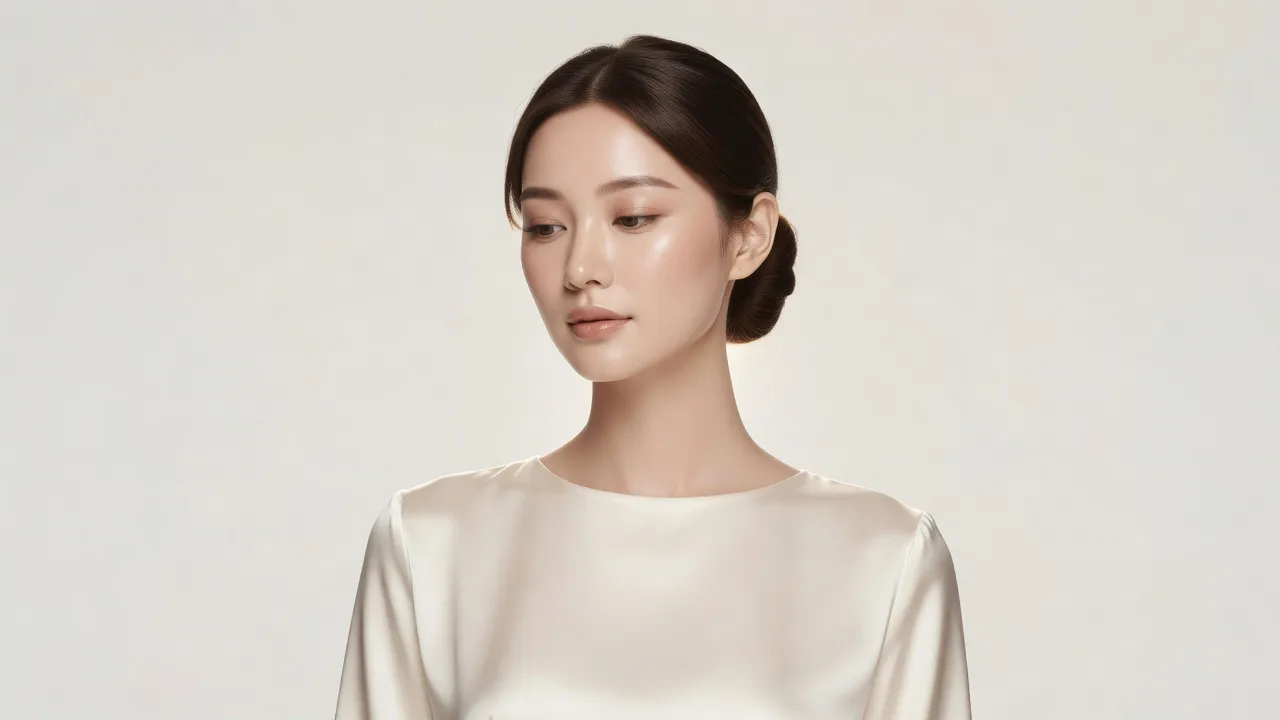
Korean standards of beauty are a strict set of physical preferences emphasizing clear glass skin, a V-shaped jawline, double eyelids, a high nasal bridge, and a slim figure. Rooted in historical cultural values and heavily amplified by modern media, these ideals prioritize symmetry, youthfulness, and delicate facial features.
Understanding how these aesthetic benchmarks developed helps explain why aesthetic culture in East Asia looks the way it does today. If you want to check how your own facial features align with balance metrics, you can run an objective attractiveness test using tools like the Glow Up & Attractiveness Test app to analyze your facial symmetry and proportions instantly.
What are the core facial and body features in Korean beauty standards?
The primary facial features in South Korean beauty ideals include pale "glass skin," double eyelids, a V-shaped chin, straight eyebrows, and a high nose bridge. These traits work together to create a youthful, delicate appearance often described as innocent or fresh.
In South Korea, physical traits are analyzed down to precise proportions and structural ratios:
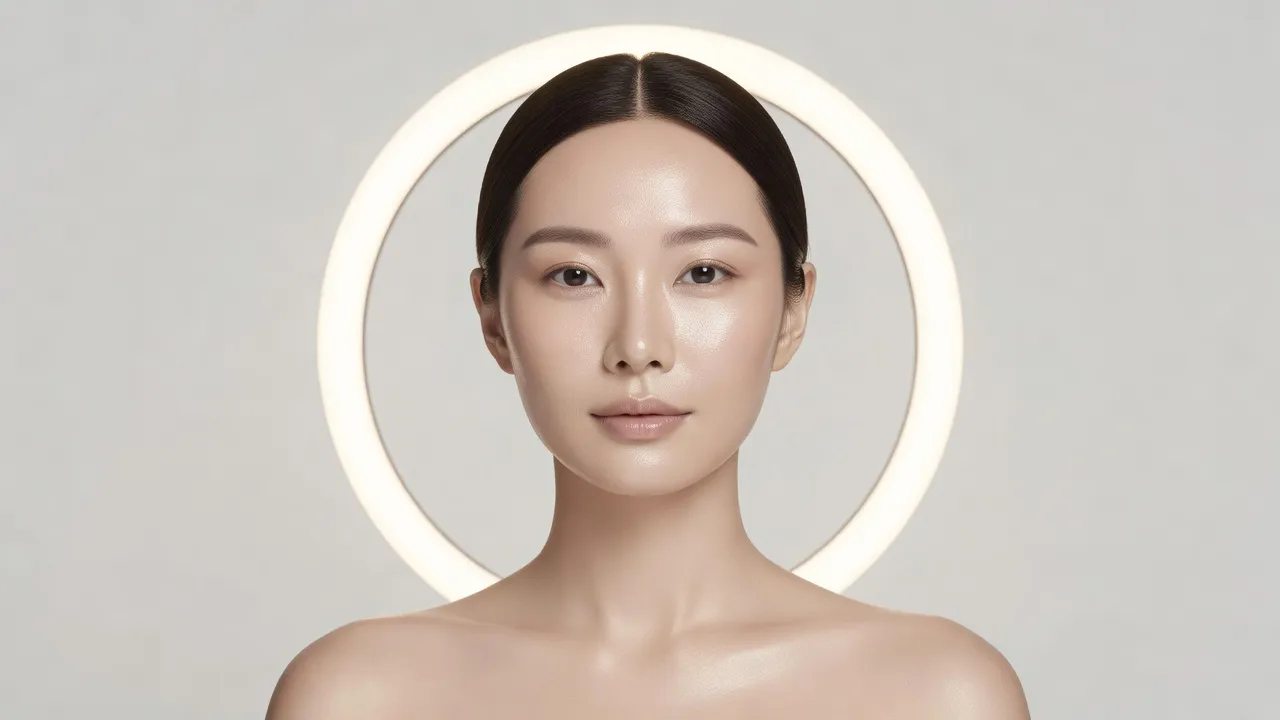
- Glass skin (Yuri Skin): Skin that appears deeply hydrated, poreless, and completely clear of blemishes or hyperpigmentation.
- V-line jaw: A slim, contoured lower face shape with a pointed chin and soft jaw angles.
- Aegyo-sal: The small pocket of fat under the lower eye line that creates a cheerful, smiling expression even when resting.
- Double eyelids (Ssanggupul): A defined crease above the eye that makes the eyes look wider and larger.
- Small face and 1:8 body ratio: A small face structure paired with a body where total height equals roughly eight times the length of the head.
Body shape standards are equally explicit. A lean, slender frame with a small waist and long legs remains the dominant ideal for women, while hyper-muscular builds are generally less favored than lean athleticism.
What are the historical origins of Korean beauty standards, including Confucianism and the Joseon dynasty?
Historical Korean beauty standards originated during the Joseon Dynasty (1392-1910), where Neo-Confucian philosophy linked unblemished skin and modest facial features with moral purity and self-discipline. External appearance was viewed as a direct reflection of an individual's internal virtue and familial respect.
During the Joseon era, upper-class women (yangban) practiced minimal makeup routines designed to highlight natural cleanliness rather than artificial color. The historical text Joseon Dynasty records on Wikipedia note that societal etiquette strictly frowned upon excessive cosmetic ornamentation.
Instead, women used natural ingredients like rice water for skin brightening, sesame oil for hair shine, and ground beans as facial cleansers. Pale, clear skin signaled that a person was wealthy enough to avoid manual labor under the sun, establishing a social class preference for fair skin that persists today.
How did Western influence and Japanese colonialism shape Korean beauty standards?
Western influence during the post-Korean War period and media exposure introduced preferences for prominent nose bridges and double eyelids, building on earlier social shifts from the Japanese colonial era. These foreign contact points altered how Koreans viewed facial volume and feature prominence.
During the Japanese colonial period (1910-1945), Western cosmetics and hair trends entered Korean cities through Tokyo. However, the most significant structural change happened during the Korean War in the 1950s. American military doctors introduced plastic surgery techniques to South Korea.
A report published by the National Institutes of Health documents how Dr. Ralph Millard developed early double eyelid surgery techniques in Seoul during the 1950s. What began as reconstructive work for war wounds quickly adapted into cosmetic procedures designed to modify monolid eyes, creating a lasting hybrid ideal that combines East Asian facial structures with Western feature dimensions.
What role do K-pop and K-dramas play in shaping South Korean beauty ideals?
K-pop idols and K-drama actors act as the primary global visual benchmarks for South Korean beauty standards by displaying idealized facial symmetry, clear skin, and slim body figures across media platforms. Entertainment agencies actively select and groom performers to match these exact physical criteria.
The rise of the Korean Wave (Hallyu) exported these aesthetic standards across Asia and into Western markets. K-pop agencies enforce strict appearance guidelines on trainees, including weight monitoring and skin maintenance schedules.
+------------------------+------------------------------------+------------------------------------+
| Feature Focus          | Traditional Joseon Ideal           | Modern Korean Media Ideal (2026)   |
+------------------------+------------------------------------+------------------------------------+
| Skin Tone & Texture    | Naturally fair, clean, unblemished | Luminous, poreless "glass skin"    |
| Eye Shape              | Natural monolid, soft expression   | Wide double eyelid with aegyo-sal  |
| Jawline Structure      | Soft, rounded chin                 | Sharp, contoured V-line chin       |
| Nose Profile           | Modest, soft bridge                | High, defined nasal bridge         |
| Facial Proportion      | Balanced, oval face shape          | Ultra-small head, 1:8 body ratio   |
+------------------------+------------------------------------+------------------------------------+
Media stars showcase skin management routines and cosmetic styles that fans worldwide attempt to imitate. Women exploring modern aesthetic techniques often turn to contemporary guides on looksmaxxing for women to understand how facial proportions, skin texture, and grooming choices work together.
What are the plastic surgery rates and statistics in South Korea?
South Korea has one of the highest per capita rates of cosmetic procedures in the world, with industry data showing that roughly one in three young South Korean women has undergone an aesthetic procedure. Cosmetic enhancements are widely treated as practical investments in social and professional success.
According to global research from the International Society of Aesthetic Plastic Surgery, South Korea consistently ranks among the top international destinations for both surgical and non-surgical treatments.
The most requested procedures in Seoul clinics include:
- Blepharoplasty (Double Eyelid Surgery): Adding a defined upper eyelid crease to widen the eyes.
- Rhinoplasty: Elevating the bridge and refining the nose tip.
- V-line Jaw Surgery (Genioplasty/Mandibuloplasty): Shaving jaw bones to create a slender chin.
- Dermal Fillers and Botox: Creating aegyo-sal pockets, smoothing forehead lines, and sliming masseter muscles.
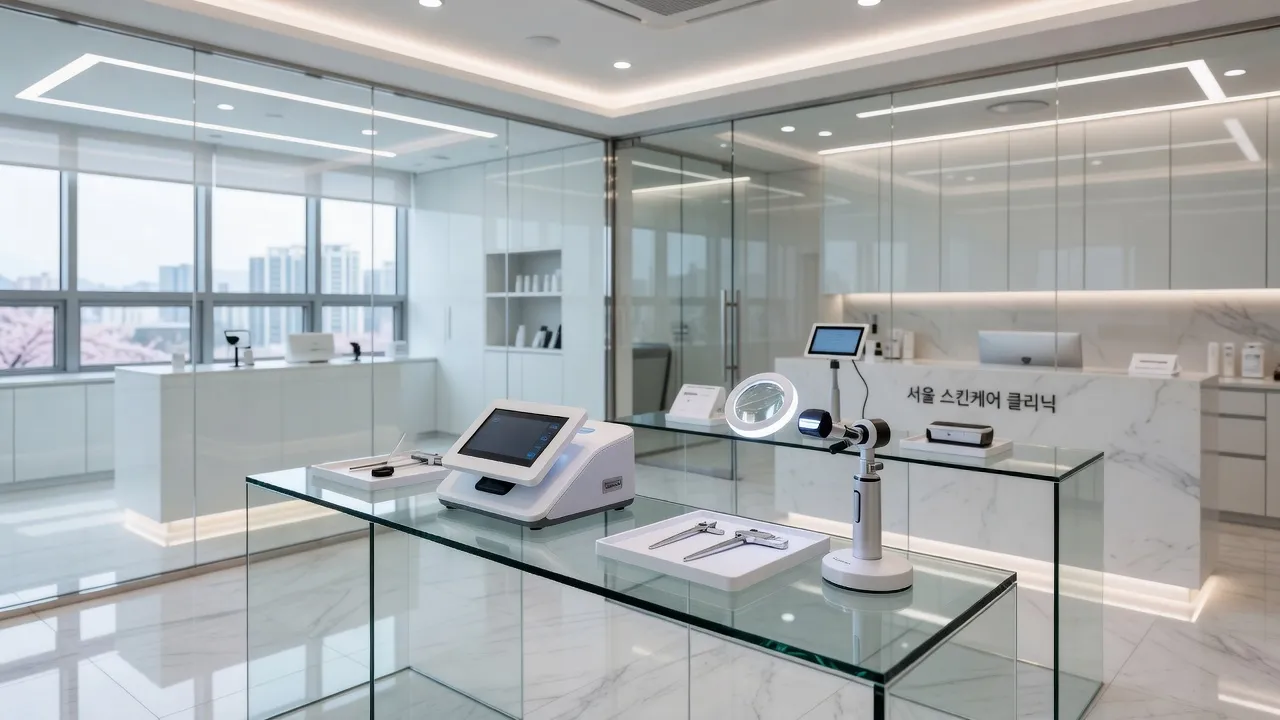
In major commercial hubs like Gangnam, medical tourism brings hundreds of thousands of international patients annually, solidifying Seoul as a global center for cosmetic technology.
What are the male beauty standards in South Korea?
Male beauty standards in South Korea center on the kkotminnam (flower boy) aesthetic, combining clear skin, sharp jawlines, stylish hair, and lean athleticism. Unlike traditional Western ideals that heavily prioritize rugged masculinity, South Korean culture embraces polished grooming for men.
Korean men represent the largest per capita consumers of male skincare globally. Daily sun protection, BB cream application, and eyebrow shaping are routine habits for many young men in urban areas like Seoul.
Male grooming expectations focus on three primary pillars:
- Impeccable Skin: Clear, hydrated skin without visible blemishes or razor burn.
- Sharp Features: A defined jawline paired with styled, full hair.
- Fashion and Fit: Tailored clothing worn over a toned, athletic frame rather than a bulky physique.
This emphasis on male grooming has softened rigid gender norms around cosmetics, making personal upkeep an expected trait for both men and women.
Are Korean beauty standards changing toward diversity and body positivity?
As of August 2026, South Korean beauty standards are experiencing a gradual shift, driven by feminist movements like "Escape the Corset" and broader online discussions about body acceptance. Younger generations are challenging rigid expectations around extreme weight loss and mandatory daily cosmetic use.
The "Escape the Corset" (Tal-corset) movement emerged online as women publicly destroyed cosmetics, cut their hair short, and rejected daily multi-step makeup routines. While strict visual ideals remain powerful in mainstream media, several notable shifts have taken hold:
- Focus on Barrier Health over Whitening: Skin care trends checked in August 2026 show a transition away from harsh skin-bleaching products toward soothing barrier repair and natural tone acceptance.
- Broader Face Shape Acceptance: Rounder face shapes and natural monolid eye shapes are gaining greater representation in indie media and fashion modeling.
- Critique of Extreme Diet Culture: Public backlash against extreme idol diets has encouraged healthier approaches to nutrition and fitness.
These changes indicate that while South Korea's cosmetic industry remains massive, public compliance with a single narrow ideal is no longer absolute.
How can you evaluate your facial harmony without extreme pressure?
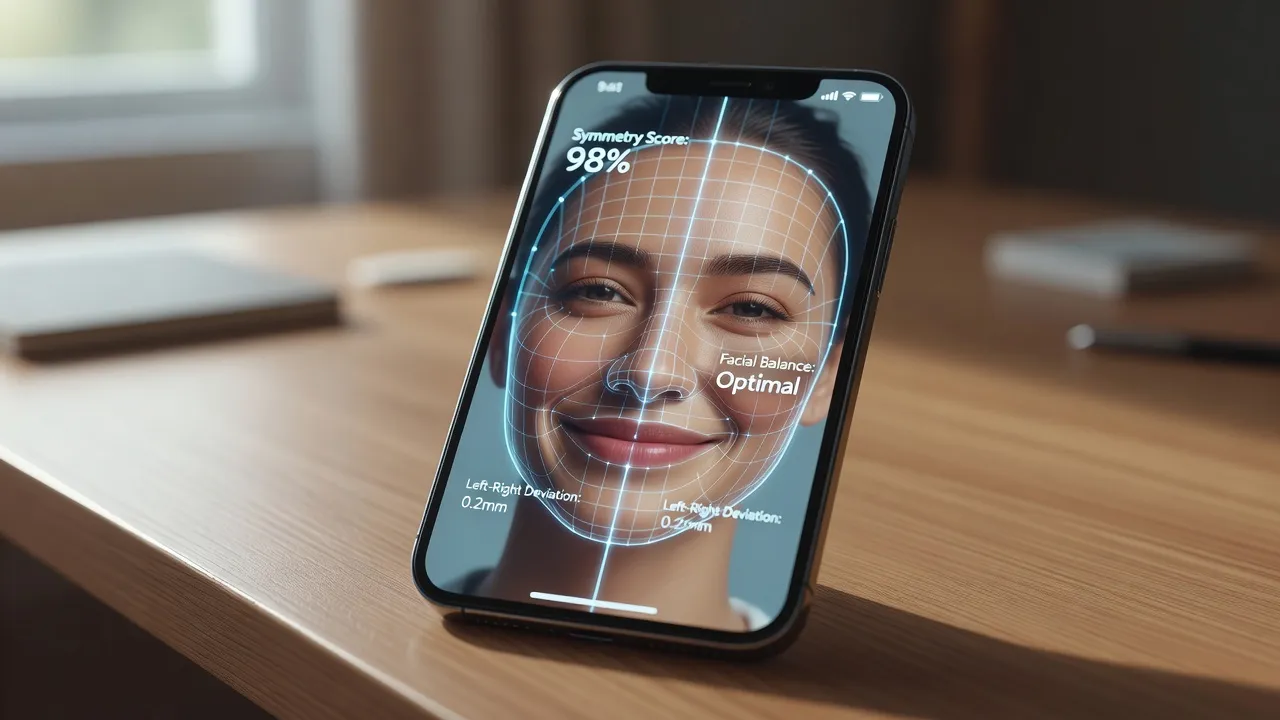
Evaluating facial harmony involves measuring structural symmetry, feature spacing, and facial thirds rather than trying to fit a rigid cultural template. Understanding your natural baseline helps you make informed grooming choices that highlight your best traits.
If you are curious about how your features measure up on standard facial proportion scales, you can test your symmetry with an AI am i pretty ai tool. Using the Glow Up & Attractiveness Test app lets you snap a single selfie to receive a detailed breakdown of your facial balance, skin clarity, and personalized tips for your face shape.
+---------------------------------+-----------------------------------+-----------------------------------+
| Evaluation Method               | What It Measures                  | Primary Advantage                 |
+---------------------------------+-----------------------------------+-----------------------------------+
| Glow Up & Attractiveness Test   | AI facial symmetry & proportions  | Instant, objective analysis       |
| Manual Facial Thirds Ratio      | Forehead, nose, and chin balance  | Free self-assessment at home      |
| Dermatological Skin Scan        | Hydration, pigment, barrier health| Clinical health diagnostic        |
+---------------------------------+-----------------------------------+-----------------------------------+
Instead of undergoing invasive changes to chase a specific trend, modern digital analysis helps you work with your natural geometry to improve your look comfortably.
How do South Korean beauty standards compare to Western beauty ideals?
While Western beauty ideals emphasize sun-kissed skin, full lips, defined cheekbones, and hourglass body curves, Korean beauty standards prioritize fair glass skin, delicate facial features, and a slender frame. The underlying focus differs between athletic maturity in the West and youthful softness in Korea.
Key differences between the two visual systems include:
- Complexion: Western trends often favor tanned skin; Korean standards emphasize pale, radiant, unblemished skin.
- Lip Proportions: Plump, full lips dominate Western aesthetic preferences; Korean styles lean toward soft, gradient lip shades that make the mouth look delicate.
- Facial Contours: Western makeup uses heavy contouring to highlight sharp cheekbones; Korean makeup uses soft blush and highlighters to create rounded, youthful volume.
- Eye Style: Western eye makeup often features dark "cat-eye" eyeliner angled upward; Korean eye makeup favors "puppy eyes" angled slightly downward to look friendly and approachable.
Frequently Asked Questions
What is glass skin in Korean beauty?
Glass skin refers to a clear, intensely hydrated, and smooth complexion that looks luminous and reflective, similar to a clean sheet of glass. It is achieved through multi-step skincare routines emphasizing hydration and barrier protection.
What is the V-line face shape?
A V-line face shape refers to a slim lower facial contour where the jaw curves smoothly downward into a narrow, pointed chin. It is a highly sought-after facial structure in East Asian aesthetic ideals.
Why are double eyelids so popular in South Korea?
Double eyelids are popular because they create a defined fold above the eye, making the eyes look wider and more open. Blepharoplasty is one of the most common cosmetic procedures performed in the country.
What does Aegyo-sal mean?
Aegyo-sal refers to the small band of subcutaneous fat located directly under the lower eyelid. Unlike dark circles or eye bags, aegyo-sal is viewed as an attractive feature that gives the face a youthful, smiling appearance.
What is the 1:8 head-to-body ratio?
The 1:8 body ratio is an aesthetic standard where a person's total height is equal to eight times the vertical length of their head. This proportion creates the appearance of longer legs and a small, balanced face.
Do Korean men use makeup?
Yes, many men in South Korea use basic cosmetics such as BB creams, concealers, and eyebrow pencils as part of daily personal grooming. Skincare and subtle makeup are widely accepted for men in professional and social settings.
What is the Escape the Corset movement?
The Escape the Corset movement is a South Korean feminist movement where women challenge strict social appearance standards by cutting their hair short, destroying cosmetics, and rejecting mandatory multi-step beauty routines.