

Beauty standards in Thailand prioritize pale skin, a slender physique, a prominent nose bridge, and a narrow V-shaped facial structure. This aesthetic blend stems from historical socio-economic class markers, heavy East Asian media consumption, and the long-standing prominence of Eurasian (luk kreung) actors in Thai entertainment. While traditional preferences for fair skin remain powerful, shifting cultural conversations in 2026 are expanding acceptance toward diverse skin tones and natural features.
To understand aesthetic ideals across Southeast Asia, comparing regional shifts in Asia Beauty Standards Explained helps contextualize how Thailand balances local traditions with globalized trends.
Historical class distinctions tied fair skin to indoor aristocracy. This flows into the modern Thai beauty ideal.
The modern Thai beauty ideal incorporates two influences:
| K-Beauty Influence | Western / Luk Kreung |
|---|---|
| Dewy "glass skin" | High, defined nasal bridge |
| Soft, straight eyebrows | Sharp facial angles |
| Petite V-shaped chin | Almond-shaped double eyelids |
The modern Thai beauty ideal flows into evolving 2026 shifts toward sun-kissed tones and natural skin texture.
What defines traditional versus modern Thai beauty standards?
Traditional Thai beauty historically valued light skin, soft features, and delicate posture as indicators of nobility and freedom from manual labor. Historically, field laborers developed tanned complexions under the tropical sun, while royal court members remained indoors, making pale skin an immediate marker of high social status.
In the modern era, these preferences expanded into specific facial proportions. Today, the ideal Thai face combines East Asian softness with Western structural definition. The most coveted features include:
- Complexion: Fair, clear, and radiant skin free from hyperpigmentation or blemishes.
- Facial Shape: A slim, oval, or heart-shaped face with a sharp V-line jawline.
- Nose Shape: A narrow, elevated nose bridge with a small, neatly contoured tip.
- Eyes: Double eyelids with wide, expressive pupils, often enhanced by subtle cosmetic adjustments.
What many people get wrong about Thai aesthetics is assuming it is purely a copy of Western standards. It is actually a hybrid ideal. Thai pop culture blends soft Korean makeup techniques with the dramatic structural contours favoured by mixed-race media figures.

Is Thailand shifting away from skin whitening and fair skin preference?
Thailand is gradually shifting toward accepting natural skin tones, though skin-lightening products still command a multi-million dollar market. For decades, topical creams, intravenous glutathione drips, and whitening soaps dominated convenience store shelves across the country.
The preference for light skin runs deep, but public pushback against aggressive whitening advertisements has gained momentum. Body positivity campaigns, alongside the popularity of darker-skinned Thai pageant winners and actors, have helped normalize sun-kissed and brown skin (daeng dam or phaew thong).
The World Health Organization has repeatedly warned against unregulated skin-lightening cosmetics containing toxic ingredients like mercury and hydroquinone. As consumer awareness grows in 2026, major cosmetics brands in Bangkok are rebranding their lines from "whitening" to "brightening," "radiant," and "glow-enhancing."
| Traditional Marketplace | 2026 Beauty Shift |
|---|---|
| Harsh Bleaching Creams | Barrier-Repair Creams |
| Intravenous Whitening | Broad-Spectrum Sunscreen |
| "Pale at All Costs" | Dewy "Melanin-Rich" Glow |
Despite this progress, systemic colorism persists. What costs consumers the most is not just the financial strain of continuous whitening treatments, but the physical skin barrier damage caused by harsh exfoliating acids used without proper sun protection.
How has K-pop/K-beauty influenced beauty standards in Thailand?
K-pop and Korean cosmetics have reshaped Thai beauty standards by popularizing the dewy "glass skin" look, straight eyebrows, and soft facial contouring. The massive regional popularity of Korean entertainment has made Seoul the primary reference point for youthful aesthetics in Bangkok.
Thai youth have embraced K-beauty principles, trading heavy matte foundations for lightweight cushion compacts and hydrating serums. To see how these ideals compare across borders, explore our breakdown of Korean Standards of Beauty.
Key Korean elements integrated into modern Thai routines include:
- Dewy Base Makeup: Using luminous primers to mimic a moisture-rich skin barrier.
- Gradient Lips: Applying tint to the center of the lips to create a soft, bitten effect.
- Straight Eyebrows: Filling brows with soft powders to reduce harsh angles and create a youthful expression.
- Soft-Focus Blush: Placing blush high on the cheekbones to lift the center of the face.
Thai K-pop mega-stars have further cemented this cross-cultural exchange. Their ability to blend East Asian polish with Southeast Asian features offers a powerful template for young consumers analyzing their own facial balance.
What are the most popular cosmetic plastic surgery procedures in Thailand?
Rhinoplasty and double eyelid surgery (blepharoplasty) are the most frequently performed cosmetic surgeries in Thailand. Bangkok has become a global hub for medical tourism, offering advanced surgical procedures at competitive price points.
According to global cosmetic surgery data compiled by the International Society of Aesthetic Plastic Surgery, facial procedures make up the largest share of aesthetic operations across Asian clinics.
| Procedure | Primary Aesthetic Goal | Average Cost in USD (2026) | Typical Recovery Time |
|---|---|---|---|
| Rhinoplasty (Silicone Implant) | Elevate nasal bridge and refine tip | $800 - $2,500 | 7 - 14 days |
| Double Eyelid Surgery | Create a distinct upper eyelid crease | $600 - $1,800 | 5 - 7 days |
| V-Line Jaw Contouring | Taper wide jaw angles into a heart shape | $2,500 - $5,500 | 2 - 4 weeks |
| Chin Augmentation (Filler or Implant) | Lengthen a recessed chin for balance | $500 - $2,000 | 3 - 10 days |
| Submental Liposuction | Eliminate double chin fat for a sharp neck angle | $1,000 - $2,200 | 7 days |
Surgical choices are moving away from overly dramatic, rigid silicone nose implants toward softer, custom-carved implants combined with autologous ear cartilage. Patients are prioritizing facial harmony over single exaggerated features.
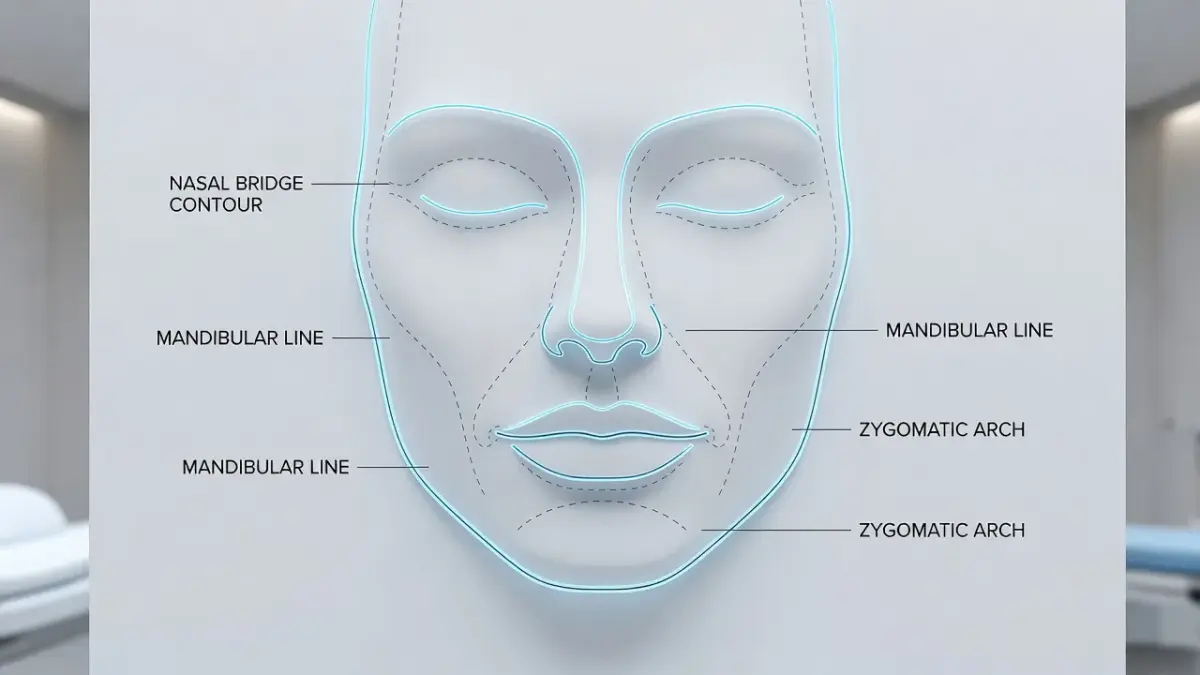
How has Western beauty influenced Thai beauty preferences?
Western beauty standards influenced Thailand primarily through the media dominance of luk kreung (Eurasian) celebrities, introducing high nose bridges and sharp jawlines to the national ideal.
As detailed in Wikipedia's entry on Luk kreung, individuals of mixed Thai and European ancestry have held disproportionate representation in Thai television, film, and fashion modeling since the late 20th century. This media exposure established a hybrid standard that combines Eurocentric bone structure with East Asian skin clarity.
To understand how Western structural ideals developed globally, read our analysis of Eurocentric Beauty Standards.
Western cosmetic trends currently influencing Thai beauty include:
- Overlined Lips: Adding subtle volume to the lips using matte liners.
- Sculpted Cheekbones: Using contour sticks to accentuate natural cheek structure.
- Defined Brow Arches: Blending structured Western arches with soft Korean filling techniques.
When evaluating your own features against these varied regional ideals, objective feedback helps separate social trends from personal facial geometry. Using the Glow Up & Attractiveness Test app allows you to snap a quick selfie for a personalized face rating score and detailed AI analysis. Available for $9.99/week, the app helps you identify your strongest facial features and provides tailored grooming recommendations.
How are Thai celebrities and 'glass skin' trends shaping skincare in Thailand?
Thai actors and influencers have made hydrating, sun-protective skincare the cornerstone of daily beauty routines across the country. Thailand's tropical climate makes heavy oils impractical, driving demand for weightless, water-based formulations that deliver luminosity without clogging pores.
Skincare routines in Bangkok emphasize prevention over heavy coverage. The daily regimen typically follows these core steps:
-
Double Cleansing: Using micellar water followed by a gentle gel cleanser to clear humidity, pollution, and sunscreen residue.
-
Hydrating Essences: Layering multi-molecular hyaluronic acid toners to build plumpness from within.
-
Targeted Serums: Applying niacinamide and stable Vitamin C to treat uneven pigmentation without harsh bleaching agents.
-
Broad-Spectrum Sunscreen: Applying fluid SPF 50+ PA++++ daily to prevent UV damage and premature aging.
-
Double clean (Gel/Oil)
-
Hydrating essence
-
Sunscreen (SPF 50+)
Thai media personalities emphasize maintaining a strong skin barrier. Rather than attempting to mask structural flaws with heavy makeup, modern trends favor lightweight tinting combined with proactive skin care.
What are Thai male beauty trends and grooming standards, including K-pop influence?
Thai male beauty standards prioritize clear skin, a lean athletic build, styled hair, and polished personal grooming, heavily shaped by K-pop and Y-series (Boys' Love) dramas.
Thailand's Y-series television industry has exploded into a massive cultural export. The actors in these shows showcase a soft, approachable aesthetic often referred to as the "flower boy" look.
Key elements of modern Thai male grooming include:
- Complexion Care: Regular use of light concealers, BB creams, and oil-control moisturizers to keep skin smooth.
- Hairstyling: Soft curtains, layered cuts, and volume-enhancing perm treatments inspired by Seoul trends.
- Fitness Goals: A focus on slim, toned physiques rather than hyper-muscular bodybuilder frames.
- Eyebrow Grooming: Neat, lightly filled eyebrows that define the upper frame of the face.
Grooming is no longer considered taboo for Thai men; it is viewed as an essential component of professional and social presentation.
How to assess and optimize your own facial harmony
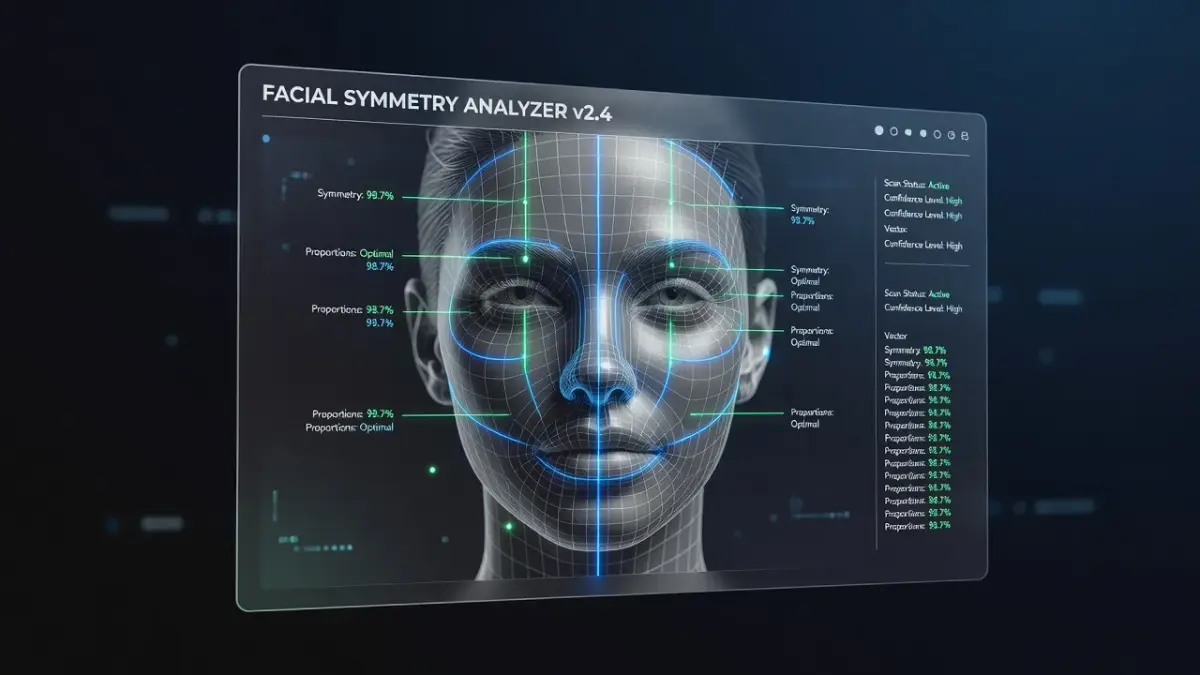
Understanding your face structure starts with evaluating facial symmetry, proportions, and feature contrast against established aesthetic metrics. Chasing regional beauty trends without understanding your underlying facial architecture often leads to disappointing cosmetic results.
If you want an objective breakdown of your features, the Glow Up & Attractiveness Test website provides an AI-driven approach to personal image optimization.
| Aspect | Description |
|---|---|
| Input Method | Front-facing selfie submission |
| AI Analysis | Fine-tuned facial harmony & ratio evaluation |
| Output Delivered | Attractiveness score & personalized guide |
| Weekly Cost | $9.99/week |
By taking a simple selfie, you receive a detailed breakdown of your facial proportions alongside actionable tips to enhance your overall look. Whether you are aiming for K-beauty radiance or a sculpted Western silhouette, analyzing your starting point ensures your grooming choices work with your natural bone structure.
Frequently Asked Questions
What is the ideal face shape in Thailand?
The ideal face shape in Thailand is a slender, heart-shaped or oval structure with a smooth V-line jaw and a subtle chin.
Is fair skin still considered a status symbol in Thailand?
Fair skin remains associated with wealth and indoor leisure, though acceptance of natural, sun-kissed skin tones has grown significantly among younger generations.
Why are Eurasian (luk kreung) actors so popular in Thailand?
Eurasian actors combine Western facial structure, such as prominent nose bridges and deep-set eyes, with soft East Asian features, fitting the modern hybrid beauty ideal.
What is the average cost of plastic surgery in Bangkok?
Basic procedures like silicone rhinoplasty start around $800 USD, while complex bone-contouring surgeries can range from $2,500 to $5,500 USD depending on the clinic.
How has K-pop affected Thai men's grooming habits?
K-pop popularized the "flower boy" aesthetic, encouraging Thai men to embrace daily skincare regimens, light makeup, and professional hair styling.
What skincare ingredients are most popular in Thailand?
Hydrating ingredients like hyaluronic acid, brightening agents like niacinamide and Vitamin C, and high-rating broad-spectrum sunscreens are standard in Thai routines.
Are skin whitening creams legal in Thailand?
Cosmetic whitening creams are legal, but the Thai Food and Drug Administration strictly regulates and bans dangerous substances such as hydroquinone, retinoic acid, and mercury.
How do modern Thai beauty standards differ from Western ideals?
Western ideals often emphasize sun-tanned skin, full lips, and sharp cheekbones, whereas Thai standards lean toward luminous skin, softer facial contours, and a delicate V-line jaw.