
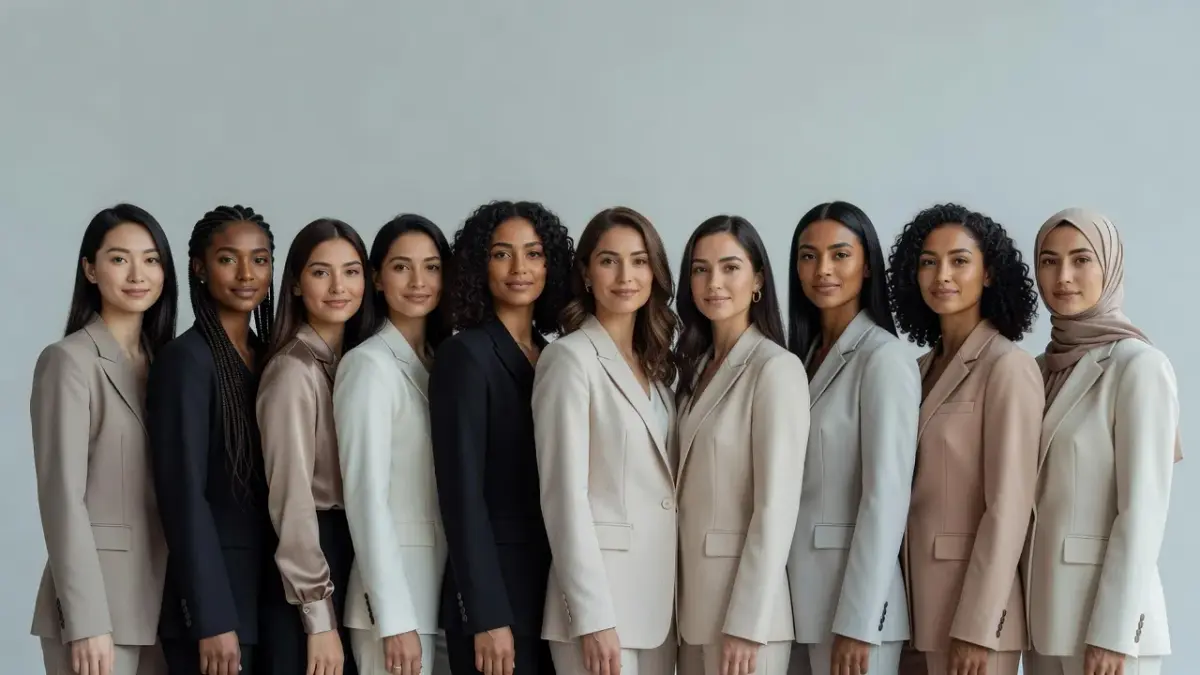
Eurocentric beauty standards are social norms that prioritize Caucasian physical traits—such as fair skin, light-colored eyes, narrow noses, and straight hair—as the universal benchmark for attractiveness. These standards originated during European imperial expansion and colonial rule, when colonizers framed Western features as superior to justify global dominance. Today, these ideals continue to heavily influence commercial media, global fashion, cosmetic medical procedures, and digital image filters.
Understanding where these standards come from is the first step toward breaking free from them. For generations, society has pushed a narrow definition of beauty that forces non-Western individuals to alter their natural appearance.
If you want to understand your own unique facial structure without relying on rigid historical templates, modern tools can help. Apps like Glow Up & Attractiveness Test ($9.99/week) use AI-driven feature mapping to analyze facial harmony, bone proportions, and symmetry based on your natural traits rather than outdated racial benchmarks.
What are the origins of eurocentric beauty standards in colonialism and scientific racism?
Eurocentric beauty standards originated between the 15th and 19th centuries as European colonial powers expanded across Africa, Asia, and the Americas. Colonial administrators and thinkers created explicit racial hierarchies to justify conquest, land seizure, and the enslavement of indigenous populations.
During the Enlightenment, European scholars developed theories of "scientific racism" to formalize these hierarchies. Figures like German anatomist Johann Friedrich Blumenbach categorized human beings into five races, explicitly ranking the "Caucasian" variety as the most aesthetically perfect. Blumenbach based his claims on craniometry, measuring skulls to argue that European facial structures represented the original human ideal.

These pseudo-scientific classifications were heavily documented in historical archives, as detailed in Eurocentric beauty standards entries. Scholars linked lighter skin and narrow facial features directly to intelligence, morality, and civilizational advancement. Over time, colonial educational systems and laws forced conquered populations to internalize these values, making European traits necessary for social mobility and survival.
To trace how these ideals developed alongside other cultural shifts, read our guide on Beauty Standards Throughout History: How Aesthetics Evolved.
What are the historical roots of colorism in slavery and colonialism?
The historical roots of colorism stem directly from transatlantic chattel slavery and colonial caste systems that granted specific social privileges to individuals with lighter skin tones. Enslavers and colonial rulers established rigid legal hierarchies based on skin pigment and racial ancestry.
In the Antebellum American South, enslavers created a divide between dark-skinned and light-skinned enslaved people. Darker-skinned individuals were routinely assigned to brutal physical labor in fields. Light-skinned individuals—often the forced offspring of white enslavers—were frequently assigned to domestic duties inside the house, granted better clothing, and occasionally allowed access to basic education.
- The Paper Bag Test: Social institutions used physical brown paper bags to judge skin tone, barring anyone darker than the bag from entering certain venues.
- The Comb Test: Institutions used fine-toothed combs to test hair texture, excluding anyone whose hair caught in the teeth.
- Casta Systems: Colonial regimes in Latin America created legal terms like mestizo and mulatto to tie legal rights directly to European blood percentages.
These historical practices established a persistent economic trap. Lighter skin became associated with wealth, education, and domestic safety, while darker skin was systematically marginalized.
How do eurocentric beauty standards show up in media today?
Eurocentric beauty standards show up in modern media through disproportionate casting choices, digital skin-lightening in advertising, and the systematic erasure of natural non-Western textures. Mainstream entertainment routinely centers actors and models who possess Caucasian features or racially ambiguous traits that still conform to Western ideals.
In global cinema, lead roles are far more frequently awarded to performers with narrow noses, fair skin, and loose hair patterns. When non-white actors are cast, studios often select individuals with lighter skin tones—a practice known as colorist casting. Magazine editors and fashion brands frequently retouch photographs of darker-skinned models to lighten their complexions under studio lighting.
Commercial advertising also reinforces these biases on a massive global scale. Billboards and television commercials across Latin America, South Asia, and Southeast Asia overwhelmingly feature models with pale complexions. This creates a continuous message that success and romantic desirability require looking as European as possible. In Latin America, colorism, Indigenous representation, and plastic surgery shape Mexican beauty ideals today.
Understanding your own facial geometry outside of media stereotypes can build genuine self-confidence. With the Glow Up & Attractiveness Test, you can snap a simple selfie to get a detailed face analysis that evaluates your personal proportions without applying restrictive media tropes.
What beauty industry practices reflect eurocentric standards (skin lightening, hair straightening, plastic surgery)?
The global beauty industry reflects Eurocentric standards through cosmetic product lines and medical procedures designed to alter natural non-Western features. Billions of dollars are spent annually on chemical treatments, surgical alterations, and cosmetic adjustments meant to align individuals with Western physical ideals.
Chemical hair relaxers and thermal straightening tools dominate haircare markets in Black and Afro-descended communities. For decades, workplace policies and school dress codes banned protective styles like braids and locs, forcing people to use harsh chemicals to achieve straight hairstyles.
Cosmetic surgery markets also heavily prioritize Eurocentric modifications. Rhinoplasty procedures frequently aim to narrow wide nasal bridges or refine tip projections. Similarly, double eyelid surgery (blepharoplasty) remains one of the most requested procedures across East Asia to create a visible upper eyelid crease.
| Practice / Procedure | Targeted Feature | Primary Goal | Aesthetic Root |
|---|---|---|---|
| Glow Up & Attractiveness Test | Full Facial Geometry | Individual Harmony & Proportion Score | Non-Discriminatory AI |
| Chemical Skin Lightening | Epidermal Melanin | Pigment reduction for fair skin tone | Colonial Colorism |
| Chemical Hair Relaxing | Follicle Curl Pattern | Straightening afro-textured hair | Western Professional Norms |
| Refractive Rhinoplasty | Nasal Structure | Narrowing nostrils & heightening bridge | Eurocentric Facial Ratios |
| Double Eyelid Surgery | Palpebral Fold | Creating supratarsal eyelid crease | Western Eye Shapes |
The economic cost of maintaining these alterations is substantial. Individuals often spend thousands of dollars each year on chemical retouching, maintenance products, and invasive operations just to meet standard professional expectations.
If you are interested in exploring how different European facial traits vary across regions, check out our analysis of European Facial Features: Genetics, Traits & Anthropology.
What does the WHO say about health risks of skin whitening products (mercury, hydroquinone)?
The World Health Organization warns that skin whitening products containing mercury cause severe kidney damage, skin discoloration, anxiety, depression, and peripheral neuropathy. These dangerous chemical formulations are widely sold in global cosmetic markets, often without regulatory oversight.
In an official public health assessment, the World Health Organization highlighted that mercury suppresses melanin production by inhibiting key enzymes. However, hazardous amounts of mercury accumulate in the human body over time. The chemical enters wastewater systems during washing, contaminating local food chains and fish supplies.
| Unregulated Bleaching Agent | Health Hazard |
|---|---|
| Mercury Toxins | Nephrotic Syndrome & Kidney Failure |
| Hydroquinone Burn | Exogenous Ochronosis (Dark Lesions) |
| Topical Steroids | Epidermal Thinning & Systemic Edema |
Hydroquinone is another frequent ingredient in skin-lightening creams that presents severe medical dangers. As documented in medical research on NCBI PubMed, prolonged high-concentration use of hydroquinone can trigger exogenous ochronosis. This irreversible condition causes dark, soot-like lesions and permanent damage to connective skin tissues.
Despite these documented health risks, illicit skin-lightening creams remain widely accessible online. Consumers frequently fall into financial and medical traps, spending high recurring sums on toxic products to treat side effects caused by the initial treatments.
How do social media beauty filters reflect eurocentric features?
Social media beauty filters reflect Eurocentric features by using computer vision algorithms that automatically narrow noses, lighten skin pigments, slim jawlines, and change eye colors to light blue or green. When users apply default "beauty" or "glow" presets, the software actively transforms non-Western faces toward Caucasian standards.
These software biases occur because early facial recognition datasets relied heavily on images of white subjects. Engineers trained machine learning models on these biased datasets, leading the software to define "attractiveness" and "smoothness" using European facial proportions.
- Nasal Slimming: Algorithms automatically pinch the nostrils and narrow the nasal bridge on camera streams.
- Eye Recolor & Enlarge: Presets shrink eyelid folds while adding blue or green iris overlays.
- Melanin Suppression: Software filters brighten background light while washing out natural brown skin pigments.
This algorithmic bias creates an impossible standard for young users, leading to digital dysmorphia. People become accustomed to their modified digital reflection, making their real-world appearance feel inadequate.
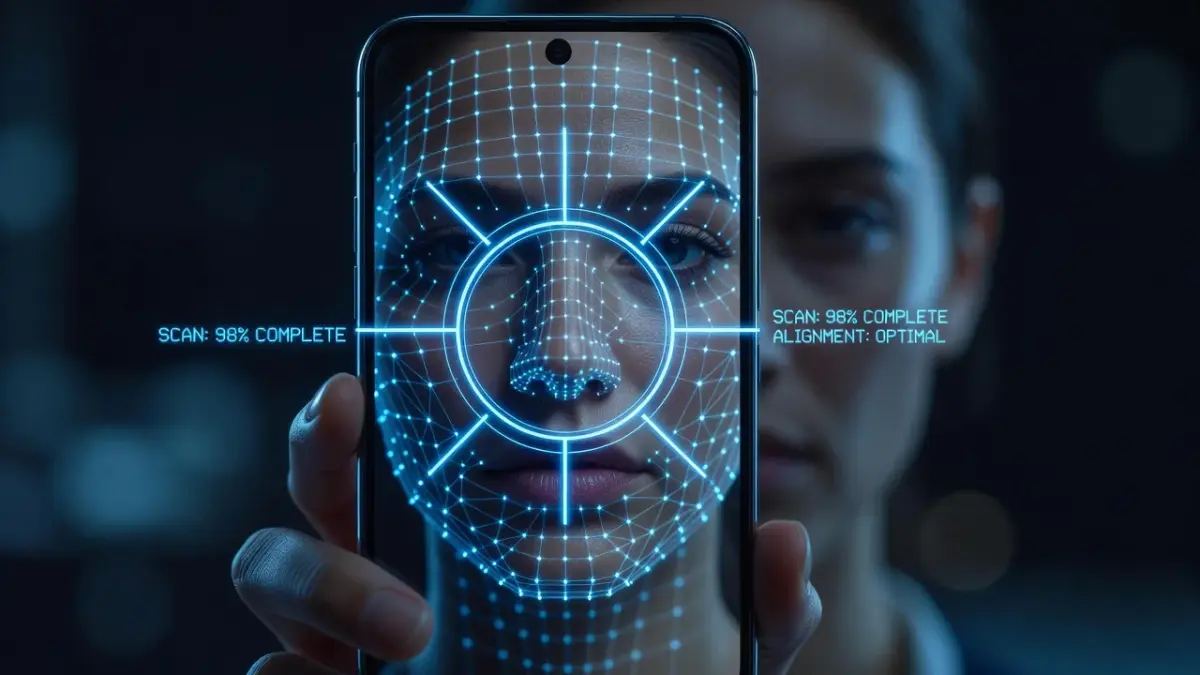
If you want a clearer, unmanipulated view of your facial structure, dedicated AI apps offer a healthier alternative. The Glow Up & Attractiveness Test app on iOS focuses on objective geometry rather than adding digital makeup or distorting your ethnicity. It gives you a personalized face rating score and tailored tips to unlock your natural look without erasing your heritage.
How global beauty standards are evolving in 2026
As of October 2026, global consumer behavior is shifting away from rigid Eurocentric ideals toward diverse representations of beauty. More people are embracing their natural features, demanding inclusive cosmetics, and rejecting toxic whitening products.
The natural hair movement has transformed personal care markets worldwide. Major corporate dress codes in multiple countries now explicitly protect natural afro-textured hair, reducing the social pressure for chemical straighteners. Consumers are actively choosing brands that cater to diverse skin undertones and curl patterns.
| Outdated Standards | 2026 Shift |
|---|---|
| Monolithic Caucasian ideal | Multi-ethnic appreciation |
| Hazardous chemical bleaching | Skin barrier health & care |
| Structural cosmetic alterations | Celebrating unique geometry |
Furthermore, modern beauty trends across Africa, Latin America, and Asia celebrate regional aesthetics rather than suppressing them. To see how African aesthetics are claiming their space on the world stage, read our guide to Standards of Beauty in Africa: Curves, Hair, and Skin Trends (2026).
In 2026, technology is also helping redefine how we assess attractiveness. Instead of measuring yourself against outdated television standards, tools like Glow Up & Attractiveness Test help you see yourself as a 10/10 by analyzing your unique facial harmony. You can track your progress over time, generate shareable before-after comparisons, and follow a personalized glow-up guide designed specifically for your features.
Frequently Asked Questions
What is the simple definition of Eurocentric beauty standards?
Eurocentric beauty standards are social beliefs that treat physical traits typical of European ancestry—such as fair skin, light eyes, straight hair, and narrow noses—as the ultimate benchmark for human beauty.
How does colorism differ from racism?
Racism is discrimination directed against individuals based on their perceived racial group, whereas colorism is prejudice or discrimination against individuals based on the darkness of their skin tone, often occurring within the same racial or ethnic group.
Are chemical skin lightenings permanently harmful to health?
Yes, skin-lightening products containing mercury or high concentrations of hydroquinone can cause permanent kidney damage, exogenous ochronosis, skin thinning, and systemic poisoning.
Why do social media filters make everyone look European?
Social media filters often make users look European because their underlying AI models were trained primarily on datasets dominated by Caucasian faces, leading the software to define beauty using European proportions.
What are the main features emphasized by Eurocentric beauty standards?
The primary features emphasized include pale or fair skin, light-colored eyes (blue or green), straight or wavy fine hair, a narrow nose with a high bridge, and thin facial bone structures.
How did colonial empires spread these beauty standards globally?
Colonial empires spread beauty standards by establishing legal hierarchies that rewarded light-skinned individuals with education and freedom while penalizing dark-skinned populations, forcing colonized groups to adopt Western aesthetic norms for survival.
How much does the Glow Up & Attractiveness Test cost?
The Glow Up & Attractiveness Test app costs $9.99 per week on iOS, providing AI-powered face ratings, detailed facial feature breakdowns, and personalized glow-up guides.