
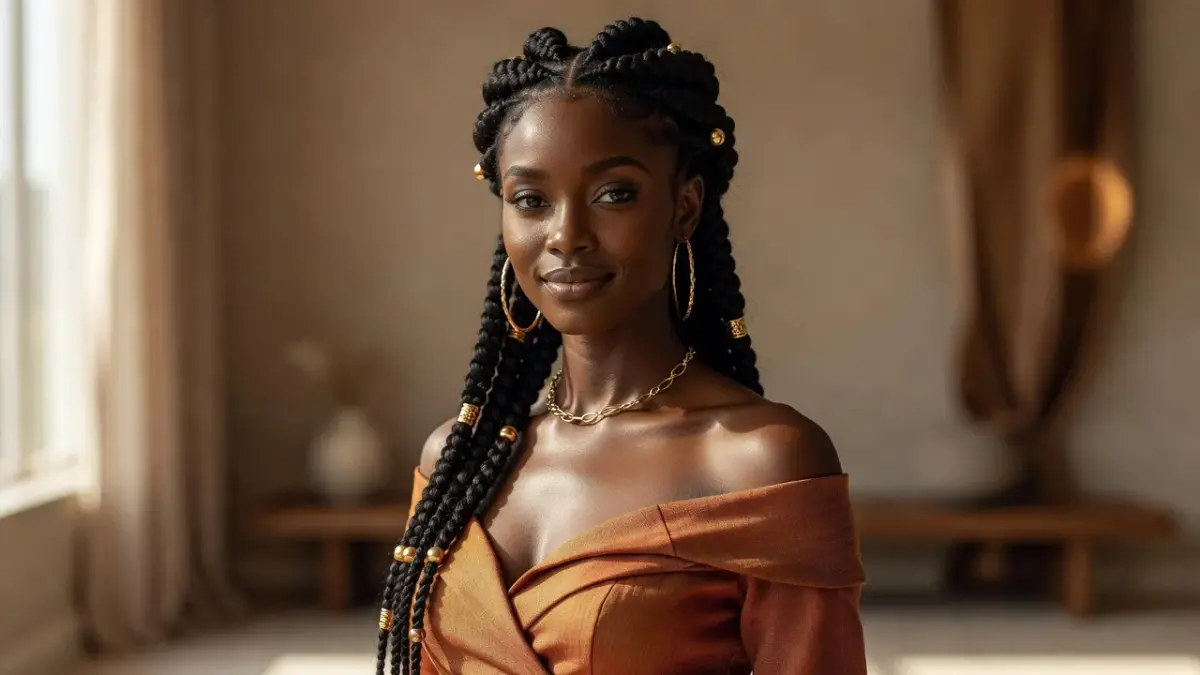
Standards of beauty in Africa encompass a diverse range of aesthetic ideals shaped by rich cultural traditions, distinct regional preferences, and evolving global influences. Across 54 nations, historical standards have long favored full body curves, glowing skin, and intricate natural hairstyles as symbols of health, fertility, and status. Today, these regional values interact dynamically with modern media, digital aesthetics, and growing movements celebrating indigenous beauty.
Understanding how aesthetics vary across the continent reveals how historical practices intersect with modern beauty culture. Whether exploring regional variations or looking at global comparisons like standards of beauty around the world, African beauty standards offer a compelling case study in cultural resilience. Today, many women use tools like the Glow Up & Attractiveness Test to analyze their facial symmetry and features within their own unique cultural context.
How prevalent is skin bleaching and skin lightening in Africa?
Skin bleaching remains widely prevalent across several African nations, driven by colorism and social pressures despite growing government bans. The demand for lighter skin has created a massive market for topical creams, soaps, and injectable treatments across West, Central, and Southern Africa.
According to data published by the World Health Organization, an estimated 77% of women in Nigeria use skin lightening products regularly. That represents the highest reported rate globally, followed by Togo at 59%, South Africa at 35%, and Senegal at 27%.
| Country | Prevalence |
|---|---|
| Nigeria | 77% |
| Togo | 59% |
| South Africa | 35% |
| Senegal | 27% |
The financial cost of these products ranges from $5 for over-the-counter soaps to more than $200 per month for clinical treatments. Health authorities across the continent have responded with strict regulations. As of October 2026, nations like Rwanda, Ghana, and Cote d'Ivoire have banned the import and sale of cosmetics containing hydroquinone and mercury.
What are skin tone perceptions and preferences across Africa?
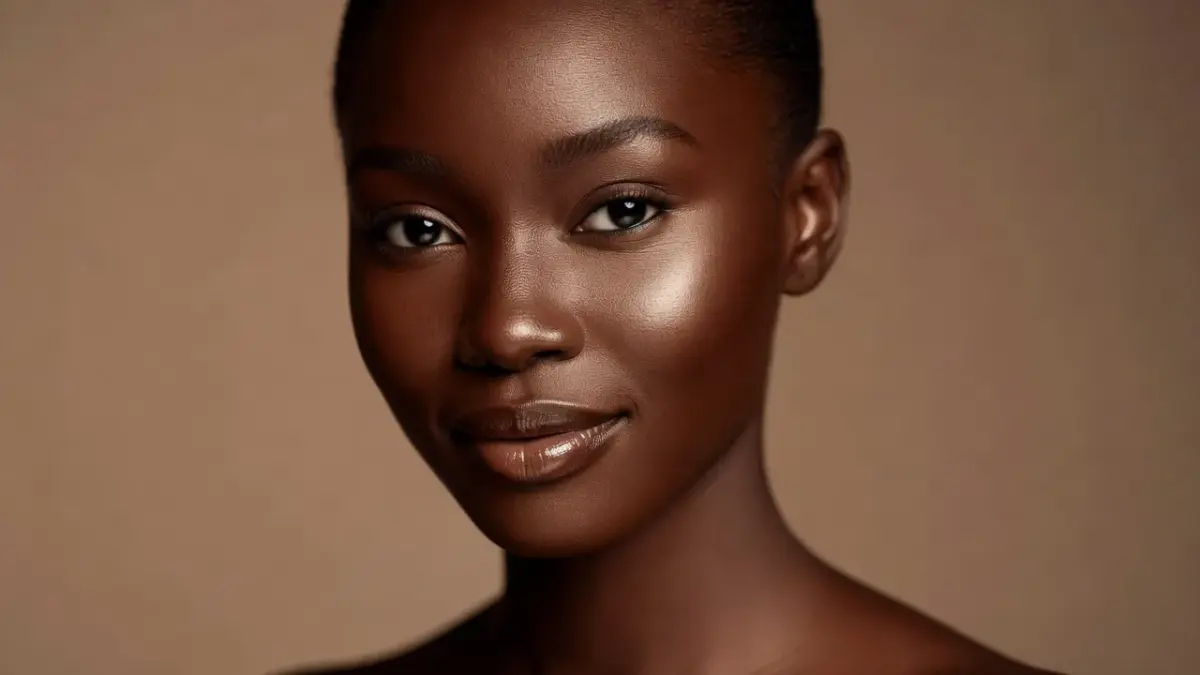
Skin tone perceptions across Africa reflect a complex tension between historical colorism and a rising cultural celebration of rich, dark complexions. Colonial legacies historically associated lighter skin tones with social privilege, employment advantages, and romantic desirability.
This dynamic created a social hierarchy where lighter-skinned individuals often received preferential treatment in media and advertising. However, recent cultural shifts have challenged these preferences across urban centers.
Public campaigns celebrating dark skin have altered consumer habits significantly over the past five years. Local media outlets, including BBC News, have documented a strong rise in homegrown cosmetic brands specifically formulating foundation shades and skincare products for deep melanted skin tones.
What is the natural hair movement and natural vs. straightened hair preferences in Africa?
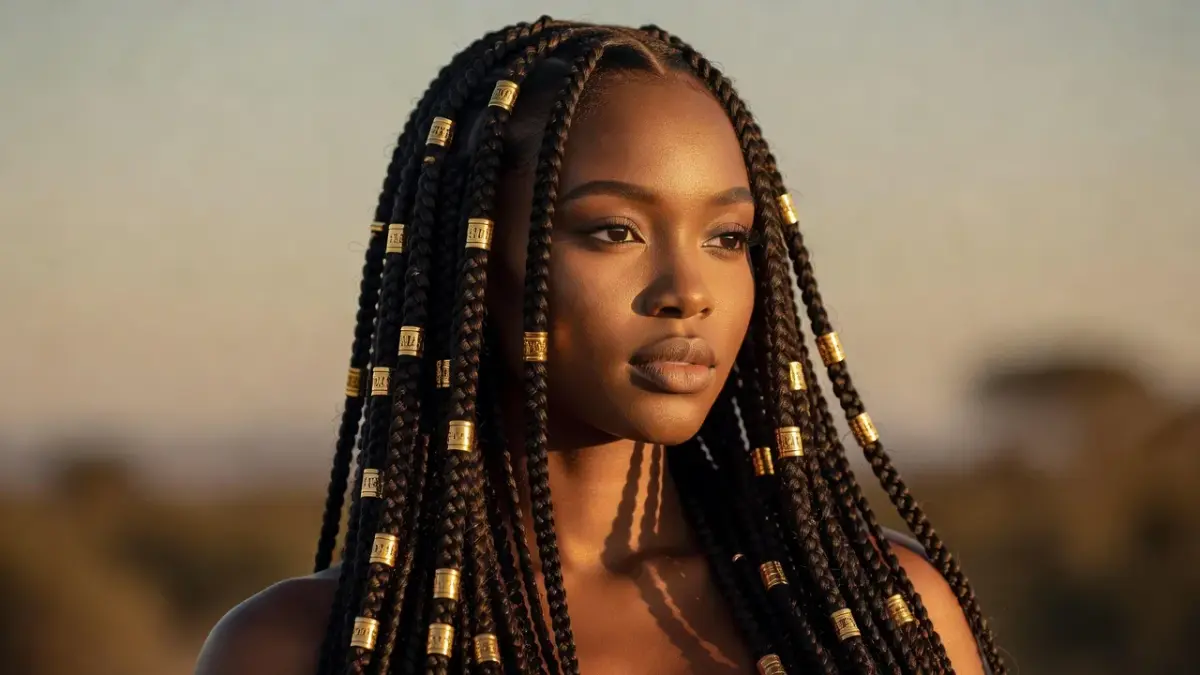
The natural hair movement has fundamentally shifted beauty preferences toward embracing textured curls, coils, and traditional protective styles over chemical relaxers. For decades, chemically straightened hair was considered the standard for professional and formal environments across much of urban Africa.
The shift toward natural hair gained massive momentum as women began rejecting harsh chemical treatments that caused scalp damage and hair breakage. Today, afro-textured hair is celebrated through various styling methods:
- Protective Braiding: Box braids, knotless braids, and fulani braids that preserve hair health while honoring historical patterns.
- Locs and Twists: Permanent and semi-permanent natural locking styles worn across all professional tiers.
- The Afro: Wearing natural curls in their full volume, serving as both a fashion statement and a sign of cultural pride.
- Cornrows and Bantu Knots: Intricate scalp braiding techniques rooted in centuries of ethnic identity.
This cultural transition has created a booming local economy. African cosmetic manufacturers now produce indigenous hair care lines based on natural shea butter, marula oil, and argan oil, reducing reliance on imported Western hair straighteners.
What are African beauty ideals for body shape, curves, and waist-hip ratio?
Traditional African beauty ideals heavily favor a full-figured body shape with pronounced hips and a low waist-to-hip ratio, symbolizing health, prosperity, and fertility. Unlike Western fashion standards that historically emphasized ultra-thin silhouettes, many African cultures view fuller figures as a mark of physical well-being.
In nations like Mauritania, historical customs like "Leblouh" involved deliberate weight gain to prepare young women for marriage. While such extreme practices have largely vanished in urban environments, the preference for curvilinear body proportions remains strong.
Modern African women often seek a balanced silhouette that combines a toned waist with full hips and thighs. The fitness industry across major hubs like Lagos, Nairobi, and Johannesburg reflects this preference, focusing heavily on lower-body strength training rather than simple weight loss.
How do beauty standards vary across countries like Nigeria, Kenya, and South Africa?
Beauty standards vary significantly by region, with Nigeria favoring bold glamour, South Africa embracing diverse multicultural trends, and Kenya leaning toward understated elegance. While shared themes exist across the continent, local preferences shape distinct daily beauty routines.
The following table breaks down how aesthetic evaluations and beauty tracking methods compare across modern consumer options:
| Feature / Method | Glow Up & Attractiveness Test | Social Media AR Filters | In-Person Cosmetology Consults |
|---|---|---|---|
| Primary Focus | AI Facial Symmetry & Ratio Analysis | Real-Time Visual Alteration | Clinical Skin & Feature Assessment |
| Cost | $9.99/week | Free | $50 – $200 per visit |
| Objectivity | High (Algorithmic rating) | Low (Distorts facial geometry) | High (Professional evaluation) |
| Personalization | Custom glow up guide & recommendations | None (Generic overlays) | Custom product prescriptions |
| Convenience | Instant via mobile app | Instant via social apps | Requires appointment |
Nigeria: High-Impact Glamour
Nigerian beauty standards prioritize high-contrast makeup, polished presentation, and bold accessories. The aesthetic emphasizes defined eyebrows, vibrant lip colors, and flawless skin coverage, frequently paired with elaborate headwraps (Geles) for formal gatherings.
South Africa: Multicultural Fusion
South Africa’s aesthetic landscape represents a mix of indigenous African traditions, Cape Coloured heritage, and Western fashion influences. Natural hair textures, radiant skin finish, and athletic physique dominate urban centers like Cape Town and Johannesburg.
Kenya: Minimalist Naturalism
Kenyan beauty trends lean toward clean skincare routines, subtle makeup application, and functional hair styling. The aesthetic focuses on natural skin radiance, neat short haircuts, or simple braided protective styles suited for active urban lifestyles.
How are beauty standards in Africa changing with modern trends and social media?
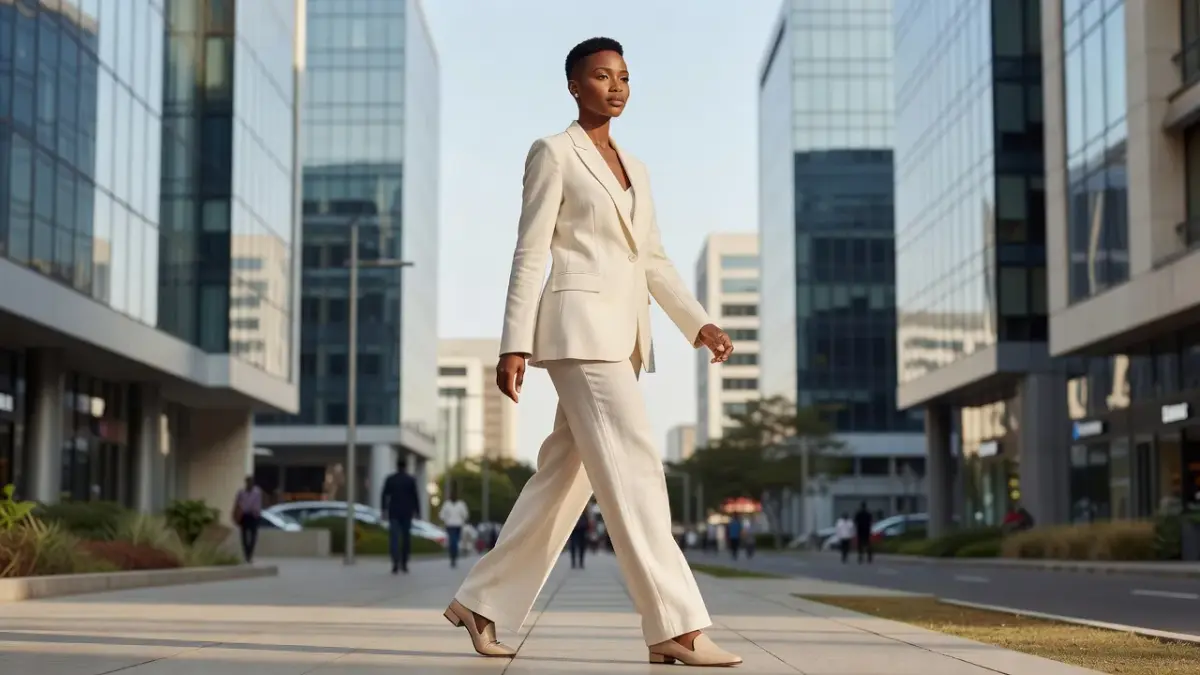
Modern social media platforms like TikTok and Instagram are democratizing African beauty standards by elevating local creators and indigenous aesthetics to a global audience. African influencers are reshaping international perception by showcasing traditional hairstyles, local skincare ingredients, and regional fashion.
The global popularity of Afrobeats music and African cinema (Nollywood) has accelerated this shift. International beauty brands now design product ranges specifically targeting dark skin tones and textured hair, validated by market growth reports from outlets like Reuters.
Digital tools have also changed how women evaluate their personal aesthetic goals. Many individuals use ai facial attractiveness tools to analyze facial harmony, allowing them to highlight their best features while retaining their distinct ethnic characteristics.
How to analyze your facial features and build a personalized glow up routine
Analyzing your facial features starts with understanding your bone structure, skin proportions, and skin undertones before adopting any targeted routine. Rather than changing your natural appearance to fit external molds, modern self-care focuses on maximizing your existing features.
If you are looking for structural advice on improving your aesthetic presentation, reading practical guides on how to look better as a woman can provide immediate actionable steps.
- Assess Your Face Shape: Identify whether your face geometry is oval, heart, square, or round to pick hair styles that frame your features effectively.
- Determine Skin Undertones: Check your wrist veins under natural light to see if you have warm, cool, or neutral undertones, which governs makeup and clothing choices.
- Analyze Facial Symmetry: Use targeted digital tools like the Glow Up & Attractiveness Test ($9.99/week) to capture a selfie, receive a detailed AI face analysis, and unlock a customized glow-up guide.
- Establish a Core Skincare Routine: Focus on gentle cleansing, daily sun protection, and deep hydration using native oils like marula or jojoba to preserve skin barrier health.
Evaluating your natural harmony gives you clear data to build a routine that highlights your authentic self.
Frequently Asked Questions
What is the ideal body shape in traditional African cultures?
Traditional African beauty standards generally favor a fuller body shape with broad hips, shapely thighs, and a defined waist, reflecting health and vitality.
Why is skin lightening popular in some African countries?
Skin lightening is driven by historical colorism, where lighter skin tones were socially privileged due to colonial influences and media representations.
What is the natural hair movement in Africa?
The natural hair movement is a cultural transition where women choose to wear afro-textured hair in braids, locs, or natural afros rather than using chemical relaxers.
Are traditional body scarification practices still common today?
Body scarification has declined significantly in urban areas and is now mostly restricted to traditional rituals in specific rural ethnic communities.
Which African country has the highest rate of skin bleaching?
Nigeria has the highest reported rate of skin bleaching, with an estimated 77% of women using lightening products regularly according to WHO data.
How has social media changed beauty standards across Africa?
Social media has amplified local creators, celebrating indigenous hairstyles and dark complexions, while reducing reliance on Western beauty models.
What role do traditional ingredients play in modern African skincare?
Ingredients like shea butter, black soap, and marula oil remain foundational in both DIY remedies and modern commercial skincare lines across the continent.