
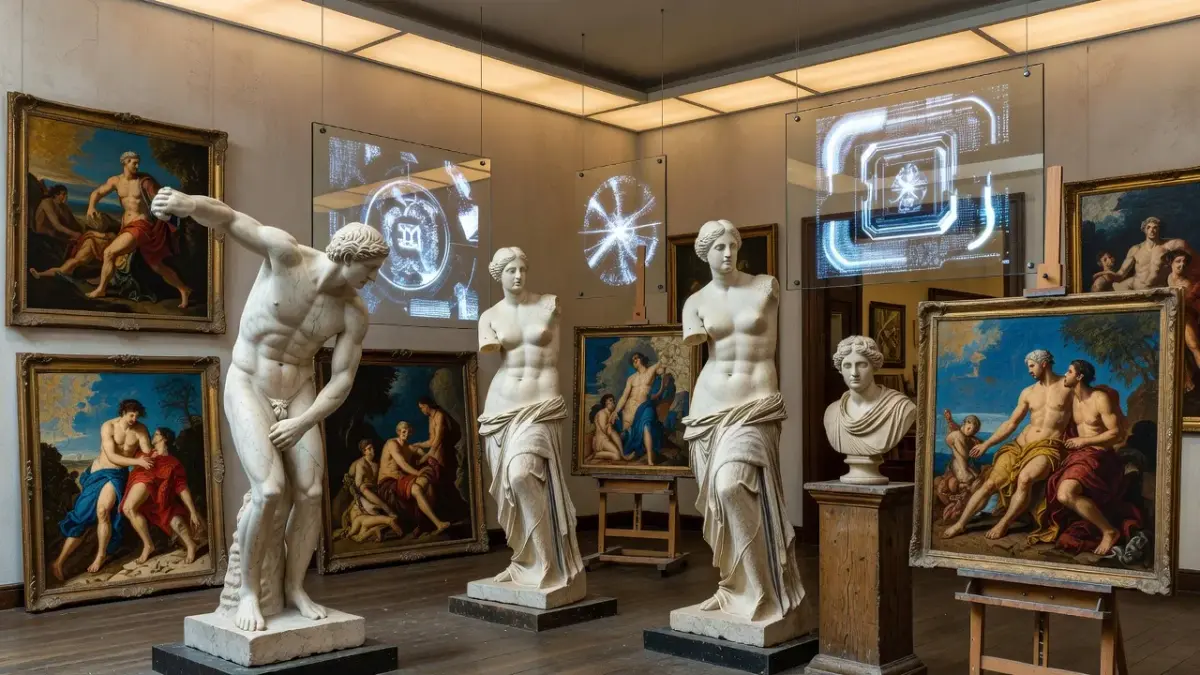
Beauty standards throughout history are social constructs of physical attractiveness that evolve based on resource availability, class structures, technological shifts, and media representation. Rather than reflecting universal genetic preferences, physical ideals change as societies redefine wealth, health, and gender roles. What one era values as peak attractiveness, another frequently rejects as unappealing or unhealthful.
Historically, tracking these aesthetic shifts required studying portraiture, literature, and rare trade artifacts. In October 2026, modern digital tools like the Glow Up & Attractiveness Test allow individuals to analyze their own features against objective facial harmony metrics rather than chasing rigid, short-lived cultural trends. Understanding how aesthetics shifted across centuries reveals why no single body type or feature set remains dominant forever.
What drives changes in beauty standards over time?
Changes in beauty standards are primarily driven by economic scarcity, technological advancement, public health conditions, and mass media shifts. When resources are limited, physical traits that demonstrate abundance become the cultural ideal. Conversely, when those same traits become accessible to the working class, aesthetic preferences invert to favor traits that require elite leisure or expense.
The shift in skin tone preferences across Europe and North America illustrates this economic driver clearly. For centuries, pale skin signaled aristocratic status because wealthy individuals spent their time inside manor houses while laborers worked outdoors. During the 20th century, industrialization moved labor indoors into factories and offices, making pale skin common among working populations. Consequently, bronzed skin became the new symbol of leisure, signifying that an individual had the disposable income to travel and vacation outdoors.
Technological shifts also redefine facial and body expectations. The invention of photography in the 19th century and high-definition video in the late 20th century magnified physical details that were invisible in oil paintings. Modern algorithmic feeds now accelerate trends at unprecedented speeds, causing aesthetic cycles that once lasted decades to rotate in months.
What is the history of cosmetics and beauty ideals?
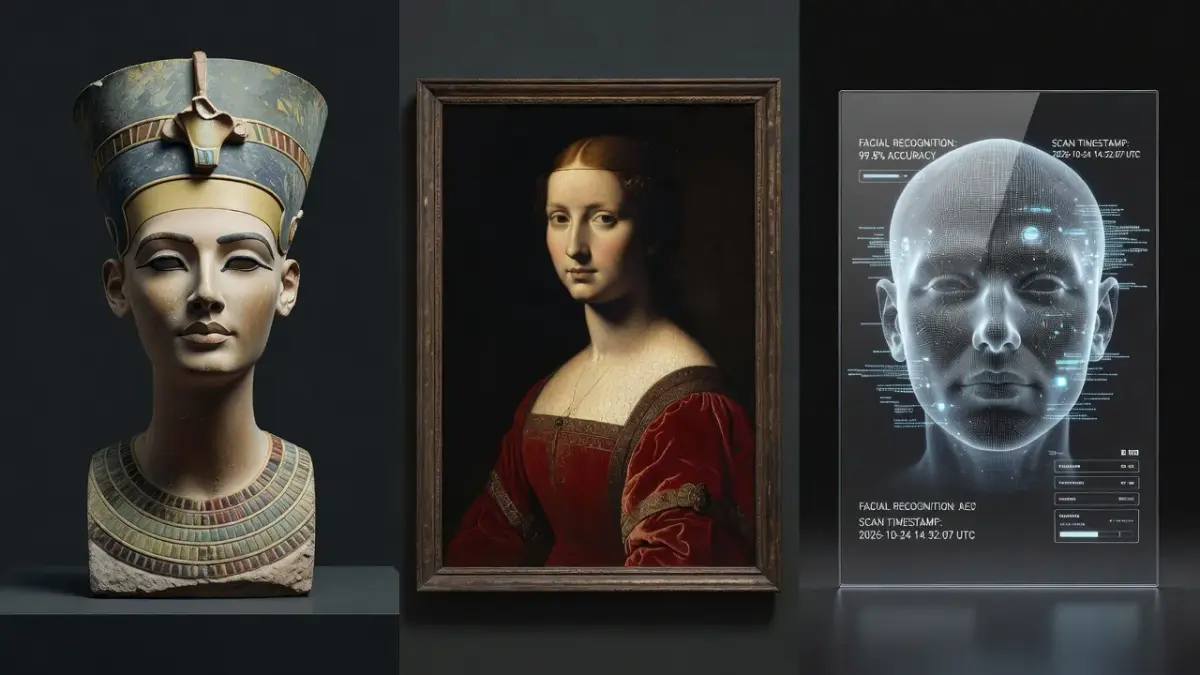
The history of cosmetics began in ancient civilizations as a dual tool for religious ritual and social distinction before evolving into a global consumer industry. Early cosmetics were formulated from natural minerals, plant juices, and metallic compounds, often carrying severe health consequences for users.
Ancient Egyptians were among the earliest documented pioneers of facial cosmetics, using black kohl made of galena and green malachite powder to outline their eyes. Research published by The Metropolitan Museum of Art notes that Egyptian cosmetics served practical medical purposes alongside aesthetic ones, protecting eyes from sun glare and desert infections. Egyptian beauty ideals emphasized symmetrical almond-shaped eyes, dark hair, and smooth, oiled skin.
| Historical Era | Primary Facial Ideal | Popular Cosmetic Ingredients | Major Class Indicator |
|---|---|---|---|
| Ancient Egypt | Almond eyes, dark arched brows | Kohl (galena), green malachite | Oiled, infection-free skin |
| Elizabethan Era | Stark white forehead, red lips | Venetian ceruse (lead & vinegar) | Total lack of sun exposure |
| 1920s Flapper | Deep-set eyes, cupids-bow lips | Dark mascara, compact rouge | Rejection of Victorian modesty |
| 1990s Supermodel | Sculpted cheekbones, matte skin | Neutral lip liners, contour powder | High-fashion runway exclusivity |
By the European Renaissance and Elizabethan era, cosmetic trends shifted toward hyper-pale complexions paired with high foreheads. Women applied Venetian ceruse, a paint blended from white lead and vinegar, to achieve a porcelain finish. This toxic formulation caused long-term skin damage, hair loss, and lead poisoning, yet remained popular because it clearly separated nobility from manual field laborers.
The early 20th century transformed cosmetics from toxic DIY compounds into regulated, mass-manufactured formulas. Commercial brands democratized makeup, shifting beauty ideals away from class separation and toward Hollywood film star aesthetics.
How did the corset shape Victorian beauty standards?
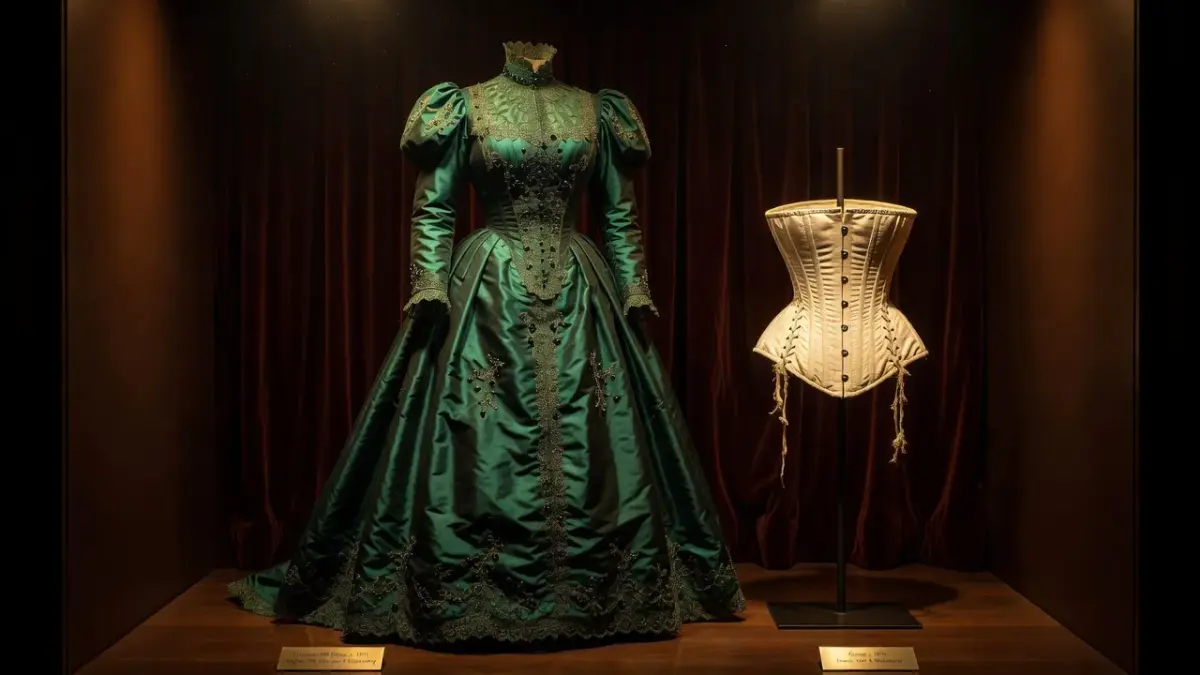
The corset shaped Victorian beauty standards by physically molding the female body to emphasize an exaggerated hourglass silhouette and small waist. Popularized during the 19th century, the corset acted as a garment of moral and social standing rather than simple underwear.
Victorian fashion placed heavy emphasis on posture, modesty, and rigid structure. The historical documentation from Encyclopædia Britannica highlights how corsetry altered body proportions to reflect aristocratic refinement. A tightly laced waist emphasized the bust and hips, creating a visual contrast that dominated 19th-century portraiture and dress design.
Popular media often exaggerates Victorian tight-lacing, but normal everyday corsetry still altered body mechanics. The garment restricted deep abdominal breathing, encouraged stiff posture, and reinforced the idea that high-status women were delicate and removed from heavy physical labor.
Why did foot binding start and end in China?
Foot binding began in 10th-century China as an elite court aesthetic and ended in the early 20th century due to modernization campaigns and social reform. The practice reshaped the feet of young girls to produce tiny, curved feet known as "lotus feet."
The tradition originated during the Song Dynasty among court dancers before spreading across social classes throughout imperial China. Historical records documented by Smithsonian Magazine indicate that lotus feet became the ultimate symbol of female beauty, marriageability, and family wealth. Because bound feet severely limited mobility, the trait proved that a family possessed enough wealth to support women who could not perform physical labor.
Foot binding persisted for nearly a thousand years despite the immense physical pain and permanent bone deformity it caused. The practice began its rapid decline in the late 19th century as Chinese reformers and international anti-foot-binding societies campaigned against it. By 1912, the new Republic of China officially banned foot binding, effectively ending the aesthetic ideal within a few generations.
What were beauty standards in non-Western cultures like, such as China, Japan, and Africa?
Non-Western beauty standards historically emphasized distinct markers of status, spirituality, and tribal identity that differed sharply from European ideals. Across Asia and Africa, physical aesthetics were deeply tied to community structure and spiritual beliefs.
For detailed analysis of regional East Asian traits and historical evolutions, see our guide on Asia Beauty Standards Explained (2026 Regional Guide).
Ancient China and Japan
In imperial China, beauty ideals valued smooth porcelain skin, long dark hair, slim posture, and delicate facial features. Clear, unblemished skin was considered a direct reflection of internal purity and high birth.
Japan's Heian period (794–1185 AD) developed highly distinct aesthetic conventions for aristocratic women. Elite women shaved their natural eyebrows, repainted soft smudged brows higher on the forehead, and applied thick white face powder. They also practiced ohaguro, the deliberate blackening of teeth using iron filings and tea vinegar, which signaled marital status and protected enamel.
Pre-Colonial and Traditional African Beauty Standards
Across the African continent, historical beauty standards often celebrated fullness, elaborate hair design, and bodily modification. You can explore these diverse cultural markers in our breakdown of Standards of Beauty in Africa: Curves, Hair, and Skin Trends (2026).
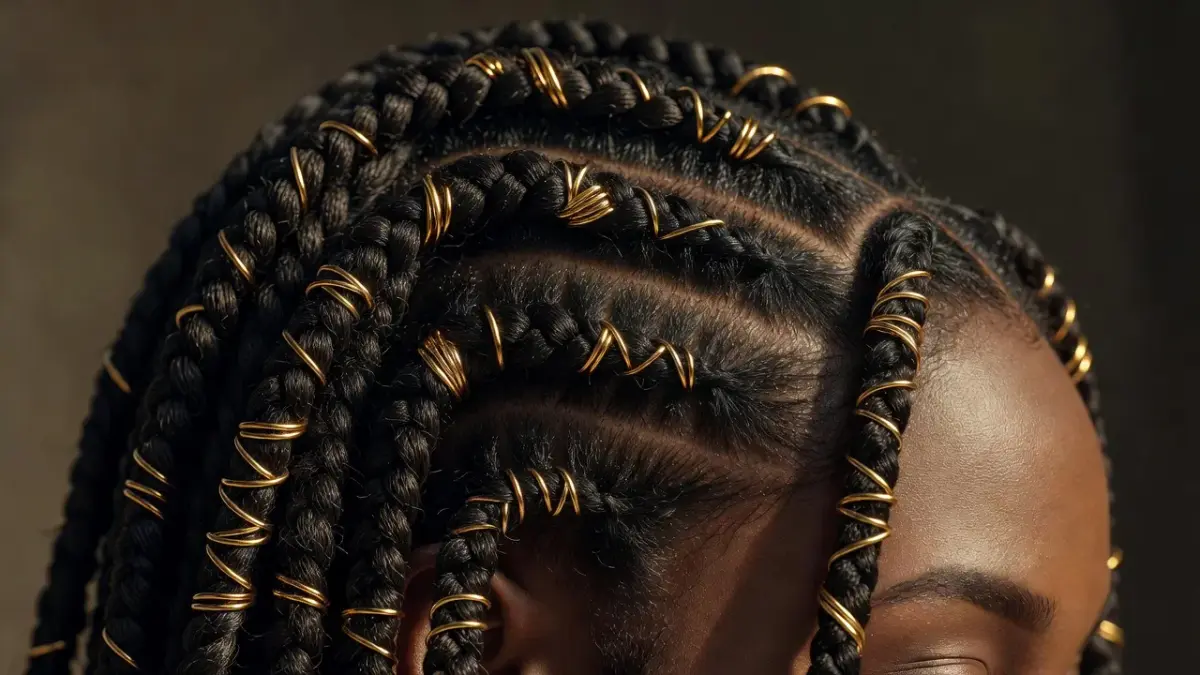
In contrast to the historical European preference for extreme thinness, many traditional African societies valued curvy, fuller physiques as indicators of health, prosperity, and fertility. Intricate braiding patterns carried deep cultural meaning, identifying an individual's tribe, marital status, age group, and wealth. Body scarification and lip plates in specific regions served as spiritual protection and artistic markers of bravery and beauty.
How modern technology and AI analyze facial aesthetics in 2026
Modern beauty analysis in 2026 relies on mathematical facial symmetry, proportions, and algorithmic feature mapping rather than subjective trend adoption. Historical beauty standards forced individuals to conform to rigid uniform templates, whereas contemporary technology focuses on personal facial harmony.
Understanding how facial structure creates attractiveness requires looking at ratios rather than painted cosmetics. Learn more about feature proportions in our article on Beauty Revealed: History, Meaning, and AI Face Analysis.
Instead of altering your features to match a temporary fad, apps like the Glow Up & Attractiveness Test ($9.99/week) evaluate your unique facial structure. Users take a simple selfie to receive a personalized face rating score calculated by fine-tuned AI models. The platform then generates a customized glow up guide with tailored tips, helping users optimize their natural features rather than copying outdated historical trends.
Frequently Asked Questions
What was considered the ideal body shape during the Renaissance?
During the Renaissance, the ideal female body shape was rounded, full-figured, and soft. Voluptuous hips and a pronounced abdomen signaled wealth and nutritional abundance, setting upper-class women apart from malnourished peasants.
Why was pale skin popular for so many centuries?
Pale skin was popular historically because it proved an individual did not perform manual labor outdoors under the sun. It served as a clear indicator of high social standing and wealth until industrialization shifted indoor office work to the masses.
What was the Gibson Girl aesthetic?
The Gibson Girl was an aesthetic ideal in the United States around the turn of the 20th century, created by illustrator Charles Dana Gibson. She represented the modern, active woman with a tall, slender figure, a corseted hourglass waist, and soft, loosely piled hair.
How did World War II affect cosmetic trends?
World War II caused metal and ingredient shortages that limited cosmetic packaging and formulas. Governments encouraged women on the home front to wear bright red lipstick as a patriotic sign of morale and normalcy during wartime rationing.
When did tan skin become fashionable in Western societies?
Tan skin became fashionable in Western societies during the 1920s, largely credited to fashion icon Coco Chanel returning from a Mediterranean trip with a sunburn. This shift flipped pale skin from a sign of wealth to a sign of indoor factory labor.
What is the history of lead paint in cosmetics?
Lead paint was used as a skin whitener from ancient Greece through the 18th century, most famously as Venetian ceruse during the Elizabethan era. Continuous use caused skin damage, neurological issues, tooth decay, and lead poisoning.
How do modern beauty standards differ from historical ones?
Modern beauty standards shift much faster than historical ones due to social media, global digital trends, and algorithmic filters. Furthermore, 2026 beauty standards focus more on individual skin health, facial symmetry, and personalized aesthetic optimization rather than one single rigid body standard.