
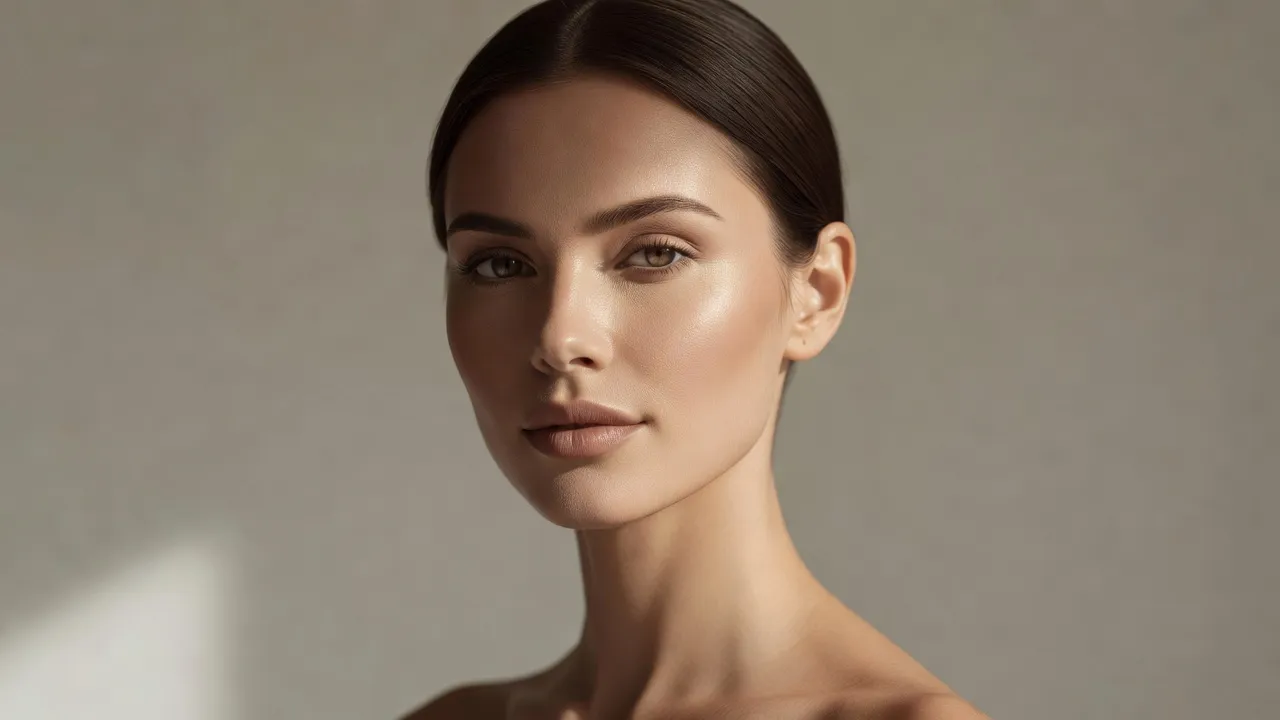
Beauty Revealed refers primarily to Sarah Goodridge's iconic 1828 self-portrait miniature, but today the term describes a broader cultural movement of exposing authentic facial features through fine art, cosmetic campaigns, and facial analysis technology. Sent as a gift to Daniel Webster, Goodridge's watercolor on ivory became a landmark piece in American portraiture. Over the past two centuries, the phrase has evolved into a shorthand for stripping away visual noise to uncover underlying facial symmetry, skin quality, and proportions.
Whether you came across this phrase in an art gallery, a cosmetic advertisement, or a software store, the context dictates what it actually means for you. Understanding which version of "Beauty Revealed" you are dealing with comes down to whether your focus is historic artwork, retail products, or evaluating your own appearance.
Is there a "Beauty Revealed" exhibition?
Yes, "Beauty Revealed" has appeared as a central feature in major museum exhibitions, most notably at the Metropolitan Museum of Art in New York. The original 1828 watercolor miniature by American painter Sarah Goodridge is preserved within the collection of the Metropolitan Museum of Art, where it regularly highlights surveys of 19th-century American portraiture and women artists.
Galleries around the world periodically build curated shows around the theme of revealing natural features rather than concealing them. These exhibitions often contrast classical portraiture techniques with modern high-definition photography.
Exhibition catalogs focus heavily on how artists manipulate light and contrast to highlight human facial structure. Visiting one of these displays gives visitors a look at how visual standards for symmetry and skin tone have shifted over two centuries.

Is there a "Beauty Revealed" campaign?
Yes, several major cosmetics and skincare brands have launched advertising initiatives under or around the concept of "Beauty Revealed" to promote unfiltered facial aesthetics. The most significant cultural pivot toward this style of marketing began when the Unilever brand Dove launched its global Real Beauty campaign, which shifted commercial imagery toward unretouched skin textures and natural feature variation.
Modern campaigns using the term "Beauty Revealed" typically drop heavy digital filters in favor of macro-lens camera work. These promotional initiatives aim to demonstrate how specific formulations alter skin luminosity or clarity under direct light.
For consumers, these campaigns mark a pivot away from heavy coverage toward skin-first preparation. The focus stays squarely on maximizing natural facial harmony rather than painting over key features.
Is there a "Beauty Revealed" show?
Yes, "Beauty Revealed" has been used as the title for art-focused television episodes, gallery showcases, and streaming documentaries exploring aesthetics and self-expression. Production teams frequently use the phrase when detailing cosmetic transformations, fine art restorations, or deep dives into the science of human attraction.
Documentary shows with this title typically break down facial geometry, evolutionary biology, and lighting mechanics. They examine why human eyes register specific jawline angles and proportions as balanced.
These episodes often show how small changes in lighting, posture, and facial positioning alter how attractive a person appears on camera. If you are interested in visual balance, these shows illustrate how geometry impacts perception.
Is there a "Beauty Revealed" product?
Yes, numerous beauty brands market products under the name "Beauty Revealed," ranging from high-definition skin primers to illuminating serums and facial scanning software. In retail skincare, products carrying this name usually focus on exfoliants, brighteners, or light-reflecting oils intended to clear away dead skin cells and reveal underlying tone.
In the software space, the phrase applies to digital face scanner platforms and rating applications. These digital tools analyze uploaded photos to calculate facial symmetry, jawline definition, and skin clarity.
Visual Analysis Categories
- Structural Metrics (Jawline, Cheekbones, Eye Distance)
- Surface Metrics (Skin Tone, Texture, Clarity)
- Proportional Ratios (Golden Ratio Alignment, Symmetry)
Choosing between a physical product and a digital analysis tool comes down to your goal. Physical creams treat surface skin conditions, while digital scanners map out your anatomical baseline so you know what areas to target.
Is there a "Beauty Revealed" book?
Yes, "Beauty Revealed" exists as a title for several art history catalogs, photography collections, and self-care literature. The most prominent print works are art history volumes documenting Sarah Goodridge's life and the history of American miniature portraiture during the early 19th century.
In non-fiction and wellness publishing, books using this title focus on cosmetic strategies, facial exercises, and confidence building. They provide actionable frameworks for readers looking to improve their daily appearance without surgical intervention.
These texts often explain how facial structure, posture, and skin hydration work together. Reading them offers a grounded, anatomical view of how simple routine shifts improve your overall presentation.
How facial analysis reveals your natural beauty
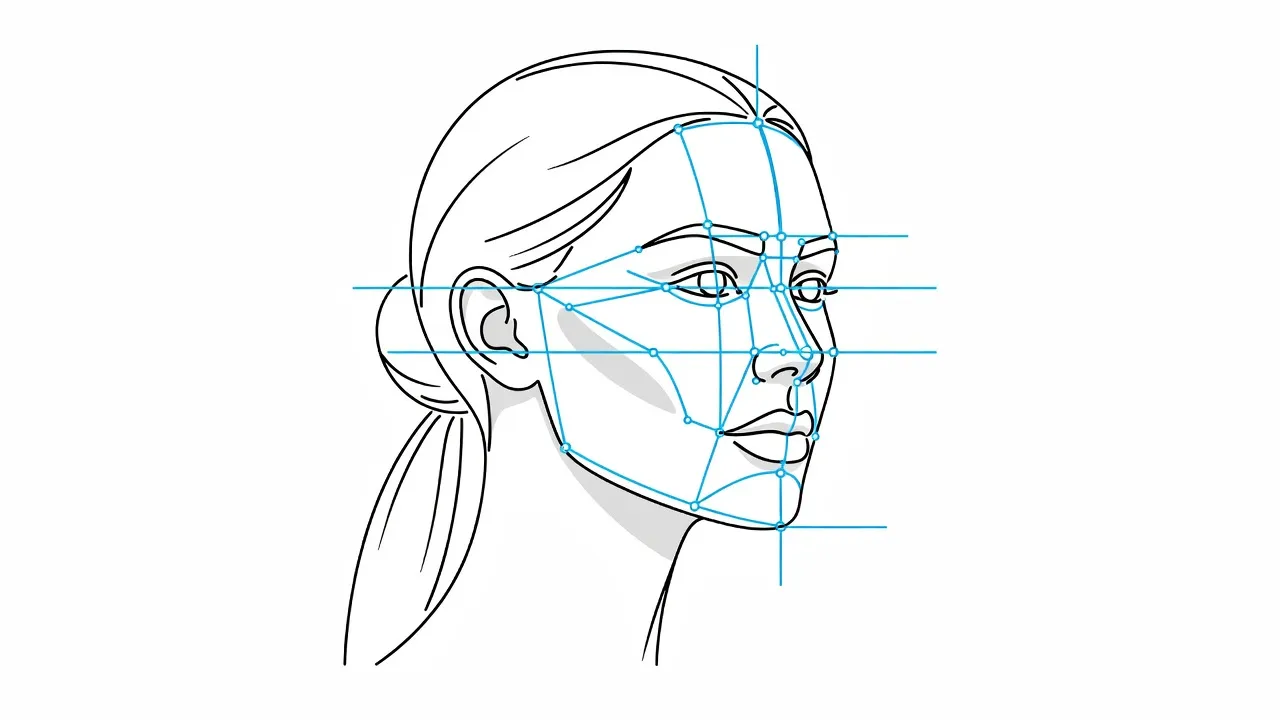
Modern facial analysis uses computational geometry to measure your exact facial proportions, feature placement, and symmetry from a standard photo. Rather than relying on subjective opinions, algorithm-based analysis measures precise distances between your eyes, nose, lips, and jawline against established visual standards like the Golden Ratio.
According to research on human attraction hosted by the National Library of Medicine, facial symmetry and clear structural proportions consistently signal health and visual harmony across cultures. Identifying these baseline measurements gives you a clear starting point for any cosmetic routine.
If you want to evaluate your features systematically, learning how to read your proportions is essential. Performing a complete analysis of face geometry allows you to choose makeup styles, hair arrangements, and grooming routines that work with your natural bone structure rather than fighting it.
Feature ratio vs skin clarity
Your facial harmony depends on two distinct factors: structural ratios (which remain mostly fixed) and surface skin clarity (which can change rapidly). Bone structure dictates your jawline width, eye distance, and cheekbone height. Surface factors involve pigmentation, moisture levels, inflammation, and cellular turnover.
Improving surface clarity makes your natural bone structure far more visible and defined. When your skin is balanced and hydrated, light bounces off the natural contours of your face without being obscured by uneven texture or dark spots.
The role of facial symmetry
Facial symmetry measures how closely the left side of your face mirrors the right side. While absolute 100% symmetry does not exist in nature, higher levels of balance read as more visually appealing to the human eye.
Small adjustments in posture, sleeping positions, and facial exercises help balance minor asymmetrical habits. Understanding where your face holds asymmetry lets you adjust camera angles, hair parts, and makeup application to create visual equilibrium.
Comparing tools to reveal your facial aesthetics
Finding the right tool to evaluate and improve your appearance depends on whether you need simple cosmetic tracking, deep geometric scoring, or actionable step-by-step guides. As of August 2026, mobile applications and software suites offer vastly different capabilities for face scanning and analysis.
Some platforms provide quick filter effects, while dedicated beauty scoring software evaluates underlying facial geometry and gives personalized routines. Comparing these options helps you select the right method for your personal aesthetic goals.
| Tool Type | Primary Focus | Key Analysis Output | Best Used For |
|---|---|---|---|
| Basic Camera Filters | Instant visual overlay | Softened skin texture, altered lighting | Quick social media photos |
| General Photo Editors | Manual digital retouches | Custom color correction, spot editing | Granular photo manipulation |
| Glow Up & Attractiveness Test | AI facial geometry & personalized score | Detailed face analysis, beauty score, tailored tips | Dedicated personal aesthetic evaluation |
| Virtual Makeup Simulators | Color testing | Synthetic lipstick, blush, and eyeliner overlays | Trying products before buying |
For women interested in targeted feature tracking, the Glow Up & Attractiveness Test provides a dedicated AI platform built specifically for female facial analysis. By snapping a selfie, you get a detailed face rating score generated by a fine-tuned AI model that evaluates your natural structure.
The app generates tailored tips to beautify your look based on your unique proportions. If you want to benchmark your baseline before starting a new cosmetic routine, checking your beauty score gives you objective data to track your progress over time.
You can download the Glow Up & Attractiveness Test on iOS to start measuring your facial harmony. Taking a structured approach to your routine ensures you waste less time on ineffective products and focus on techniques that highlight your best features.
Practical steps to maximize your natural features
Revealing your natural beauty requires a combination of targeted skincare, proper grooming, and optimal lighting technique. You do not need expensive procedures to noticeably refine your daily presentation.
Following a consistent schedule helps maintain skin health while accentuating your bone structure. If you want to maximize your appearance efficiently, focus on these five steps:
- Establish daily skin hydration: Apply a lightweight moisturizer morning and night to maintain a smooth surface texture that reflects light naturally.
- Optimize your hair shape: Choose hairstyles that balance your face shape, using volume to offset sharp jaw angles or wide foreheads.
- Practice correct posture: Keep your chin parallel to the floor and pull your shoulders back to instantly improve your neck line and jaw definition.
- Use targeted facial care: Implement routines focused on looksmaxxing for women to reduce bloat and improve feature definition.
- Master lighting angles: When taking photos or sitting for meetings, position your primary light source slightly above eye level to cast natural shadows beneath your cheekbones.
Tracking your visual progress every few weeks lets you see which adjustments deliver measurable results. Objective feedback keeps your efforts focused on routines that actually change your appearance.
Frequently Asked Questions
What is the historical origin of Beauty Revealed?
Beauty Revealed is an 1828 self-portrait miniature painted in watercolor on ivory by American artist Sarah Goodridge. She gifted the small painting to Senator Daniel Webster, and it is now preserved in the Metropolitan Museum of Art in New York.
How does an AI face rating app measure beauty?
AI face rating apps measure beauty by analyzing facial photos against geometric algorithms based on symmetry, proportions, and feature spacing. The software calculates ratios such as eye distance, jawline angle, and cheekbone alignment to assign a objective score.
Can skin clarity affect facial symmetry scores?
Yes, uneven skin clarity, dark circles, and surface inflammation create asymmetrical shadows on your face. Clearing surface discoloration allows lighting to hit your facial structure evenly, which improves perceived symmetry.
Are facial analysis apps accurate for all face shapes?
Modern facial analysis apps built on fine-tuned AI models are trained on diverse datasets, making them accurate across various face shapes and ethnic features. They measure geometric proportions rather than favoring one single face shape.
What is the difference between Beauty Revealed art and modern beauty campaigns?
The 1828 painting Beauty Revealed was a private, intimate self-portrait created as an personal statement. Modern Beauty Revealed campaigns are public commercial marketing initiatives designed to showcase authentic, unretouched skin and natural features.
How often should I scan my face to track aesthetic progress?
Scanning your face every two to four weeks provides enough time to notice real changes from new skincare routines, posture adjustments, or weight changes. Daily scanning is rarely helpful because surface skin renewal takes roughly 28 days.