
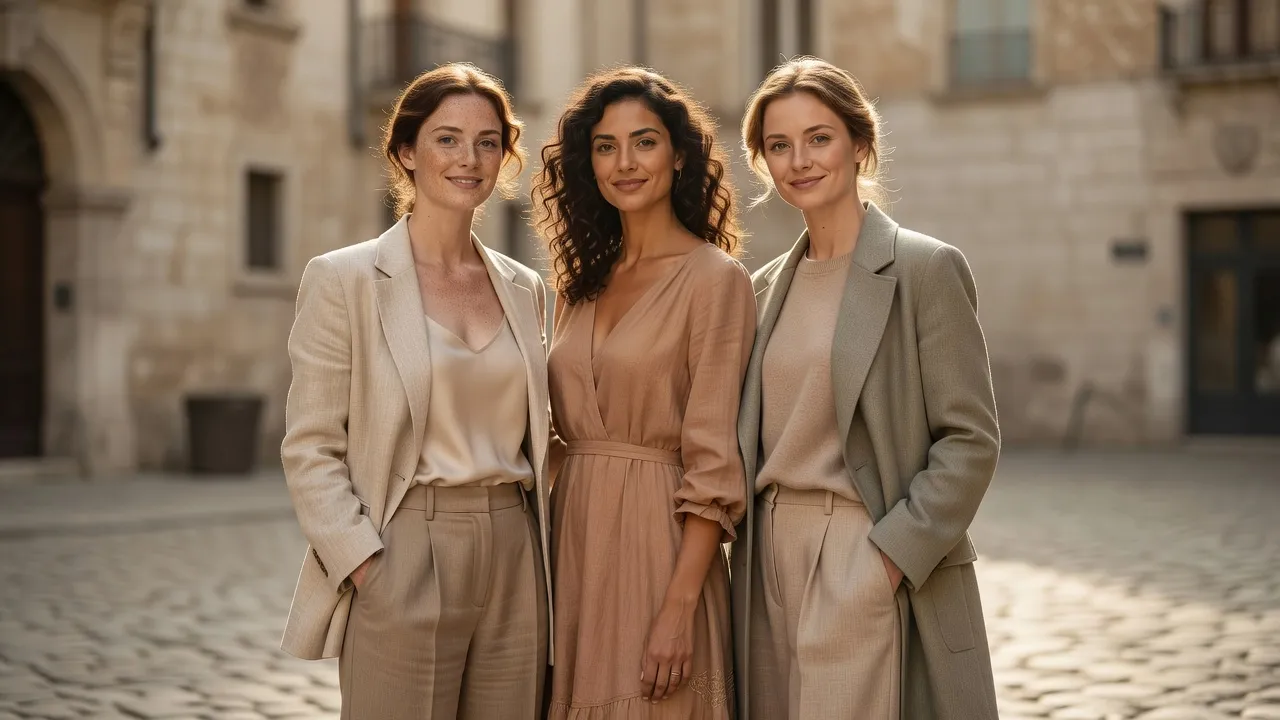
European beauty standards emphasize a combination of high facial symmetry, clear skin, lean physical proportions, and an effortless, minimalist aesthetic that varies significantly by sub-region. Unlike rigid single-ideal cosmetic systems, European aesthetic expectations prioritize natural feature structure and subtle enhancement over heavy visual transformation. Understanding these regional variations helps individuals contextualize regional visual benchmarks within broader global frameworks like standards of beauty around the world.
Historically, european beauty standards evolved out of distinct climate conditions, cultural values, and media influences across Northern, Western, Southern, and Eastern Europe. While shared ideals like skin clarity and balanced facial proportions exist everywhere on the continent, the exact definition of an attractive appearance changes as you cross national borders.
How do beauty standards differ across countries like France, Germany, and the UK?
Beauty standards in France prioritize effortless minimalism, while Germany favors healthy functional athletic traits and the UK emphasizes styled, expressive cosmetic trends. Each country’s culture dictates how people approach makeup, skincare, and body maintenance.
French beauty culture centers on the effortless look. French women generally invest heavily in skincare products to avoid wearing heavy foundations or dramatic facial contouring. Red lipstick paired with a fresh, bare face remains a classic French staple.
In Germany, physical fitness, clean skin, and unpretentious grooming dominate aesthetic preferences. The German standard leans heavily into natural skin texture and practical hair styling, a trend covered extensively when examining german facial features women. High-maintenance aesthetic routines are often viewed with skepticism in favor of active, outdoor-oriented vitality.
The United Kingdom presents a very different visual landscape. British beauty standards blend traditional European preferences with high-glam influences from American social media. Tanning, sculpted eyebrows, precise lip styling, and bold hair styling are far more prevalent across the UK than in continental Western Europe.
What does the Eurobarometer survey reveal about attitudes to beauty and appearance in Europe?
Data from European Commission public opinion polls reveals that European citizens overwhelmingly view appearance discrimination as a distinct social issue while maintaining strong cultural preferences for subtle, non-surgical self-care. European public sentiment strongly supports authenticity over extreme artificial modification.
According to survey data published by the European Commission Public Opinion portal, public perceptions surrounding physical appearance strongly correlate with age and urban density across member states. As of September 2026, European consumers increasingly push back against heavy digital filter alterations in advertising.
European citizens consistently express a preference for preventative skincare over invasive cosmetic surgeries. While medical aesthetics have grown in popularity, the social expectation remains that work should look completely undetectable.
What do YouGov surveys reveal about attractiveness in Europe?
YouGov opinion polling consistently shows that Europeans rate confidence, skin health, and natural facial symmetry far higher than artificial cosmetic augmentations. Across multiple European demographics, subtle signals of health outweigh heavy cosmetic alterations.
Data tracked by YouGov UK indicates that over 60 percent of respondents across Western Europe identify healthy skin as the single primary signal of personal attractiveness. Furthermore, European beauty preferences show a clear generational shift away from thick matte foundations toward lightweight tinted serums.
In terms of physical traits, European respondents frequently highlight healthy teeth, expressive eyes, and a balanced profile over specific exaggerated body shapes. Physical fitness is consistently coded as a mark of self-discipline and overall health rather than purely a pursuit of thinness.
What does Dove's Global Beauty and Confidence report say about beauty in Europe?
Dove’s benchmark research shows that European women experience intense pressure from digital beauty standards, yet maintain a higher preference for body neutrality than their North American counterparts. Cultural messaging in Europe encourages aging with grace over perpetual youth-chasing.
Published research by Unilever's Dove Project highlights that while anxiety over digital media filters remains widespread, Southern and Western European women report greater confidence in aging naturally without surgical interventions.
European culture generally accepts natural aging signs like fine lines or silver hair far earlier than Asian or North American media markets. The focus stays firmly on feeling vibrant rather than eliminating every structural flaw.

What do cross-cultural studies say about facial attractiveness across European countries?
Cross-cultural evolutionary psychology studies confirm that facial symmetry, healthy skin coloration, and balanced facial proportions are universally attractive across all European regions. Underlying biological markers drive base attraction across diverse borders.
Academic research published on PLOS ONE shows that while specific coloring preferences like tanned skin versus fair skin shift by regional climate, core mathematical markers like facial dimorphism and symmetry remain consistent across European test groups.
Even though local preference dictates hair color or makeup style, the underlying golden ratios of cheekbone width to jaw length remain steady anchors of perception. Understanding that beauty is subjective allows individuals to balance these evolutionary formulas with personal expression.
How do Southern European ideals and beauty standards in Italy shape the region?
Beauty standards in Italy and the broader Mediterranean place high emphasis on sun-kissed skin tones, expressive facial features, dark hair, and curated personal elegance known as la bella figura. Mediterranean beauty philosophy treats personal presentation as an essential social art.
In Italy, beauty is intimately connected to overall posture, wardrobe coordination, and facial expressiveness. Italian standards celebrate high contrast, such as dark hair paired with glowing skin and sharply defined eyebrows.
Unlike the hyper-minimalism of Scandinavia or Northern Europe, beauty standards in Italy embrace warmth, rich fragrance, and polished glamour. Hair is usually styled voluminous and glossy, while skincare routines prioritize olive oil-derived hydrators and high-factor sun protection to maintain skin elasticity.
Comparing European regional beauty benchmarks
The table below breaks down how core aesthetic preferences differ across four major European regions as of 2026.
| Region | Primary Skincare Focus | Preferred Makeup Style | Structural Feature Benchmark |
|---|---|---|---|
| Northern Europe | Barrier repair, hydration, red-ness reduction | Minimal "no-makeup" makeup, sheer tints | High cheekbones, light hair/eyes, soft jaw lines |
| Western Europe | Antioxidant serums, subtle radiance, aging gracefully | Effortless chic, bold lip accents, natural brows | Distinct facial symmetry, balanced nose bridge |
| Southern Europe | Sun protection, oil balancing, deep moisture | Warm bronzers, polished eye makeup, styled brows | Expressive eyes, warm olive skin tone, strong jawline |
| Eastern Europe | Deep nourishment, smoothing serums, bright tones | High-glam emphasis, sleek hair, sharp contouring | High facial cheekbone prominence, sleek profile |
How AI facial analysis helps map your personal aesthetic
Analyzing your facial proportions through modern specialized software offers objective insight into your symmetry, jawline definition, and skin clarity without relying on biased opinions. Digital analysis eliminates guesswork when identifying your best facial traits.
If you want to evaluate how your visual features align with universal mathematical ratios, using smart mobile tools makes the process simple. The Glow Up & Attractiveness Test serves as an AI-powered facial analysis platform designed specifically for women looking to understand their feature structure.
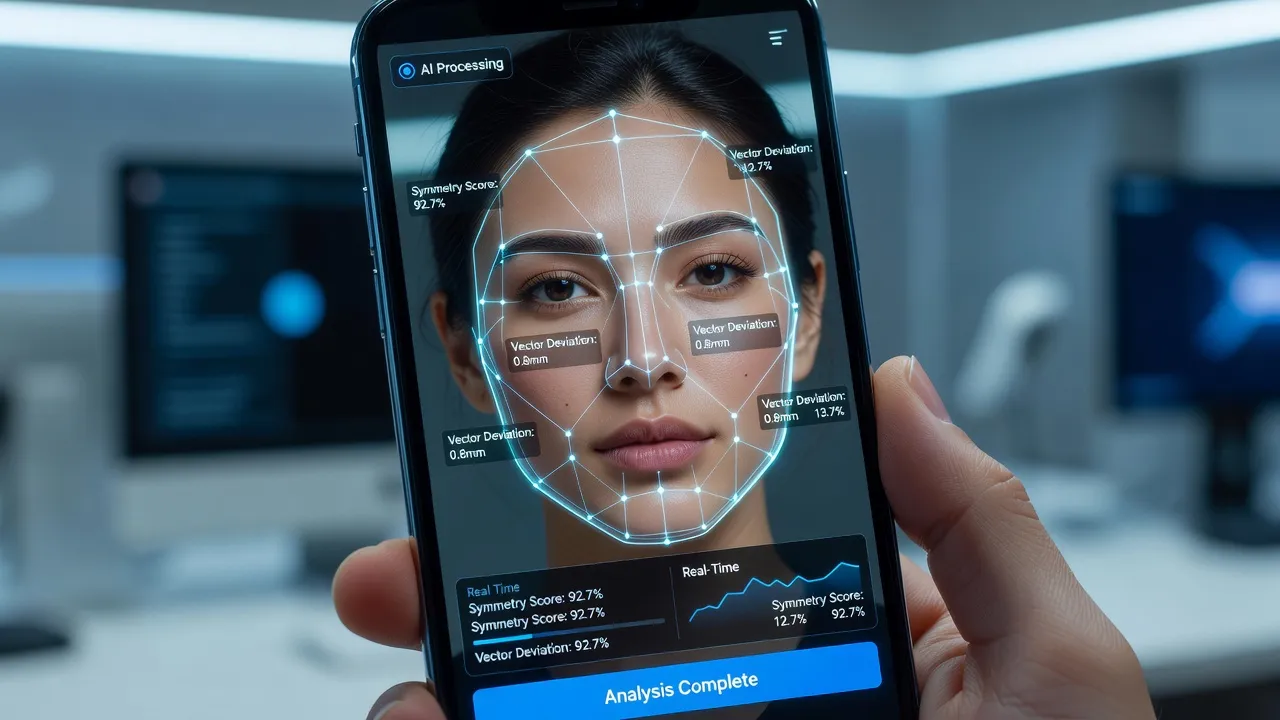
By downloading the Glow Up & Attractiveness Test on iOS, you can upload a simple selfie to receive a detailed breakdown of your facial planes, cheekbone width, and symmetry scores. For $9.99/week, the app generates personalized ratings alongside tailored tips to optimize your look, letting you see your aesthetic potential through fine-tuned AI generation.
What role does facial symmetry play in European aesthetics?
Facial symmetry is universally recognized across Europe as a core indicator of physical attractiveness and underlying genetic health. Biologically, symmetrical features are easier for the human brain to process efficiently.
While pure 100 percent symmetry does not exist naturally in human faces, higher degrees of balance create harmonious visual appeal. European beauty cultures generally focus on subtle makeup techniques to balance asymmetrical eyebrows, lips, or jawlines.
Simple habits like sleeping on your back or engaging in targeted facial care can help preserve natural facial alignment over time. Subtle structural harmony always triumphs over drastic artificial reshaping in European aesthetic evaluations.
How to tailor your personal routine to modern European standards
- Focus on skin quality over coverage: Invest in daily sun protection, hydrating serums, and thorough evening cleansing to keep your skin smooth and radiant naturally.
- Embrace your natural feature shape: Work with your natural eye shape, brow arch, and hair texture rather than attempting complete visual transformation.
- Enhance facial balance gently: Use subtle makeup techniques like strategic highlighting or soft brow shading to create visual symmetry without heavy layering.
- Prioritize posture and personal presentation: Cultivate the European concept of effortless elegance by focusing on neat styling, comfortable tailored clothing, and confident body language.
Frequently Asked Questions
Are European beauty standards shifting toward natural makeup?
Yes, consumer trends across Europe heavily favor minimalist makeup and glowing skincare over heavy matte foundations and sharp contouring.
Is pale skin still preferred in European beauty standards?
Preferences vary by region. Northern Europe often embraces natural fair skin, while Southern Europe celebrates sun-kissed and olive skin tones.
What is the concept of la bella figura in Italian beauty?
La bella figura is an Italian cultural concept about presenting oneself with grace, elegance, good style, and neatness in every public interaction.
How important is facial symmetry in European visual perception?
Facial symmetry remains one of the strongest evolutionary signals of attractiveness across all European countries and cross-cultural studies.
Does European beauty culture accept natural aging?
Compared to many global markets, European beauty standards generally show higher acceptance for natural aging, fine lines, and gray hair.
What is the average cost of AI face rating tools in 2026?
Most specialized AI facial analysis platforms cost around $10 per week, with apps like Glow Up & Attractiveness Test priced at $9.99/week on iOS.