
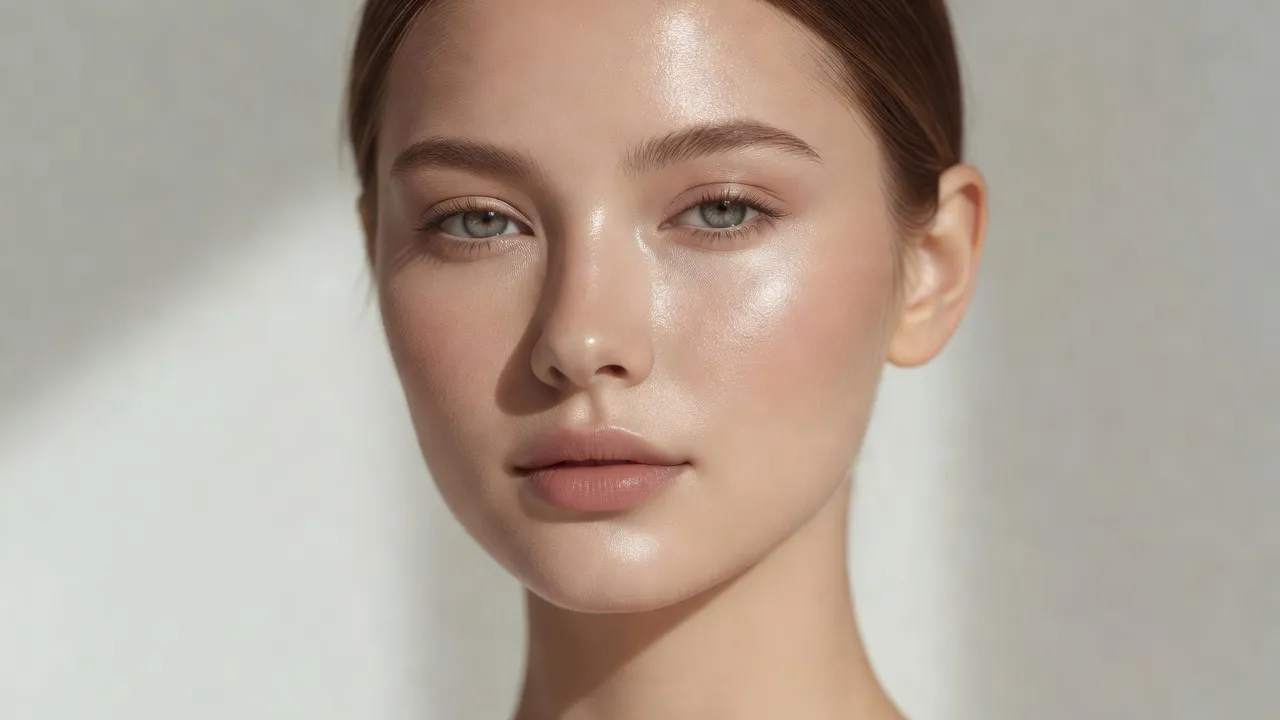
Beauty and youth in biological terms refer to the visual markers of cellular vitality, facial symmetry, and skin structural integrity that human evolutionary psychology associates with peak reproductive health. Unlike fleeting aesthetic trends, the biological overlap between youthfulness and perceived attractiveness rests on measurable markers like dermal collagen density, cheekbone definition, and skin tone evenness. Understanding how these biological systems age allows you to make evidence-based decisions about skincare, aesthetic interventions, and daily maintenance routines.
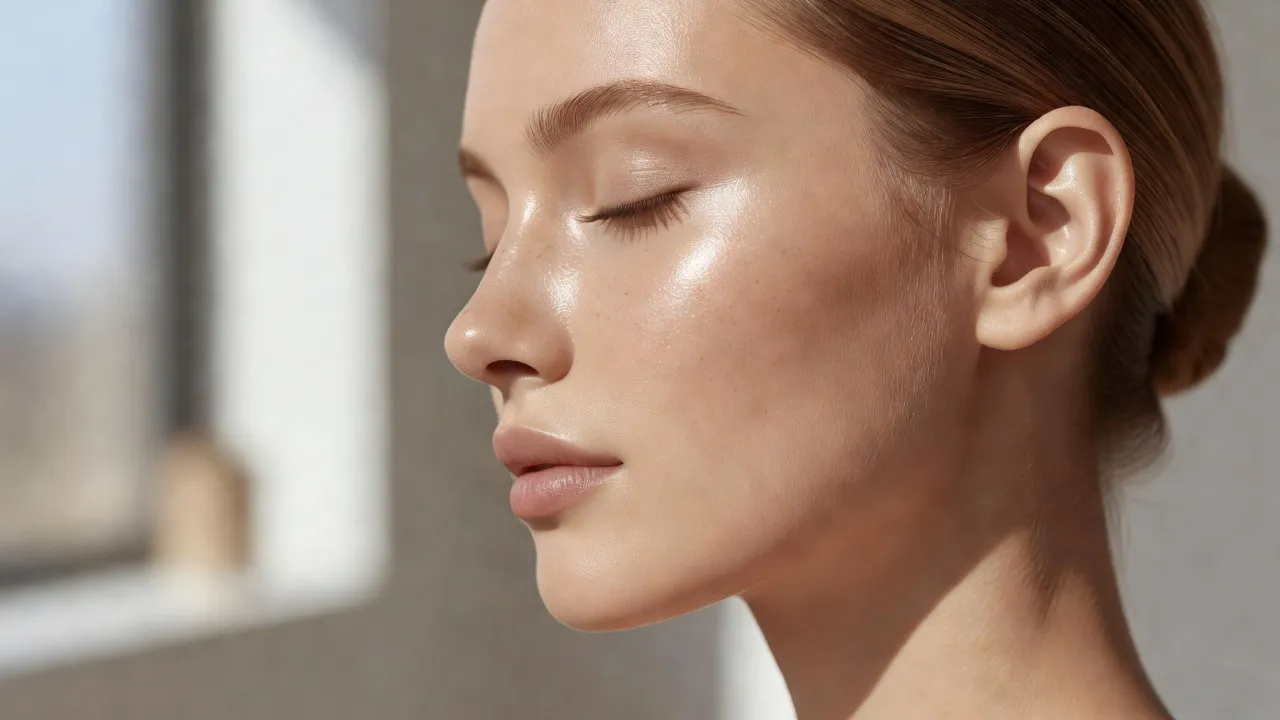
Why do human perception and biology link beauty and youth?
Human perception links beauty and youth because physical traits associated with youthful health, such as smooth skin texture, facial symmetry, and high skin contrast, serve as evolutionary proxies for genetic fitness. Research shows that human visual processing naturally prioritizes facial symmetry and dermal clarity when evaluating attractiveness.
Starting around age 20, the human dermis produces approximately 1% less collagen each year. As collagen and elastin fibers degrade, skin loses its structural scaffolding, leading to fine lines, volume loss, and altered facial contours. The subcutaneous fat pads that give young faces their rounded fullness begin to atrophy and shift downward under gravity.
Societal preferences across regions often highlight these biological changes. For instance, studying regional preferences like beauty standards in europe reveals a consistent cultural preference for clear dermal texture, structural facial definition, and biological symmetry.
What skincare routine do dermatologists recommend for anti-aging?
Dermatologists recommend an anti-aging skincare routine built around evidence-based active ingredients: morning vitamin C and broad-spectrum sunscreen, paired with evening retinoids, niacinamide, peptides, and hyaluronic acid. The primary goal of a clinical routine is protecting the skin barrier while stimulating cellular renewal.
What most people get wrong about anti-aging skincare is buying dozens of trending products and layering them incorrectly. This costly mistake often leads to contact dermatitis, skin barrier damage, and persistent inflammation that actually accelerates skin aging. A streamlined, consistent routine outperforms an overcrowded cabinet every time.
Dermatologists highlight six core active ingredients for anti-aging:
- Retinoids (Retinol / Tretinoin): Accelerate cell turnover, clear pore buildup, and stimulate type I collagen synthesis.
- Vitamin C (L-ascorbic acid): Neutralizes free radicals caused by UV exposure and inhibits melanin production to brighten hyperpigmentation.
- Broad-Spectrum Sunscreen: Blocks UVA and UVB rays that break down dermal collagen and cause photoaging.
- Niacinamide (Vitamin B3): Strengthens lipid barrier repair, reduces inflammation, and regulates sebum production.
- Peptides: Act as short-chain amino acids that signal skin cells to build new collagen and repair damaged scaffolding.
- Hyaluronic Acid: Pulls water into the epidermis to temporarily plump skin and diminish fine lines caused by dehydration.
What does the American Academy of Dermatology recommend for sunscreen and broad-spectrum SPF use?
The American Academy of Dermatology recommends using a broad-spectrum, water-resistant sunscreen with an SPF of 30 or higher every single day, regardless of weather or indoor plans. Sunlight contains both UVA rays (which cause premature skin aging and wrinkles) and UVB rays (which cause sunburn).
According to the official American Academy of Dermatology sunscreen guidelines, broad-spectrum protection is necessary because UVA rays penetrate glass and cloud cover year-round. Applying sunscreen only on bright summer days is one of the most common mistakes people make. Up to 80% of visible facial aging stems from cumulative, unprotected ambient sun exposure.
Sunscreen Application Rules:
- Quantity: Use roughly 1/4 teaspoon (two finger lengths) for your face and neck combined.
- Timing: Apply sunscreen 15 minutes before stepping outside so the protective film sets.
- Reapplication: Reapply every two hours, or immediately after swimming or sweating heavily.
- Makeup Trap: Do not rely on SPF embedded in liquid foundation or powder, as nobody applies enough makeup to achieve the rated protection factor.
What are the best dermatologist-recommended anti-aging products?
The best dermatologist-recommended anti-aging products center on proven active formulations: prescription tretinoin or over-the-counter retinol for cellular turnover, alpha-hydroxy acids (AHAs) like glycolic acid for exfoliation, and ceramide-rich moisturizers for barrier repair. Clinical effectiveness depends on ingredient concentration, formula stability, and consistent application over several months.
As detailed by the Mayo Clinic's guide on wrinkle creams, non-prescription anti-aging creams vary widely in active strength and delivery systems. Choosing products with clinical testing ensures you are paying for active ingredients that actually penetrate the stratum corneum.
The most effective anti-aging product categories include:
- Prescription Retinoids (Tretinoin / Adapalene): Provide direct retinoic acid to skin receptors without requiring enzymatic conversion steps.
- Alpha-Hydroxy Acids (Glycolic Acid 8-10%): Dissolve intercellular glue to shed dead, discolored surface cells that cause dull skin.
- Ceramide Creams: Replenish crucial intercellular lipids to prevent trans-epidermal water loss and protect reactive skin.
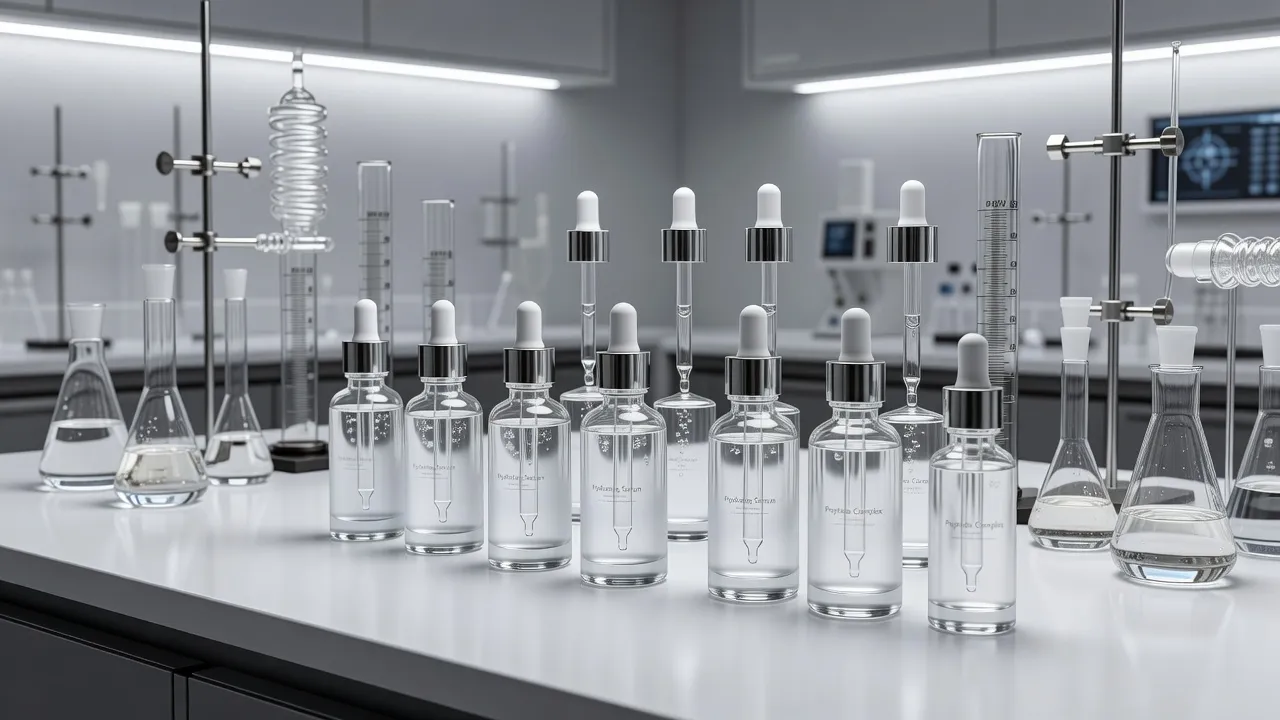
What retinol alternatives, like bakuchiol, do dermatologists recommend?
Dermatologists recommend bakuchiol as a gentle, plant-derived retinol alternative because it stimulates collagen production and speeds cell turnover without causing the redness or peeling typical of retinoids. Bakuchiol offers an effective option for individuals with sensitive skin, rosacea, or those who are pregnant or nursing.
A clinical study published in the British Journal of Dermatology demonstrated that applying 0.5% bakuchiol twice daily significantly decreased wrinkle surface area and hyperpigmentation, matching the performance of 0.5% retinol over 12 weeks with significantly fewer reports of scaling and sting.
Other dermatologist-approved options for sensitive skin include:
- Azelaic Acid (10-15%): Calms redness, inhibits abnormal pigment formation, and smooths skin texture gently.
- Copper Peptides: Help support skin repair networks and collagen elasticity without triggering retinoid irritation.
- PHAs (Polyhydroxy Acids): Larger molecular size acids like gluconolactone that exfoliate surface skin without deep dermal penetration.
What is the recommended morning versus evening skincare routine order?
The recommended skincare routine order is applying lightweight, water-based antioxidants and sun protection in the morning, while reserving active repair treatments and dense lipid creams for the evening. Order matters because applying products out of sequence blocks active ingredients from penetrating the skin.
Here is the exact application sequence dermatologists advocate:
Morning Routine Order:
- Gentle Cleanser: Remove overnight oils without stripping natural hydration (a water rinse works for dry skin types). Check out a complete morning skincare routine guide for step-by-step skin prep tips.
- Antioxidant Serum (Vitamin C): Apply directly to clean skin to neutralize daily environmental stress and pollution.
- Hydrating Serum / Light Moisturizer: Seal in moisture using hyaluronic acid or light lotions.
- Broad-Spectrum Sunscreen (SPF 30+): Always apply sunscreen as the final step before makeup.
Evening Routine Order:
- Double Cleanse: Use an oil-based cleanser to break down makeup and SPF, followed by a gentle hydrating cleanser.
- Targeted Actives (Retinoids / Exfoliants): Apply your retinoid or AHA treatment on dry skin to maximize absorption. You can review a structured skincare routine at night to customize your steps.
- Restorative Moisturizer: Apply a ceramide or lipid-rich cream to lock in moisture and support skin barrier repair while you sleep.
What do dermatologists say about chemical peels for anti-aging?
Dermatologists consider chemical peels an effective clinical treatment for anti-aging because controlled acid application removes damaged skin layers, forcing fresh cells to surface and stimulating collagen synthesis. Chemical peels range from mild, zero-downtime lunchtime exfoliations to deep medical procedures.
Chemical peels fall into three primary depth categories:
- Superficial Peels: Use low-concentration glycolic, lactic, or salicylic acid to brighten surface skin. Recovery takes 1-3 days with mild flaking.
- Medium-Depth Peels: Use trichloroacetic acid (TCA up to 35%) to target deeper wrinkles and hyperpigmentation. Recovery takes 7-14 days with noticeable peeling.
- Deep Peels: Use phenol solutions to treat severe photo-damage and deep furrows. These require medical sedation and weeks of intensive recovery.
What many people get wrong is attempting high-strength DIY chemical peels at home. Misusing industrial-grade acids on your own skin frequently causes chemical burns, permanent scarring, and post-inflammatory hyperpigmentation.
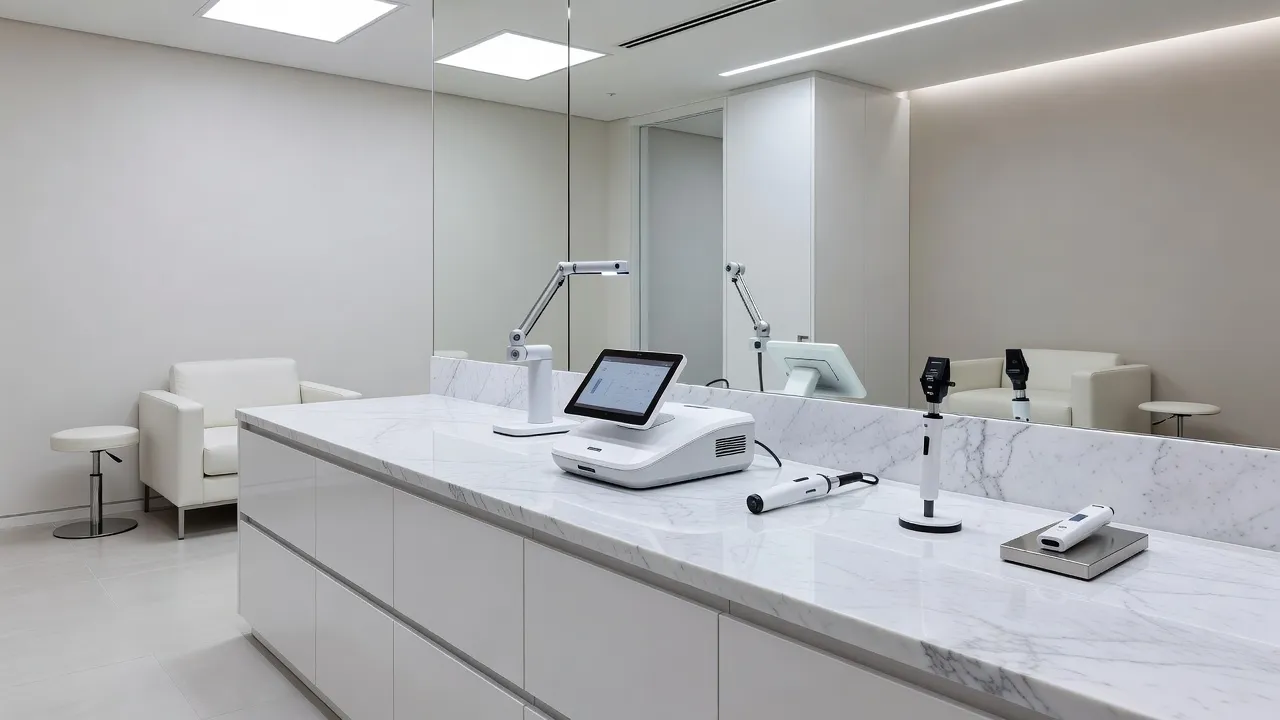
How should you track facial youthfulness and aesthetic progress over time?
Tracking facial youthfulness over time requires objective measurement of skin clarity, structural symmetry, and contour definition rather than relying on subjective daily mirror checks. Subjective visual checks often cause frustration because subtle day-to-day changes are difficult to spot with the naked eye.
As of September 2026, personal aesthetic tracking tools have evolved significantly beyond simple photo logs. Instead of guessing whether a new retinoid or facial exercise routine is paying off, women are using digital tools to measure concrete changes in facial harmony, skin contrast, and feature proportion over weeks and months.
The table below outlines four primary methods used to track facial youthfulness and aesthetic metrics:
| Method | Ideal Reader / Target Audience | Primary Focus | Cost / Friction |
|---|---|---|---|
| Clinical Dermatologist Evaluation | Patients seeking in-office medical diagnostics, mole mapping, and prescription monitoring. | Cellular pathology, deep collagen density, medical skin health. | High ($150-$400 per visit, requires appointment). |
| Glow Up & Attractiveness Test | Women seeking fast AI-powered facial ratings, symmetry analysis, and structured glow up tracking. | Facial symmetry, feature ratio analysis, overall attractiveness rating, tailored beauty tips. | Low ($9.99/week via smartphone app). |
| At-Home 3D Skin Scanners | Tech-focused enthusiasts tracking multi-spectral surface vascularity and pigment depth. | Epidermal pigmentation pockets, pore volume, moisture levels. | Medium to High ($200-$600 hardware purchase). |
| Daily Mirror / Unassisted Photos | Casual consumers tracking general aesthetic habits without numerical metrics. | Basic visual changes, obvious breakout resolution. | Free, but highly subjective and prone to lighting bias. |
If you want an accessible, objective way to evaluate your facial features and track your glow up progress, downloading Glow Up & Attractiveness Test provides immediate clarity. By taking a single selfie, the app uses fine-tuned AI models to analyze your face, compute your attractiveness score, and offer custom tips to optimize your natural beauty.
I think relying on AI face analysis tools is far more practical than obsessing over slight mirror variations every morning. Instead of guessing if your skincare routine is working, seeing concrete scores and tracking your transformation with the iOS app on the Apple App Store gives you actionable visual data.
Frequently Asked Questions
What is the most important anti-aging step for maintaining young-looking skin?
Applying broad-spectrum SPF 30+ sunscreen daily is the single most important anti-aging step. Up to 80% of visible skin aging comes from sun exposure, so preventing UV damage protects your existing collagen and prevents hyperpigmentation better than any corrective cream.
How long does it take to see results from anti-aging retinoids?
It typically takes 8 to 12 weeks of consistent retinoid use to see initial surface improvements in skin smoothness and acne. Collagen remodeling and visible reduction in fine lines usually require 3 to 6 months of daily application.
Can facial exercises make your face look younger?
Facial exercises may modestly strengthen underlying facial muscles, but they do not reverse dermal collagen loss, elastic breakdown, or surface sun damage. Overly aggressive facial movements can sometimes deepen expression lines in the skin.
Is bakuchiol as effective as prescription tretinoin?
Bakuchiol delivers similar cosmetic anti-aging benefits to mild over-the-counter retinol, such as reducing fine lines and evening skin tone without irritation. However, prescription tretinoin remains significantly stronger and faster-acting for severe photo-damage and collagen regeneration.
At what age should you start an anti-aging skincare routine?
Preventative anti-aging care, specifically sunscreen and antioxidant protection, should start in your teens or early twenties. Active ingredients that boost cell turnover, like retinoids and exfoliants, are typically introduced in your mid-to-late twenties when natural collagen production begins to slow down.
What is the difference between dry skin and aging skin?
Dry skin lacks adequate oil production, while aging skin suffers from structural collagen loss, decreased cell turnover, and compromised elasticity. Dehydrated or dry skin can make fine lines appear worse, but moisturizing alone will not restore lost skin elasticity.
Do anti-aging creams work on sagging jawlines?
Topical creams improve skin surface texture and light hydration, but they cannot lift significantly sagging subcutaneous tissue or deep muscle loss along the jawline. Structural sagging usually requires clinical energy treatments, fillers, or surgical intervention for noticeable repositioning.