
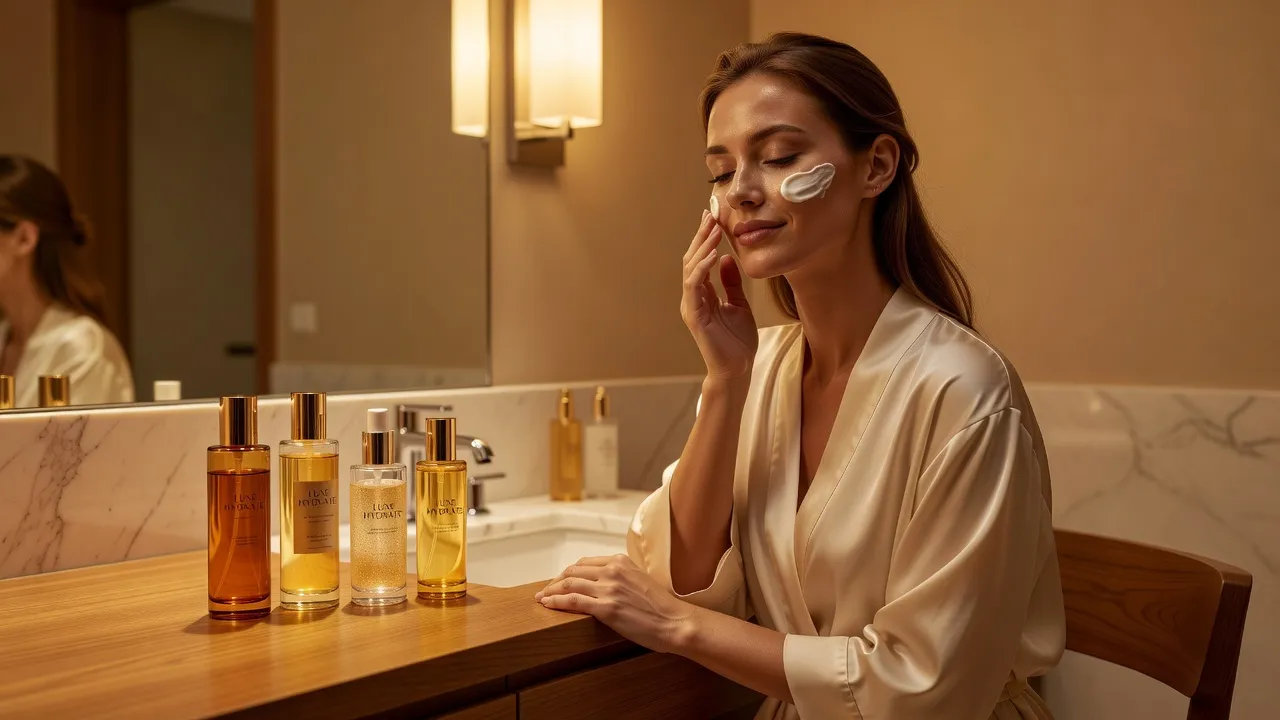
A complete skincare routine at night takes 6 sequential steps and roughly 8 to 10 minutes, costing anywhere from $35 for basic drugstore formulas to over $150 for targeted active serums. Following the correct application order allows your skin to recover overnight, repair its moisture barrier, and absorb active ingredients like retinol or exfoliation acids without triggering irritation.
During nighttime sleep, your skin's blood flow increases and cell regeneration speeds up compared to daytime hours. However, transepidermal water loss (TEWL) also peaks at night, meaning your skin loses moisture much faster while you sleep. Building an effective nightly skincare routine centers on removing daytime pollution and makeup, delivering active repair ingredients, and locking in hydration before your head hits the pillow.
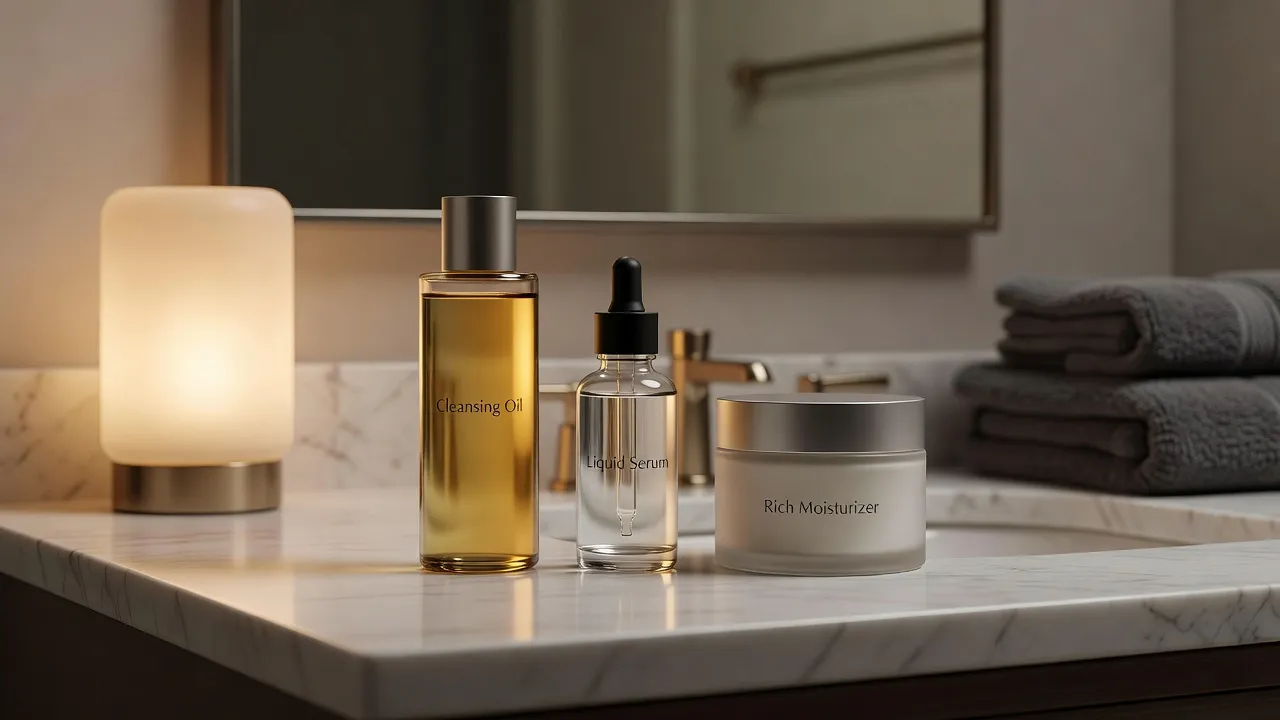
The nightly skincare routine at a glance
Building a evening routine does not require spending hundreds of dollars on luxury jars. Most effective regimens rely on reliable drugstore formulations for cleansing and moisturizing, reserving higher price points strictly for specialized active treatments.
| Step Number | Routine Step | Primary Purpose | Realistic Time Required | Typical Product Cost (2026) |
|---|---|---|---|---|
| Step 1 | Makeup & Sunscreen Removal | Dissolve lipophilic oils, sebum, and water-resistant SPF | 1-2 minutes | $8 - $22 |
| Step 2 | Gentle Water Cleansing | Remove sweat, residue, and water-based impurities | 1 minute | $7 - $18 |
| Step 3 | Hydrating Toner / Essence | Rebalance skin surface pH and prep skin for serums | 30 seconds | $10 - $28 |
| Step 4 | Active Treatment (Serums) | Target acne, fine lines, hyperpigmentation, or texture | 1-2 minutes | $12 - $65 |
| Step 5 | Eye Cream (Optional) | Hydrate thin orbital skin and prevent transepidermal dryness | 30 seconds | $10 - $45 |
| Step 6 | Night Moisturizer / Occlusive | Seal in active ingredients and prevent overnight moisture loss | 1 minute | $9 - $35 |
Before investing in expensive active ingredients, evaluating your baseline skin condition helps you avoid buying products you do not actually need. Using an AI-backed facial analysis tool like the Glow Up & Attractiveness Test allows you to scan your skin texture, identify problem areas, and structure a targeted 6 week glow up program without wasting money on trial-and-error products.
Step 1: Remove makeup and sunscreen with an oil-based cleanser
An oil-based cleanser breaks down surface sebum, long-wear foundation, and water-resistant sunscreen that regular face washes leave behind. Water alone or simple water-based gel cleansers cannot dissolve oil-based cosmetics effectively. Skipping this initial step often traps debris inside pores overnight, leading to breakouts and dull texture.
According to the American Academy of Dermatology, properly cleansing the face every night prevents clogged pores and inflammation. Oil cleansers, cleansing balms, and micellar waters bind to lipophilic substances on your skin without stripping your lipid barrier.
[ Lipophilic Cleanser (Balm / Oil) ] -> Dissolves oil-soluble SPF, makeup & sebum
                 │
                 ▼
[ Emulsification with warm water ]   -> Turns cleanser milky & rinses off cleanly
                 │
                 ▼
[ Water-Based Gel or Foam Wash ]     -> Removes remaining sweat & micro-impurities
How do you use a cleansing balm or oil correctly?
Apply cleansing oil or balm directly onto completely dry skin with dry hands. Massage the product gently over your face in circular motions for 45 to 60 seconds, paying extra attention to the nose, hairline, and lash lines.
Add a splash of lukewarm water to emulsify the formula into a milky emulsion before rinsing thoroughly. Never wipe dry skin aggressively with rough towels, as friction breaks delicate facial capillaries over time.
Is micellar water a good substitute for cleansing oil?
Micellar water works as a lightweight alternative, but it requires soft cotton pads and gentle pressing rather than hard rubbing. If you wear heavy silicone-based foundations or waterproof mascara, cleansing oils and balms dissolve stubborn formulas much faster than micellar solutions.
Step 2: Wash with a gentle water-based facial cleanser
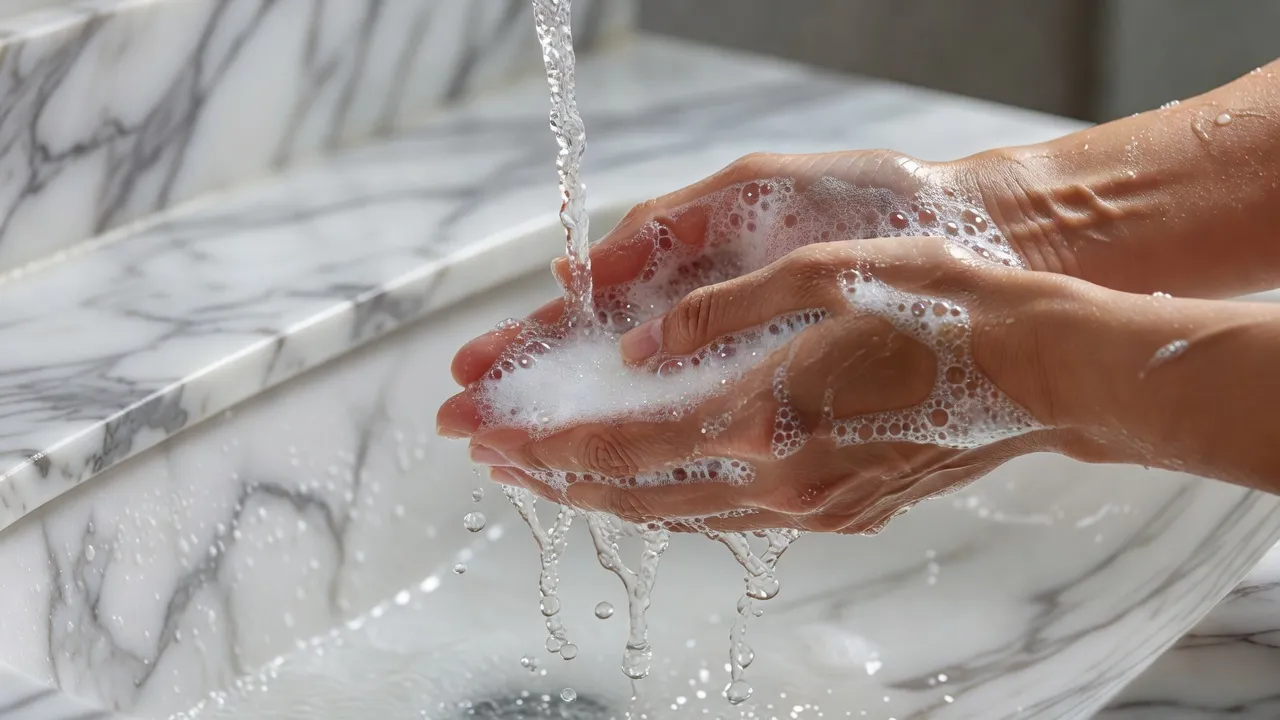
A water-based facial wash cleans away water-soluble debris, sweat, and emulsified oil cleanser residues. This second wash completes the "double cleansing" process, leaving your pores clean and ready to absorb active treatments.
The key to step two is picking a non-stripping cleanser. Avoid harsh sodium lauryl sulfate (SLS) soaps that leave your face feeling tight or squeaky, as that squeak indicates a damaged moisture barrier.
What ingredients should you look for in a nighttime face wash?
Look for soothing, hydrating ingredients like glycerin, ceramides, and hyaluronic acid in your daily wash. As of August 2026, gentle hydrating gel cleansers from standard drugstore brands retail between $8 and $15 for a full 8-ounce bottle, making this one of the most affordable steps in your regimen.
If you deal with stubborn acne breakouts, a cleanser with 2% salicylic acid (BHA) can help unclog pores. However, if you plan to use retinol or strong AHA acids in Step 4, stick to a neutral, gentle cleanser to avoid severe peeling or red blotches.
Step 3: Apply a hydrating toner or soothing essence
Hydrating toners rebalance your skin's natural surface pH and saturate the outer skin layers with water-binding humectants. Modern toners differ completely from the alcohol-heavy astringents of the 1990s. Today's evening toners focus on dampening the skin so subsequent active serums penetrate deeper and work more efficiently.
Clinical research published by the National Center for Biotechnology Information demonstrates that humectants like hyaluronic acid and glycerin significantly improve skin hydration when applied to damp skin prior to occlusive ointments.
How do you apply toner for maximum absorption?
Pour 3 to 5 drops of toner directly into clean palms and press it softly onto your face and neck. Avoid using cotton balls for hydrating toners, as cotton pads absorb half the product and waste your money.
If your skin feels dry or dehydrated after air conditioning exposure, you can layer 2 or 3 applications of toner back-to-back. Allow each layer to sink in for 15 seconds before applying the next.
Step 4: Apply targeted active treatments like retinoids or AHAs
Targeted treatments are liquid serums or creams containing potent ingredients designed to fix specific skin concerns like fine lines, hyperpigmentation, or breakouts. Because your skin repairs itself overnight, evening is the optimal window to apply potent actives like topical retinoids, glycolic acid, or niacinamide.
Topical retinol speeds up skin cell turnover and boosts collagen synthesis, but it also increases skin sensitivity to sunlight. That is why dermatologists universally recommend applying retinoids exclusively during your nightly skincare routine.
PM ACTIVE ROTATION SCHEDULE (Example for Sensitive Skin):

Monday:    [ Gentle Cleanser ] ──> [ Retinol 0.25% ] ──> [ Moisturizer ]
Tuesday:   [ Gentle Cleanser ] ──> [ Barrier Serum ] ──> [ Moisturizer ]
Wednesday: [ Gentle Cleanser ] ──> [ AHA/BHA Acid  ] ──> [ Moisturizer ]
Thursday:  [ Gentle Cleanser ] ──> [ Barrier Serum ] ──> [ Moisturizer ]
Friday:    [ Gentle Cleanser ] ──> [ Retinol 0.25% ] ──> [ Moisturizer ]
Should you use retinol every single night?
Beginners should start by using retinol only 2 nights a week for the first month. Applying strong retinoids every night right away usually causes flaking, redness, and burning. Gradually increase frequency to every other night, and eventually every night as your skin builds tolerance.
If you experience severe irritation from active serums, cross-reference your specific symptom locations with a face mapping of acne guide. Purging usually happens in areas where you normally break out, whereas true allergic contact dermatitis causes generalized redness across the entire face.
What is the "sandwich method" for sensitive skin?
The sandwich method involves applying a thin layer of light moisturizer first, followed by your retinol, and finishing with a second layer of cream. This buffering technique slows down active ingredient absorption slightly, reducing peeling and irritation while keeping the anti-aging benefits intact.
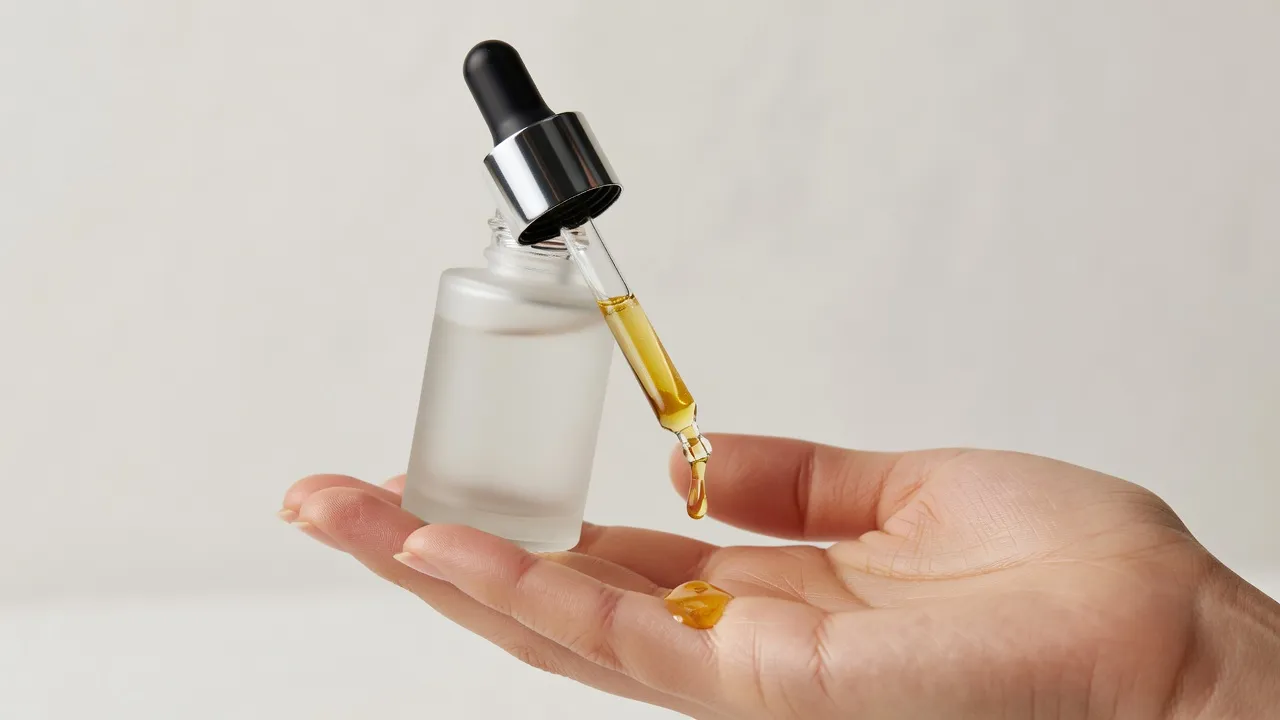
Step 5: Dab on an eye cream for delicate skin
Eye creams supply light hydration to the thin, delicate skin around the orbital bone without causing puffiness or milia. The skin surrounding your eyes is roughly 0.5 mm thick—much thinner than the rest of your face—making it particularly prone to early fine lines and moisture loss.
Guidance from the Cleveland Clinic notes that skincare products should always be applied from thinnest to thickest consistency. Eye creams typically fall between lightweight serum liquids and heavy nighttime face creams.
Is an expensive eye cream necessary?
No, an expensive standalone eye cream is optional if your standard facial moisturizer is fragrance-free and mild. Many basic facial creams provide the exact same ceramides and peptides at a fraction of the cost per ounce.
However, if your regular face lotion is rich in heavy butter or strong acids, buy a separate, ophthalmologist-tested eye gel or cream to avoid stinging and clogged eye glands.
Step 6: Seal hydration with a moisture-rich evening cream
Nighttime moisturizers lock in the water and active serums applied in earlier steps by creating an occlusive barrier on top of the skin. While morning creams focus on lightweight textures and SPF protection, evening moisturizers are denser and contain higher concentrations of lipids, fatty acids, and ceramides.
SKIN BARRIER MOISTURE TRAP

    [ Ambient Dry Bedroom Air (Low Humidity) ]
                      ▲
                      │  (Transepidermal Water Loss)
  ════════════════════╪═════════════════════════  <-- Unprotected Skin Surface
   Hydration escapes overnight without occlusion

-------------------------------------------------

    [ Ambient Dry Bedroom Air (Low Humidity) ]
                      │  (Blocked Moisture)
  ────────────────────▼─────────────────────────  <-- Step 6 Occlusive Layer
  ══════════════════════════════════════════════  <-- Hydrated Epidermis
   Moisture trapped inside barrier for 8 hours
What is the difference between a day cream and a night cream?
Night creams omit sun filters (SPF) and incorporate richer lipid sources like shea butter, squalane, or ceramides to fight overnight dryness. Applying a day cream with SPF before bed can clog pores unnecessarily and will not provide enough moisture for an 8-hour sleep cycle.
Prices for effective evening moisturizers checked in August 2026 range from $12 for reliable drugstore brands (like CeraVe or Cetaphil) up to $90 for high-end luxury formulas. For barrier repair, budget-friendly ceramide formulations perform just as well as luxury alternatives.
What is "slugging" and should you do it?
Slugging means spreading a tiny pea-sized amount of pure petrolatum (like Vaseline or Aquaphor) over your moisturizer as the final step of your nightly skincare routine. Petrolatum acts as an extreme occlusive, blocking over 98% of transepidermal water loss overnight.
Slugging works wonders for extremely dry skin or compromised moisture barriers. However, if you have oily skin or active acne, avoid petrolatum slugging, as it can trap excess sebum and dead skin cells inside your pores.
How do you layer nighttime skincare products without wasting money?
Layer products strictly based on consistency: thinnest (watery liquids) to thickest (rich oils and heavy creams). Liquid toners and serums have small molecule sizes designed to penetrate deep into the epidermis. Heavy creams contain larger molecules that rest on top of the skin to block evaporation.
Applying a thick cream before a thin serum forms an impenetrable barrier that prevents the serum from absorbing, turning your expensive active ingredients into an ineffective surface film.
CORRECT APPLICATION ORDER (Thinnest to Thickest)

1. Liquid Cleansers ──► 2. Watery Toners ──► 3. Thin Serums ──► 4. Cream Moisturizers ──► 5. Facial Oils
   (Deep Cleaning)         (Hydration Prep)     (Active Repair)     (Barrier Protection)      (Occlusive Seal)
Should you apply products from thinnest to thickest consistency?
Yes, applying products from lowest viscosity to highest viscosity ensures every active ingredient reaches the skin layer it was formulated to treat. Water-based solutions go first, followed by active emulsion serums, cream lotions, and finally thick plant oils or ointments.
What happens if you mix retinol with vitamin C or AHA acids?
Combining retinol with glycolic acid, salicylic acid, or high-dose vitamin C in the same evening causes severe redness, peeling, and barrier erosion. These potent actives clash when layered directly together on the skin.
- Keep Vitamin C for Morning: Use L-ascorbic acid in your AM routine to fight antioxidant damage from pollution and sun exposure.
- Alternate Evening Actives: Use your retinol serum on Monday and Thursday nights. Reserve Tuesday and Friday nights for AHA/BHA chemical exfoliation.
- Dedicate Recovery Nights: Leave 2 to 3 nights every week completely free of active acids to let your skin barrier rest and recover with plain moisturizers.
Where do most people waste money in a nightly skincare routine?
The biggest financial waste in evening skincare comes from over-buying redundant active serums and swapping products before they have time to work. Skin cell regeneration takes between 28 and 40 days. Switching serums every two weeks means you spend money without ever seeing real visible results.
Another common trap is believing that higher price tags guarantee better results. Formulation stability and active concentrations matter far more than elegant glass packaging or designer branding.
Are expensive night creams better than drugstore moisturizers?
No, independent clinical studies consistently show that $15 drugstore creams containing ceramides and glycerin hydrate skin just as effectively as $200 luxury creams. Luxury moisturizers often charge extra for proprietary fragrance blends, heavy decorative packaging, and celebrity endorsements rather than superior hydrating ingredients.
How do you track if your PM skincare routine is actually working?
Take standardized weekly photos under identical indoor lighting to track real changes in skin texture, redness, and tone over 30 to 60 days. Human eyes adapt slowly to subtle daily changes, making it hard to notice gradual improvements without objective photo comparison.
Using the Glow Up & Attractiveness Test app gives you an objective rating score and AI-powered visual analysis based on your selfies. Instead of guessing whether an expensive serum is working, you can track your visual skin progress alongside tailored advice built into their glow up guide.
If you are following holistic female aesthetics routines, read our complete guide on looksmaxxing for women to combine effective nighttime skincare with hair, diet, and lifestyle optimizations.
Common nighttime skincare mistakes to avoid
Even a well-planned evening skincare routine fails if small habitual mistakes ruin your product performance. Avoid these four common pitfalls:
- Going to sleep with damp, unsealed skin: Leaving hyaluronic acid on damp skin without sealing it with an occlusive moisturizer pulls water out of deeper skin layers into dry bedroom air.
- Using dirty pillowcases: Silk or cotton pillowcases collect hair oils, bacteria, and dead skin cells throughout the night. Change your pillowcase every 2 to 3 days to prevent acne flares.
- Towel-rubbing your face dry: Rubbing vigorously with a terrycloth towel causes micro-tears and chronic low-grade inflammation. Pat gently with a clean micro-fiber cloth instead.
- Applying products right before face-planting into pillows: Give your nighttime products 15 to 20 minutes to absorb into your skin before lying down. Otherwise, your silk pillowcase absorbs your $40 active serum instead of your face.
Frequently Asked Questions
What is the correct order for a nighttime skincare routine?
The correct application order is double cleansing (oil cleanser followed by water cleanser), hydrating toner or essence, active treatment serums (like retinol or glycolic acid), eye cream, and a rich night moisturizer to seal in hydration.
Is a nightly skincare routine necessary if I do not wear makeup?
Yes, a nightly skincare routine is still necessary even if you do not wear makeup. Your face accumulates environmental pollutants, excess natural sebum, and sweat throughout the day, while nighttime transepidermal water loss requires a moisturizer to protect your skin barrier.
How long should I wait between skincare steps at night?
Most steps require only 30 to 60 seconds of drying time between applications. However, after applying potent active treatments like retinol, wait 3 to 5 minutes before applying your nighttime moisturizer to allow the active ingredient to absorb fully without getting diluted.
Can I skip toner in my evening skincare routine?
Yes, toner is an optional step in a nighttime skincare routine. If your cleanser is non-stripping and your skin feels comfortable, you can apply your active serums directly onto clean, slightly damp skin without using a separate toner.
Is retinol better applied in the morning or at night?
Retinol should always be applied at night because UV sunlight breaks down retinoid molecules and makes them ineffective. Additionally, retinol increases your skin's sun sensitivity, making evening application much safer and more effective.
What should I do if my skin burns after applying night moisturizer?
If your moisturizer stings or burns upon application, your skin moisture barrier is compromised. Stop using all active ingredients like retinoids and exfoliants immediately, and stick strictly to a mild cleanser and a basic fragrance-free ceramide cream for 2 weeks until your barrier repairs itself.
Should I wash my face with hot water at night?
No, never wash your face with hot water at night because high temperatures strip away essential surface lipids and trigger capillary redness. Always use lukewarm or cool water when washing your face to preserve your natural skin barrier.