
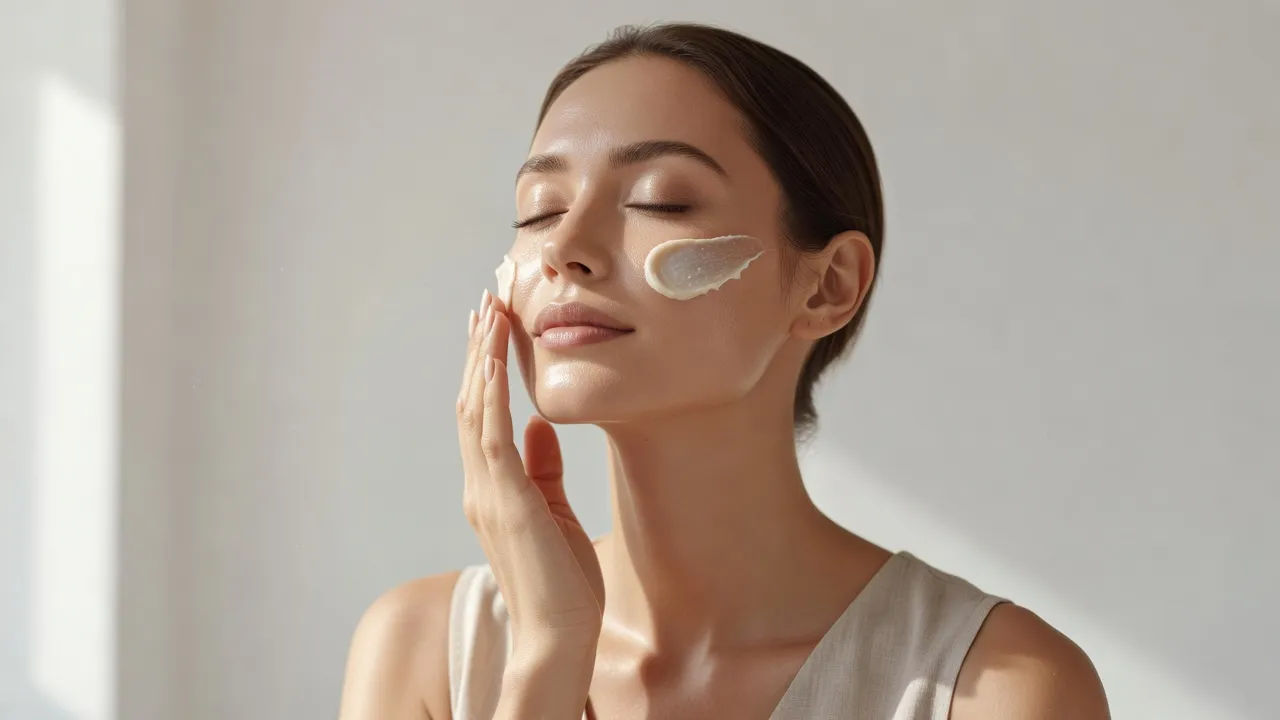
Building an effective dry skincare routine requires five daily steps focused on lipid restoration, gentle cleansing, and occlusion, taking about five minutes each morning and evening. By shifting away from harsh surfactants and applying humectants directly to damp skin, you can repair a compromised skin barrier within two to four weeks without spending hundreds of dollars on luxury formulas.
Achieving lasting skin hydration is not about buying the thickest cream on the shelf. It comes down to understanding how your skin barrier loses water and using specific ingredients in the correct order to stop that evaporation.
What does the American Academy of Dermatology recommend for very dry skin?
The American Academy of Dermatology (AAD) recommends keeping bath time short, using warm rather than hot water, and applying moisturizer immediately after washing to trap existing moisture. According to official guidelines from the American Academy of Dermatology, washing with hot water strips away essential skin lipids, which drastically speeds up transepidermal water loss.
The AAD also emphasizes choosing ointment or cream preparations over lotions. Ointments and heavy creams contain higher oil-to-water ratios, making them far more effective at creating a protective seal over cracked or flaking skin.
To prevent further irritation, the AAD advises opting exclusively for fragrance-free cleansers. Products labeled "unscented" often contain neutralizing chemicals that can still trigger stinging on sensitive skin barriers.
What does the British Association of Dermatologists advise for dry skin?
The British Association of Dermatologists advises using soap substitutes and leave-on emollients generously throughout the day to treat dry skin conditions. In their official patient guidance, the British Association of Dermatologists notes that traditional sodium lauryl sulfate (SLS) soaps strip protective sebum from stratum corneum cells, worsening flaking and tightness.
Instead of soapy cleansers, they suggest emollient washes that clean the skin without lathering. These non-foaming formulas leave behind a thin protective film that preserves lipid integrity.
They also emphasize applying emollients in the direction of hair growth. Massaging heavy creams against hair follicles can block pores and trigger folliculitis, an inflammatory hair follicle infection.
What does Mayo Clinic recommend for dry skin treatment?
Mayo Clinic recommends limiting exposure to dry air, using a room humidifier set to roughly 50%, and avoiding rough fabrics that cause mechanical friction. Based on clinical advice from Mayo Clinic, managing environmental dry skin triggers is just as critical as topical product application.
Their care plans prioritize daily application of thick moisturizers containing active barrier-repair ingredients. They advise patients to apply products right after blot-drying with a towel, while the skin remains visibly damp.
Mayo Clinic experts also caution against over-exfoliating. Using physical scrubs or high-percentage exfoliating acids on dry skin creates microscopic tears, which increases sensitivity and moisture loss.
What are the best ingredients for very dry skin?
The best ingredients for very dry skin are ceramides, urea, hyaluronic acid, glycerin, and petrolatum. Each ingredient plays a specific functional role in either attracting water to skin cells or locking water inside the lipid barrier.
- Ceramides: Lipid molecules that make up over 50% of the natural skin barrier. They fill the spaces between skin cells to restore structural integrity.
- Urea: A natural moisturizing factor (NMF) that acts as both a humectant and a mild keratolytic agent, softening rough scales.
- Hyaluronic Acid: A potent humectant that draws up to 1,000 times its weight in water into the outer layers of the epidermis.
- Glycerin: A classic, non-irritating humectant that pulls moisture into skin cells while enhancing skin flexibility.
- Petrolatum: The most effective occlusive agent available, reducing transepidermal water loss by over 98%.
Combining humectants (which pull water in) with occlusives (which seal water in) is the core mechanism of a successful morning skincare routine.
How is topical urea used for severe dry skin?
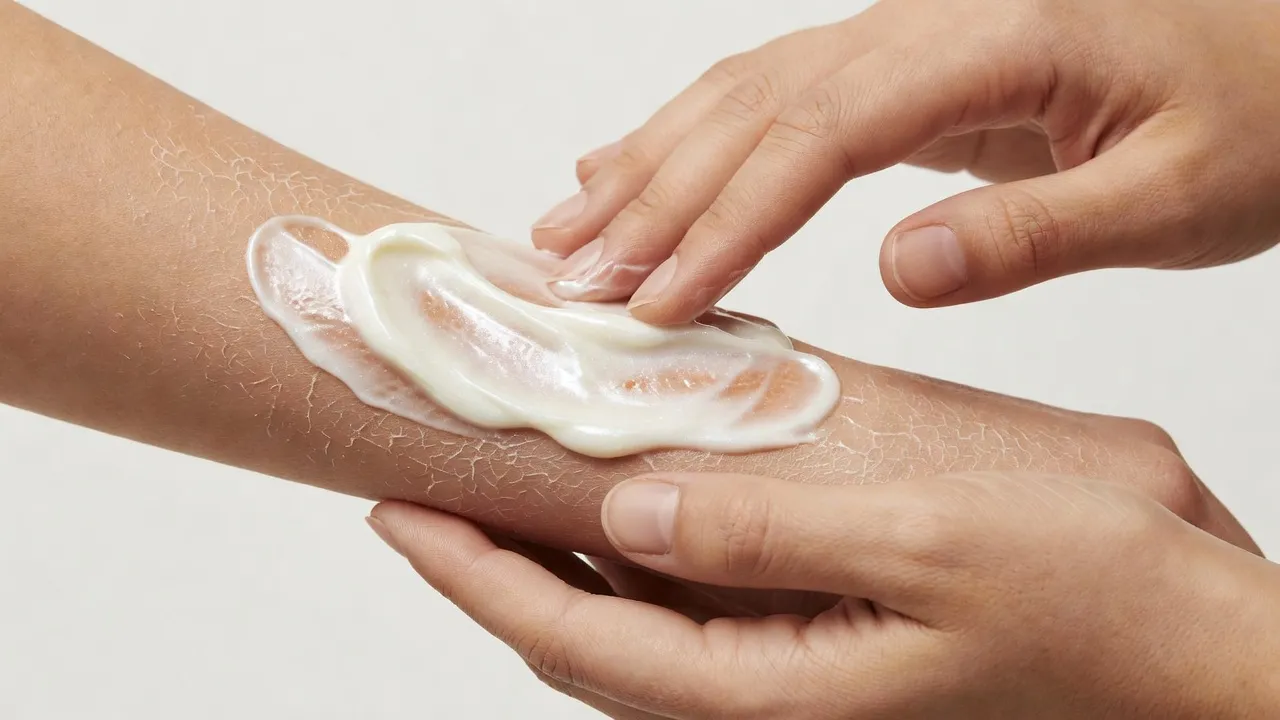
Topical urea is used at concentrations of 5% to 10% for daily hydration, and at concentrations of 20% to 40% to soften thick scales or calluses. At lower percentages, urea acts purely as a humectant by pulling water into the stratum corneum.
At higher concentrations, urea breaks down protein chains in dead skin cells. This makes it an effective medical treatment for conditions involving severe hyperkeratosis or extreme flaking.
However, high-strength urea creams are ruled out for broken skin or open fissures. Applying a 20% urea formula to cracked skin causes intense burning and localized stinging.
What does the National Eczema Association guidance say about dry skin?
The National Eczema Association guides individuals to look for products bearing their Seal of Acceptance, which rules out known contact allergens and severe irritants. According to published standards from the National Eczema Association, skin prone to severe dryness must avoid added fragrances, essential oils, and harsh drying alcohols.
Their guidelines prioritize simple, thick ointments over water-heavy lotions. Lotions contain higher water percentages, which evaporate quickly and often require added chemical preservatives that irritate sensitive skin.
Soak-and-seal therapy is another core recommendation from their clinical board. This involves soaking in a lukewarm bath for 10 minutes, lightly patting dry, and immediately sealing the skin with a heavy occlusive ointment within three minutes.
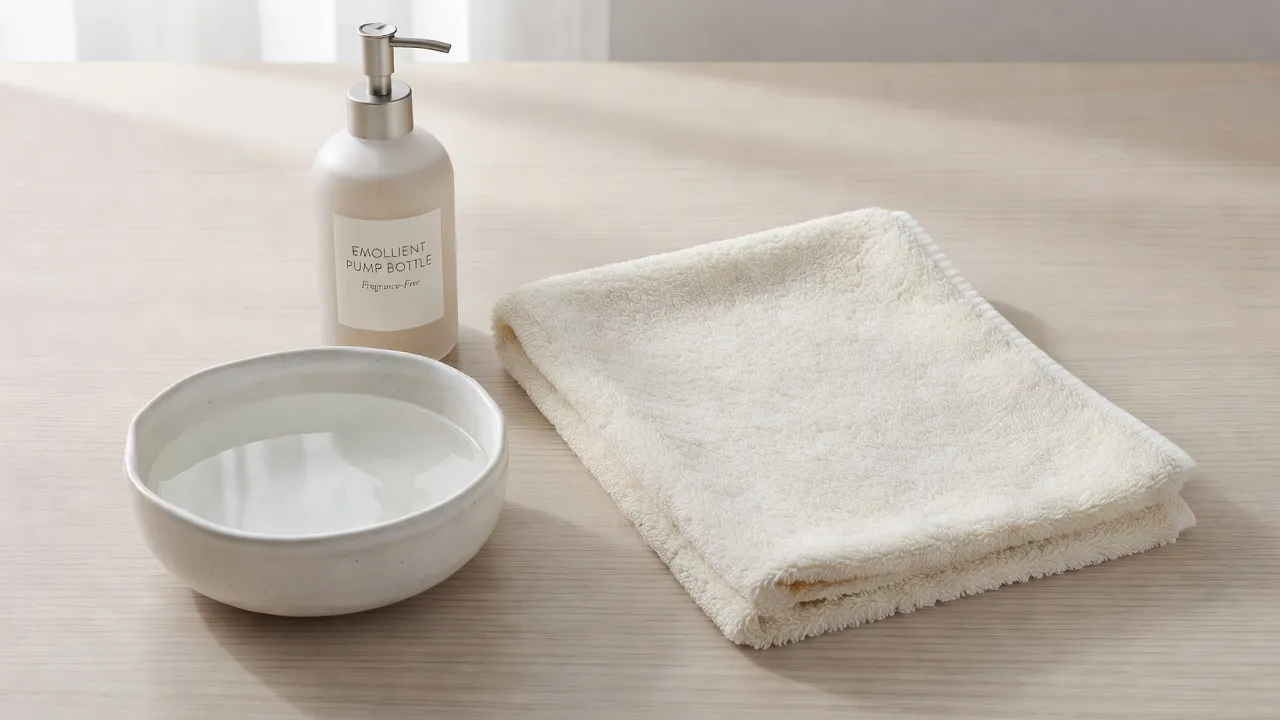
Dry Skincare Routine Steps at a Glance
The following table breaks down the core steps for managing dry skin, outlining the execution time, core ingredient focus, and key restrictions for each step.
| Step Number & Action | Time Needed | Core Focus / Ingredients | Key Restriction or Requirement |
|---|---|---|---|
| Step 1: Gentle Cleansing | 1 minute | Non-foaming cleansers, glycerin, ceramides | No sulfates or foaming agents; warm water only. |
| Step 2: Hydrating Layer | 1 minute | Hyaluronic acid, glycerin, panthenol | Must apply directly onto wet skin surface. |
| Step 3: Barrier Cream | 1 minute | Ceramides, fatty acids, cholesterol, urea (5%) | Avoid formulas containing added synthetic scents. |
| Step 4: Sun Protection (AM) | 1 minute | Mineral zinc oxide, titanium dioxide, squalane | Skip drying alcohol-based fluid sunscreens. |
| Step 5: Occlusive Sealing (PM) | 1 minute | Petrolatum, mineral oil, shea butter | Rule out if you have active inflammatory acne. |
Step 1: Cleanse with a non-foaming, hydrating cleanser
Cleanse your face once or twice daily using a cream, oil, or lotion-based cleanser that does not produce lather. Traditional foaming cleansers use harsh surfactants like sodium lauryl sulfate, which strip away the natural lipids your skin needs to stay supple.
If your skin feels tight or squeaky after rinsing, your cleanser has stripped your natural oil barrier. A proper cleanser for dry skin leaves your face feeling soft, calm, and slightly moisturized immediately after rinsing.
In the morning, you can often skip facial cleanser entirely and rinse your face with lukewarm water. Save your dedicated hydrating cleanser for your evening routine to remove broad-spectrum sunscreen and environmental debris.
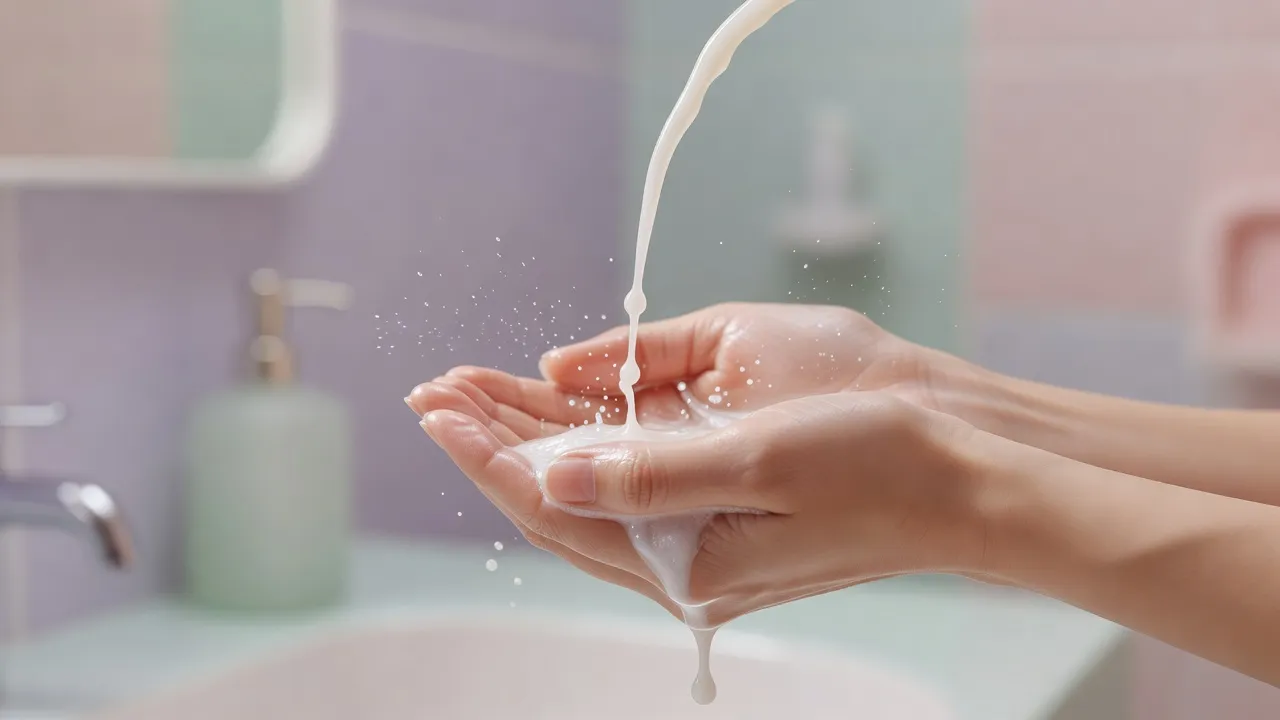
Step 2: Apply a humectant serum to damp skin
Apply a humectant-rich serum containing hyaluronic acid, glycerin, or panthenol immediately after rinsing, while your face is dripping wet. Humectants act like water sponges. If you apply them to a completely dry face, they can pull moisture out of the deeper layers of your dermis instead of pulling water from the surface.
Spread two to three drops of serum evenly over your face, neck, and chest. Pat the liquid into your skin gently rather than rubbing forcefully.
If you deal with flaky patches or persistent ashy skin, this step is critical. Hydrating the upper epidermal layers makes dead skin cells swell, laying them flat so they smooth out visually under cream.
Tracking your skin barrier progress visually helps you spot what works. You can download the Glow Up & Attractiveness Test app to scan your face and track changes in surface texture, fine dry lines, and overall skin clarity over time.
Step 3: Layer a lipid-replenishing moisturizer containing ceramides
Apply a rich, emollient moisturizer that combines ceramides, cholesterol, and free fatty acids directly over your damp humectant layer. While humectants attract water, lipid moisturizers lock that water in place and rebuild broken intercellular brick-and-mortar structures.
Look for formulas designed explicitly for dry or very dry skin. A lightweight gel-cream will simply not provide enough structural lipid support if your skin barrier is compromised.
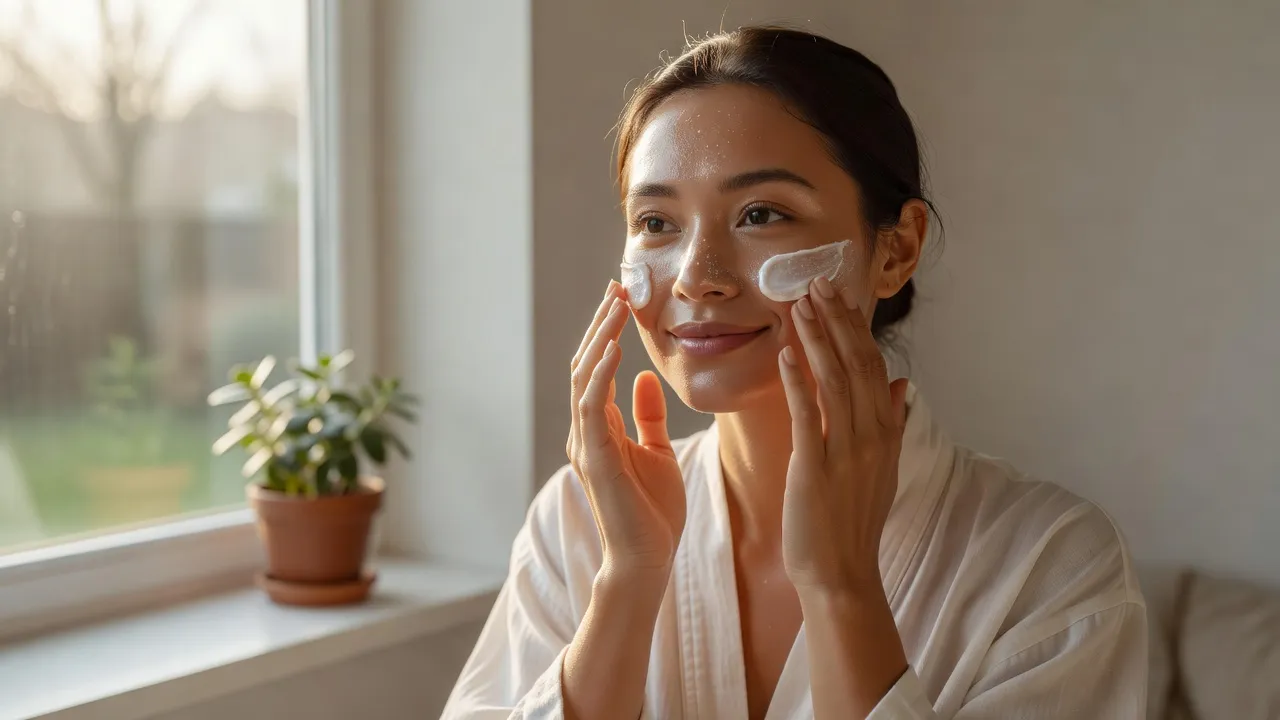
Work the cream gently into your face using upward circular motions. Do not skimp on product amount; use a nickel-sized dollop to ensure adequate coverage over your face and neck.
If you struggle with persistent texture issues alongside dry skin, an AI tool can help analyze your facial traits. Using the Glow Up & Attractiveness Test software lets you snap a selfie to get a detailed face analysis and personalized beauty scores. It provides tailored tips that help you build a complete glow-up guide catered to your skin condition.
Step 4: Protect with a broad-spectrum mineral SPF (morning)
Finish your morning dry skin routine by applying a broad-spectrum mineral sunscreen with an SPF rating of 30 or higher. Chemical sunscreen filters like avobenzone or oxybenzone can sometimes cause stinging or burning on a compromised dry skin barrier.
Mineral sunscreens using zinc oxide or titanium dioxide sit on top of the skin surface to reflect UV rays physically. Zinc oxide also offers natural soothing properties that calm redness and flaking.
Look for sunscreens containing added hydrating ingredients like squalane, jojoba oil, or vitamin E. These ingredients prevent the mineral zinc from drying out your skin throughout the workday.
For proper sun protection, apply two full finger-lengths of sunscreen to your face and neck every morning as your final step before makeup.
Step 5: Seal in moisture with an occlusive ointment (evening sloughing/slugging)
In your skincare routine at night, apply a thin layer of a petrolatum-based occlusive ointment over your moisturizer to lock in hydration overnight. This practice, often called "slugging," creates a temporary physical barrier that prevents transepidermal water loss while you sleep.
A pea-sized amount of pure petrolatum or multi-ingredient barrier ointment is enough for your entire face. Warm the ointment between your palms and pat it gently onto your skin as your final evening step.
Slugging works exceptionally well during winter months or in dry climates where indoor heat strips moisture from the air. You will wake up with noticeably softer skin and reduced flaking.
However, petrolatum occlusion is ruled out for people prone to acne or active breakouts. While petrolatum itself is non-comedogenic, sealing active oil and dead skin beneath a heavy barrier can trap bacteria and worsen acne lesions.
If your skin barrier looks uneven or rough, tracking improvements with the Glow Up & Attractiveness Test app gives you a way to monitor surface changes and review shareable before-and-after progress photos.
Common Mistakes That Ruin a Dry Skincare Routine
Even with high-quality products, simple routine mistakes can keep your skin perpetually dry, tight, and flaky. Eliminating these daily habits is essential for long-term barrier recovery.
Washing face with hot water
Hot water melts away the natural intercellular lipids that hold your stratum corneum together. Always switch to tepid or cool water when washing your face or taking a shower.
Applying moisturizer to completely dry skin
Moisturizers seal in whatever surface moisture is present. Applying cream to bone-dry skin misses the opportunity to trap surface water droplets, cutting your hydrator's effectiveness in half.
Over-using physical facial scrubs
Physical scrubs with walnut shells or apricot seeds tear dry skin layers. This mechanical friction creates micro-fissures that accelerate moisture loss and trigger inflammation.
Choosing alcohol-heavy toner formulas
Toners that contain high percentages of denatured alcohol, ethanol, or witch hazel strip protective oils instantly. If you use a toner, ensure it is completely alcohol-free and packed with hydrating humectants.
Relying solely on face oils for hydration
Face oils are occlusives or emollients; they contain zero water. Applying pure oil to dehydrated skin seals in dryness because oils do not add water to the skin; they only trap what is already there.
Frequently Asked Questions
What is the ideal daily order for a dry skincare routine?
The ideal daily order is cleanser, humectant serum on damp skin, lipid cream moisturizer, and sunscreen in the morning. At night, follow the same order but swap sunscreen for a thick barrier ointment or petrolatum layer.
How long does it take to repair a damaged dry skin barrier?
It typically takes between two and four weeks of continuous barrier-repair treatment to restore a dry, compromised skin barrier. Consistency with gentle cleansers and lipid creams is crucial during this window.
Can I use retinol if I have very dry skin?
Yes, but you should introduce retinol slowly at a low concentration and apply it using the sandwich method. Place a layer of moisturizer down first, apply retinol, and follow with another layer of moisturizer to minimize irritation.
Is hyaluronic acid better than glycerin for dry skin?
Glycerin is often better for severely dry skin because its smaller molecular weight lets it penetrate effectively without causing surface tightness. Hyaluronic acid works great, but it requires ambient humidity or damp skin to avoid pulling water from deeper dermal layers.
Why does my skin still feel dry after applying heavy cream?
Your skin feels dry because you may be applying cream to dry skin or lacking humectants underneath your lipid cream. Layering a humectant serum under your cream on wet skin fixes this issue immediately.
Should I wash my face twice a day if I have dry skin?
No, washing twice a day with cleanser is often unnecessary for dry skin types. A plain water rinse in the morning followed by your humectant serum and cream is sufficient to keep skin clean and hydrated.
Does drinking more water fix dry skin?
Drinking water supports general hydration, but it does not fix dry skin caused by a compromised topical lipid barrier. Topical lipids and occlusives are required to stop water from evaporating off your skin surface.
What ingredients should I avoid if I have dry skin?
Avoid denatured alcohol, synthetic fragrances, sodium lauryl sulfate, witch hazel, and high-concentration glycolic acid exfoliants. These ingredients strip skin lipids and weaken the protective barrier.