
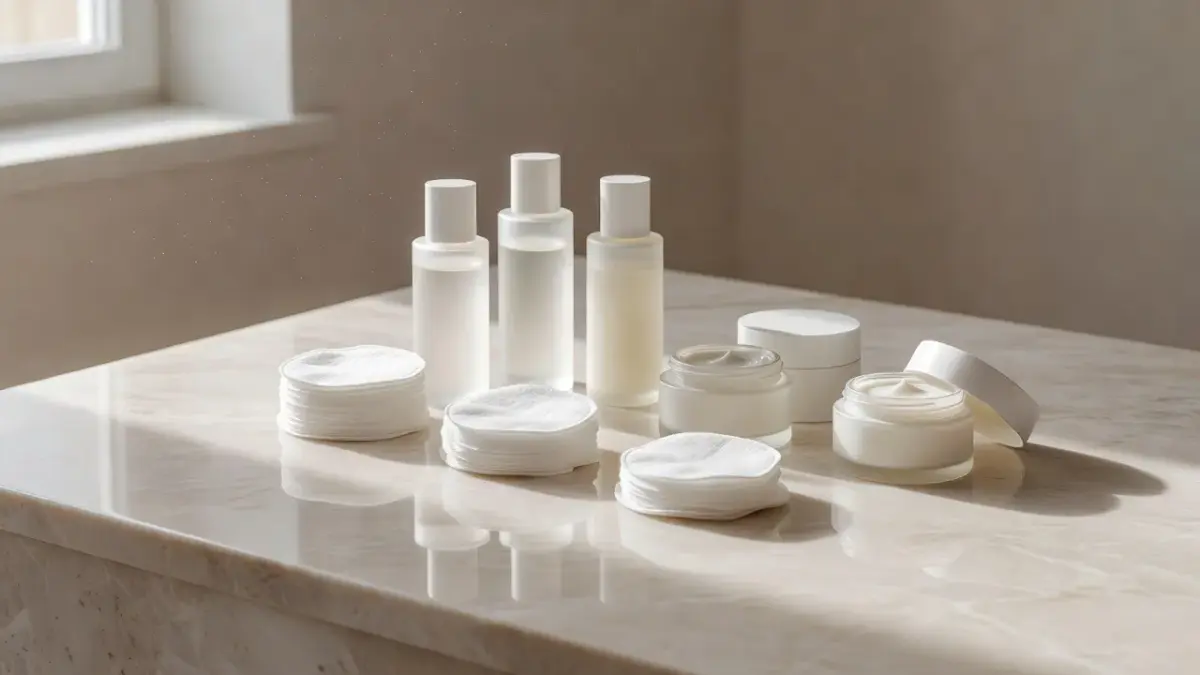
Building a gentle sensitive skin skincare routine takes five core steps - cleansing, hydrating, moisturizing, sun protecting, and patch-testing - requiring under five minutes twice daily. Eliminating synthetic fragrances, harsh exfoliants, and high-strength active ingredients restores a compromised moisture barrier in roughly four to six weeks.
If you deal with sudden redness or unexpected breakouts, taking a quick photo with the Glow Up & Attractiveness Test app offers an easy way to track your skin texture improvements over time using AI-powered face analysis. Combining objective visual tracking with a minimal product lineup takes the stress out of managing delicate skin.
As of October 2026, dermatologists emphasize stripping away complex 10-step routines in favor of barrier-first formulations. The table below outlines the basic daily routine structure.
| Step | Core Action | Recommended Timing | Key Target Benefit |
|---|---|---|---|
| 1. Cleanse | Wash with a non-foaming, sulfate-free cleanser | Morning & Night | Cleans impurities without stripping lipids |
| 2. Hydrate | Apply a low-concentration ceramide or hyaluronic acid serum | Morning & Night | Attracts moisture to dry upper skin layers |
| 3. Moisturize | Seal hydration with an emollient cream | Morning & Night | Reinforces lipid barrier and prevents water loss |
| 4. Protect | Apply broad-spectrum mineral zinc oxide SPF 30+ | Morning Only | Shields skin from UV rays and inflammatory heat |
| 5. Patch-Test | Test new products on the inner arm for 48 hours | Pre-introduction | Prevents full-face allergic contact dermatitis |
Step 1: Cleanse with a Gentle, Non-Foaming Cleanser
Start your routine by washing your face with a fragrance-free, non-foaming cleanser that leaves your skin feeling calm rather than tight. Traditional foaming washes rely on harsh surfactants like sodium lauryl sulfate, which strip away the natural lipids your skin needs to stay resilient.
Wash your face with lukewarm water, as hot water expands capillaries and triggers flushing. Apply one pump of cleanser using gentle fingertip pressure for no more than 30 seconds.
Rinse thoroughly and pat - never rub - your skin dry with a clean microfiber towel. Leaving the face slightly damp prepares it for the next step.

Step 2: Apply a Hydrating Serum with Ceramides or Hyaluronic Acid
Apply a lightweight, hydrating serum containing ceramides or hyaluronic acid immediately to damp skin to rebuild moisture levels. When your skin barrier is compromised, water evaporates quickly through a process called transepidermal water loss.
Hyaluronic acid acts like a sponge, drawing ambient water into the top layers of your epidermis. Ceramides act as the mortar between your skin cells, physically repairing the damaged lipid wall.
I recommend avoiding high-strength exfoliants like glycolic acid or strong retinoids during this stage. If you are dealing with rough patches alongside sensitivity, consult a dedicated guide on managing textured skin face issues without triggering further irritation.
Step 3: Lock in Moisture with a Barrier-Repairing Cream
Smooth a generous layer of fragrance-free, lipid-rich moisturizing cream over your serum to trap hydration inside. Sensitive skin requires occlusive ingredients to create a physical protective seal against environmental irritants.
Look for creams formulated with dimethicone, petrolatum, or shea butter. These ingredients stop moisture from escaping while shielding vulnerable skin from wind and cold air.
If your skin leans extremely flaky alongside redness, integrating steps from a specialized dry skincare routine helps restore comfort faster. Apply your moisturizer twice daily within 60 seconds of washing to lock in peak hydration.
Step 4: Protect Daily with a Dedicated Mineral Sunscreen
Finish your morning routine with a mineral-based sunscreen containing at least 6% to 20% zinc oxide or titanium dioxide. Chemical UV filters like oxybenzone and avobenzone convert solar radiation into heat inside the skin, which frequently triggers stinging and inflammation.
Mineral sunscreens sit on top of the skin matrix, physically reflecting UVA and UVB rays away without generating surface heat. Modern zinc oxide formulas are micronized to blend easily without leaving a chalky residue behind.
Reapply your sunscreen every two hours if spending extended time outdoors. Skipping sun protection allows UV rays to degrade your collagen and weaken barrier strength further.
Step 5: Patch-Test Every New Product Before Full Application
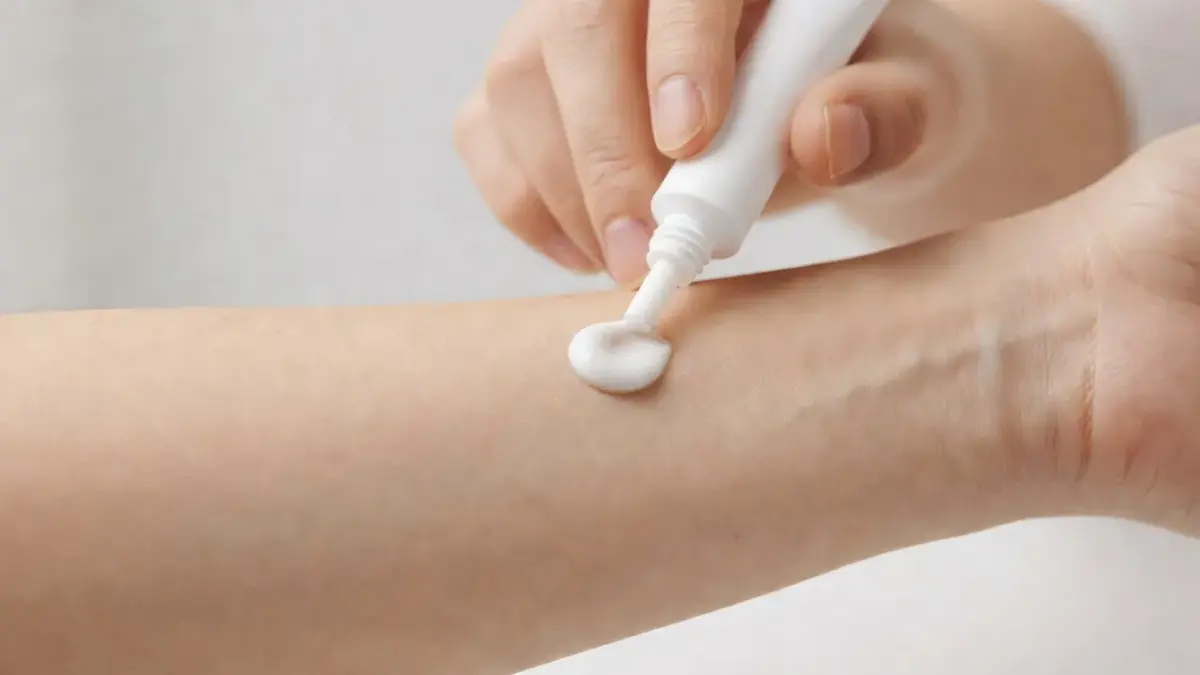
Test every new product on a small patch of skin behind your ear or on your inner arm for 48 hours before applying it to your face. Sensitive skin reacts unpredictably to even the mildest ingredients, making immediate full-face application a major risk.
Apply a dime-sized amount of product to the test patch twice daily for two consecutive days. Watch closely for signs of localized redness, itching, burning, or tiny papules.
If your skin shows zero reaction after two full days, the product is generally safe to introduce. Introduce only one new product every two weeks so you can instantly identify what caused an adverse reaction if one occurs.
What ingredients are best for sensitive skin?
The best ingredients for sensitive skin are ceramides, hyaluronic acid, niacinamide under 5%, and colloidal oatmeal combined in fragrance-free formulas. These ingredients focus exclusively on calming active inflammation and repairing damaged protective layers.
Ceramides replace lost intercellular lipids, while hyaluronic acid restores deep water reserves without clogging pores. Colloidal oatmeal contains natural avenanthramides, which biological research shows rapidly relieve itching and skin redness.
Formulations updated in 2026 increasingly leave out plant extracts and essential oils like lavender or eucalyptus. While marketed as natural, essential oils contain complex aromatic compounds that rank among the most common causes of contact dermatitis.
What ingredients does the National Eczema Association recommend for sensitive skin?
The National Eczema Association recommends ceramides, petrolatum, dimethicone, and colloidal oatmeal to restore compromised skin. These ingredients earn the NEA Seal of Acceptance because they carry minimal risk of triggering skin reactions.
According to product safety standards on the National Eczema Association website, pure white petrolatum is considered one of the safest and most effective occlusive agents available. It forms an immediate barrier over raw skin, allowing underlying tissue to repair itself.
Dimethicone adds a smooth, non-greasy protective coating that prevents friction damage from clothes or rubbing. Combining these lipids creates a multi-layered shield against external allergens.
Which products are recommended for sensitive skin?
Dermatologists consistently recommend Cetaphil Gentle Skin Cleanser, CeraVe Moisturizing Cream, Vanicream Gentle Facial Cleanser, and La Roche-Posay Toleriane Double Repair Moisturizer. These brand lineups avoid common sensitizing agents and maintain strict hypoallergenic testing protocols.
- Cetaphil: Features non-irritating fatty alcohols that clean delicate skin without disrupting the natural pH balance.
- CeraVe: Infuses three essential ceramides and hyaluronic acid directly into the skin using slow-release emulsion technology.
- Vanicream: Formulated specifically for hyper-reactive skin by excluding dyes, fragrances, lanolin, parabens, and formaldehyde donors.
- La Roche-Posay Toleriane: Uses prebiotic thermal spring water alongside niacinamide to balance the skin microbiome and soothe tightness.
If you develop unexpected small white spots or raised bumps while trying new creams, consult a medical guide on identifying clear skin bumps to differentiate between clogged pores and allergic reactions.
Is EltaMD UV Clear sunscreen recommended for sensitive skin?
Yes, EltaMD UV Clear Broad-Spectrum SPF 46 is highly recommended by dermatologists for skin prone to acne, rosacea, and discoloration. Its formula relies on transparent zinc oxide to provide high-level sun protection without heavy, pore-clogging oils.
The official product specifications on the EltaMD website detail how high-purity niacinamide (vitamin B3) inside the formula calms inflammation and reduces facial redness. It is completely oil-free, scent-free, and non-comedogenic.
The light texture absorbs quickly without leaving a greasy sheen or white cast. It serves as an excellent daily sunscreen option for individuals who usually break out from traditional sun protection.
What is Vanicream moisturizer free of for sensitive skin?
Vanicream Moisturizing Cream is free of dyes, fragrance, masking fragrance, lanolin, parabens, formaldehyde releasers, and gluten. Eliminating these chemical additives makes it one of the safest moisturizing options for severe skin sensitivities.
The safety standards outlined on the official Vanicream website confirm that their formulas exclude the top chemical irritants identified by dermatological allergy societies. It avoids common preservatives that frequently trigger stinging on raw skin.
This minimal ingredient structure provides intense hydration without unnecessary additives. It is safe for daily use on both facial skin and body flare-ups.
What products do people with sensitive skin report working for them on Reddit?
Users across skincare communities on Reddit frequently recommend Vanicream Facial Cleanser, CeraVe in the Tub, Beauty of Joseon Relief Sun, and La Roche-Posay Cicaplast Baume B5. Community feedback highlights these products for stopping severe burning sensations when other products fail.
Redditors often advise using simple petrolatum (Vaseline) over moisturizer at night - a technique known as "slugging" - to repair severely broken barriers quickly. Many users note that stopping active exfoliants entirely did more to fix their skin than purchasing expensive specialty serums.
Another consistent crowd-favorite is swapping tap water for micellar water when morning cleansing, which prevents mineral buildup from hard tap water from causing skin irritation.
How to Track Your Skin Barrier Recovery Visuals
Tracking skin recovery requires monitoring changes in surface redness, texture uniformity, and radiance over a four-week period. As your lipid barrier heals, surface flaking diminishes, and your skin tone naturally balances out.
Using digital tools helps eliminate subjective guessing when evaluating whether a new skincare routine is working. The Glow Up & Attractiveness Test app ($9.99/week) allows you to upload selfies to receive detailed face analysis scores, tailored tips to beautify your look, and an objective look at your glow up potential as your skin clarity improves.

Pairing visual tracking with dermatological guidance ensures you catch minor reactions before they turn into major barrier damage. Consistent weekly photos under identical lighting provide clear evidence of your barrier recovery.
Frequently Asked Questions
How long does it take to repair a damaged skin barrier?
It generally takes four to six weeks of a minimal, fragrance-free routine for a damaged skin barrier to fully recover. Avoid all physical scrubs and chemical exfoliants during this recovery window.
Can sensitive skin use vitamin C serums?
Standard L-ascorbic acid vitamin C serums often irritate sensitive skin due to their low pH. Opt instead for gentler derivatives like tetrahexyldecyl ascorbate or sodium ascorbyl phosphate at low concentrations.
Is mineral sunscreen better than chemical sunscreen for sensitive skin?
Yes, mineral sunscreens containing zinc oxide or titanium dioxide sit on top of the skin rather than absorbing into it, making them far less likely to cause irritation or burning.
Why does my face sting when I apply plain moisturizer?
Stinging occurs when your protective skin barrier is so compromised that microscopic cracks expose raw nerve endings underneath. Switch to a ultra-minimal formula like pure petrolatum or Vanicream until stinging stops.
Should people with sensitive skin exfoliate?
You should avoid exfoliating until your skin barrier is healthy and asymptomatic. Once healed, stick to mild polyhydroxy acids (PHAs) once per week rather than harsh alpha-hydroxy acids (AHAs).
Are natural skincare products safer for sensitive skin?
No, natural products frequently contain plant extracts, essential oils, and unrefined botanicals that trigger severe allergic contact dermatitis. Synthetic, lab-tested fragrance-free formulations are generally much safer for sensitive skin.
How often should I wash sensitive skin?
Wash your face twice daily at most using a mild, non-foaming cleanser. If your skin feels excessively dry in the morning, rinsing with plain lukewarm water is sufficient.