
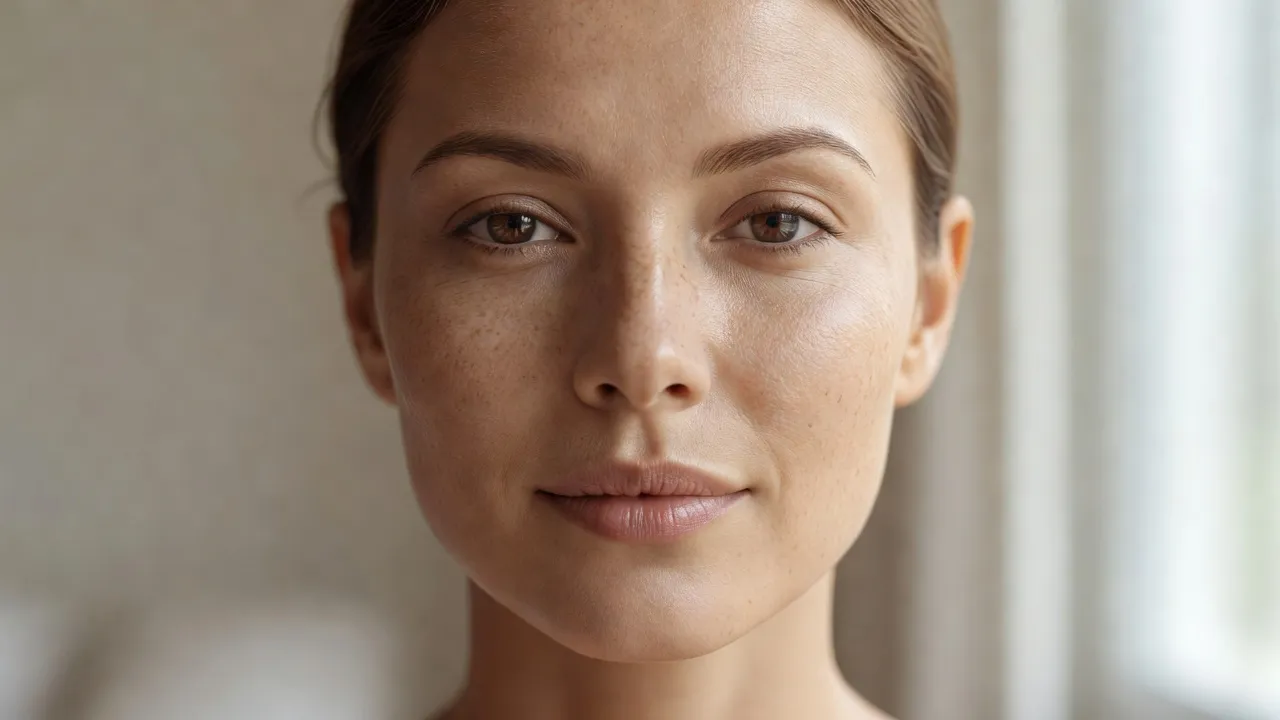
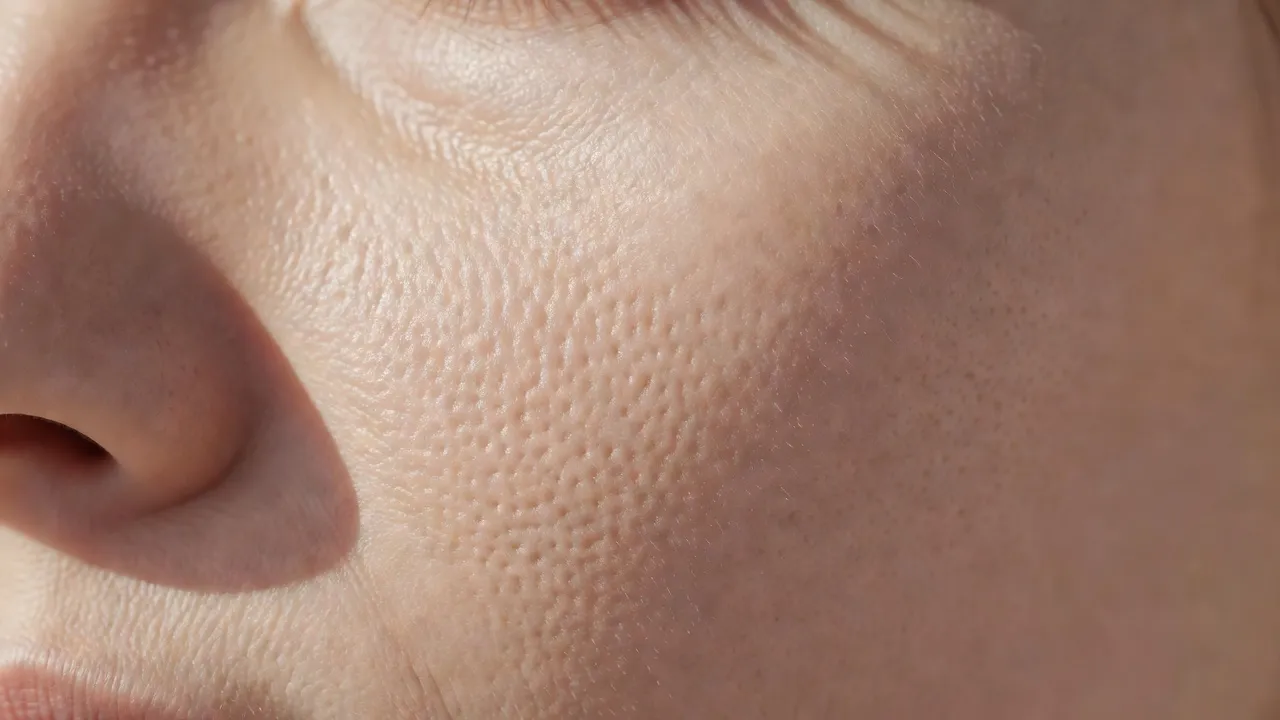
Textured skin on the face is an uneven surface topography caused by built-up dead skin cells, enlarged pores, acne scarring, or chronic dehydration. Unlike hyperpigmentation, which alters color, texture changes the physical contour of the epidermis, disrupting how light reflects off your skin. Restoring a smooth surface requires targeting cell turnover, stabilizing sebum production, and repairing damage in the underlying dermal matrix.
| Skin Type | Surface Pattern | Characteristics |
|---|---|---|
| Smooth Skin | Even line | Even light reflection, clear surface |
| Textured Skin | Repeating wave pattern with pits | Trapped dead cells, pitted scars, pores |
Understanding why texture forms is the first step toward correcting it. When your skin's natural exfoliation process (desquamation) slows down, dead corneocytes stick to the surface instead of shedding. This creates tiny bumps, rough patches, and a matte appearance that absorbs light rather than bouncing it back.
If you are trying to figure out whether your surface roughness comes from congested pores, loss of firmness, or scar tissue, analyzing high-resolution lighting can help. Using tools like the Glow Up & Attractiveness Test app ($9.99/week) lets you upload a front-facing selfie to get a detailed face analysis from a fine-tuned AI model. It isolates surface shadow patterns to help you pinpoint problem areas before spending money on targeted treatments.
What causes facial skin texture?
Facial skin texture stems from five main root causes: dead cell buildup, acne scarring, enlarged pores, dehydration, and sun damage. While some texture is a completely normal part of human anatomy, distinct roughness usually signals a bottleneck in your skin's repair cycle.
The primary culprits include:
- Keratinocyte accumulation: Slow epidermal turnover traps dead cells on the surface, producing tiny, non-inflamed bumps often mistaken for active acne. For deeper reading on identifying these bumps, check out our guide on clear skin bumps.
- Atrophic acne scars: Icepick, boxcar, and rolling scars form when inflammatory breakouts destroy dermal collagen, leaving permanent indentations.
- Excess sebum and stretched pores: Heavy oil production dilates pore structures. When combined with oxidized sebum, pores stretch wide enough to create visible cratering.
- Dehydration and barrier failure: A compromised lipid barrier lets moisture evaporate, making surface cells shrink and flake into a rough, sandpaper-like finish. Learn more about restoring radiance in our breakdown of dull skin.
- UV-induced elastosis: Solar radiation degrades elastin and collagen fibers over time, breaking down the structural mattress beneath your skin.
What does the American Academy of Dermatology recommend for textured skin?
The American Academy of Dermatology recommends tailored chemical exfoliation, daily sun protection, gentle cleansing, and topical retinoids to resolve rough skin texture. According to official guidance from the American Academy of Dermatology, physical scrubs should generally be avoided if you have sensitive or acne-prone skin because micro-tears aggravate inflammation.
The AAD emphasizes an approach centered on four core principles:
- Match chemical exfoliants to your skin type: Alpha-hydroxy acids (AHAs) work best for dry, superficial roughness, while beta-hydroxy acids (BHAs) penetrate oily pores to dissolve impactions.
- Apply broad-spectrum sunscreen daily: UV rays break down collagen, worsening pore sagging and scar depth. Sunscreen prevents structural degradation from accelerating.
- Introduce retinoids gradually: Over-the-counter retinol or prescription tretinoin speeds up cell turnover, preventing dead cells from clumping together.
- Avoid harsh mechanical friction: Stiff brushes and abrasive walnut scrubs create micro-inflammation that actually worsens texture by causing swelling and barrier breakdown.
What's the best skincare routine/products for textured skin (niacinamide, vitamin C, AHAs/BHAs, mandelic acid)?
The best skincare routine for textured skin pairs chemical exfoliants like glycolic or salicylic acid with stabilizing ingredients like niacinamide and vitamin C. Layering active ingredients correctly ensures you speed up cell turnover without blowing out your moisture barrier.
Building an effective daily regimen requires balancing treatment ingredients with recovery steps:
- Morning: Cleanse with a gentle pH-balanced wash, apply a 10% to 15% vitamin C serum to shield against oxidative damage, follow with a lightweight niacinamide lotion to regulate oil, and finish with SPF 30+. You can adapt these steps directly into your overall morning skincare routine.
- Evening (Exfoliation Nights): Use a mandelic acid serum (for sensitive skin) or a glycolic/salicylic combo 2 to 3 nights a week to dissolve intracellular glue.
- Evening (Retinoid Nights): Alternate exfoliation nights with a 0.1% to 1% retinol or prescription tretinoin application to re-engineer cellular turnover from deep within the dermis.
Here is how the top ingredients compare when targeting surface roughness:
- AHAs (Glycolic & Lactic Acid): Water-soluble acids that unglue surface dead skin cells. Glycolic acid penetrates deepest due to its small molecular size, making it ideal for stubborn rough patches.
- BHAs (Salicylic Acid): Oil-soluble acids that dive straight into lipid-filled pores to flush out blackheads and smooth out bumpy congestion.
- Mandelic Acid: A large-molecule AHA that exfoliates slowly and gently, ideal for darker skin tones prone to post-inflammatory hyperpigmentation.
- Niacinamide (Vitamin B3): Reduces pore visibility by regulating sebum production and strengthening the ceramide barrier.
- Vitamin C (L-Ascorbic Acid): Boosts collagen synthesis to fill out minor surface depressions and protect skin against sun damage.
What do dermatologists recommend for textured skin: retinoids, exfoliants, microneedling, laser?
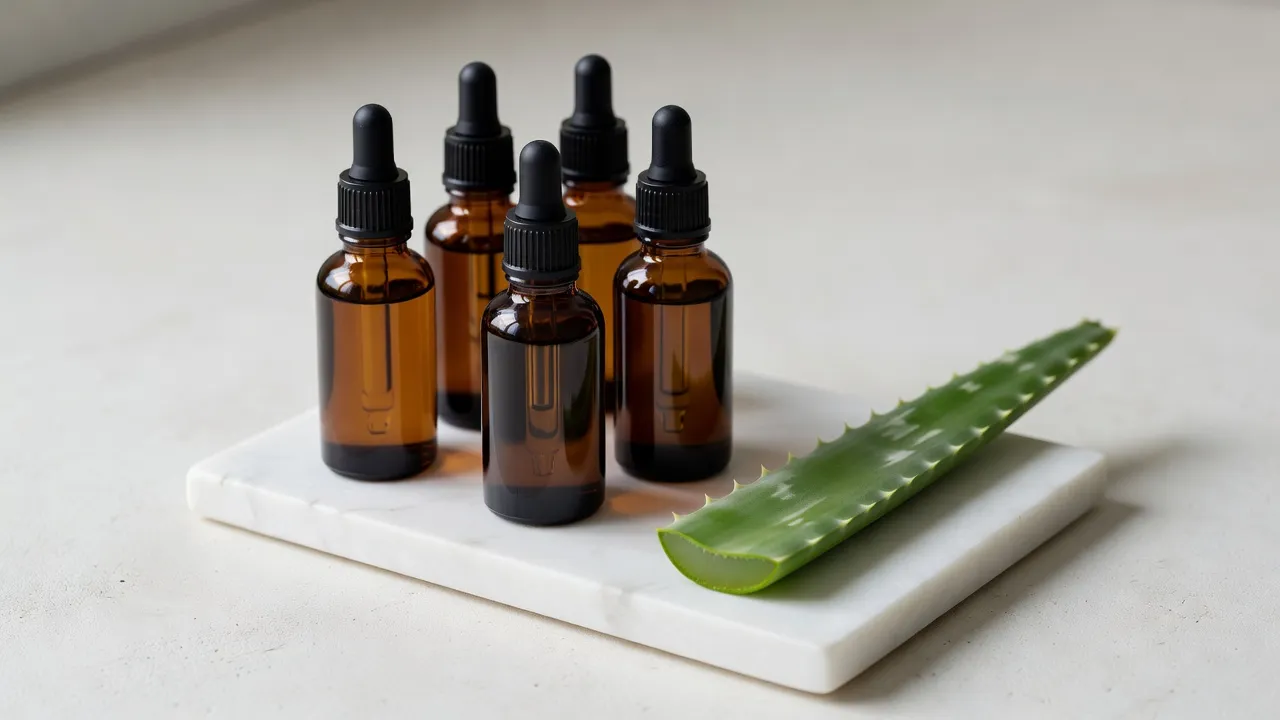
Dermatologists recommend a tiered strategy: starting with topical exfoliants and retinoids for mild surface roughness, and stepping up to microneedling or fractional lasers for deep scarring and severe pore dilation. Topicals retexture the outermost layer (epidermis), whereas energy-based devices remap the structural dermis underneath.
The baseline price differences between home care and professional clinic visits represent a major decision factor:
- Topical Retinoids and Acids: Ideal for mild texture, dullness, and active pore congestion. They cost between $15 and $120 per product, requiring 8 to 12 weeks of continuous use before showing visible changes.
- Chemical Peels (In-office): Medium-depth glycolic or TCA peels remove damaged epidermal layers rapidly. Treatments range from $150 to $500 per session, with 3 to 6 sessions recommended for maximum smoothing.
- Microneedling: Best for shallow acne scars and enlarged pores. Costs run from $300 to $800 per session, triggering targeted micro-injuries that spur fresh collagen synthesis.
- Fractional Lasers (CO2 or Erbium): Recommended for deep atrophic scars and severe photo-aging. Prices range from $1,200 to $3,500 per treatment, offering dramatic structural renewal alongside 5 to 10 days of social downtime.
Comparing Texture Interventions: Top Ingredients, Procedures, and Smart Tools
The table below contrasts the main methods used to address facial skin texture as of October 2026. It highlights target issues, realistic cost expectations, and potential financial traps.
| Intervention / Product | Primary Target | Realistic Cost Expectation | Financial & Practical Traps | Best Suited For |
|---|---|---|---|---|
| Glow Up & Attractiveness Test | AI Face Analysis & Lighting-based Texture Tracking | $9.99/week | Subscription billing if unused; requires clear lighting for optimal tracking | Women who want to track lighting patterns, discover their beauty score, and follow tailored glow up tips |
| Topical AHAs / BHAs | Surface dead cells, clogged pores | $10 - $65 per bottle | Over-purchasing multiple weak products instead of one clinical concentration | Daily surface smoothing and mild pore congestion |
| Prescription Retinoids (Tretinoin) | Slow cell turnover, early collagen loss | $30 - $90 per tube (co-pay dependent) | Spending hundreds on vanity brand retinols when medical-grade is cheaper long-term | Long-term skin re-texturing and anti-aging maintenance |
| In-Office Microneedling | Atrophic scars, lost elasticity | $300 - $800 per session (3-6 needed) | Single sessions rarely resolve deep texture; package deals often hide add-on costs | Moderate pitted scars and structural skin sagging |
| Fractional CO2 Laser | Deep boxcar/icepick scars, deep lines | $1,200 - $3,500 per session | Hidden post-care costs (specialized balms, mandatory downtime off work) | Severe scarring requiring deep dermal remodeling |
What's the best dermatologist advice for enlarged pores and rough texture?
The best dermatologist advice for enlarged pores and rough texture is to control sebum, stimulate dermal collagen around pore walls, and avoid picking at active breakouts. Pores lack muscles, meaning they cannot physically open or close; their apparent size depends entirely on how stretched out they are by trapped oil and how firm the surrounding skin remains.
Clinicians recommend three primary tactics to keep pore margins taut:
- Keep pores clear of oxidised sebum: Salicylic acid dissolves lipid buildup inside the pore lining. This stops blackheads from hardening into plugs that permanently widen the pore opening.
- Thicken the pore support wall: Topicals like tretinoin and procedures like microneedling stimulate collagen production along the edges of the pore. According to research on pore architecture published by the National Center for Biotechnology Information, boosting surrounding structural proteins prevents pore walls from sagging outward.
- Stop physical trauma: Squeezing pores with fingernails or extractor tools tears delicate collagen walls. This transforms an easily treatable clogged pore into a permanently dilated pore scar.
What in-office treatments (microneedling, radiofrequency, fractional lasers) help skin texture?
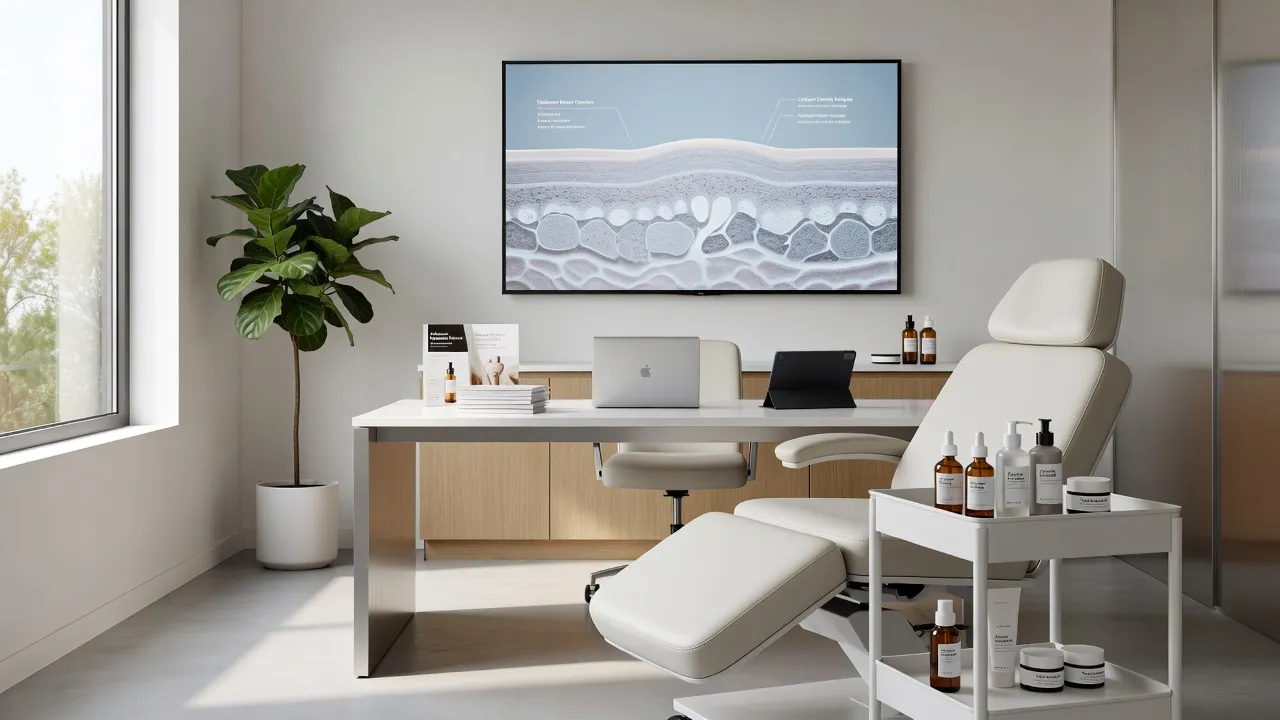
In-office treatments like microneedling, radiofrequency (RF) microneedling, and fractional lasers smooth skin texture by inducing controlled micro-injuries that trigger collagen remodeling. Clinical studies documented by the Mayo Clinic demonstrate that wound-healing responses force the body to produce fresh Type I and Type III collagen fibers.
These procedures differ based on target depth, recovery time, and mechanics:
- Standard Microneedling: Sterile micro-needles puncture the epidermis at depths between 0.5mm and 2.5mm. This breaks up superficial scar tissue without heat, making it safe for all Fitzpatrick skin types.
- Radiofrequency (RF) Microneedling: Combines mechanical puncturing with targeted heat energy delivered into the deep dermis. The thermal damage tightens underlying tissues, making it exceptionally effective for sagging pores and deep rolling scars.
- Fractional Er:YAG and CO2 Lasers: Lasers create microscopic thermal zones, vaporizing microscopic columns of damaged skin while leaving surrounding tissue intact. This sparks rapid re-epithelialization, surfacing smooth, undamaged skin within a week.
| Skin Layer | In-Office Treatments |
|---|---|
| Epidermis | AHAs / BHAs Exfoliation |
| Dermis (Upper) | Standard Microneedling Chemical Peels - Medium Depth |
| Dermis (Deep) | RF Microneedling - Heat Energy Fractional CO2 Laser Vaporization |
How to track your skin texture progress effectively
To track skin texture progress effectively, take weekly photos under identical directional lighting and monitor changes in shadow depth over time. Because texture is defined by how light hits physical bumps, diffuse ring lights hide progress, while single-source side lighting reveals real changes.
Here is how to ensure your tracking stays objective:
- Fix your light source: Stand facing a natural daylight window at the exact same hour each week, or use a single directional lamp positioned 45 degrees to your side.
- Avoid beauty filters and auto-smoothing: Camera processing automatically erases skin texture, making it impossible to judge whether your topical treatments are working.
- Use targeted AI diagnostic tools: The Glow Up & Attractiveness Test app allows you to take consistent selfies and receive tailored tips to beautify your look. Analyzing face symmetry and structural texture changes with a fine-tuned AI model helps you gauge your glow up potential accurately over time.
- Give treatments adequate time: Epidermal cell turnover takes roughly 28 days for young adults and up to 45 days for older individuals. Evaluate skincare products over an 8 to 12 week window before swapping them out.
Frequently Asked Questions
Can textured skin become completely smooth?
Yes, texture caused by dead skin accumulation or dehydration can be smoothed completely with consistent exfoliation and hydration. Deep scar tissue or dilated pores can be significantly improved by 50% to 80% using in-office lasers and microneedling, though human skin will always retain natural pores.
Why does my makeup look cakey and textured on my skin?
Makeup accentuates texture when foundation settles into dry flakes, open pores, or pitted scars. Heavy powders absorb moisture and draw light into depressions, emphasizing roughness. Using a hydrating primer with liquid or serum foundations minimizes this effect.
Does drinking water help with skin texture?
Hydration improves skin elasticity and plumping, which minimizes the appearance of fine texture caused by dehydration. However, drinking water alone will not unclog pores or clear up physical acne scars without active exfoliation and targeted skincare.
Is glycolic acid or salicylic acid better for skin texture?
Glycolic acid is better for dry skin with surface bumps because its small molecule size exfoliates the top layer of skin. Salicylic acid is better for oily skin with enlarged pores and blackheads because it dissolves oil inside clogged pores.
Can over-exfoliating make skin texture worse?
Yes, over-exfoliating strips the lipid barrier, causing inflammation, redness, and dehydration. This leads to tiny inflammatory bumps, increased oil production, and a shiny yet rough surface texture.
How long does it take to see results from retinoids for texture?
Initial surface smoothing from retinoids typically appears within 4 to 6 weeks. Deeper changes in collagen density, scar depth, and pore appearance require 3 to 6 months of continuous nightly application.
Are physical face scrubs bad for textured skin?
Physical face scrubs with harsh or uneven particles, like crushed shells, can cause microscopic tears in the skin. This triggers micro-inflammation and degrades the skin barrier, making overall texture worse compared to gentle chemical exfoliants.
Does dermaplaning help smooth skin texture?
Dermaplaning temporarily smoothes skin texture by shaving off vellus hair (peach fuzz) and dead surface skin cells using a sterile blade. Results last about 3 to 4 weeks until the top layer of skin naturally regenerates.