

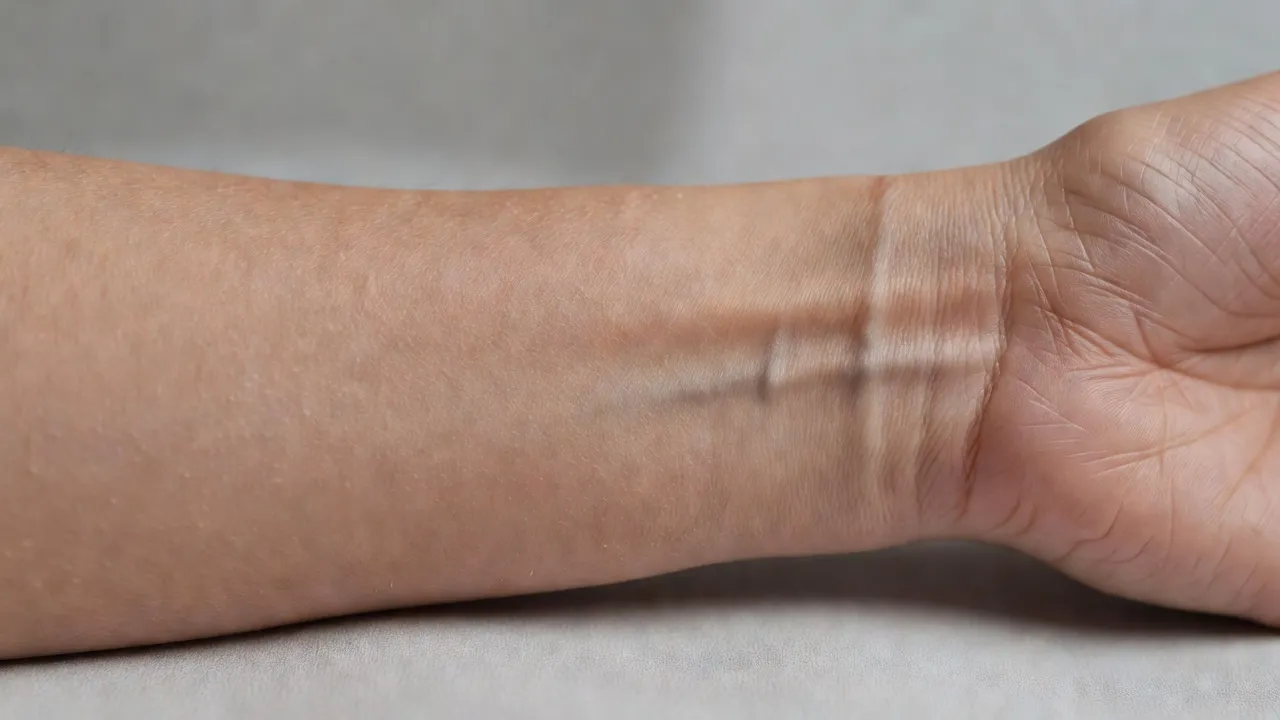
Ashy skin is a colloquial term for dry, dehydrated skin that appears grayish, chalky, or dull due to an accumulation of dead skin cells on the surface. It occurs when the outermost layer of the skin, known as the stratum corneum, lacks moisture and lipid content, causing skin flakes to reflect light unevenly. While ashy skin can affect any complexion, it is particularly noticeable on dark skin tones where the contrast between dried cells and natural melanin pigment is highest.
| Skin Condition | Characteristics |
|---|---|
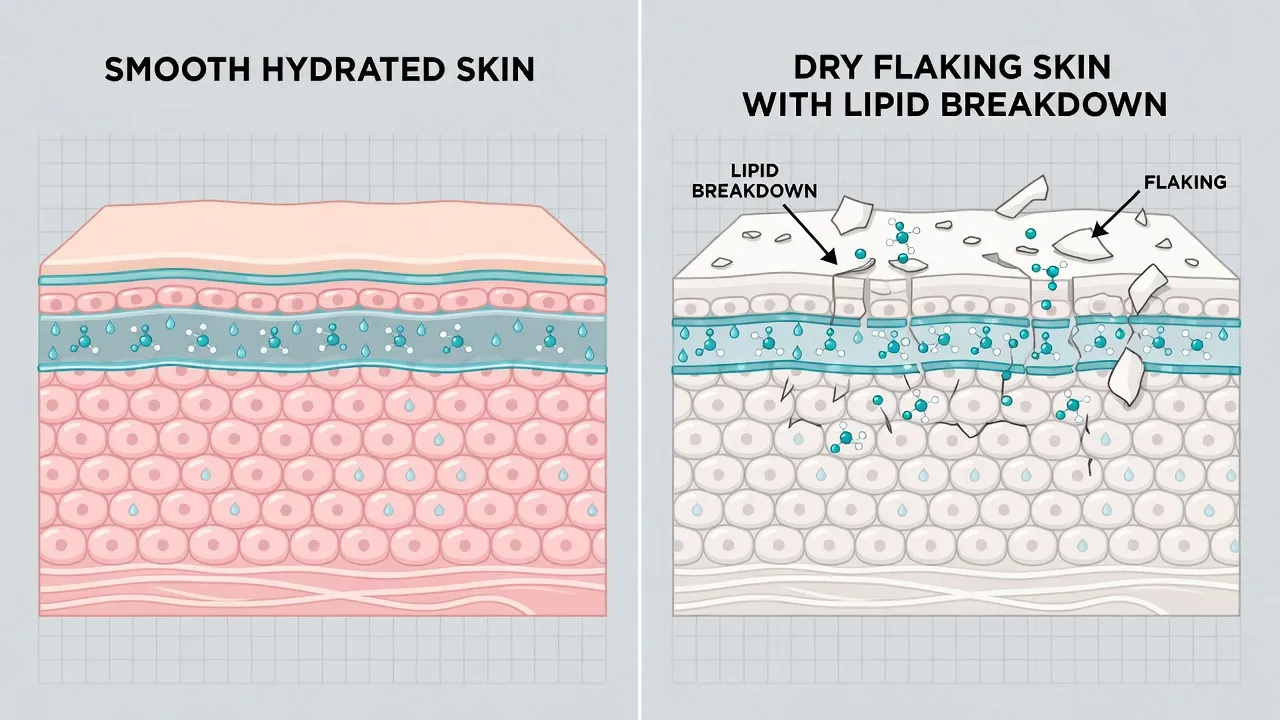
| Normal skin barrier | Smooth surface, balanced lipids |
| Ashy skin barrier | Flaking stratum corneum, dry skin |
The normal skin barrier transitions to ashy skin barrier when exposed to dehydration, cold air, or harsh soaps.
Understanding why skin loses moisture and turns dull is the fastest way to fix it. Skin barrier health relies on a balance of water, natural oils, and proper cell turnover. When any of these components fail, skin loses its natural luster and develops a characteristic rough, powdery texture.
What causes ashy skin on the legs, arms, and face?
Ashy skin is primarily caused by transepidermal water loss combined with environmental stressors that strip natural skin oils. When the skin barrier loses its protective lipids, microscopic skin cells lift off the surface rather than shedding invisibly.
The primary triggers for dry, flaky skin include:
- Low environmental humidity: Cold winter weather and central indoor heating strip ambient moisture from the air, causing rapid water evaporation from exposed skin.
- Harsh surfactants and soaps: Bar soaps with a high pH dissolve the skin's natural lipid bilayer, destroying its moisture retention capabilities.
- Hot water showers: Extended exposure to water above 100 degrees Fahrenheit strips natural sebum from the upper epidermal layers.
- Inadequate topical moisture: Skipping daily body oil or thick occlusive creams allows hydration to escape immediately after washing.
- Frequent physical friction: Tight clothing rubbing against elbows, knees, and ankles mechanically lifts dry skin flakes.
As the Cleveland Clinic points out, medical xerosis cutis (the clinical term for dry skin) affects nearly everyone at some point, particularly as natural sebum production drops with age.
How does cold air affect stratum corneum hydration?
Cold air reduces humidity levels, accelerating the rate at which water evaporates from the stratum corneum into the surrounding environment. When moisture drops below 10 percent in the upper skin layers, skin loses its elasticity and micro-cracks form across the surface. This structural cracking bends light instead of reflecting it cleanly, resulting in a dull, chalky aesthetic.
Why do harsh soaps make skin look ashy?
Surfactant-heavy cleansers strip healthy ceramide lipids from the intercellular matrix, leaving skin cells exposed and prone to desquamation. Standard bar soaps often have an alkaline pH between 9 and 10, whereas human skin thrives at a slightly acidic pH around 5.5. Disruption of this acid mantle accelerates flaking within hours of washing.
Why is ashy skin more visible on deeper skin tones?
Ashy skin is more visible on darker complexions because light-colored dead skin cells create a high visual contrast against rich melanin pigments. The underlying biological structure of dark skin is similar to fair skin, but the color contrast makes dry surface cells stand out far more dramatically.
Research published in the National Center for Biotechnology Information indicates that while stratum corneum cell layers remain uniform across ethnicities, transepidermal water loss rates can differ based on lipid distribution. On melanin-rich complexions, dry desquamated scales scatter light, turning rich undertones into a grayish or whitish powder coating.
| Skin condition | Surface texture | Light reflection result |
|---|---|---|
| Healthy skin | Smooth surface | Clean glow |
| Ashy skin | Flaky surface | Grayish diffusion |
Does melanated skin naturally lose moisture faster?
Melanated skin does not necessarily lose moisture faster, but its lipid composition requires consistent occlusive protection to maintain a soft surface. Some studies suggest darker skin complexions have lower overall ceramide concentrations in the upper epidermis. This structural detail makes applying a daily barrier cream essential to keep skin glowing and smooth.
For women working on a comprehensive beauty routine, balancing skin texture is a key step in overall grooming. Exploring structured frameworks like looksmaxxing for women highlights how maintaining healthy skin hydration elevates your natural aesthetic baseline.
Ashy skin vs. eczema: How to spot the difference
Ashy skin is a temporary surface condition fixed with moisturizer, whereas eczema is a chronic inflammatory disorder causing intense itching, redness, and rash. While both conditions display flaking and roughness, eczema involves an underlying immune reaction within the dermis.
Here is how you can distinguish normal dry ash from inflammatory skin conditions:
- Sensation: Ashy skin feels slightly tight or rough, while eczema feels intensely itchy, raw, or painful.
- Appearance: Ashy skin presents as a fine white or gray film; eczema creates thick, scaly patches, red-to-purplish plaques, or small bumps.
- Location: Ashy skin appears anywhere exposed to air or friction (elbows, shins, heels). Eczema targets flexural areas like inner elbows and behind knees.
- Response to cream: Standard lotions eliminate ashy appearance instantly. Eczema requires specialized topical steroids or barrier repair ointments.
The key ingredients that restore a compromised skin barrier
Restoring an ashy skin barrier requires combining humectants to attract water, emollients to smooth rough edges, and occlusives to trap hydration. Relying on a single product type often falls short; effective skincare uses all three ingredient classes.
The essential active ingredients include:
- Hyaluronic Acid and Glycerin: Powerful humectants that draw water molecules from deeper dermal layers into the epidermis.
- Ceramides: Essential lipids that fill the spaces between skin cells, repairing holes in the compromised outer barrier.
- Shea Butter and Squalane: Rich emollients that fill rough skin gaps, restoring immediate suppleness to touch.
- Petrolatum and Dimethicone: Potent occlusives that form a physical seal over skin, stopping water loss completely.
Guidelines from the American Academy of Dermatology emphasize that applying moisturizers within three minutes of exiting the shower traps existing surface water before it evaporates.
Should you exfoliate ashy skin before moisturizing?
You should gently exfoliate ashy skin once or twice a week using mild chemical exfoliants like lactic acid or glycolic acid. Scrubbing dry skin aggressively with harsh physical loofahs causes micro-tears that aggravate flaking. Mild alpha-hydroxy acids remove dead cell accumulation safely, allowing your heavy moisturizers to penetrate deeply.
Applying a rich cream right after evening exfoliation ensures your barrier repairs overnight. If you want to optimize your evening routine, following an organized skincare routine at night accelerates barrier recovery while you sleep.
The single variable that dictates your skin hydration outcome
The single variable that decides whether your skin stays hydrated or turns ashy is the occlusive ratio of your moisturizer. Thin lotions consist mostly of water; once that water evaporates, skin dries out again. Thick creams and ointments contain high percentages of lipids and oils, creating a lasting seal over the stratum corneum.
| Product Type | Water | Oils | Drying Speed & Feel | Application Frequency |
|---|---|---|---|---|
| Light Lotion | 80% | 20% | Fast drying, light | Re-apply frequently |
| Heavy Ointment | 30% | 70% | Deep seal, long-lasting | All-day hydration seal |
Choosing the right moisturizer category depends directly on your daily environment and skin needs:
- Water-based lotions: Best for humid summer months or oily facial zones, but insufficient for dry winter limbs.
- Oil-in-water creams: Great daily option for general body hydration, providing a balance of water intake and lipid sealing.
- Water-in-oil ointments: The ultimate fix for stubborn ash on heels, knees, and elbows, delivering maximum occlusive power.
Analyzing your overall skin radiance and facial aesthetics
Evaluating skin radiance involves measuring how evenly light bounces off your face, free from dry patches, hyperpigmentation, or dullness. While body ash is easily hidden under clothing, facial dullness directly impacts your overall appearance and visual energy.
When skin achieves peak hydration and smooth texture, makeup applies evenly without catching on dry flaking areas. Perfecting your daily moisture balance is the fastest shortcut to creating a soft, luminous makeup look that looks effortless in any light.
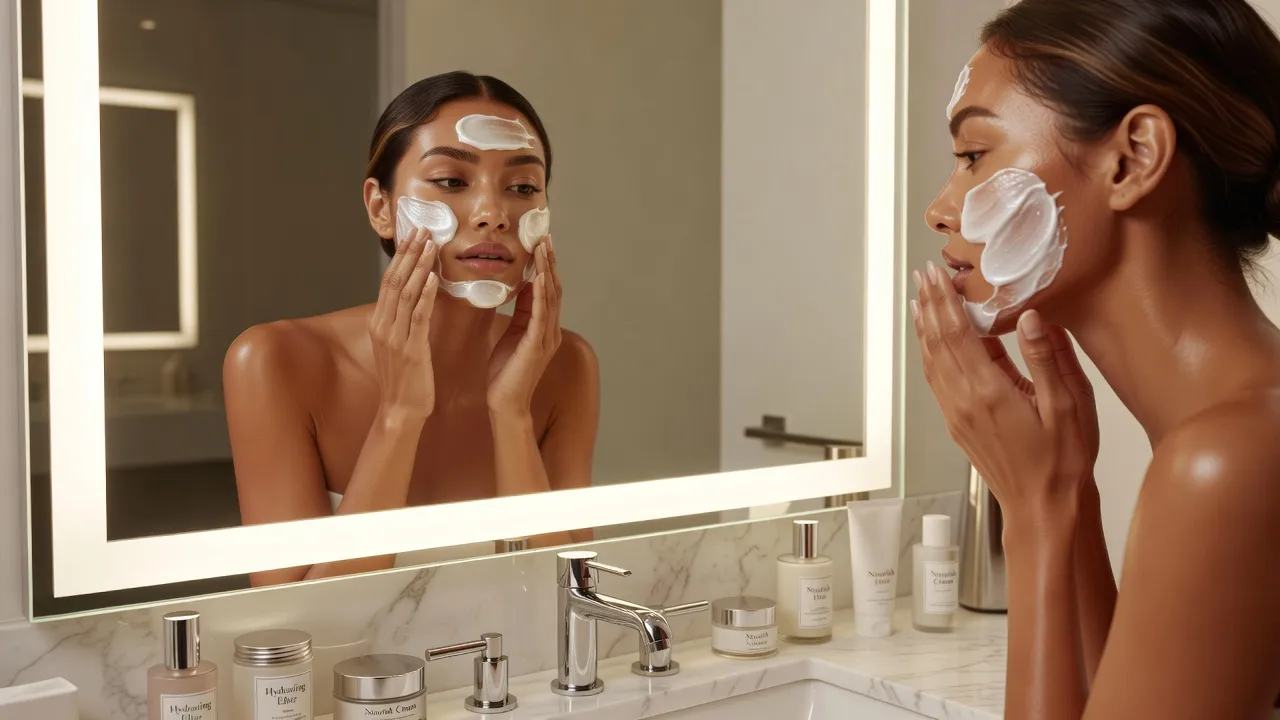
To benchmark your current skin texture, tone balance, and overall facial harmony, modern AI technology offers detailed assessments directly from a smartphone photo.
| Analysis Tool Category | Primary Focus | Best Used For | Skin & Glow Insights |
|---|---|---|---|
| Basic Skincare Apps | Product tracking | Log daily routines | Scans ingredients without personalized face feedback |
| Dermatology Portals | Medical diagnoses | Treating severe skin disease | Focuses on pathology rather than beauty or glow potential |
| Glow Up & Attractiveness Test | Facial symmetry, skin clarity, & beauty rating | Personalized face analysis & tailored glow tips | Delivers personalized scores and action plans to maximize your visual potential |
| Standard Camera Filters | Instant visual overlay | Social media posts | Blurs skin artificiality without improving real-world texture |
The Glow Up & Attractiveness Test app bridges the gap between skincare and overall beauty optimization. By analyzing high-resolution selfies through an AI model trained on female aesthetics, it breaks down your facial clarity, structure, and skin brightness. You receive personalized recommendations, actionable advice, and a beauty rating that tracks your improvement as you upgrade your skin barrier health.
Whether you are targeting dry patches or refining your daily aesthetic, downloading the app via the iOS App Store gives you an objective tool to measure your transformation over time.
How to permanently eliminate ashy skin: A step-by-step strategy
Permanently eliminating ashy skin requires replacing harsh washing habits with a daily lipid-restoration routine. Consistency is more important than using expensive luxury products.
Follow this daily four-step framework to keep skin smooth year-round:
- Switch to a sulfate-free body wash: Replace harsh bar soaps with hydrating gel or oil cleansers that maintain natural pH balance.
- Keep shower time under ten minutes: Wash with lukewarm water instead of hot water to prevent stripping natural epidermal oils.
- Damp-dunk moisturizing: Apply heavy ceramide cream or pure shea butter within 180 seconds of patting dry with a towel.
- Layer an occlusive on rough zones: Seal stubborn areas like elbows and heels with an oil or petrolatum gel before bed.
By maintaining this barrier-first approach, skin flaking stops completely, leaving smooth, radiant skin across every season.
Frequently Asked Questions
Can drinking more water cure ashy skin?
Drinking water improves overall bodily hydration, but it does not cure ashy skin on its own. Ashy skin stems from a damaged topical skin barrier and environmental water loss, requiring direct application of humectants and occlusives to retain surface moisture.
Is ashy skin a sign of a vitamin deficiency?
Ashy skin is usually caused by external environmental factors, but severe deficiencies in vitamin A, vitamin C, or essential fatty acids can weaken skin barrier integrity. If skin remains extremely dry despite heavy moisturizing, consult a physician.
Why do my legs get ashy even after I moisturize?
Legs get ashy after moisturizing if your cream lacks strong occlusive ingredients like petrolatum, shea butter, or dimethicone. Thin lotions dry out quickly in low-humidity environments, leaving dead surface cells unsealed.
Does shaving make ashy skin worse?
Shaving strips away top-layer skin cells alongside hair, which can worsen dry flaking if done without adequate shaving gel or with a dull blade. Always shave using a hydrating cream and apply rich moisturizer immediately afterward.
Can I use body lotion on my face to fix dry skin?
You should avoid using heavy body lotions on your face because thick body lipids like cocoa butter can clog facial pores and trigger acne breakouts. Use non-comedogenic facial moisturizers containing ceramides and hyaluronic acid instead.
What is the fastest way to get rid of ashy elbows?
The fastest way to fix ashy elbows is to gently exfoliate the area with a wet washcloth, apply a ceramide-rich cream, and seal it with a layer of petroleum jelly before going to sleep.