
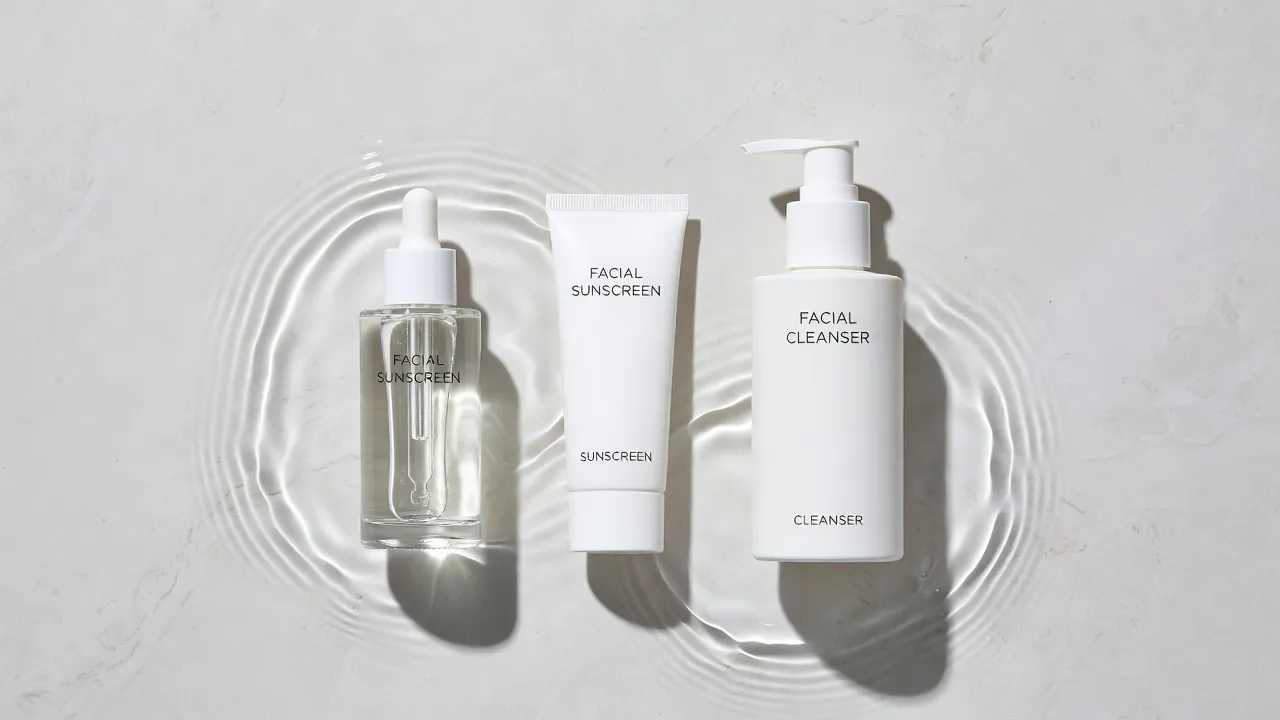
To clear your face and prevent future breakouts, you must follow a consistent daily routine featuring a gentle cleanser, a targeted active ingredient like benzoyl peroxide or salicylic acid, a non-comedogenic moisturizer, and daily broad-spectrum SPF. This core regimen unclogs pores, reduces inflammation, and regulates oil production without stripping the skin barrier. Most people notice a visible reduction in pimples and texture irregularities within four to eight weeks of consistent care.
The biggest mistake people make when trying to figure out how to get clear face skin is doing too much at once. Aggressive scrubbing, mixing too many harsh acids, and constantly switching products every few days causes severe barrier damage. When your moisture barrier is broken, bacteria enters easily and sebum production spikes to compensate for dryness, causing even more severe breakouts.
Below is a clear, step-by-step breakdown of what science actually proves to clear your skin, alongside official recommendations from leading clinical institutions.
At a Glance: The Daily Clear Skin Action Plan
| Step | Action | Key Ingredient or Tool | Realistic Time Frame | Estimated Monthly Cost |
|---|---|---|---|---|
| 1. Cleanse | Wash face twice daily with warm water | Hydrating or gentle foam cleanser (pH 5.5) | 60 seconds (AM/PM) | $10 - $18 |
| 2. Track & Analyze | Scan face to evaluate texture, redness, and acne patterns | Glow Up & Attractiveness Test App | 1 minute (Weekly) | $9.99/week |
| 3. Treat Active Acne | Apply targeted topical agent to unclog pores | 2.5% Benzoyl Peroxide or 2% Salicylic Acid | 30 seconds (PM) | $12 - $25 |
| 4. Hydrate & Repair | Seal skin with light, non-comedogenic moisture | Ceramides, Niacinamide, Hyaluronic Acid | 30 seconds (AM/PM) | $14 - $30 |
| 5. Sun Protection | Apply broad-spectrum mineral or chemical filter | Mineral Zinc Oxide or Broad-Spectrum SPF 30+ | 60 seconds (AM) | $15 - $30 |
What does the American Academy of Dermatology (AAD) recommend for acne treatment?
The American Academy of Dermatology recommends using topical retinoids, benzoyl peroxide, or salicylic acid as first-line treatments for mild to moderate acne. According to official guidance from the American Academy of Dermatology, clear skin requires sticking to a single acne treatment for at least six to eight weeks before evaluating whether it works.
The AAD emphasizes key habits that directly prevent mechanical acne and inflammation:
- Wash twice daily and after sweating: Sweat left on the skin can mix with bacteria and oil, clogging pores along the hairline and jaw.
- Stop scrubbing your face: Scrubbing strips protective surface lipids, worsening redness and prompting your sebaceous glands to double oil production.
- Use non-comedogenic products: Ensure every product label specifies "oil-free," "non-comedogenic," or "won't clog pores."
- Keep hands off your face: Touching your face transfers dirt, oil, and bacteria from your fingers onto your pores.
If you are dealing with rough, flaky patches alongside breakouts, check out our deep-dive guide on fixing ashy skin to restore smooth skin texture.
What does Mayo Clinic recommend for a clear skin routine?
Mayo Clinic recommends washing affected areas with a gentle cleanser, applying over-the-counter acne medications, and protecting skin from friction and sun exposure. In their published treatment guidelines, experts at Mayo Clinic stress that effective acne care balances active ingredients with skin barrier protection.
Mayo Clinic highlights three primary non-prescription ingredients:
- Benzoyl Peroxide: Kills the Cutibacterium acnes bacteria responsible for inflammatory breakouts and helps clear excess oil.
- Salicylic Acid (BHA): A lipid-soluble acid that penetrates deep into hair follicles to dissolve dead skin cells and sebum plugs.
- Alpha-Hydroxy Acids (AHAs): Ingredients like glycolic or lactic acid that exfoliate the top surface of dead skin cells to reduce surface dullness.
Mayo Clinic experts also warn against over-cleansing. Washing your face more than twice a day strips natural lipid barriers, causing irritation that makes existing acne look much redder and more inflamed.
What does Cleveland Clinic recommend for an acne skincare routine?
Cleveland Clinic recommends a streamlined four-step daily routine focused on clearing clogged pores while keeping the skin barrier hydrated. Data from Cleveland Clinic demonstrates that over 80% of people aged 11 to 30 experience acne breakouts, making consistency far more important than buying expensive luxury creams.
Cleveland Clinic outlines this basic routine structure:
- Morning: Wash with a mild cleanser, apply a light moisturizer, and put on oil-free SPF 30+.
- Evening: Cleanse away daily dirt and makeup, apply your targeted topical active (such as adapalene or benzoyl peroxide), and follow with a ceramide-based moisturizer.
- Spot Treatment Rules: Apply acne medicine in a thin layer over the entire acne-prone area, not just on visible spots. This stops new pimples from forming under the skin surface.
For specific guidance on structuring your daily schedule, read our comprehensive walk-through on building a balanced morning skincare routine.
What does the British Association of Dermatologists recommend for acne skincare?
The British Association of Dermatologists recommends using topical treatments consistently for up to three months to judge their full effectiveness. Published clinical guidelines from the British Association of Dermatologists emphasize that acne forms weeks before a pimple breaks through the skin surface, meaning quick fixes do not exist.
Key takeaways from BAD clinical recommendations include:
- Avoid greasy cosmetics: Mineral makeup and water-based lotions are far less likely to cause comedones than heavy oily formulas.
- Never pick or squeeze pimples: Popping pimples pushes bacteria deeper into the dermis, increasing the risk of permanent scarring and dark post-inflammatory hyperpigmentation spots.
- Be patient with topical retinoids: Retinoids like adapalene or tretinoin can cause mild redness and peeling during the first two to four weeks. This process, known as retinization, is normal as skin cell turnover accelerates.
What are the European Academy of Dermatology's acne guidelines?
European Academy of Dermatology guidelines emphasize combining topicals with different modes of action to target all four underlying causes of acne simultaneously. According to medical consensus published in the Journal of the European Academy of Dermatology and Venereology, effective acne care targets follicular hyperkeratinization, sebum production, bacterial proliferation, and skin inflammation.
The European guidelines recommend:
- Combining Benzoyl Peroxide with a Topical Retinoid to prevent antibiotic resistance while treating active papules.
- Maintaining pH-balanced cleansing (pH around 5.5) to protect the skin microbiome.
- Using Niacinamide (Vitamin B3) to calm facial redness and stabilize sebum excretion.
Step 1: Cleanse twice daily with a non-comedogenic cleanser
To clear your skin, start by washing your face every morning and evening with a gentle, sulfate-free cleanser that matches your skin type. Proper cleansing removes excess sebum, pollution, and sweat without disturbing your acid mantle.
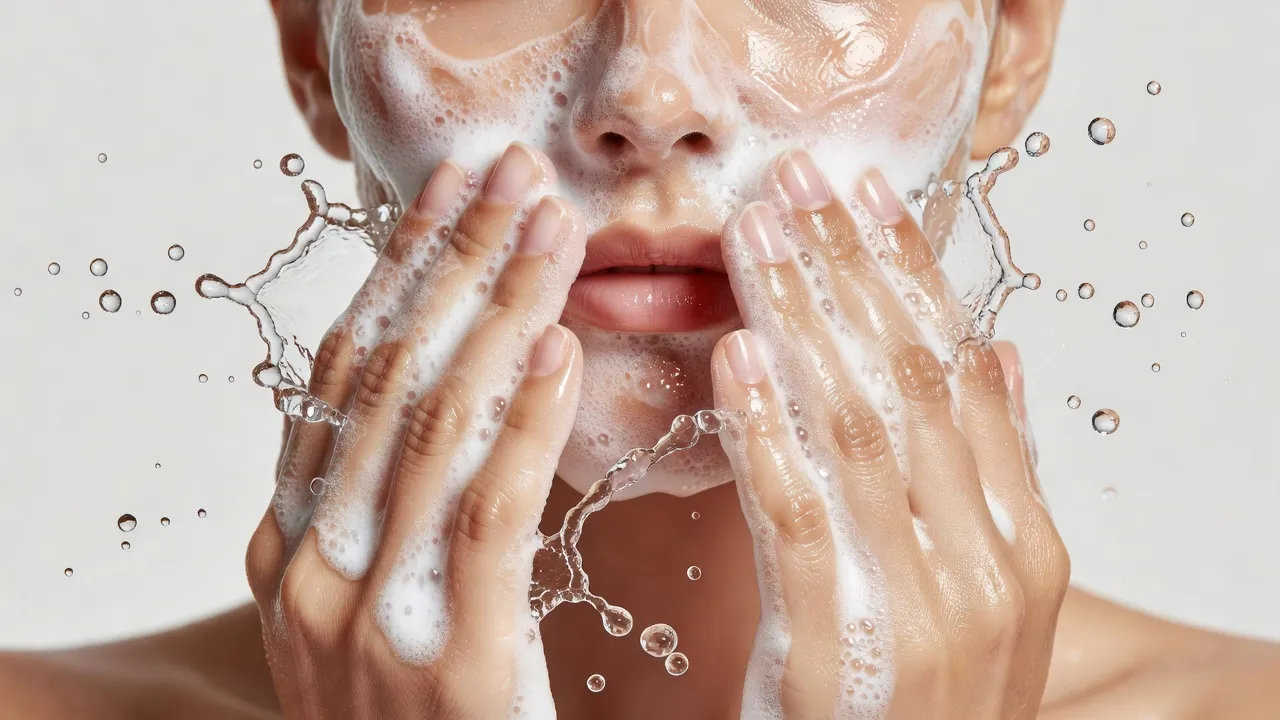
Follow these rules for effective cleansing:
- Use lukewarm water: Hot water strips natural oils and expands capillaries, causing facial flushing. Cold water fails to dissolve surface oil.
- Lather gently for 60 seconds: Use your fingertips to massage the cleanser in light circular motions across your T-zone, cheekbones, and jawline.
- Pat dry with a fresh micro-fiber towel: Rubbing skin with a rough bath towel causes micro-tears and spreads bacteria across your face.
If you struggle with uneven complexion or lackluster tone, read our detailed guide on treating dull skin to bring back a natural radiance.
Step 2: Apply a proven active treatment for acne and clogged pores
Apply a clinical-grade active ingredient once daily to clear existing breakouts and stop new comedones from forming. Active ingredients alter how your skin sheds cells inside hair follicles.
Choose one primary active ingredient based on your main skin concern:
- For inflamed pimples and red bumps: Use 2.5% Benzoyl Peroxide. A study indexed on PubMed established that low-dose 2.5% benzoyl peroxide is just as effective as higher 10% formulas, but causes significantly less irritation and dryness.
- For blackheads, whiteheads, and clogged pores: Use 2% Salicylic Acid (BHA). Salicylic acid is oil-soluble, meaning it dissolves deep pore congestion that water-based exfoliants cannot touch.
- For stubborn acne and texture: Use 0.1% Adapalene gel. Adapalene is an over-the-counter retinoid that normalizes skin cell shedding inside pores.
How to apply: Dispense a pea-sized amount over your clean, dry face. Avoid sensitive areas around the eyes and corners of your mouth.
Step 3: Track your facial skin progress using AI analysis tools
Tracking changes in your skin tone, texture, and clarity week-by-week helps you identify what treatments actually work for your face. Many people abandon effective skincare routines too early because day-to-day progress is subtle and hard to notice in the mirror.

To get an objective look at your skin's health and visual symmetry, you can use specialized tools like the Glow Up & Attractiveness Test. This app uses fine-tuned AI models to analyze your facial photos, provide a detailed feature breakdown, and offer actionable tips to improve your overall visual presentation.
Key benefits of using an AI facial tracking app include:
- Objective feedback: Get an unbiased baseline visual score without relying on uneven lighting or distorted mirror reflections.
- Personalized tips: Receive tailored recommendations on how to glow up, style your hair, and frame your face.
- Visual progression: Track your clear skin transformation alongside improvements in overall facial symmetry and feature harmony over time.
Having an accurate, weekly visual baseline stops you from needlessly changing your products every few days, giving your active treatments the full 6 to 8 weeks required to deliver clear results.
Step 4: Repair and maintain your moisture barrier with a daily moisturizer
Apply a light, oil-free moisturizer immediately after treatment to seal in moisture and repair your skin barrier. Skips in moisturizing cause severe hydration loss, forcing skin glands to secrete excess oil that creates new acne clusters.
Look for these barrier-repairing ingredients:
- Ceramides: Lipid molecules that fill in the gaps between skin cells, restoring your skin's defensive seal.
- Hyaluronic Acid: A humectant that draws up to 1,000 times its weight in water into upper epidermal layers.
- Niacinamide: Vitamin B3 suppresses excess sebum production, calms redness, and shrinks the visual appearance of enlarged pores.
If your goal is achieving a smooth, hydrated look, examine our complete step-by-step blueprint for a multi-layered glass skin routine.
Step 5: Protect your skin daily with broad-spectrum sunscreen
Apply a broad-spectrum sunscreen with SPF 30 or higher every single morning as the final step of your skin routine. UV radiation damages cellular DNA, degrades collagen, and darkens post-acne marks into permanent dark spots.
Many people skip sun protection because they fear sunscreen causes breakouts. To keep your skin clear while wearing sunscreen:
- Choose mineral filters: Look for active ingredients like Zinc Oxide or Titanium Dioxide. Zinc oxide naturally reduces surface inflammation and is gentle on reactive skin.
- Verify oil-free formulas: Pick liquid fluid or gel sunscreens explicitly labeled as fluid, matte, or non-comedogenic.
- Double cleanse at night: Wash off your sunscreen thoroughly each evening with a gentle facial cleanser so no pore-clogging film remains overnight.
What are the most common skincare mistakes that prevent clear skin?
The most common mistakes that prevent clear skin are over-exfoliating, switching products too frequently, and ignoring dietary acne triggers. Avoiding these common pitfalls saves you money and prevents skin irritation.
Over-exfoliating and stripping the skin barrier
Using multiple acid serums, exfoliating brushes, and scrub pads all at once breaks down the stratum corneum (the skin barrier). Once damaged, your skin experiences chronic stinging, red patches, tight skin surface, and painful cystic breakouts. Stick to one active treatment at a time.
Changing skincare products too quickly
Skin cell turnover takes roughly 28 to 40 days depending on your age. When you swap facial products every three to four days, you never allow the active ingredients enough time to show visible improvements. Give every new routine at least six full weeks before deciding to change ingredients.
Neglecting diet and lifestyle factors
What you put in your body directly impacts your systemic inflammatory levels and hormone levels. Consuming high-glycemic foods (sugary drinks, refined flour, candy) triggers insulin spikes that increase sebum production.
To complement your topical routine, review our guide on targeted foods to eat that clear skin to optimize your diet for clear face skin.
How long does it take to get clear skin on your face?
It typically takes 6 to 12 weeks of consistent daily care to achieve noticeably clearer facial skin. Acne forms deep inside pores weeks before becoming visible on the surface, so treatments must work across several natural skin turnover cycles.
Here is what to expect during a typical clear skin timeline:
- Weeks 1 to 2: Skin adjusts to active ingredients. You might experience mild dryness or light flaking.
- Weeks 3 to 4: You may experience a brief "purging" period where existing underlying micro-comedones come to the surface faster.
- Weeks 6 to 8: Active inflammatory pimples drop significantly, oil production stabilizes, and surface texture smooths out.
- Weeks 12 and beyond: Post-acne redness fades, skin barrier function reaches optimal levels, and overall skin clarity stabilizes.
To track your facial improvement and refine your personal appearance strategy, try downloading the Glow Up & Attractiveness Test App. Analyzing your facial clarity and skin texture through objective AI tools helps you stay committed to your routine until you achieve your goal.
Frequently Asked Questions
How can I get clear facial skin fast?
To get clear facial skin as quickly as possible, stick to a basic 3-step routine consisting of a gentle cleanser, a 2.5% benzoyl peroxide or 2% salicylic acid treatment, and an oil-free moisturizer. Avoid picking or popping pimples, which doubles healing time and leaves permanent marks. Realistically, visible skin clearance takes at least 4 to 6 weeks.
How to clear skin naturally at home?
You can support clear skin naturally by washing your face twice daily with lukewarm water, changing your pillowcases every two days, avoiding touching your face, reducing high-glycemic foods, and managing stress levels. However, clinical natural ingredients like tea tree oil or green tea extract work best when combined with standard non-comedogenic hydration.
Does drinking water clear your skin?
Drinking adequate water supports overall body hydration and skin elasticity, but water alone cannot unblock clogged pores or stop hormonal acne. Drinking water works best as a supporting habit alongside proper topical cleansing, active treatments, and daily SPF protection.
Why am I breaking out when I wash my face daily?
You may be breaking out because your cleanser is too harsh, you are scrubbing too vigorously, or your products contain pore-clogging comedogenic oils. Washing too frequently (more than twice a day) strips your natural skin barrier, leading to compensatory oil overproduction and increased acne.
How do I know if my skin is purging or breaking out?
Skin purging occurs in areas where you normally break out after starting a cell-turnover active like salicylic acid, glycolic acid, or retinoids, and it typically clears within 4 to 6 weeks. A negative reaction or traditional breakout happens in new areas, involves deep painful bumps, and persists until you stop using the offending product.
Should I stop using moisturizer if I have oily acne-prone skin?
No, skipping moisturizer damages your skin barrier, causing your sebaceous glands to produce even more excess oil to compensate for dehydration. Oily skin requires a lightweight, oil-free, non-comedogenic lotion or gel moisturizer containing ingredients like hyaluronic acid or niacinamide.