
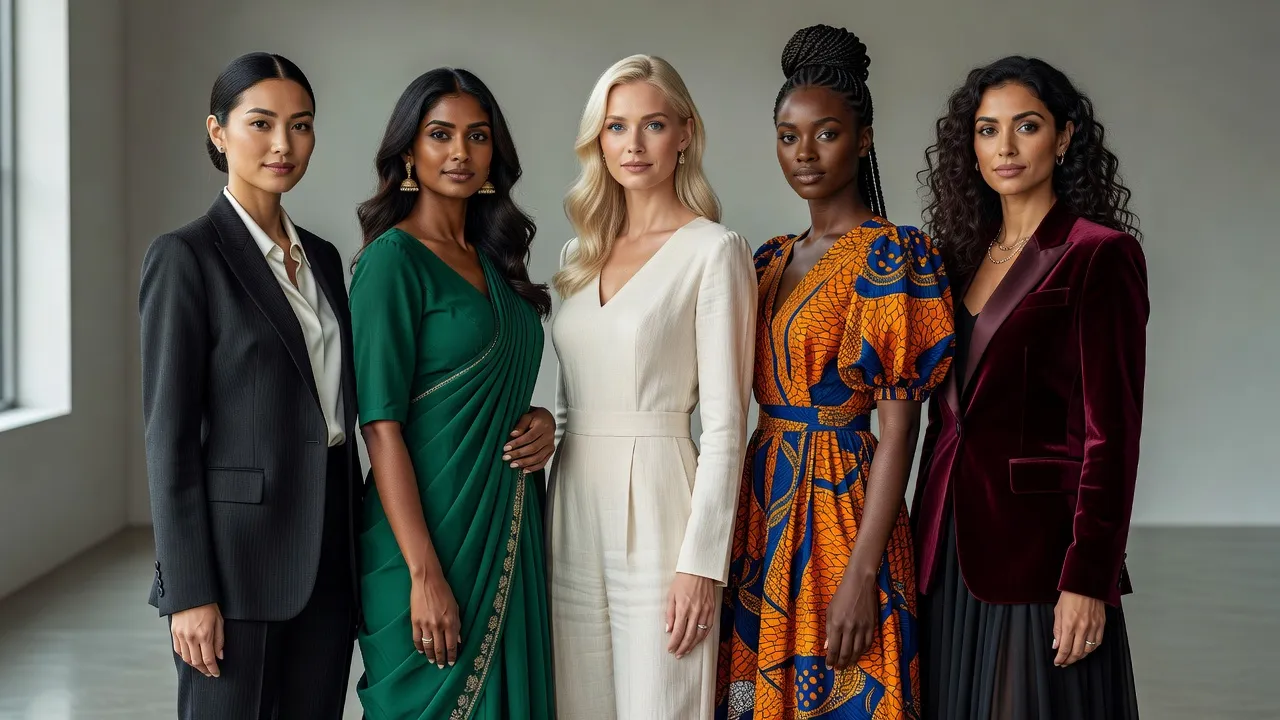
Standards of beauty around the world are shaped by historical culture, regional media, and local ideals of health, ranging from hyper-petite facial proportions in East Asia to athletic curves in South America. While globalized social media has pushed a few universal traits like facial symmetry and clear skin, individual countries still maintain distinct requirements for face shape, body type, skin tone, and features.
Understanding how beauty ideals differ globally helps put regional aesthetic pressures into perspective. Whether you want to explore global aesthetics or adjust your personal grooming routine, examining regional preferences reveals how flexible the concept of attractiveness really is.
1. What makes someone attractive according to current US beauty standards?
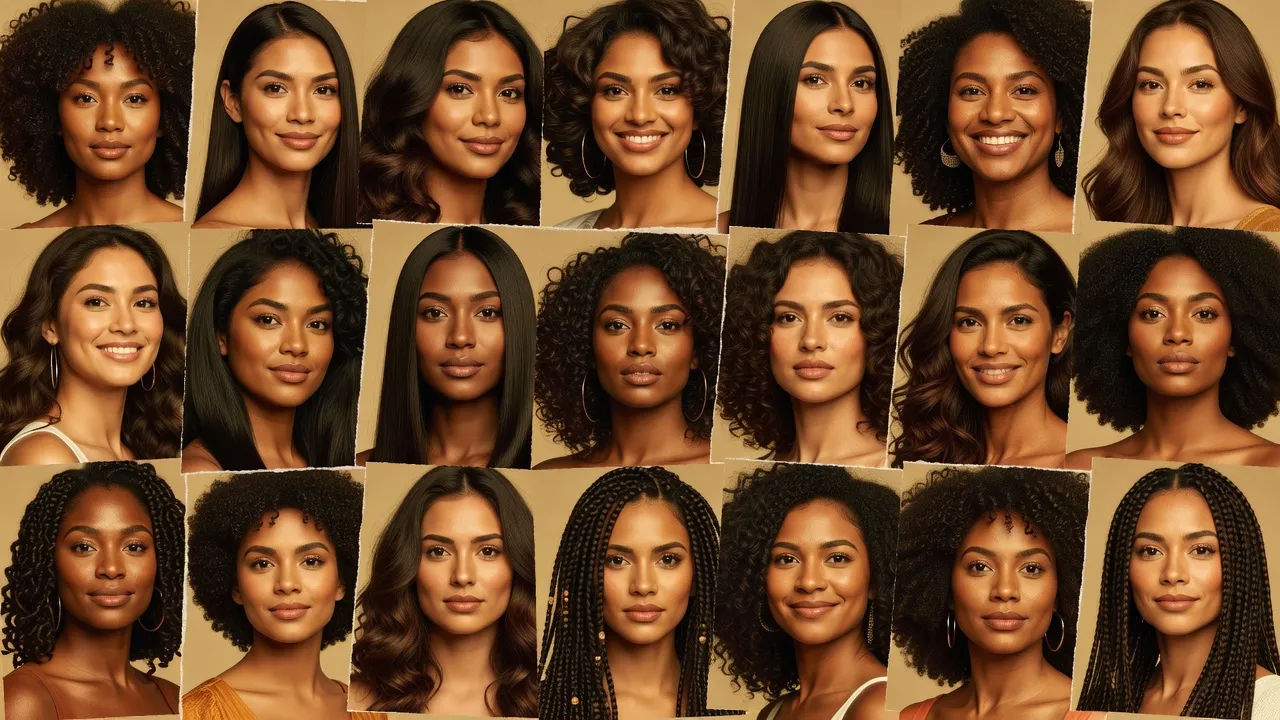
Current American beauty standards prioritize a golden tan, full lips, high cheekbones, and an athletic body shape often described as slim-thick. This aesthetic blends fitness-focused muscularity with pronounced facial and body curves, heavily driven by social media platforms and West Coast celebrity culture.
In the US market, facial symmetry and strong jawlines are sought after by both women and men. Western beauty culture places heavy emphasis on self-care routines that deliver bright smiles, glowing skin, and styled volume in hair. You can read more about how local media shifts these preferences in our guide to american beauty standards.
Key features valued in current US beauty culture include:
- Skin tone: A sun-kissed or bronzed glow, often achieved via sunless tanners.
- Body shape: Toned arms and abdomen paired with fuller hips and glutes.
- Facial traits: Plump lips, straight white teeth, and defined cheek contouring.
The main trade-off of the American ideal is its financial and time commitment. Maintaining tan skin, fitness memberships, hair extensions, and cosmetic injectables requires consistent upkeep that isn't practical for everyone.
2. What are South Korea's K-beauty standards for attractiveness (double eyelids, V-line)?
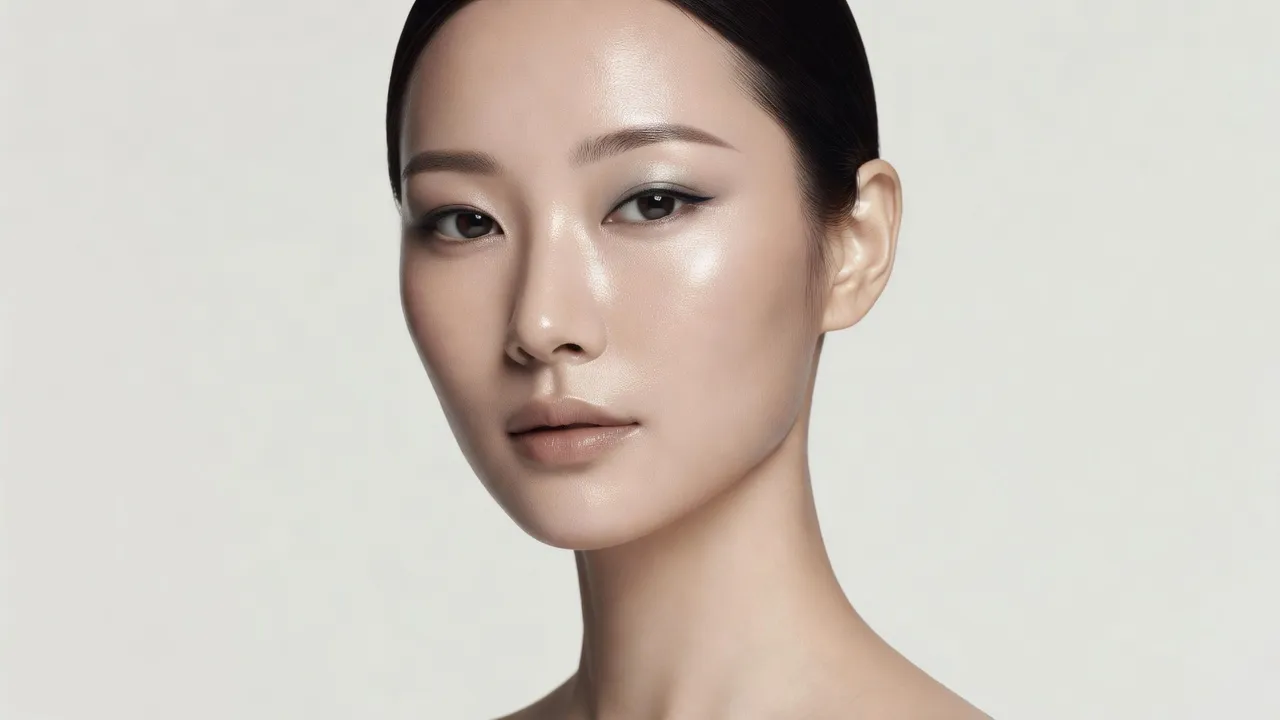
South Korean beauty standards favor a small, heart-shaped face with a sharp V-line jaw, double eyelids, pale skin, and a youthful expression. Known globally through the influence of K-pop and K-dramas, these strict aesthetic rules focus on delicate, symmetrical facial proportions and flawless skin clarity.
According to global cosmetic surgery reports published by the International Society of Aesthetic Plastic Surgery, South Korea consistently ranks among the highest worldwide in aesthetic procedures per capita. The double eyelid procedure (blepharoplasty) and jaw-shaving surgery are widely sought out to achieve the ideal facial outline. If you want to dive deeper into East Asian facial harmony, check out our breakdown of korean standards of beauty.
Core components of the K-beauty aesthetic include:
- Facial structure: Small head ratio with a slender V-shaped jawline.
- Eye area: Double eyelids paired with aegyo-sal (subtle under-eye fullness that simulates smiling).
- Complexion: Glass skin that looks translucent, fair, and deeply hydrated.
The primary drawback here is strict visual conformity. Korean society enforces narrow physical targets, which can create intense pressure on individuals who do not fit the default facial structure.
3. What makes someone attractive according to Brazil's beauty standards?
Brazilian beauty standards focus heavily on a toned, voluptuous body with broad hips, defined glutes, and naturally sun-exposed skin. Unlike regions that prioritize extreme thinness or facial minimalism, Brazil's aesthetic culture celebrates body confidence, beach-ready fitness, and fluid movement.
Facial preferences in Brazil lean toward warm, expressive features, including full hair, bronzed skin, and minimal heavy makeup in daily life. Plastic surgery is culturally accepted and widely accessible across urban centers, with body contouring procedures ranking among the highest in demand.
Key characteristics of Brazilian attractiveness include:
- Body ratio: Strong thighs, rounded hips, and a narrow waist.
- Grooming: Smooth skin, manicured nails, and golden body hair.
- Vibe: An effortless, healthy appearance centered around outdoor lifestyle and movement.
The biggest trade-off with Brazil's standard is the intense focus placed on lower-body proportions. Achieving this body shape often demands specific genetic distribution or invasive surgical intervention like Brazilian Butt Lifts (BBLs).
4. What role does skin lightening and fairness play in India's beauty standards?
In India, fair skin historically carried major cultural weight, though modern beauty standards are expanding to embrace almond-shaped eyes, sharp facial features, and thick, lustrous black hair. For decades, dark skin carried social stigma rooted in historical caste structures and colonial influences, leading to widespread commercial demand for lightening products.
Data from the World Health Organization highlights that skin-lightening topical treatments remain a multi-billion dollar market across South Asia, despite growing health warnings regarding ingredients like hydroquinone and mercury. As of August 2026, public campaigns and younger generations are pushing back against colorism, shifting focus toward natural skin health and facial symmetry.
Major elements of modern Indian attractiveness include:
- Hair: Long, dense, dark hair treated with traditional oils.
- Facial features: Expressive almond eyes, sharp nose bridge, and clear skin.
- Body shape: A balanced feminine build that favors subtle curves over extreme thinness.
The obvious limitation of this tradition is the enduring presence of colorism. While progress is happening, darker-skinned individuals still face media bias compared to fairer peers.
5. What are Nigeria's beauty standards for body shape, skin tone, and hair?
Nigerian beauty standards celebrate a fuller, curvaceous body shape, clear radiant skin, and intricate hair styling ranging from braided crowns to rich natural afros. Physical presence, tall stature, and well-nourished curves are traditionally seen as symbols of health, wealth, and vitality.
In West African pop culture, skin tone preferences vary. While glowing, rich brown skin is widely praised, fair skin retains commercial prominence in mainstream film and beauty pageants. Hair artistry holds immense cultural importance, with protective styles, wigs, and structured braids serving as core elements of daily fashion.
Defining traits in Nigerian beauty ideals:
- Silhouette: Pronounced hips, full bust, and an hourglass frame.
- Hair expression: Elaborate braided patterns, locs, or styled natural hair.
- Skin texture: Deeply hydrated, smooth skin with a natural oil sheen.
A major trade-off in Nigerian beauty standards is the dual expectation surrounding body weight and skin tone, where women are expected to maintain curves without gaining face or belly volume.
6. What are Middle East beauty standards around modesty (Iran, Saudi Arabia, UAE)?
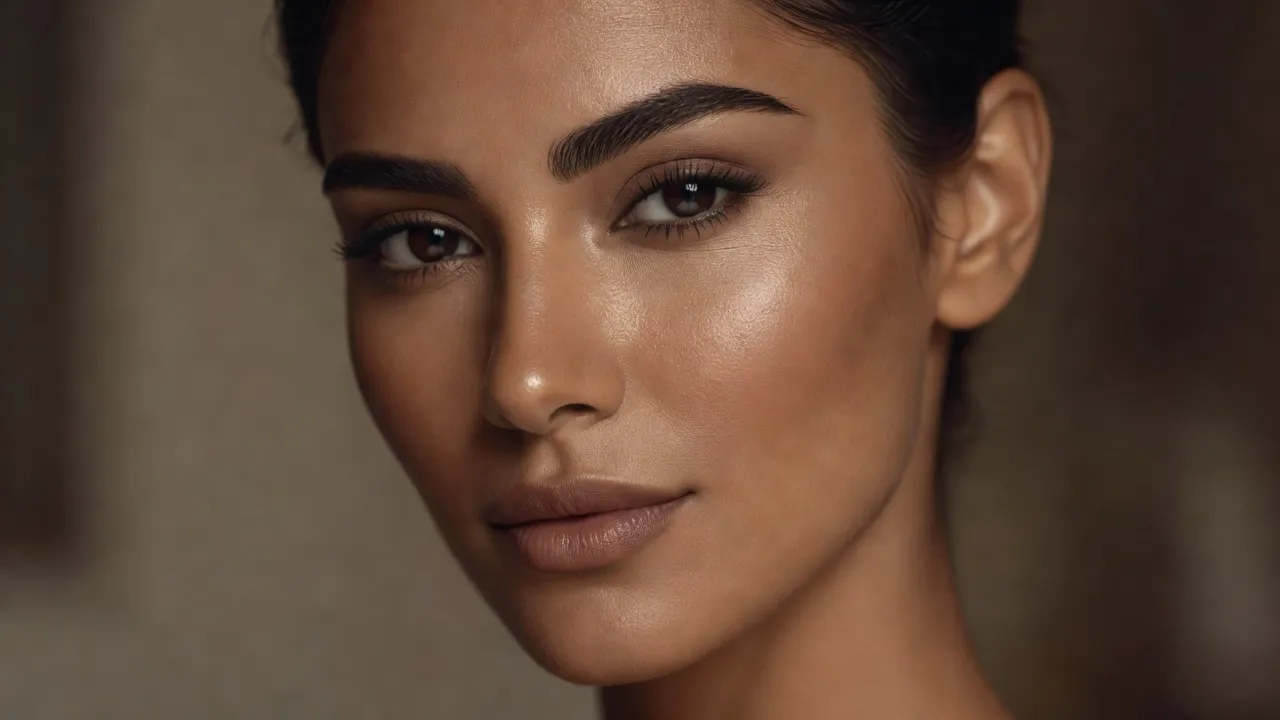
Middle Eastern beauty standards center on striking eye features, bold defined eyebrows, symmetrical noses, and polished grooming that stands out even when wearing traditional headwear. Because traditional attire like the abaya or hijab draws focus to the face, facial cosmetics and surgical refinement play an oversized role in personal styling.
Iran is widely recognized as a global center for rhinoplasty. Academic research published in the National Institutes of Health database documents how nose reshaping surgery serves as a common rite of passage for young adults seeking narrow, straight facial profiles.
Key features emphasized in Middle Eastern aesthetics:
- Eyes and Brows: Thick, framed eyebrows paired with dark, lined eyes and long lashes.
- Facial contours: A straight nose bridge, full sculpted lips, and defined cheekbones.
- Complexion: Smooth, pale-to-olive skin free of blemishes or hyperpigmentation.
The primary drawback is the high cost of cosmetic upkeep. Intensive makeup, regular brow threading, and surgical nose refinements create high financial and aesthetic benchmarks.
How global beauty standards compare across major regions
Every culture prioritizes distinct facial ratios and body profiles, meaning there is no single global definition of what makes a person attractive. What counts as an ideal feature in Seoul might be viewed entirely differently in Rio de Janeiro or Los Angeles.
If you are exploring your own facial balance or curious how your proportions fit into regional aesthetics, modern mobile apps provide instant facial feedback. The Glow Up & Attractiveness Test app uses an AI model fine-tuned on global facial metrics to scan your selfie, calculate a personalized beauty score, and offer tailored tips for your facial structure. You can also explore looksmaxxing for women to learn practical ways to optimize your hair, skin, and symmetry.
The comparison table below details how six major regional standards compare in terms of focus area, common procedures, and key cultural requirements.
| Region / Culture | Primary Focus Area | Signature Feature Desired | Common Aesthetic Procedure |
|---|---|---|---|
| United States | Athletic contouring | Tanned skin & full lips | Lip fillers & breast augmentation |
| Glow Up & Attractiveness Test | Facial symmetry & glow up analysis | Personalized AI face score | Non-invasive AI selfie analysis |
| South Korea | Facial delicacy | V-line jaw & double eyelids | Blepharoplasty & jaw reduction |
| Brazil | Lower body curves | Sculpted glutes & golden tan | Brazilian Butt Lift (BBL) |
| India | Facial contrast | Almond eyes & radiant skin | Skin brightening treatments |
| Nigeria | Voluptuous frame | Full hips & intricate braids | Body contouring & hair styling |
| Middle East | Eye & nose symmetry | Straight nose & framed brows | Rhinoplasty & brow shaping |
Note: Data gathered from regional industry surveys and aesthetic trends as of August 2026.
How to analyze your own facial features against global beauty metrics
To evaluate your own facial features without bias, focus on measurable elements like symmetry, skin clarity, jawline definition, and cheekbone prominence. Rather than forcing your face into a single regional template, identifying your natural face shape helps you choose styling techniques that highlight your best traits.
Using digital face scanners simplifies this process. If you want a quick rating, you can upload a photo to the Glow Up & Attractiveness Test on the Apple App Store to receive an instant face rating score, detailed feature analysis, and an AI visualizer that shows your glow up potential.
Here are three simple steps to analyze your facial balance at home:
- Check your face shape: Take a straight-on selfie with neutral lighting and pull your hair back. Measure whether your face is widest at the forehead, cheekbones, or jaw to identify your geometric shape.
- Assess your facial thirds: Divide your face horizontally from hairline to brow, brow to nose base, and nose base to chin. Equal thirds indicate strong balance. If you want a deeper breakdown, check our step-by-step guide to analysis of face.
- Evaluate skin health and contrast: Look at your skin's light reflectivity and natural contrast between your eyes, lips, and skin tone. High contrast often enhances perceived attractiveness in photos.
Why global beauty standards are shifting in 2026
Global beauty standards are becoming more fluid due to social media, global migration, and AI facial tools that showcase diverse forms of attractiveness. Instead of relying solely on Western media templates, modern trends pull inspiration from East Asian skincare, South American fitness ideals, and Middle Eastern makeup artistry simultaneously.
Key factors driving this global aesthetic mix include:
- Digital connectivity: TikTok and Instagram introduce users to international beauty hacks instantly.
- Cross-cultural cosmetic trends: Western creators adopt K-beauty skincare, while Asian markets incorporate Western contouring styles.
- AI customization: Tools like the Glow Up & Attractiveness Test allow individuals to analyze their unique facial geometry rather than blindly copying celebrity looks.
Ultimately, beauty ideals are cultural constructions that evolve continuously. Embracing your distinct traits while utilizing smart grooming tips gives you total control over your personal presentation.
Frequently Asked Questions
Which country has the strict beauty standards for face shape?
South Korea is widely considered to have some of the world's strictest facial standards. Cultural emphasis is placed on a tiny face ratio, double eyelids, a straight nose bridge, and a narrow V-line jaw, leading to high rates of cosmetic procedures among young adults.
Why do beauty standards vary so much between countries?
Beauty standards are formed by a blend of climate, history, cultural values, and local media. Warm climate regions like Brazil favor sun-exposed skin and beach fitness, while historically agrarian or class-conscious societies often valued pale skin as a sign of leisure.
Is facial symmetry universally attractive across all cultures?
Yes, evolutionary psychology shows that facial symmetry is recognized as attractive across virtually every culture. Humans subconsciously associate symmetrical facial features with genetic health and developmental stability, regardless of regional fashion trends.
How does social media affect global beauty standards today?
Social media speeds up the spread of beauty trends, creating homogenized global aesthetics like full lips, contoured cheekbones, and filtered skin. However, it also gives visibility to niche cultural trends, allowing regional styles to gain worldwide popularity.
What is the ideal body shape in Western vs African beauty standards?
Western standards currently mix athletic lean muscle with selective curves, often targeting a narrow waist and toned arms. In contrast, many African nations, including Nigeria, traditionally favor a fuller, more voluptuous body shape as a symbol of prosperity and vitality.
How can I find out what face shape or beauty traits I have?
You can determine your face shape by taking a frontal photograph with neutral lighting and assessing your jaw, cheekbone, and forehead width. Using dedicated AI tools like the Glow Up & Attractiveness Test app allows you to get an automated facial analysis and personalized grooming tips directly from your phone.