
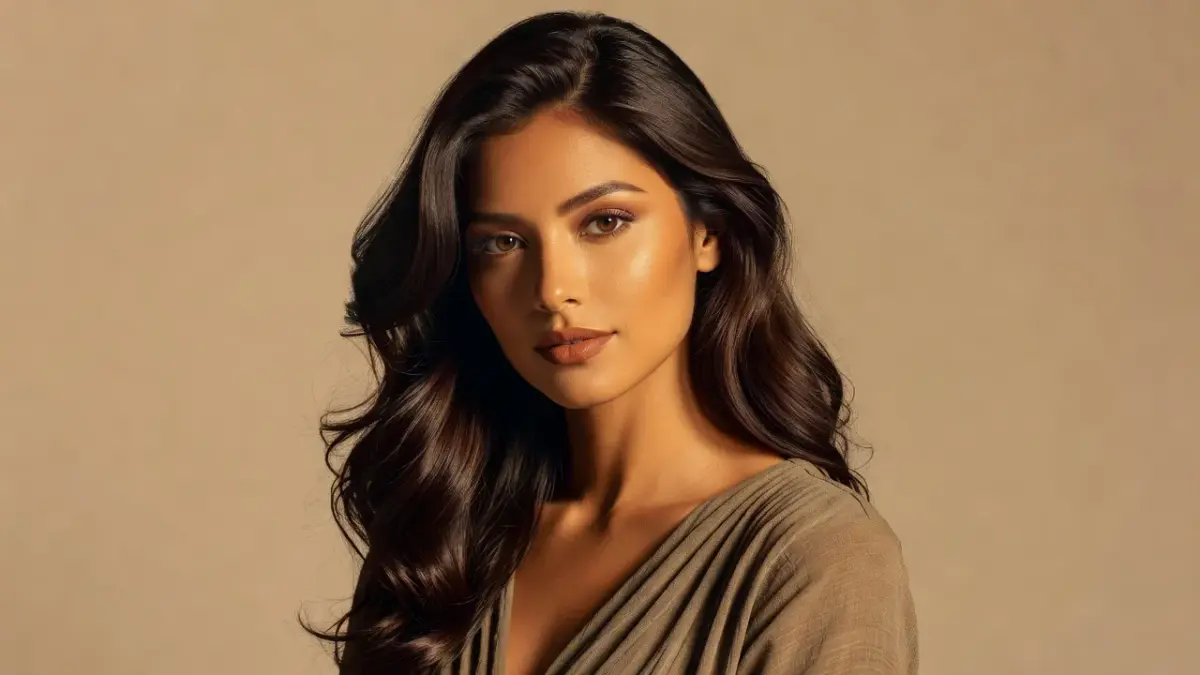
Mexican beauty standards are a complex interplay of historical Eurocentric ideals - which prioritize fair skin, narrow noses, and tall, slim frames - and a growing movement celebrating dark skin, full lips, and indigenous facial structure. For decades, Mexican television and advertising heavily favored European traits, but recent shifts across social media and pop culture have created a far broader definition of modern attractiveness.
If you want to understand how your own features align with different facial proportions and global symmetry models, our iPhone app Glow Up & Attractiveness Test offers AI-powered visual analysis and tailored grooming suggestions.
What Are Traditional Mexican Facial Features and Aesthetic Ideals?
Traditional Mexican facial features reflect a rich blend of Indigenous, European, and African heritage, though media historically prioritized European traits. The physical demographic in Mexico is predominantly Mestizo (mixed Indigenous and European ancestral background), resulting in a diverse range of skin tones, bone structures, and facial geometries.
The drawing is a side-by-side comparison of two columns. "Historical Ideal" sits over "High Eurocentric Contrast" on the left, and "Modern Aesthetic Ideal" sits over "Authentic Harmony & Volume" on the right. Each column lists four items, and the items in the same row sit across from each other.
| Historical Ideal (High Eurocentric Contrast) | Modern Aesthetic Ideal (Authentic Harmony & Volume) |
|---|---|
| Fair / Light Skin | Warm, Olive & Golden Tones |
| Slim, Straight Nose Bridge | Soft, Sculpted Cheekbones |
| Petite, Slender Silhouette | Curvy, Hourglass Proportions |
| Light Brown / Blonde Hair | Rich Dark Hair & Expressive Brows |
When analyzing Mexican facial features from an aesthetic perspective, several distinct characteristics frequently define the population:
- Bone structure: High, defined cheekbones paired with strong, rounded jawlines that offer structural support and longevity in aging.
- Eye shape and color: Expressive, almond-shaped eyes, most commonly in deep brown or dark hazel shades, framed by full, dark eyebrows.
- Nasal profile: A wide range of profiles, from straight, narrow bridges to broader, curved bridges that reflect native Mesoamerican roots.
- Lip volume: Naturally balanced to full lips, which have become a focal point of modern cosmetic enhancement and makeup styles.
- Skin undertones: Predominantly warm, golden, and olive undertones that offer built-in sun protection but require targeted care for hyperpigmentation.
Understanding these traits helps clarify why rigid, single-origin standards fail to capture the reality of Mexican aesthetics. To explore how regional variations interact with broader ideals, read our detailed guide on Eurocentric beauty standards and their systemic influence worldwide.
How Does Colorism Shape Beauty Standards in Mexico?
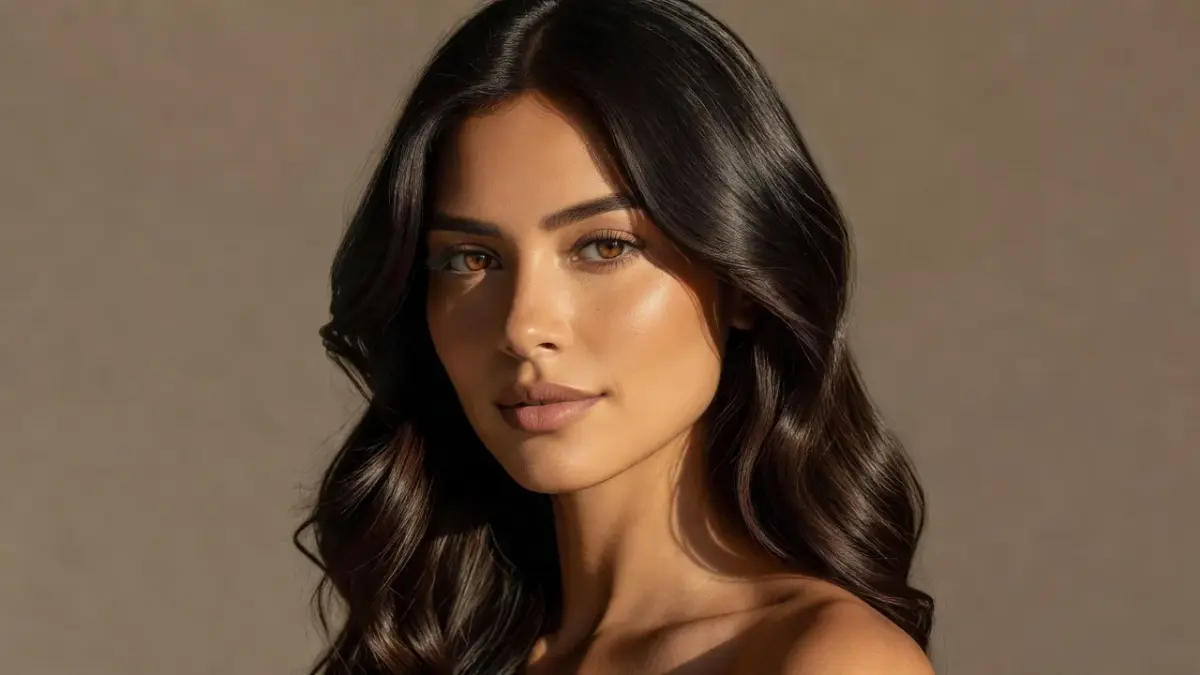
Colorism shapes Mexican beauty standards by granting systemic preference and social capital to lighter skin tones over darker ones. This dynamic, often referred to locally as pigmentocracia, stems from colonial caste systems that linked light skin to higher social status, wealth, and power.
The impact of colorism in Mexico is not merely subjective; it is backed by empirical social data. According to the Instituto Nacional de Estadística y Geografía (INEGI), national surveys on social mobility demonstrate that Mexicans with lighter skin complexions consistently report higher levels of educational attainment and income compared to darker-skinned citizens.
This structural divide heavily influences daily beauty norms in several distinct ways:
- Media representation: Telenovelas and mainstream advertisements have historically cast fair-skinned actors in lead, affluent roles, while darker-skinned actors were relegated to domestic or antagonist positions.
- Interpersonal pressure: Familial advice often encourages family members to marry lighter partners to mejorar la raza ("improve the race"), a phrase rooted in deep-seated colorist bias.
- Job market preferences: Corporate and customer-facing positions often prioritize applicants with buena presencia ("good presentation"), an informal code that frequently favors light skin and Eurocentric styling.
While colorism remains a powerful force, consumer resistance is actively weakening its hold on mainstream culture.
Is Skin Whitening (Blanqueamiento) Common in Mexico?
Skin whitening practices in Mexico are common, primarily operating through over-the-counter brightening creams, dermatological laser treatments, and sun avoidance rather than systemic bleaching pills. Rather than explicitly seeking to turn white, many consumers purchase products labeled for "tone evening," "spot correcting," or "radiance enhancement" to minimize dark spots caused by sun exposure.
In Mexico, the market for brightening agents is driven by two main factors: high UV radiation levels that cause melasma, and societal pressure to maintain a light complexion.
The two categories sit side by side, with each column's focus stated first and its three items listed beneath it.
| Sun Damage / Melasma | Colorist Aesthetic |
|---|---|
| Focus: Evening Pigmentation | Focus: Lightening Base Tone |
| Topical Vitamin C & Retinoids | High-Concentration Hydroquinone |
| Strict Broad-Spectrum SPF | Chemical Peels & Glutathione |
| Targeted Clinical Lasers | Daily Tone-Up Cover Cream |
The medical and commercial realities of skin whitening in Mexico include key costs and formulation trends:
- Topical brightening creams: Mass-market products featuring niacinamide, vitamin C, and licorice root extract range from $12 to $35 USD at local pharmacies.
- Clinical treatments: Prescription hydroquinone formulations and targeted Q-switched laser sessions cost between $80 and $250 USD per visit at Guadalajara and Mexico City dermatological clinics.
- Regulatory concerns: Low-cost, unregulated brightening face creams sold in informal markets often contain banned levels of corticosteroids or mercury, posing serious skin barrier risks.
If you are evaluating skincare products to correct hyperpigmentation without damaging your skin, our review on the female attractiveness test explains how digital facial tracking can measure skin clarity over time.
How Are Indigenous People Represented in Mexico's Beauty Industry?
Indigenous representation in Mexico's beauty industry is historically minimal, but it has seen a visible, groundbreaking increase over the last decade. For generations, Mesoamerican facial structures - such as rounded faces, prominent broad noses, dark skin, and compact stature - were excluded from high-fashion magazine covers and cosmetic campaigns.
A pivotal turning point occurred in 2018 when Indigenous Mixtec actress Yalitza Aparicio starred in the film Roma. Her historic appearance on the cover of Vogue México marked one of the first times an un-edited Indigenous woman graced the front of a major Latin American fashion publication.
MILESTONES IN REPRESENTATION branches into three entries, each listed on its own line:
- 1920s–1950s: Golden Age of Mexican Cinema (Promoted idealized Mestiza beauty)
- 1980s–2010s: Commercial Television Era (Strict Eurocentric dominance)
- 2018–Present: Indigenous Visibility Shift (Yalitza Aparicio / Vogue Cover)
Despite this breakthrough, true equity across the industry remains an ongoing battle:
- Tokenism vs. sustained employment: Indigenous models are frequently hired for special "cultural" editions rather than standard year-round cosmetics campaigns.
- Exploitation of traditional aesthetics: High-fashion brands frequently adopt traditional Indigenous textiles and hair braiding without hiring Indigenous models or artisans.
- Rise of independent beauty creators: Indigenous content creators on TikTok and Instagram are bypassing traditional modeling agencies, building massive followings by celebrating authentic native features, traditional hairstyles, and regional fashion.
Analyzing Facial Harmony with Modern Digital Tools
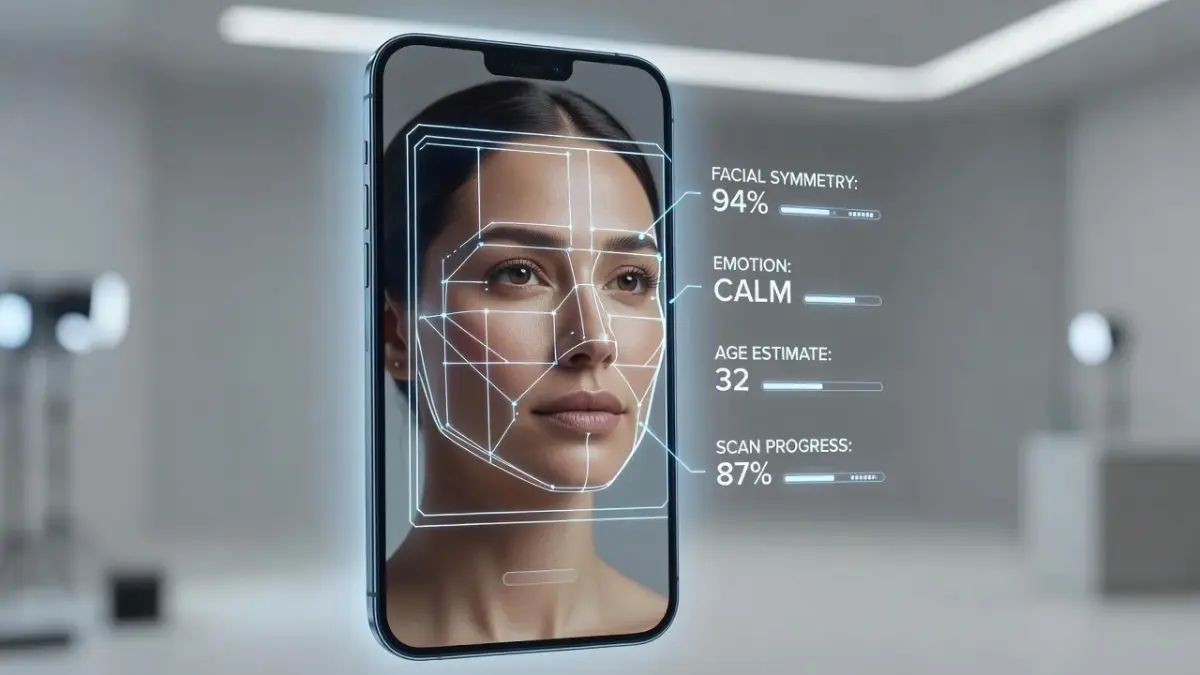
Understanding how facial symmetry, jawline definition, and feature proportions combine is a major part of evaluating beauty standards anywhere in the world. Modern AI analysis allows you to evaluate your unique proportions objectively without relying on outdated regional biases.
Our iPhone application, Glow Up & Attractiveness Test, gives you immediate insight into your facial geometry.
GLOW UP & ATTRACTIVENESS TEST
[ iPhone App ]
- AI Facial Geometry Scan
- Personalized Symmetry & Proportion Scoring
- Step-by-Step Glow Up Recommendations
- 10/10 AI Feature Visualization
Pricing: $9.99 / week
By scanning a simple selfie, the app calculates structural proportions, pinpoints your strongest features, and delivers a customized glow-up guide designed to enhance your natural beauty.
How Common Is Cosmetic Surgery in Mexico?
Cosmetic surgery is extremely common in Mexico, ranking the country among the top five destinations worldwide for aesthetic medical procedures. According to official global survey data from the International Society of Aesthetic Plastic Surgery (ISAPS), board-certified surgeons in Mexico perform over one million surgical and non-surgical aesthetic treatments annually.
The popularity of plastic surgery stems from strong domestic demand alongside a booming medical tourism sector, primarily drawing patients from the United States and Canada due to lower pricing.
| Cosmetic Procedure | Average Cost in Mexico (USD) | Average Cost in USA (USD) | Primary Aesthetic Goal |
|---|---|---|---|
| Rhinoplasty | $3,000 – $4,500 | $7,500 – $12,000 | RefTiming nasal bridge, narrowing tip |
| Liposuction / BBL | $3,500 – $5,500 | $8,000 – $14,000 | Creating hourglass waist-to-hip ratio |
| Breast Augmentation | $3,200 – $4,800 | $6,500 – $10,000 | Increasing bust volume and fullness |
| Injectable Fillers (per cc) | $250 – $400 | $650 – $900 | Enhancing lips, chin, and cheekbones |
| Botulinum Toxin (per unit) | $8 – $12 | $15 – $22 | Smoothing forehead lines and crow's feet |
The primary trends driving plastic surgery in Mexico revolve around specific body and facial ratios:
- The hourglass body standard: Procedures like the Brazilian Butt Lift (BBL) and high-definition liposuction are heavily requested to achieve a tiny waist combined with full hips.
- Refining nasal harmony: Rhinoplasty remains the most requested facial surgery, with patients seeking to narrow the nasal bridge while preserving structural harmony with their cheekbones.
- Low-cost non-surgical tweaks: Hyaluronic acid lip fillers and liquid rhinoplasties are increasingly popular among young adults in major hubs like Mexico City, Tijuana, and Guadalajara.
How Do Mexican Beauty Influencers on Instagram and TikTok Shape Trends?
Mexican beauty influencers shape current trends by shifting consumer interest away from heavy, matte television makeup toward dewy skin, bold eyebrows, and body positivity. Content creators on platforms like TikTok and Instagram have decentralized trendsetting, allowing local audiences to dictate what is attractive rather than relying on legacy TV networks like Televisa.
Key aesthetic trends championed by top Mexican digital creators include:
- "Piel de Porcelana" with a Dewy Finish: A major shift away from full-coverage matte foundations toward lightweight skin tints, liquid blushes, and intense hydration routines.
- Emphasis on full, laminated brows: Fluffy, brushed-up dark eyebrows that highlight brown and hazel eye colors without looking overly painted.
- Latina Glam and lip lining: Combining brown lip liners with clear or nude gloss, a nostalgic homage to 1990s Chicana aesthetics updated for modern video formats.
- Open conversations on cosmetic tweaks: Influencers openly document their rhinoplasties, lip fillers, and skin treatments, removing the traditional social stigma around aesthetic surgery.
These creators demonstrate that Mexican beauty standards are no longer monolithic. To learn more about how international aesthetics intersect with local preferences, check out our comparative analysis on global beauty standards.
How Are Mexican Beauty Standards Changing Toward Inclusivity?
Mexican beauty standards are changing toward inclusivity through grassroots social media movements, broader casting choices, and corporate shifts that embrace diverse skin tones and body sizes. The rise of the Morena pride movement (celebrating brown skin) has challenged decades of colorist media bias.
Several key cultural drivers are forcing this positive evolution:
- Anti-colorism campaigns: Activist groups like Poder Prieto advocate for fair media representation, demanding that dark-skinned actors receive primary, non-stereotypical roles in Mexican media.
- Body diversity acceptance: The rigid preference for ultra-thin fashion models is being replaced by appreciation for athletic, curvy, and naturally voluptuous physiques.
- Invasive brand representation: Major drugstore and luxury cosmetic brands operating in Mexico now offer expanded shade ranges designed specifically for olive and warm brown undertones.
While traditional biases still exist, the definition of what makes someone attractive in Mexico is broader, richer, and more authentic than at any point in history.
Frequently Asked Questions
What skin tone is most idealized in Mexico?
Historically, light skin was idealized due to colonial colorism and media representation. However, warm olive, golden, and rich brown tones are increasingly celebrated through modern social media and body positivity movements.
Are Mexican beauty standards different from American beauty standards?
Yes, while both value facial symmetry and clear skin, Mexican beauty standards often place a stronger emphasis on warm olive skin tones, curvier hourglass body shapes, and soft, dark facial features compared to the American preference for bronzed skin and athletic frames.
What is the average cost of plastic surgery in Mexico?
Major cosmetic surgeries like rhinoplasty or liposuction in Mexico generally range between $3,000 and $5,500 USD at accredited clinics, which is roughly 50% to 60% less expensive than equivalent procedures in the United States.
Why is dark skin called "prieto" in Mexico?
The term "prieto" has historically been used as a derogatory colorist slur for dark-skinned individuals in Mexico. However, activist groups like Poder Prieto are reclaiming the word to promote brown skin pride and demand equal representation in media.
What is "la Morena" beauty ideal?
"La Morena" refers to the celebration of women with brown skin, dark hair, and brown eyes. It represents an authentic, local alternative to fair-skinned Eurocentric standards, focusing on natural warmth and rich features.
Do Mexican women prefer heavy or natural makeup?
Modern Mexican makeup trends favor a balanced "Latina Glam" look - combining natural, dewy skin finish with defined eyebrows, full lip liner, and prominent eyelashes for an expressive yet fresh appearance.