
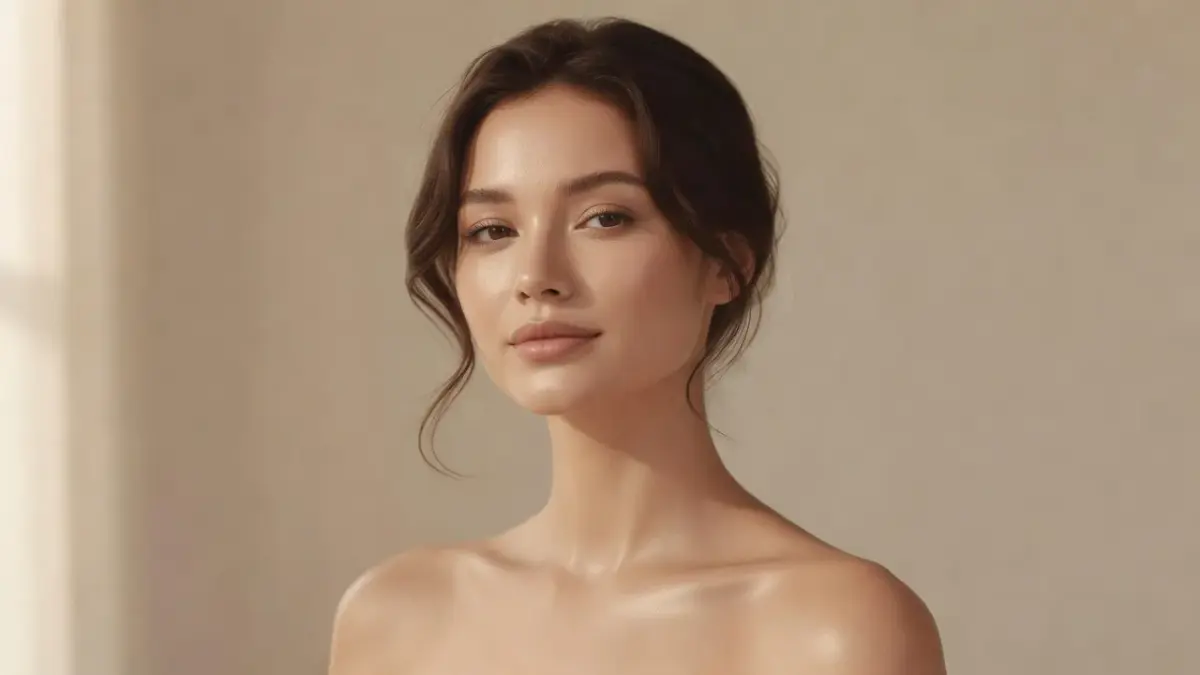
The best words to describe beauty fall into three distinct aesthetic categories: skin luminosity (like radiant and luminous), facial structure (like harmonious and statuesque), and general presence (like ethereal and striking). Using precise aesthetic adjectives allows you to communicate exact visual attributes rather than relying on generic compliments like "pretty" or "cute."
Most people make the mistake of using vague praise when trying to describe appearance. Calling someone "nice-looking" fails to pinpoint what actually makes their face attractive, whether it is balanced geometry, clear light reflection, or strong bone structure. Choosing targeted vocabulary changes how visual traits are perceived in portrait photography, character writing, and personal styling.
What Are the Best Words to Describe Skin and Glow?
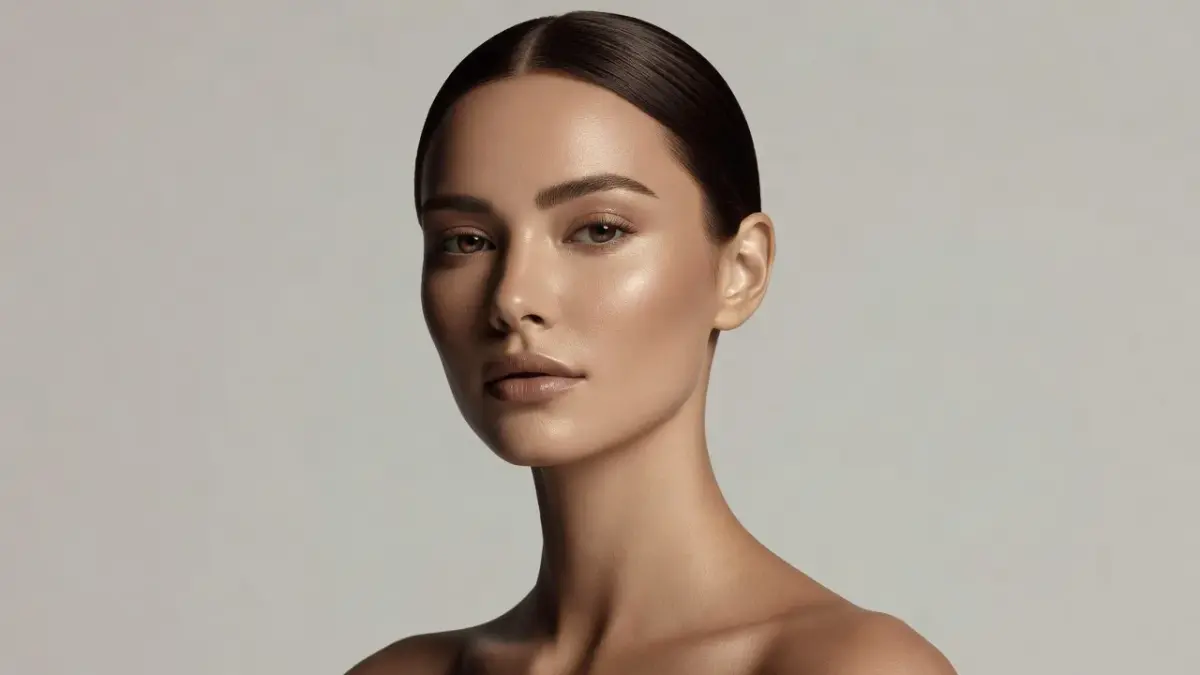
Descriptors for skin quality focus on light reflection, clarity, and tone warmth, with radiant and luminous leading as the most precise terms. When describing facial skin, terms that reference brightness carry stronger positive connotations than words that merely describe color.
| Trait Category | Primary Descriptor | Secondary Modifiers |
|---|---|---|
| Surface Reflection | Radiant | Luminous, Dewy, Incandescent |
| Bone Geometry | Harmonious | Statuesque, Chiseled, Sculpted |
| Overall Impression | Ethereal | Striking, Beguiling, Arresting |
1. Radiant
Radiant describes skin that appears to emit its own warm, natural light. It is ideal for describing individuals with healthy circulation and even skin tone.
- Why it made the list: It captures health and vibrancy in a single word without implying heavy makeup.
- Key trade-off: Overusing radiant in beauty writing can feel repetitive if every glowing complexion is given the exact same label.
2. Luminous
Luminous refers specifically to soft, clear light passing through or reflecting off translucent skin. According to definition entries in Merriam-Webster, the term originates from the Latin word for light (lumen), making it ideal for describing clear, glass-like complexions.
- Why it made the list: It communicates clarity and smooth texture better than words like "shiny."
- Key trade-off: If used incorrectly, it can sound overly technical or atmospheric rather than personal.
3. Incandescent
Incandescent describes an intense, brilliant glow. It works best when describing someone highlighted by direct lighting or captured during an exceptional moment.
- Why it made the list: It elevates standard skin descriptors into dramatic, memorable language.
- Key trade-off: It feels too dramatic for casual, everyday compliments.
Maintaining clear skin is the foundation of a luminous look. Following a dedicated glass skin routine can help clear texture so your natural skin matches these high-brightness descriptors.
What Words Best Describe Facial Structure and Geometry?
Facial structure is best described using geometric and architectural terms like harmonious, statuesque, and chiseled. These adjectives draw attention to bone strength, cheekbone height, and proportional balance across the facial features.
4. Harmonious
Harmonious describes a face where the proportion between the forehead, nose, and chin creates perfect visual balance. In aesthetic theory published by Encyclopaedia Britannica, visual harmony depends on balanced spatial relationships between individual components.
- Why it made the list: It highlights overall facial balance rather than focusing on a single isolated feature.
- Key trade-off: It describes balance, not dramatic intensity, so a harmonious face may not always stand out instantly in a crowd.
5. Statuesque
Statuesque describes sharp, dignified beauty characterized by defined jawlines, tall posture, and classic proportion.
- Why it made the list: It offers a strong, respectful compliment that emphasizes form and presence.
- Key trade-off: It can sound formal or cold if applied to someone with soft, youthful features.
6. Sculpted
Sculpted refers to features with deep contouring, prominent cheekbones, and clean jaw definition.
- Why it made the list: It directly describes strong facial angles created by underlying bone structure.
- Key trade-off: It implies sharp angles, which may not fit faces defined by softer roundness.
Understanding how your features fit these structural terms requires evaluating your facial dimensions. Many people study their face width height ratio or analyze the planes of the face to identify whether their features lean toward soft balance or sculpted definition.
How Can AI Analysis Help Describe Your Beauty?
Modern AI diagnostic tools translate vague aesthetic words into objective facial metrics. While descriptive vocabulary gives you the words to compliment appearance, digital tools analyze the underlying facial geometry that inspires those words.
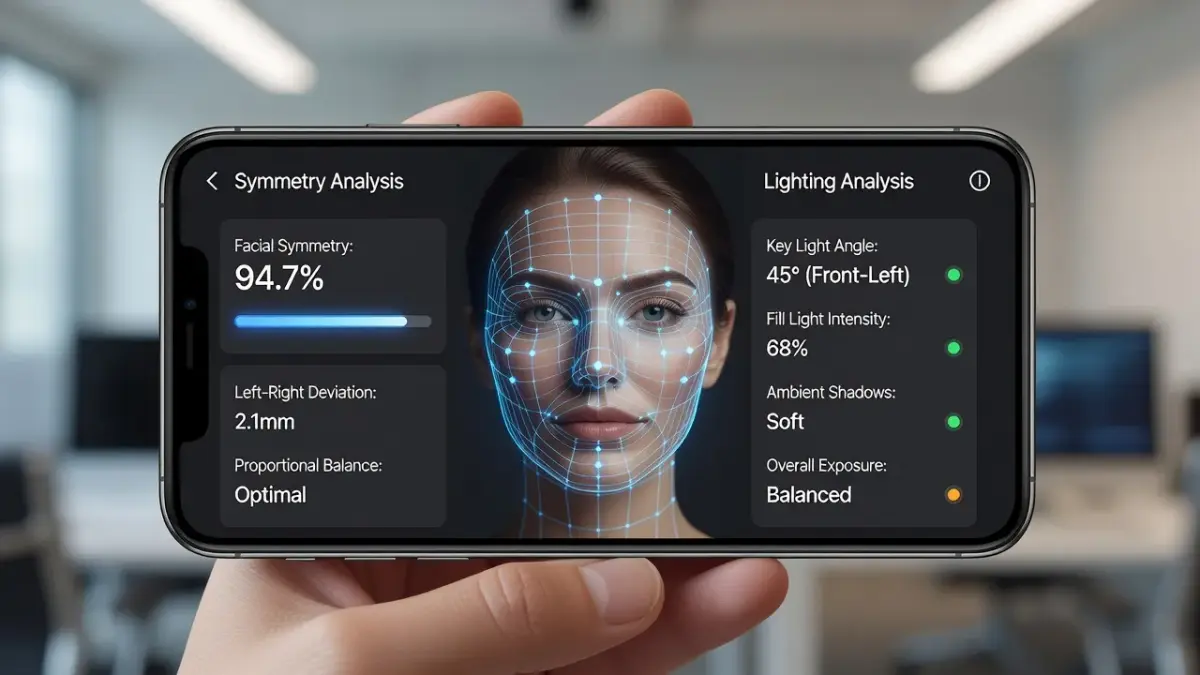
If you want to understand which adjectives fit your own face best, the Glow Up & Attractiveness Test provides an instant digital breakdown. The app allows you to snap a selfie for a personalized face rating score calculated by a fine-tuned AI model.
Instead of guessing whether your facial structure is harmonious or sculpted, the iOS app delivers detailed face analysis and tailored tips to beautify your look. Available for $9.99/week on the App Store, it helps users identify their strongest visual traits and track their glow-up progress over time.
Comparing Methods to Evaluate and Describe Beauty
Choosing how to analyze visual traits depends on whether you need subjective artistic language or precise structural metrics. The table below compares common methods for evaluating facial appearance as of October 2026.
| Evaluation Method | Primary Descriptor Focus | Target Audience | Key Advantage | Main Limitation |
|---|---|---|---|---|
| Traditional Vocabulary | Subjective, poetic terms (ethereal, beguiling) | Writers, poets, casual compliments | Rich emotional resonance | Lacks measurable precision |
| Glow Up & Attractiveness Test | Objective symmetry and feature scores | Women optimizing personal aesthetics | AI-powered face analysis and tailored tips | Requires a clear selfie photo |
| Dermatological Assessment | Surface texture and skin health terms | Skincare professionals, patients | Clinical accuracy for skin barrier | Ignores overall facial geometry |
| Photographic Lighting Analysis | Shadow depth, light contrast descriptors | Portrait photographers, models | Focuses on camera-angle optimization | Dependent on environmental light |
What Words Describe Dramatic or Magnetic Presence?
Presence and charisma are best described using high-impact adjectives like striking, captivating, and arresting. These terms move beyond physical anatomy to describe how a person commands attention when entering a room.
7. Striking
A striking appearance is defined by bold visual contrast, such as sharp eyes, dark brows against light skin, or intense facial symmetry. Peer-reviewed research on human face perception in the National Center for Biotechnology Information indicates that visual contrast around the eyes and lips significantly increases perceived facial attractiveness.
- Why it made the list: It explains immediate visual impact without requiring conventional symmetry.
- Key trade-off: A striking feature can sometimes feel overwhelming if it dominates the rest of the face.
8. Ethereal
Ethereal describes delicate, airy, almost otherworldly beauty. It fits individuals with soft features, fair illumination, or light eye colors.
- Why it made the list: It offers a unique descriptor for subtle, non-aggressive attractiveness.
- Key trade-off: It does not fit bold, high-contrast, or highly sculpted facial types.
9. Captivating
Captivating describes beauty that holds someone's attention through expression, eye contact, and charm.
- Why it made the list: It attributes attractiveness to dynamic movement and expression rather than static features.
- Key trade-off: It is difficult to assess from a single static photograph.
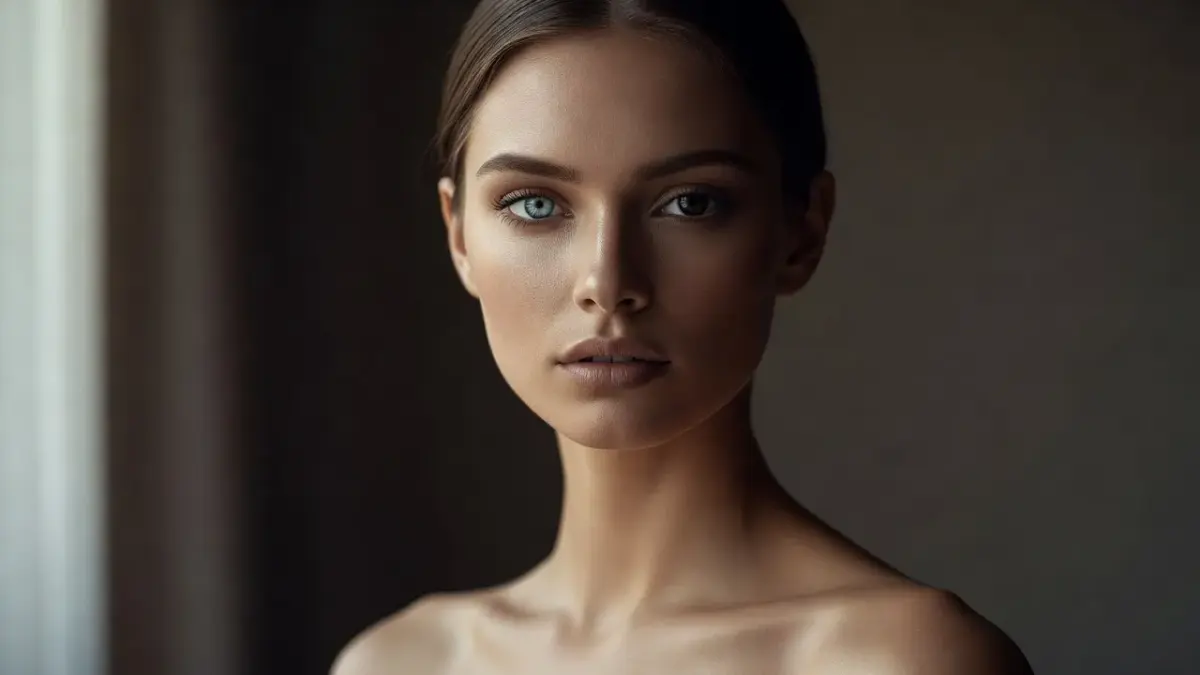
Evaluating how high contrast shapes attractiveness is common when studying celebrity portraits. You can explore how balance affects presence by reading about the face symmetry of celebrities to see how contrast and balance interact in public figures.
What Words Best Describe the Beauty of a Woman?
When describing feminine aesthetics specifically, descriptors often highlight soft structural harmony, elegance, or refined balance. Words like ravishing, statuesque, pulchritudinous, and ethereal offer precise ways to capture different feminine visual archetypes.
According to the Merriam-Webster Dictionary, ravishing originates from the Old French ravissand, meaning to bind or transport with emotion, making it an ideal term for overwhelming visual charm. Specific terms for female visual attributes include:
- Ravishing: Implies striking visual impact combined with physical elegance.
- Pulchritudinous: A formal adjective derived from the Latin pulchritudo (beauty), frequently used in literary settings to describe physical grace, as documented by Britannica.
- Statuesque: Highlights tall, dignified posture and defined cheekbone structure.
- Graceful: Describes fluid poise and balanced facial features without harsh angularity.
Using these targeted descriptors helps identify specific feminine visual traits rather than relying on broad generalities.
What Are the Most Common Mistakes When Describing Beauty?
The most common mistake when describing beauty is relying on generic, overused adjectives that convey no specific visual detail. Words like "pretty," "gorgeous," or "hot" carry emotional warmth, but they fail to explain what makes the subject look good.
Here are the key vocabulary traps to avoid:
- Mixing structural and surface terms: Calling skin "sculpted" or bone structure "dewy" confuses distinct physical traits.
- Ignoring context: Using formal words like statuesque in casual conversations can make compliments sound rigid.
- Overusing extreme words: Labeling every face beguiling or incandescent removes the value of those descriptors.
- Forgetting cultural variation: Descriptors carry different weight depending on regional preferences. Reviewing standards of beauty around the world shows how terms favored in one culture may differ elsewhere.
Using accurate terms alongside tools like the Glow Up & Attractiveness Test gives you both the analytical data and the precise vocabulary needed to evaluate and describe visual traits accurately.
What Is Another Word for Cute to Describe Appearance?
While "cute" describes youthful or endearing traits, it often lacks the precision needed for mature aesthetic evaluation. Depending on whether you are describing facial features, posture, or overall style, several elevated synonyms provide clearer visual detail:
- Cherubic: Refers to soft, rounded facial features, full cheeks, and youthful symmetry reminiscent of classical art motifs detailed on Wikipedia.
- Winsome: According to definition listings in Merriam-Webster, winsome comes from the Old English wynsum (agreeable or joyful), describing a sweet, engaging aesthetic that puts viewers at ease.
- Adorable: Captures charm paired with expressive facial warmth rather than strictly structural features.
- Delicate: Highlights fine bone structure, small features, and subtle visual contrast.
Replacing generic terms like "cute" with targeted vocabulary shifts the description from casual slang to a clear characterization of facial geometry and presence.
Frequently Asked Questions
What is the single most powerful word to describe beauty?
Striking is widely considered one of the most powerful words because it indicates immediate, high-contrast visual impact that commands attention.
What is the difference between radiant and luminous?
Radiant describes skin that appears to emit warm light from within, while luminous refers to clear surface translucency reflecting soft light.
How do I describe someone's facial bone structure accurately?
Use architectural or geometric adjectives like sculpted, chiseled, harmonious, or statuesque depending on jaw definition and cheekbone height.
What words describe soft or delicate facial features?
Words like ethereal, cherubic, soft-focused, and subtle accurately describe delicate, rounded, or non-aggressive facial features.
Can an AI app help me find the right words for my face?
Yes, apps like Glow Up & Attractiveness Test analyze your facial proportions, symmetry, and features using AI to highlight your specific visual strengths.
Why are generic words like pretty unhelpful in writing?
Generic words fail to create a specific image in the reader's mind, whereas targeted words like luminous or statuesque specify exact visual qualities.
What word describes beauty that commands attention instantly?
Words like arresting, beguiling, and captivating describe appearance that immediately draws and holds visual attention.
How has beauty vocabulary changed recently?
Modern descriptors lean heavily toward texture and light quality (such as glass skin or luminous) rather than focusing purely on makeup coverage.