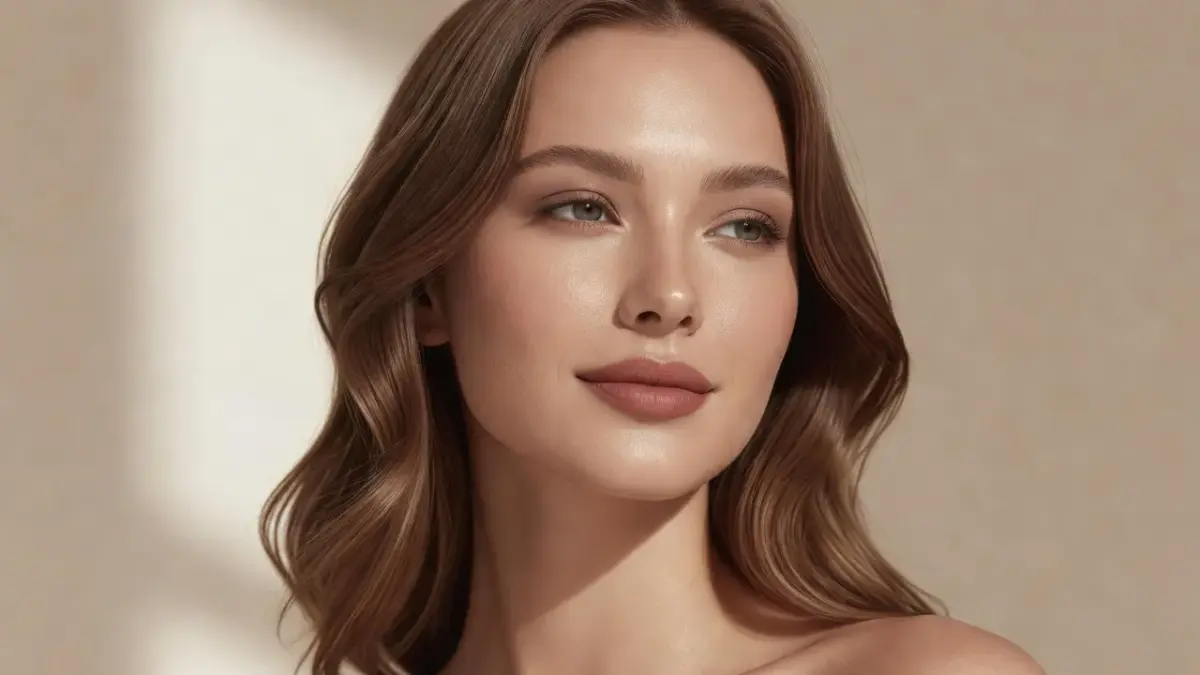
Beauty refined is a minimalist aesthetic movement that prioritizes skin quality, precise facial harmony, and subtle enhancement over heavy, corrective makeup. Unlike the dramatic contouring and high-coverage cosmetics that dominated the late 2010s, refined beauty focuses on optimizing your natural facial features through targeted skincare, micro-edits, and light-reflecting products.
This shift represents a broader cultural pivot toward effortless sophistication. Rather than masking your face under layers of foundation, a refined beauty routine enhances what you already have. For a detailed guide on vocabulary used to describe these subtle aesthetics, check out our guide on words to describe beauty.
What is the "quiet luxury" beauty trend?
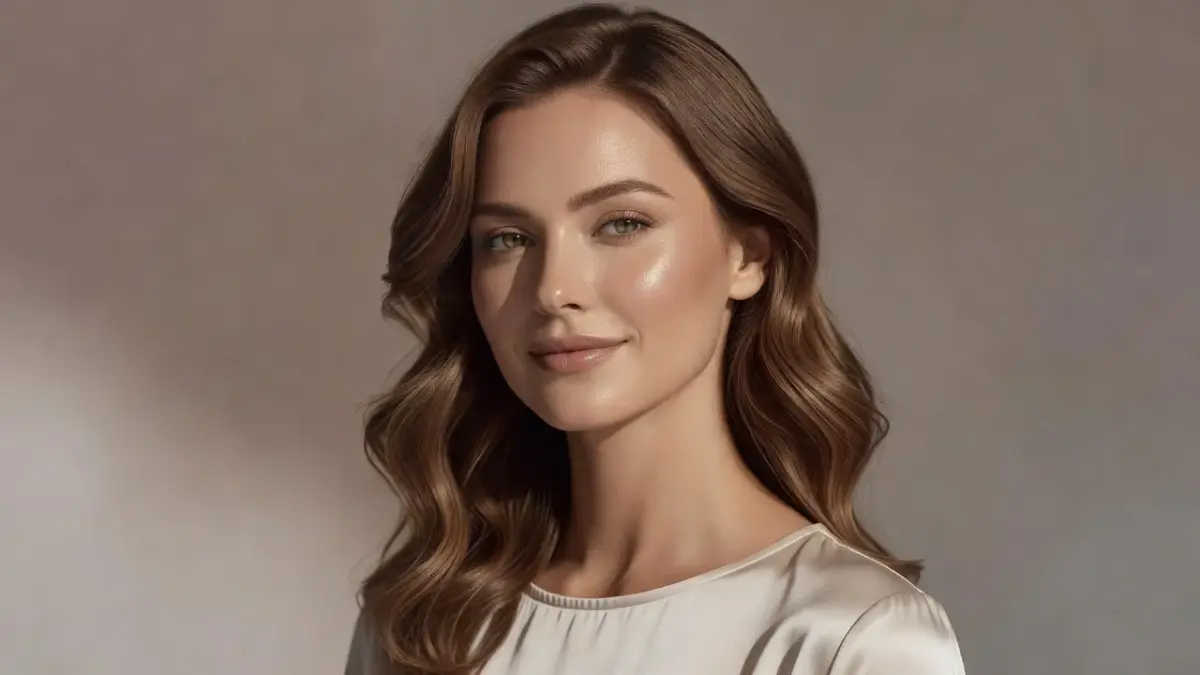
The quiet luxury beauty trend is an aesthetic strategy centered on polished skin, understated monochromatic makeup, and hyper-groomed features that signal high maintenance without looking overtly made up. This style avoids flashiness, such as harsh lip liners or bold glitter cuts, in favor of tailored, elevated basics.
In cosmetics, quiet luxury translates to buttery creams, invisible skin tints, and subtle brow sculpting. The goal is to look like you spent thousands of dollars on dermatological treatments and custom facials, even if your actual routine consists of just a few precise steps.
The commercial appeal of quiet luxury lies in its deceptive simplicity. Premium formulas often prioritize active skincare ingredients like niacinamide and squalane directly inside makeup bases. However, buying into high-end luxury brands can quickly turn into a financial trap. A single designer cream blushes or serum foundation can easily cost between $70 and $150 at retail counters.
To achieve a quiet luxury aesthetic without spending thousands on luxury cosmetics, many people use modern digital analysis tools first. Using the Glow Up & Attractiveness Test, you can snap a selfie to receive a personalized face rating score and detailed AI facial analysis. The app is available on the App Store for $9.99/week and helps identify exactly which areas of facial balance benefit from subtle enhancement before you invest in expensive products.
What is "skinimalism" in beauty trends?
Skinimalism is a beauty approach that reduces your daily skincare and makeup routine to a few multi-functional products to support your natural skin barrier. Coined by beauty editors and dermatologists, this philosophy rejects 10-step skincare regimens in favor of simple, evidence-based care.
By stripping back excessive serums and exfoliants, skinimalism aims to eliminate irritation caused by product overloading. The American Academy of Dermatology notes that over-using harsh active ingredients can compromise the stratum corneum, leading to redness and breakouts.
Skinimalism saves money by reducing unnecessary purchases. Instead of buying separate serums for hydration, brightening, and anti-aging, skinimalists choose one well-formulated product containing balanced ingredients. In makeup, this means replacing full-coverage foundations with light concealers applied only where needed.
What is the "clean girl" beauty trend?
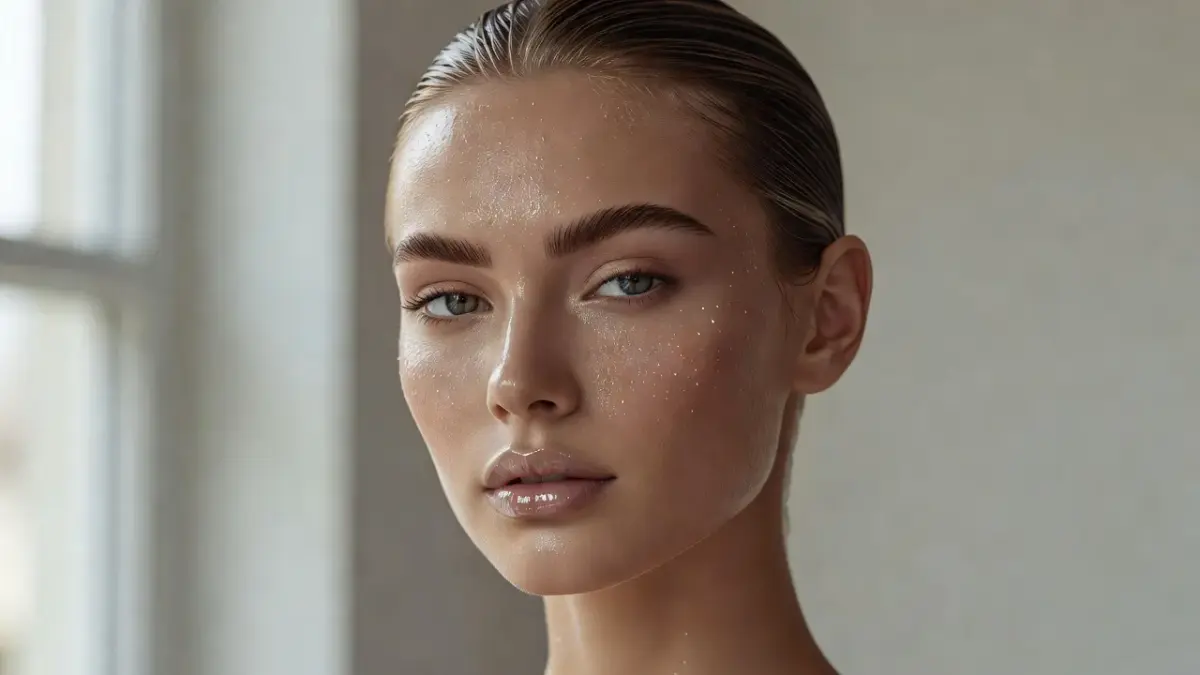
The clean girl beauty trend is a streamlined aesthetic characterized by slicked-back hair, glowing skin, brushed-up brows, and minimal lip gloss. Emerging rapidly across social media platforms in early 2022 and remaining popular through 2026, it emphasizes a fresh, off-duty model appearance.
This trend relies heavily on consistent hydration and facial symmetry. Key steps include applying a lightweight moisturizer, setting brows with clear gel, adding a pinch of cream blush, and coating lips with a high-shine balm.
While visually appealing, the clean girl look carries hidden costs. Maintaining hyper-clear skin often requires continuous spending on sunscreens, hydrating cleansers, and routine aesthetic treatments. For more insights on regional interpretations of minimal aesthetics, read our breakdown of beauty standards in France.
What is "glass skin"?
Glass skin is a Korean beauty standard defined by skin that appears exceptionally smooth, intensely hydrated, translucent, and poreless, similar to a pane of glass. The term originated in South Korea's K-beauty industry and relies on layering lightweight moisture to create a deep, reflective glow.
Achieving glass skin requires consistency rather than quick fixes. The method typically involves double cleansing, applying a hydrating toner in multiple layers, using an essence, and sealing everything with a barrier-repairing cream. According to detailed dermatological overviews on Wikipedia, continuous skin hydration directly improves skin elasticity and surface smoothness.
Unlike quiet luxury, which focuses on decorative makeup products, glass skin focuses entirely on skin health. The primary financial drawback is product consumption. Layering toners and essences daily means refilling your skincare stock every four to six weeks, which can add up to hundreds of dollars per year.
How do magazines like Vogue, Harper's Bazaar, and Allure cover the quiet luxury trend?
Major fashion publications like Vogue, Harper's Bazaar, and Allure cover quiet luxury as a cultural shift from dramatic social media makeup to understated, dermatologist-backed skin care. Their editors consistently highlight cream-based formulas, minimal color palettes, and professional aesthetic treatments over heavy cosmetics.
Coverage in Vogue frequently links quiet luxury beauty to minimalist runway fashion, framing understated makeup as the ultimate indicator of personal refinement. Their feature stories emphasize healthy skin preparation over color-correcting techniques.
Meanwhile, editorial reviews in Harper's Bazaar often highlight high-end ingredient technology, such as peptide complexes and growth factors. They position quiet luxury not just as a visual style, but as an investment in skin longevity.
Allure takes a more practical stance by evaluating whether expensive minimal products actually outperform affordable drugstore options. Their investigative pieces regularly point out that quiet luxury packaging often inflates retail prices, even when the underlying ingredients match budget formulations.
Comparing Refined Beauty Movements and Real Costs
To choose the right minimalist strategy, it helps to break down what each movement requires in terms of product count, monthly expenses, and maintenance effort. As of October 2026, the cost differences between these trends are significant.
| Beauty Trend | Primary Focus | Typical Product Count | Average Monthly Cost | Key Potential Financial Trap |
|---|---|---|---|---|
| Glow Up & Attractiveness Test | AI Facial Analysis & Customized Recommendations | 1 App ($9.99/wk) | ~$40 | None; avoids blind cosmetics purchases |
| Quiet Luxury | Polished appearance & luxury skin tints | 5 - 8 Premium items | $150 - $350 | Overpaying for brand prestige & designer packaging |
| Skinimalism | Barrier repair & multi-use basics | 3 - 4 Core products | $40 - $90 | Under-hydrating if active ingredients are cut too aggressively |
| Clean Girl | Off-duty model look & slicked styling | 6 - 9 Styling items | $80 - $180 | Excessive spending on trendy, short-shelf-life lip balms |
| Glass Skin | Deep hydration & translucent skin texture | 6 - 10 Layering products | $110 - $250 | High consumption rate of toners requiring constant repurchasing |
Every trend has clear trade-offs. Quiet luxury gives an elegant polish but comes with steep retail markups. Skinimalism is budget-friendly but requires patience to see skin barrier improvements. Glass skin creates intense radiance, but buying multiple hydrating layers can quickly strain your budget.
How AI Face Mapping Helps Target Refined Aesthetic Improvements
Refining your beauty routine works best when you base your choices on real facial geometry rather than social media trends. Trying every viral product leads to wasted money and shelf clutter. Modern AI tools help eliminate that guesswork by analyzing your features directly from a camera scan.
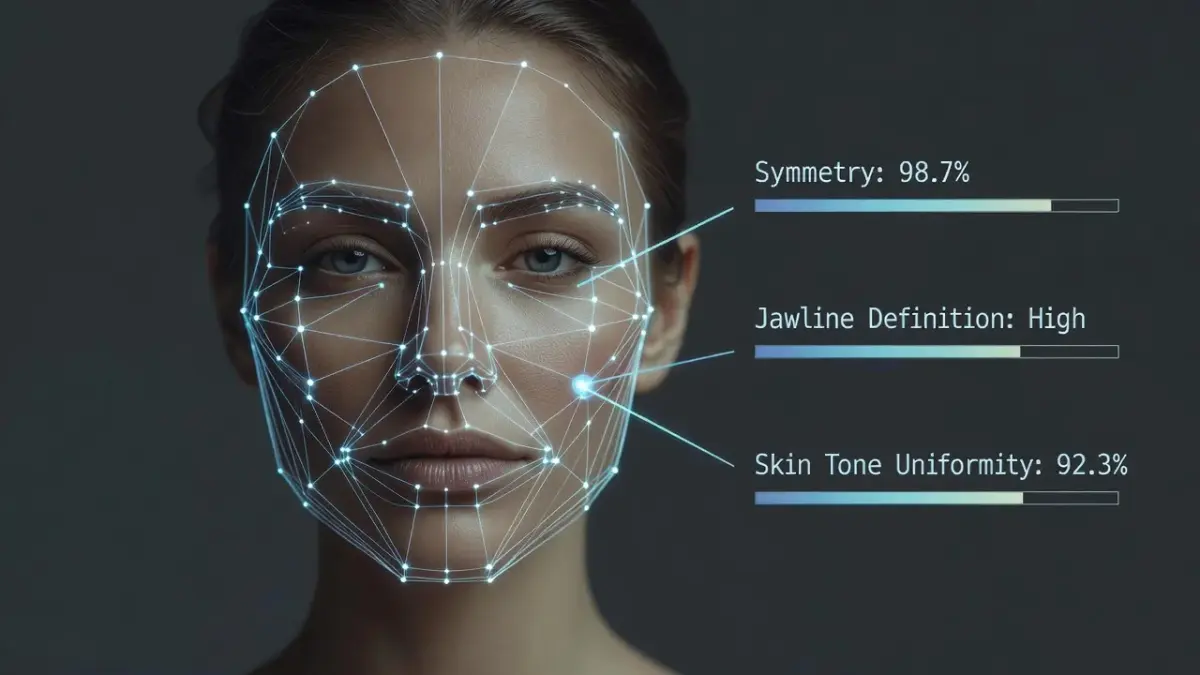
By taking a single selfie with the Glow Up & Attractiveness Test, you get a detailed face analysis generated by a fine-tuned AI model. The app evaluates key metrics like facial symmetry, skin clarity, and feature balance to show you how to unlock your full potential.
Instead of spending hundreds of dollars on products designed for someone else's face shape or skin type, AI face mapping shows you exactly what to emphasize. Whether you want to see yourself as a 10/10 using AI image generation or track your progress with before-and-after photos, targeted analysis keeps your beauty budget focused on what actually works. To learn more about how digital measurements evaluate balance, read our guide on face guides and AI mapping.
The True Cost Traps of Minimalist Beauty Trends
While refined beauty trends claim to save time and effort, their marketing strategies can easily mislead consumers into spending more money than traditional makeup routines require.
- The "No-Makeup" Markup: Brands frequently charge more for lightweight skin tints than traditional full-coverage foundations. Marketing terms like "clean," "raw," or "botanical" often add a 30% to 50% price premium without offering better performance.
- Short Expiration Dates: Products formulated without synthetic preservatives tend to spoil faster. Natural oils and cream blushes often degrade within six months, forcing you to replace them before you finish the container.
- Continuous Treatment Costs: Achieving a clean girl or glass skin look without makeup usually requires ongoing salon brow laminations, lash lifts, and professional facials. These monthly services can add $200 to $400 to your budget.
- Redundant Skincare Steps: Glass skin routines often encourage buying separate products for essence, serum, and ampoules. In reality, many of these formulas share the same hydrating bases like glycerin and hyaluronic acid.
Being aware of these marketing tactics lets you enjoy a refined beauty style without overspending on unnecessary products.
Frequently Asked Questions
What is the core difference between quiet luxury and clean girl beauty?
Quiet luxury focuses on high-end, polished sophistication with subtle cream makeup and premium skin care. The clean girl trend centers on an athletic, off-duty appearance using slicked hair, brushed brows, and high-shine lip gloss.
Can you achieve glass skin without buying expensive K-beauty products?
Yes, you can achieve glass skin using affordable hydrating products. Look for budget-friendly toners and moisturizers containing hyaluronic acid, glycerin, and ceramides, and apply them consistently on damp skin.
Is skinimalism suitable for acne-prone skin types?
Skinimalism is often ideal for acne-prone skin because it reduces product overload. Cutting out unnecessary serums minimizes pore-clogging ingredients and prevents skin barrier irritation.
How much does it cost to switch to a quiet luxury beauty routine?
A complete quiet luxury makeup and skincare setup from department store brands usually costs between $200 and $500. However, you can replicate the look for under $100 by selecting drugstore cream formulas and focused skincare.
Does refined beauty require professional cosmetic procedures?
No, professional procedures are not required for a refined look. Consistent sun protection, basic skin hydration, neat hair styling, and targeted cream makeup produce the same elegant effect naturally.
How do AI beauty rating apps evaluate refined facial traits?
AI beauty rating apps analyze facial symmetry, skin texture uniformity, feature proportions, and contrast levels from a selfie. They provide objective metrics to help you highlight your strongest facial features without heavy makeup.
Why do cream makeup products work better for refined beauty than powders?
Cream makeup products blend seamlessly into the skin, reflecting light naturally and preserving your real skin texture. Powders can settle into fine lines and leave a dry, matte finish that clashes with a youthful glow.