
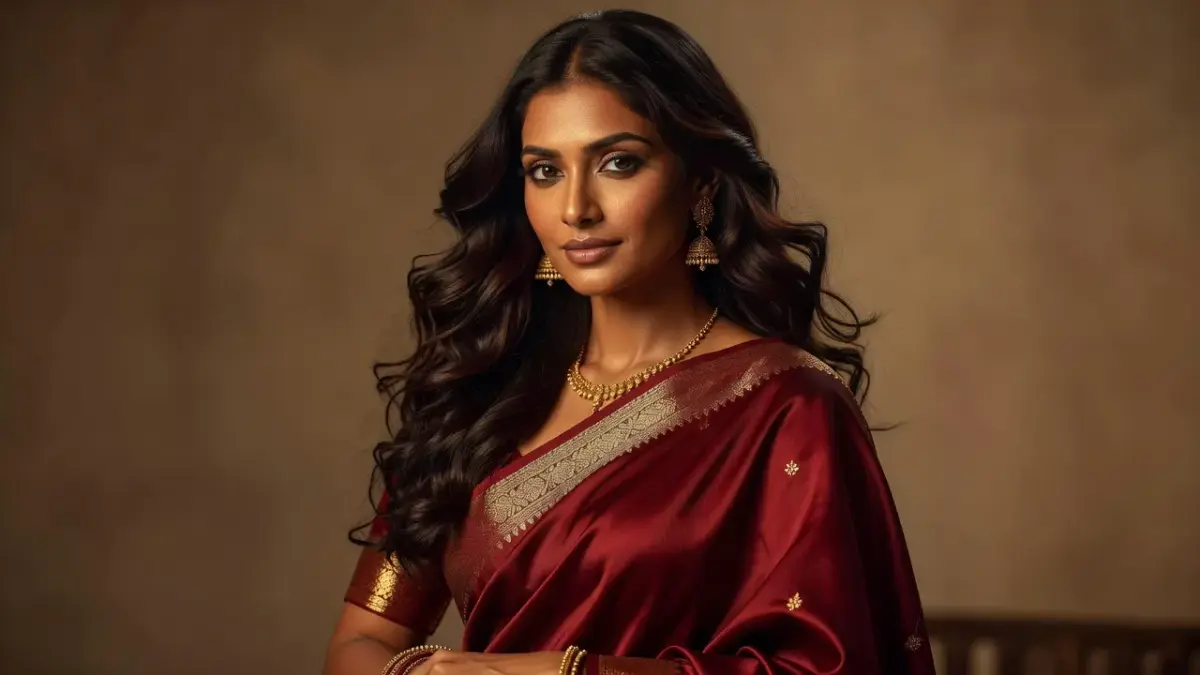
Indian standards of beauty prioritize a light, luminous complexion, sharp facial geometry - specifically almond-shaped eyes and a narrow nose bridge - thick dark hair, and symmetrical facial proportions. While traditional aesthetics were grounded in classical art and Ayurveda, modern expectations are heavily driven by Bollywood cinema, digital media, and Western cosmetic influences. Understanding these standards requires looking past single stereotypes to see how regional diversity, historical caste structures, and modern aesthetics intersect across the subcontinent.
The biggest mistake people make when analyzing Indian beauty ideals is treating the country as a single aesthetic monolith. India contains over 1.4 billion people across 28 states, each with distinct genetic traits, skin tones, and regional preferences. Expecting one standard formula to apply nationwide leads to misguided beauty routines and expensive cosmetic errors.
What features or qualities are considered beautiful in India?
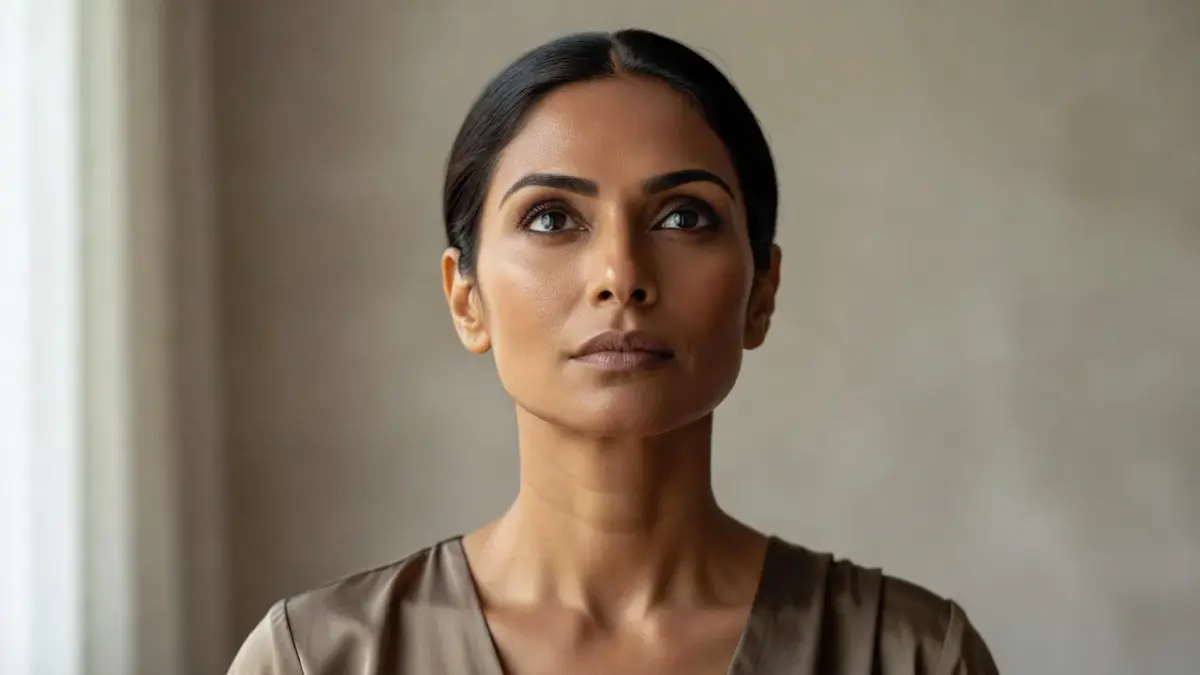
The primary facial features considered beautiful in India include large almond-shaped eyes (often termed badam naain), a high nose bridge, full lips, an oval jawline, and thick, lustrous dark hair. High cheekbones and strong facial symmetry are universally admired across both traditional literature and contemporary fashion media.
Historically, classical Indian sculpture and poetry emphasized voluptuous, feminine curves paired with soft facial contours. Ancient texts like the Shilpa Shastras outlined exact mathematical ratios for drawing ideal faces, focusing on eye width and nasal length. Today, those classical proportions have merged with global fashion preferences.
Here are the specific physical traits that carry the highest aesthetic value in Indian society today:
- Almond-Shaped Eyes: Deep-set, expressive eyes framed by dense, dark eyelashes and dark eyebrows are considered the most desirable facial feature.
- Thick, Long Hair: Dense, dark hair (traditionally oiled with coconut or amla oil) is widely viewed as a marker of health, fertility, and youth.
- Sharp Nasal Structure: A narrow, straight nose bridge with a defined tip remains one of the most requested features in both makeup contours and plastic surgery consultations.
- Oval Face Proportions: An oval shape with balanced upper, middle, and lower thirds is preferred over extremely angular or square jawlines.
- Clear, Luminous Skin: Unblemished, hydrated skin with an even tone is prized even above absolute paleness in modern urban centers.
Understanding how your own face aligns with distinct cultural ratios can prevent wasted spend on makeup or procedures that do not suit your bone structure. Many women analyze their facial harmony using tools like the Glow Up & Attractiveness Test app, which maps features like eye symmetry and jawline proportions using AI rather than outdated racial stereotypes. Comparing individual traits against regional ideals provides clarity before making aesthetic changes.
These feature preferences do not exist in a vacuum; they interact closely with broader regional benchmarks across the Asian continent, as detailed in our guide to Asia beauty standards.
What are India's skin tone preferences and colorism/skin lightening trends?
India's dominant skin tone preference strongly favors fair to light-wheatish complexions, a bias rooted in historical class structures, European colonialism, and media reinforcement. This preference has created a multi-billion dollar skin-lightening industry that spans over-the-counter creams, dermatological laser treatments, and intravenous glutathione therapies.
The psychological and economic costs of colorism in India are substantial. For decades, matrimonial advertisements explicitly requested "fair brides," associating lighter skin with high status, wealth, and marriageability. What many consumers get wrong today is assuming that modern "brightening" products are harmless cosmetic creams. In reality, purchasing unvetted fairness creams off the market often exposes users to toxic mercury, high-potency topical steroids, and hydroquinone.
As documented by the World Health Organization, improper use of steroid-laced skin creams can cause permanent skin thinning, irreversible hyperpigmentation (ochronosis), and systemic health risks. Despite regulatory tightening, demand remains massive across all income brackets.
| Treatment Category | Primary Active Ingredient / Tech | Expected Outcome | Typical Safety / Financial Risk |
|---|---|---|---|
| Topical Creams (OTC) | Hydroquinone, Steroids, Niacinamide | Temporary lightening of top layer | High risk of skin thinning/steroid addiction if bought unprescribed |
| IV Glutathione Drips | High-dose Antioxidants (Glutathione + Vitamin C) | Systemic reduction in melanin prod. | Unregulated doses can damage kidneys and liver; high cost |
| Laser Skin Toning | Q-Switched Nd:YAG Lasers | Target hyperpigmentation & spots | Moderate cost; potential burns if performed by untrained technicians |
| Chemical Peels | Glycolic, Lactic, Salicylic Acids | Exfoliates damaged outer layers | Low to moderate risk; requires strict post-peel sun protection |
In recent years, public pushback from movements like "Dark Is Beautiful" and rebranding efforts by major cosmetic companies (such as renaming legacy brands to drop the word "Fair") have shifted the public narrative. However, as of November 2026, the underlying preference for fair skin remains deeply entrenched in consumer purchasing habits, even as the vocabulary shifts toward terms like "glow," "radiance," and "spotless skin."
What are the cosmetic surgery trends in India (rhinoplasty, liposuction, hair transplant)?
The most popular cosmetic surgery procedures in India are hair transplantation, rhinoplasty, liposuction, and gynecomastia surgery for men. India has emerged as a global hub for medical tourism due to its high density of board-certified plastic surgeons offering procedures at a fraction of Western prices.
According to global clinical data published by the International Society of Aesthetic Plastic Surgery (ISAPS), India consistently ranks among the top ten countries worldwide for total cosmetic procedure volume. The rise of video calls, high-definition smartphone cameras, and social media image editing has driven a surge in surgical requests among urban professionals under 35.
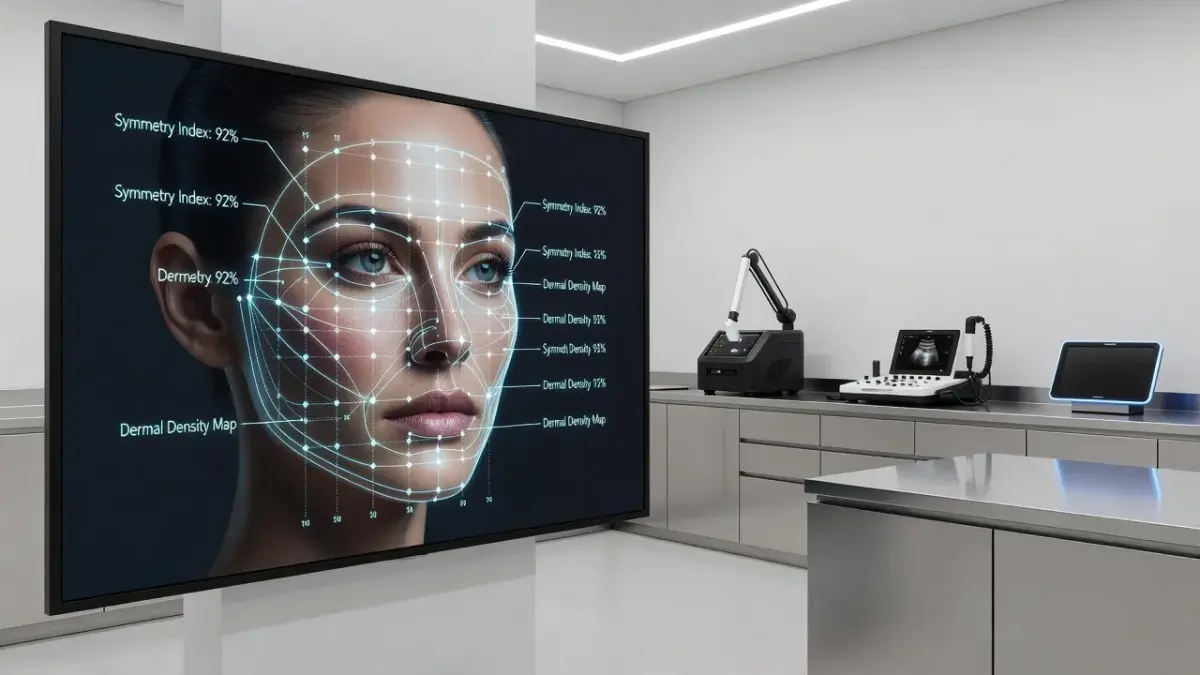
Surgical Trends Breakdown for 2026
- Rhinoplasty (Nose Reshaping): Indian patients frequently request nasal tip refining and bridge augmentation or reduction to achieve better harmony with their mouth and eye spacing.
- Hair Transplantation (FUE & FUT): Driven by high rates of male pattern baldness and aggressive grooming standards, India performs hundreds of thousands of hair restoration procedures annually.
- Liposuction & Body Sculpting: Abdominal etching, flank reduction, and 360-degree liposuction are sought by patients aiming for an athletic physique that matches modern fitness trends.
- Blepharoplasty (Eyelid Surgery): Upper and lower eyelid surgeries are popular among mature demographics seeking to remove sagging skin while keeping their natural eye shape intact.
The major trap consumers fall into with Indian cosmetic surgery is price-chasing. Unaccredited "strip-mall" clinics operating without board-certified plastic surgeons offer bottom-dollar hair transplants and liposuction. The result is often severe scarring, scalp necrosis, or botched facial symmetry that costs triple the original price to correct.
Before committing to surgical intervention, evaluating your facial structure using objective metrics is essential. The Glow Up & Attractiveness Test provides a comprehensive AI-driven breakdown of your facial proportions for $9.99/week. By uploading a clear selfie, you receive precise feedback on feature balance and personalized beauty tips, helping you pinpoint whether a change requires clinical surgery or simple softmaxxing adjustments like makeup technique and hair styling.
How do Bollywood and social media influence beauty standards in India?
Bollywood serves as the primary engine for setting beauty trends in India, establishing hyper-specific standards for body type, facial features, and skin clarity that social media algorithms amplify. Cinema actors are elevated to cultural icons, with their physical transformations directly dictating mainstream consumer demand.
For decades, female lead roles were almost exclusively cast with fair-skinned, light-eyed actresses - often former beauty pageant winners. This trend established an aesthetic template that millions of women attempted to replicate through makeup, hair dyes, and skincare. The historic bias in casting mirrored broader global movements, similar to how Eurocentric beauty standards established global dominance through cinema and print advertising.
How do Bollywood and social media influence beauty standards in India?
| Influence Vector | Historical Ideal (1990s-2000s) | Contemporary Ideal (2026) | Impact on General Public |
|---|---|---|---|
| Bollywood Film Casting | Fair skin, curvy body, heavy makeup, voluminous long black hair | Glass skin, toned athletic build, subtle aesthetic tweakments | Widespread demand for celebrity cosmetic procedures & routines |
| Glow Up & Attractiveness Test | Standardized beauty scores based purely on celebrity comparisons | Personalized AI facial analysis, tailored tips, glow up guides | Accessible, objective feedback for individual aesthetic goals |
| Instagram & TikTok Trends | Airbrushed studio photos in fashion magazines | AR filters, "no-makeup" makeup, instant cheekbone and jaw editing | High prevalence of facial dysmorphia and filter-induced aesthetic goals |
| Paparazzi & Influencer Culture | Unreachable red-carpet glamour | "Off-duty" athleisure, glazed skin, visible skincare routines | Normalization of daily clinical dermatological maintenance |
Social media platforms like Instagram and YouTube have democratized beauty content, but they have also accelerated aesthetic pressure. The shift from heavy studio makeup to the modern "clean girl" or "glazed donut" look has not lessened beauty pressure - it has simply transferred consumer spending from color cosmetics to clinical dermatology, medical facial treatments, and specialized skin barrier products.
To determine which digital trends actually suit your facial structure, comparing yourself to automated algorithms can be insightful. Checking your score through top AI face rating tools allows you to filter out viral social media noise and focus on objective facial proportions.
What are men's beauty and grooming trends in India?
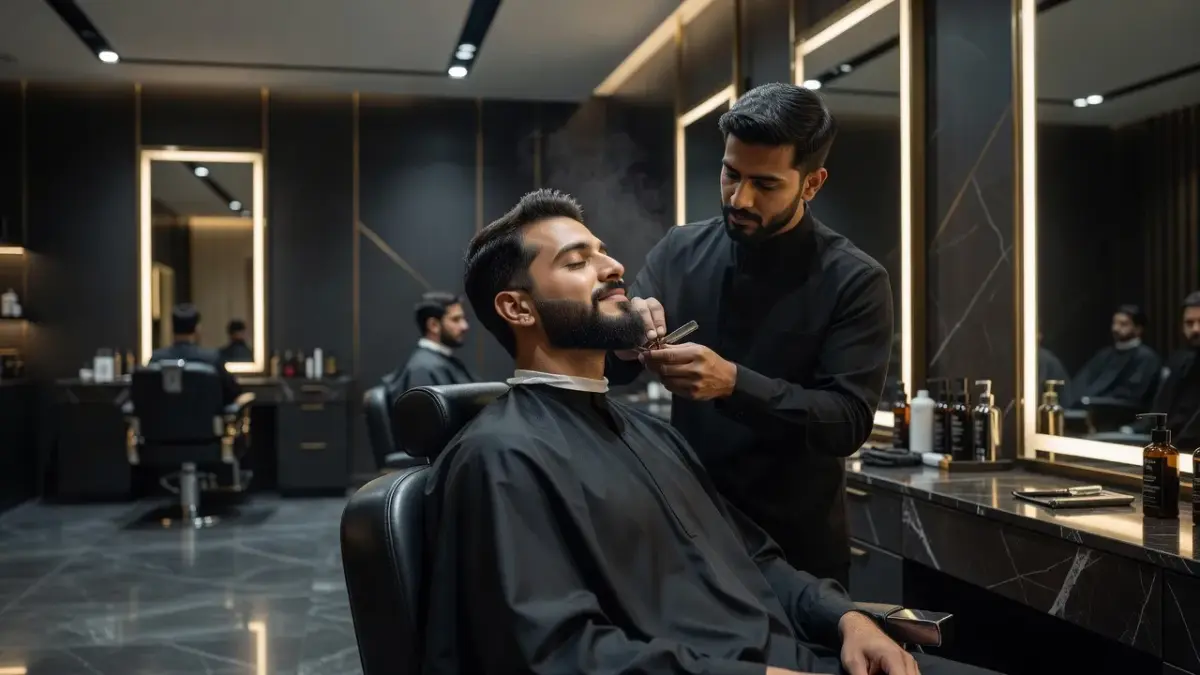
Men's beauty trends in India have shifted from simple shaving routines to comprehensive grooming regimens that include specialized beard styling, skincare, hair restoration, and subtle cosmetic procedures. The modern Indian male aesthetic emphasizes a sharp jawline, dense facial hair, clear skin, and a well-groomed, fit appearance.
As of 2026, the male grooming market in India is expanding faster than the female cosmetic sector in urban areas. This boom is driven by a changing corporate culture, dating app dynamics, and the influence of male celebrities showcasing meticulous grooming habits.
Primary Focus Areas for Men's Grooming in India
- Beard Architecture: A full, precisely trimmed beard is heavily favored over a clean-shaven look. Beards are frequently used to visually reshape weak chins and enhance jawline sharpness.
- Skincare Regimens: Sunscreen, anti-acne serums, and brightening moisturizers formulated specifically for thicker male skin are now mainstream drugstore staples.
- Hair Density: Hair loss carries a severe social stigma in India. As a result, hair oils, prescription Finasteride/Minoxidil treatments, and early-stage hair transplants are widely normalized.
- Fitness and Physique: The desirable male body type has migrated away from lean frames toward broad shoulders, a narrow waist, and low body fat levels to show muscular definition.
Men who ignore their individual bone structure often try to force beard styles or haircuts that do not flatter their face shape. Understanding facial geometry allows men to style their facial hair specifically to balance their nose length, jaw width, and cheekbone height.
Regional Diversity in Indian Beauty Standards
Understanding beauty ideals across India requires examining how different geographic regions prioritize distinct traits based on climate, ethnic roots, and regional media industries.
North vs. South vs. East and West
- North India: Strongly emphasizes fair, light-wheatish complexions, sharp nasal bridges, tall stature, and heavy Bollywood-influenced styling.
- South India: Highly values long, thick, dark hair (often decorated with fresh jasmine flowers for traditional occasions), expressive eyes, and natural skin texture. The South Indian film industries (Tollywood, Kollywood) have increasingly championed richer skin complexions compared to North Indian cinema.
- Northeast India: Facial traits reflect East Asian ancestry, with monolid or epicanthic eye folds, lower nasal bridges, and smooth, clear skin tone. Beauty standards here lean heavily toward Korean skincare trends, minimalist makeup, and modern streetwear aesthetics.
- West India (Mahabharata/Goa region): Incorporates beach-oriented, bronze-skinned ideals alongside global high-fashion influences driven by Mumbai's entertainment and modeling hubs.
Navigating these distinct cultural variations can be confusing. To understand how your unique traits rate on a global scale, reviewing automated metric systems helps decouple regional biases from universal visual balance.
What People Get Wrong About Indian Beauty Standards (and the True Costs)
Navigating Indian beauty standards without clear information often leads to wasted money, physical harm, and psychological distress. Here are the three most severe mistakes consumers make:
1. Falling for Mercury and Steroid-Laced Creams
The desire for fast skin lightening drives consumers to unbranded creams sold online or in informal markets. These formulas often contain clobetasol propionate (a ultra-potent corticosteroid) or inorganic mercury. The initial result is quick bleaching, but long-term use leads to permanent skin atrophy, exposed blood vessels, severe facial acne, and kidney toxicity.
2. Choosing Surgical Cut-Rate Bargains
India's thriving cosmetic surgery market includes uncertified practitioners operating outside hospital safety standards. Bargain-hunting for a $400 hair transplant or a discount nose job frequently yields tragic results: destroyed donor hair areas, facial asymmetry, and life-threatening infections.
3. Copying Celebrity Trends Without Checking Bone Structure
Blindly requesting a celebrity's nose or jawline shape rarely produces a harmonious result. Facial harmony relies on proportional relationships - such as the ratio between your eyes, nose length, and chin projection. Attempting to fit a template designed for a different bone structure leads to an unnatural, plastic appearance.
By taking an objective look at your face before making drastic choices, you safeguard both your health and your wallet. Utilizing a structured tool like Glow Up & Attractiveness Test provides personalized face ratings, fine-tuned AI breakdown of your facial geometry, and tailored grooming advice without the bias of regional stereotypes or sales pitches.
Frequently Asked Questions
What features define the traditional Indian beauty standard?
Traditional Indian beauty standards emphasize large almond-shaped eyes, thick dark hair, clear skin, a sharp nose bridge, and symmetrical facial proportions.
Is skin lightening still popular in India?
Yes, skin lightening remains a multi-billion dollar market in India, though modern marketing has shifted its vocabulary toward terms like "brightening," "glow," and "radiance."
What is the average cost of cosmetic surgery in India?
Cosmetic procedure costs in India vary widely by clinic. As of 2026, a high-quality hair transplant generally ranges from $1,200 to $3,500, while a professional rhinoplasty costs between $1,500 and $4,000 depending on complexity.
How does Bollywood shape Indian beauty ideals?
Bollywood heavily dictates popular hairstyles, body shapes, makeup aesthetics, and grooming standards across India by casting actors who reflect specific physical preferences.
Why is dark long hair so important in Indian culture?
Dense, long hair has historically been associated with good health, biological vitality, and youth in Indian culture, supported by centuries of Ayurvedic hair oiling practices.
Are men in India adopting skincare and cosmetic procedures?
Yes, men's grooming is growing rapidly in India, with strong demand for beard maintenance products, anti-acne skincare, hair transplants, and sharp jawline contouring.
How do South Indian beauty standards differ from North Indian standards?
South Indian beauty standards place greater cultural emphasis on dense dark hair, expressive eye shape, and natural skin texture, whereas North Indian standards historically placed stronger emphasis on light skin tones and sharp facial angles.