

Vietnamese beauty standards prioritize pale skin, a slim V-line jawline, double eyelids, a petite frame, and a high nose bridge, blending historical agrarian culture with modern global influences. These preferences shape daily skincare routines, sun-protection habits, and cosmetic surgery trends across cities like Ho Chi Minh City and Hanoi. If you want to evaluate your own facial proportions against diverse international aesthetics, our iPhone app Glow Up & Attractiveness Test offers AI-powered face analysis and custom beauty guidance.
Why is fair skin preferred in Vietnam, and is skin whitening still popular?
Fair skin is preferred in Vietnam primarily because pale complexions historically signaled a high socio-economic status associated with indoor living, while darker skin was tied to outdoor manual labor. Today, skin whitening remains a prominent pillar of the local cosmetics market, though consumer preferences are shifting toward brightening and evening out skin tone rather than aggressive bleaching.
For centuries, agricultural work in rice paddies exposed laborers to intense sun, making untanned skin a sign of wealth and refinement. This cultural preference persisted into modern times and was further reinforced by global cosmetic marketing. According to research on dark-skin stigma detailed on Wikipedia, skin tone preferences across Southeast Asia stem from deeply rooted class distinctions rather than modern Western media influence alone.
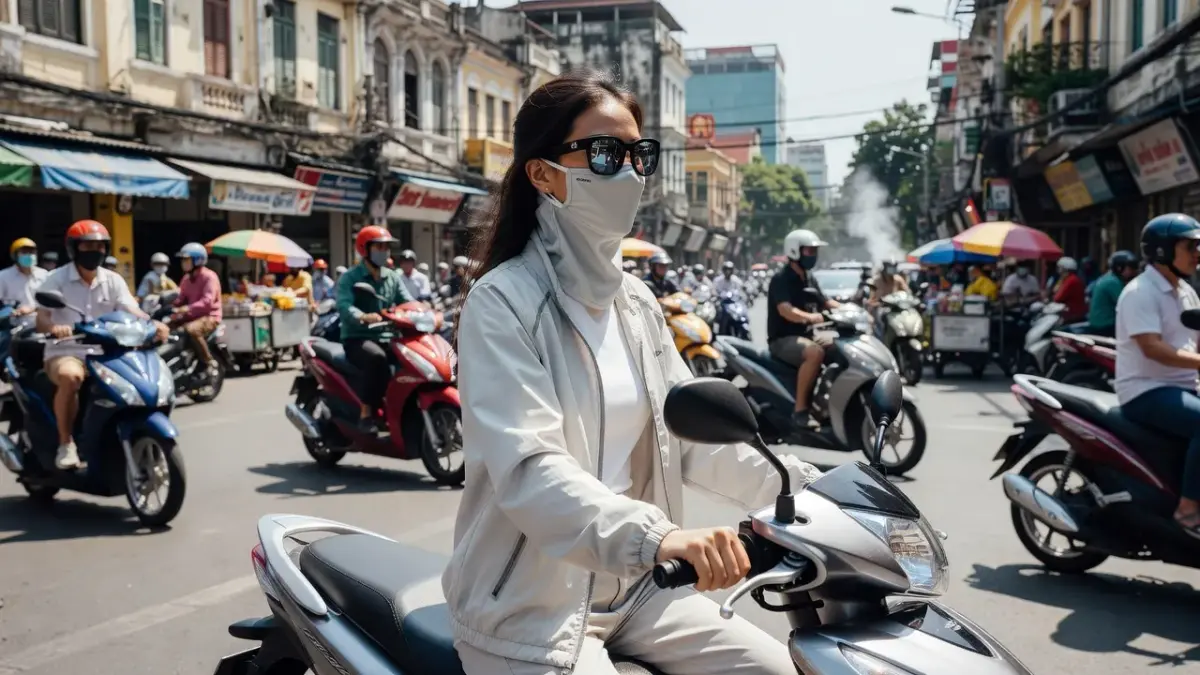
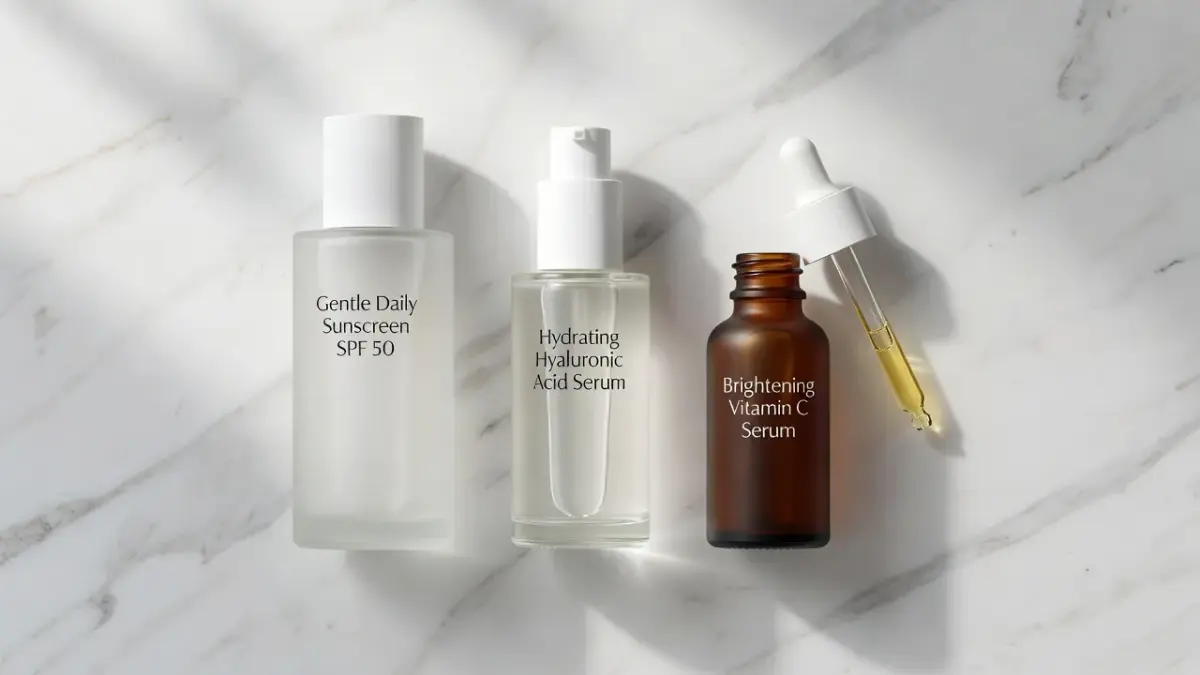
Sun protection in Vietnam is taken to extreme lengths as a daily routine. Commuters routinely wear full-coverage sun-protective jackets (áo chống nắng), wide-brimmed helmets, facial masks, and long gloves while riding motorbikes during peak sunlight hours. As of November 2026, topical serums containing niacinamide, vitamin C, and alpha arbutin dominate supermarket shelves over old-school bleaching formulas. Consumers actively seek radiant, clear skin rather than simply pale skin.
Why are V-line faces, small faces and double eyelids considered ideal in Vietnam?
V-line faces, small facial proportions, and double eyelids are considered ideal in Vietnam because they create a delicate, youthful, and symmetrical facial structure. Facial harmony in East Asian aesthetics relies on soft contours that reduce harsh angles around the jaw and cheekbones.
The preference for specific features breaks down into several key components:
- V-Line Jawline: A slender, oval-to-triangular chin shape that narrows smoothly from the earlobes to the center of the chin.
- Small Face (Mặt Nhỏ): A compact skull structure where facial features appear larger relative to the overall head size.
- Double Eyelids (Mắt Hai Mí): A distinct crease in the upper eyelid that makes the eyes look wider, rounder, and more expressive.
- High Nose Bridge (Mũi Cao): A straight, elevated nasal bridge with a narrow tip that adds central dimension to the facial profile.
These facial ratios mirror global preferences for youthfulness and symmetry. You can read more about how regional aesthetics compare in our breakdown of Asia beauty standards.
How much do K-pop and Korean beauty trends influence Vietnamese beauty standards?
Korean pop culture and K-beauty trends exert an enormous influence on Vietnamese beauty standards, driving cosmetic product choices, makeup styles, and aesthetic procedures. The widespread popularity of Korean dramas, music groups, and beauty content creators has made Seoul the primary reference point for beauty in Vietnam.
Vietnamese consumers frequently adopt Korean skincare protocols, such as double cleansing, glass-skin hydration layers, and daily SPF application. Makeup application has also leaned away from heavy contouring toward soft gradient lips, straight eyebrows, and dewy foundation finishes. To understand how these trends originate, explore our guide to Korean standards of beauty.
Retail markets across Vietnam reflect this cultural pull. Korean cosmetic brands occupy major retail spaces in shopping malls across Hanoi and Da Nang. Local domestic brands frequently formulate their products in Korean laboratories to capitalize on consumer trust in K-beauty standards.
Evolution of Beauty Ideals in Vietnam
The table below outlines how beauty preferences in Vietnam have shifted across historical eras, balancing traditional social norms with globalized cosmetic standards.
| Era | Key Skin Ideal | Desired Facial Shape | Primary Body Type Ideal | Main Beauty Influences |
|---|---|---|---|---|
| Traditional (Pre-20th Century) | Natural fair skin, smooth texture | Round or heart-shaped ("full moon face") | Modest, natural proportions | Confucian values, local folklore |
| Late 20th Century | Pale, porcelain complexion | Soft oval contours | Slim frame, traditional Áo Dài fit | French colonial era, classic cinema |
| Early 2000s – 2010s | Bleached, bright white skin | Sharp V-line chin, high nose bridge | Very thin, petite body frame | Taiwanese dramas, early K-pop |
| Modern (2026 Standards) | Healthy "glass skin," radiant glow | Soft V-line, natural facial symmetry | Fit, toned, balanced proportions | Global social media, K-beauty, local creators |
What are the most popular plastic surgery procedures in Vietnam?
Rhinoplasty, double eyelid surgery (blepharoplasty), and V-line jaw sculpting are the most popular plastic surgery procedures in Vietnam. As disposable income grows in urban hubs, cosmetic procedures have become accessible and socially normalized among young adults.
According to global aesthetic market data published by the International Society of Aesthetic Plastic Surgery (ISAPS), facial surgical procedures account for a significant share of cosmetic operations performed across Southeast Asia. In Vietnam, specific surgeries top the demand list:
- L-Shaped or S-Shaped Rhinoplasty: Cartilage implants or autologous grafts used to lift flat nose bridges and refine the tip.
- Upper Blepharoplasty: Creating a defined eyelid crease or removing excess skin to give eyes an open appearance.
- Chin Augmentation & Jaw Contouring: Dermal fillers, thread lifts, or bone shaving to achieve a tapered V-line profile.
- Fat Grafting: Injecting autologous fat into the temples and under-eye hollows to restore youthful facial volume.
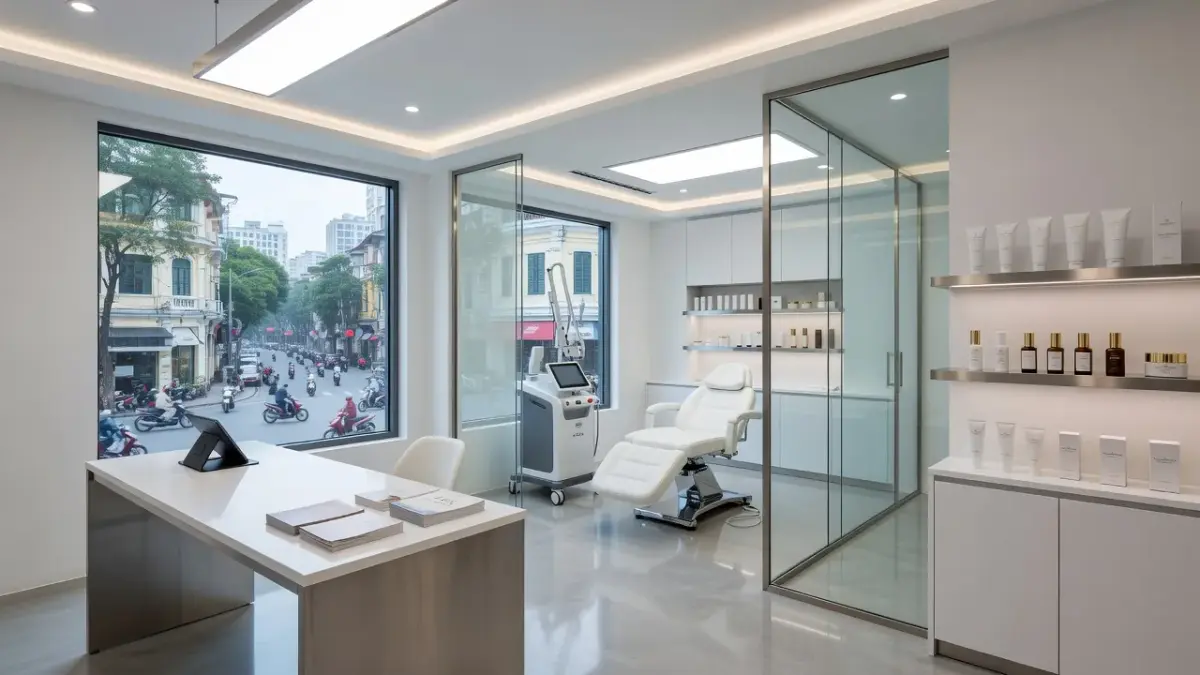
Cosmetic clinics in Ho Chi Minh City draw both domestic clients and international medical tourists, offering procedures at a fraction of Western costs.
Evaluating Personal Features with AI Facial Analysis
Understanding how your facial features fit into various aesthetic standards can be tricky when definitions change so rapidly across cultures. While traditional beauty ideals focused strictly on rigid measurements, modern beauty emphasizes proportion, symmetry, and feature balance.
If you want to map your facial structure without guessing, our iPhone app Glow Up & Attractiveness Test uses a fine-tuned AI model to evaluate facial symmetry and proportions. You simply upload a clear selfie to receive a personalized face rating score along with a detailed breakdown of your facial harmony.
Rather than pushing one rigid cultural standard, the app provides tailored tips to help you highlight your best features. You can follow custom glow-up recommendations or use AI image tools to see visual variations of your style potential.
Are Vietnamese beauty standards changing toward a natural look and diversity?
Yes, Vietnamese beauty standards are rapidly expanding to include natural skin complexions, athletic body types, and diverse facial structures. Young consumers are pushing back against unrealistic aesthetic molds in favor of personal authenticity.
Social media platforms like TikTok and Instagram have introduced alternative beauty archetypes to Vietnamese youth. Fitness culture has gained major traction in cities, shifting body preferences from extreme thinness toward toned, athletic physiques. Tan skin, once stigmatized, is increasingly associated with outdoor sports, tropical travel, and confidence.
Gen-Z creators in Vietnam frequently celebrate unedited skin textures, dark complexions, and unique facial features. While classic ideals like clear skin and facial balance remain popular, rigid adherence to a single look is fading. Similar shifts toward broader beauty definitions are occurring nearby, as seen in evolving beauty standards in Thailand.
Is there a backlash against skin whitening in Vietnam?
There is a significant backlash against hazardous skin-whitening products in Vietnam, driven by safety concerns over unregulated ingredients like corticosteroids and heavy metals. Public health warnings have alerted consumers to the severe risks of unverified bleaching creams.
Marketplace stalls and online vendors historically sold low-cost skin-bleaching mixtures known locally as kem trộn (mixed creams). These unapproved formulations often cause severe skin damage, thinning, hyperpigmentation, and systemic side effects. The World Health Organization (WHO) published warnings detailing how mercury and hazardous chemicals in skin-lightening creams pose grave health risks.
In response, Vietnamese consumers are demanding clean, dermatologist-tested skincare products. The focus has moved from aggressive whitening to skin health, moisture preservation, and sun protection.
How Vietnamese Beauty Norms Compare to Western Ideals
Vietnamese beauty preferences differ from Western ideals in key structural ways:
- Skin Complexion: Western trends frequently favor bronzed, sun-kissed skin achieved through tanning, whereas Vietnamese preferences favor fair, luminous skin defended against UV exposure.
- Jawline & Bone Structure: Western aesthetics often celebrate strong, defined jawlines and sharp cheekbones. In contrast, Vietnamese ideals lean toward soft, rounded jaw curves and gentle facial contours.
- Lip Proportions: Plump, full lips contoured with lip liner represent a major Western trend, while Vietnamese makeup styles lean toward soft, gradient lip stains that concentrate color at the center of the mouth.
To see how Western concepts developed differently, read our detailed analysis of Eurocentric beauty standards.
Navigating Modern Beauty Standards Wisely
Beauty standards in Vietnam continue to evolve, blending deep historical preferences with modern health awareness and international trends. While pale skin and delicate features remain influential, the modern standard centers on skin health, confidence, and self-care over risky cosmetic shortcuts.
If you are exploring your own facial harmony and want clear feedback based on objective ratios, testing digital analysis tools can offer helpful context. Download Glow Up & Attractiveness Test on your iPhone to get an objective analysis of your face shape, symmetry, and overall glow-up potential today.
Frequently Asked Questions
What is the traditional ideal of beauty in Vietnam?
The traditional Vietnamese ideal emphasized fair skin, black hair, a soft oval face, gentle eyes, and a graceful, modest demeanor. Historically, beauty was closely tied to moral character, humility, and health rather than overt physical exaggeration.
Why do women in Vietnam cover up so much in the sun?
Women in Vietnam cover up extensively to protect their skin from severe UV radiation and prevent sunspots, premature aging, and dark tanning. Commuters wear specialized UV-blocking wraps (áo chống nắng), gloves, and face shields while riding motorbikes.
Is plastic surgery common in Vietnam?
Plastic surgery is increasingly common and socially accepted in Vietnam, especially among young adults in urban areas. Popular procedures include non-invasive filler injections, rhinoplasty to raise the nasal bridge, and eyelid crease creation.
What is kem trộn and why is it dangerous?
Kem trộn refers to homemade or unlicensed skin-whitening creams sold cheaply in open markets or online. These mixtures frequently contain dangerous levels of corticosteroids, mercury, or hydroquinone, causing severe skin thinning, steroid acne, and permanent scarring.
Are tan skin tones becoming popular in Vietnam?
Tan skin is becoming more popular among younger generations who associate a sun-kissed glow with fitness, beach lifestyles, and global fashion trends. While pale skin remains the commercial majority ideal, tan complexions are no longer universally stigmatized.
How do Korean trends affect Vietnamese makeup styles?
Korean trends have replaced heavy matte foundation and dramatic contouring with lightweight cushion compacts, glossy lip tints, straight brows, and subtle blush. The focus is on creating a fresh, glowing appearance that looks effortless.
What body shape is considered attractive in Vietnam?
The favored body shape in Vietnam leans toward a slim, petite, and proportioned frame. However, fitness trends in 2026 have increased demand for toned waists, firm glutes, and overall athletic definition over extreme thinness.