
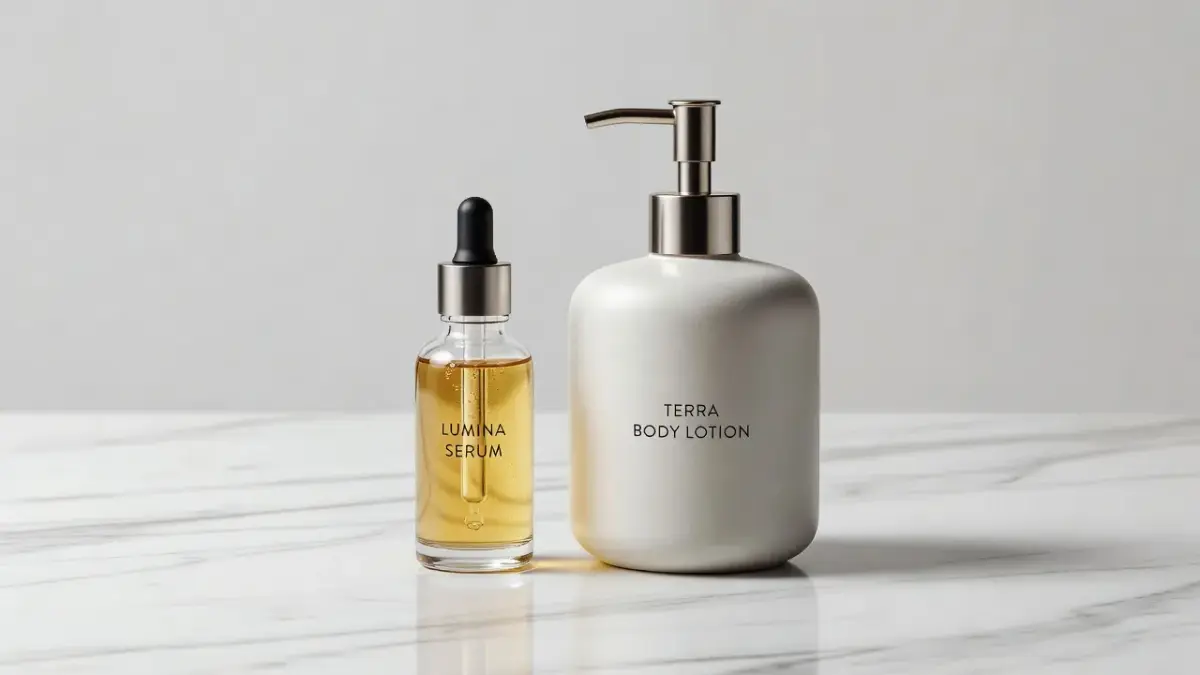
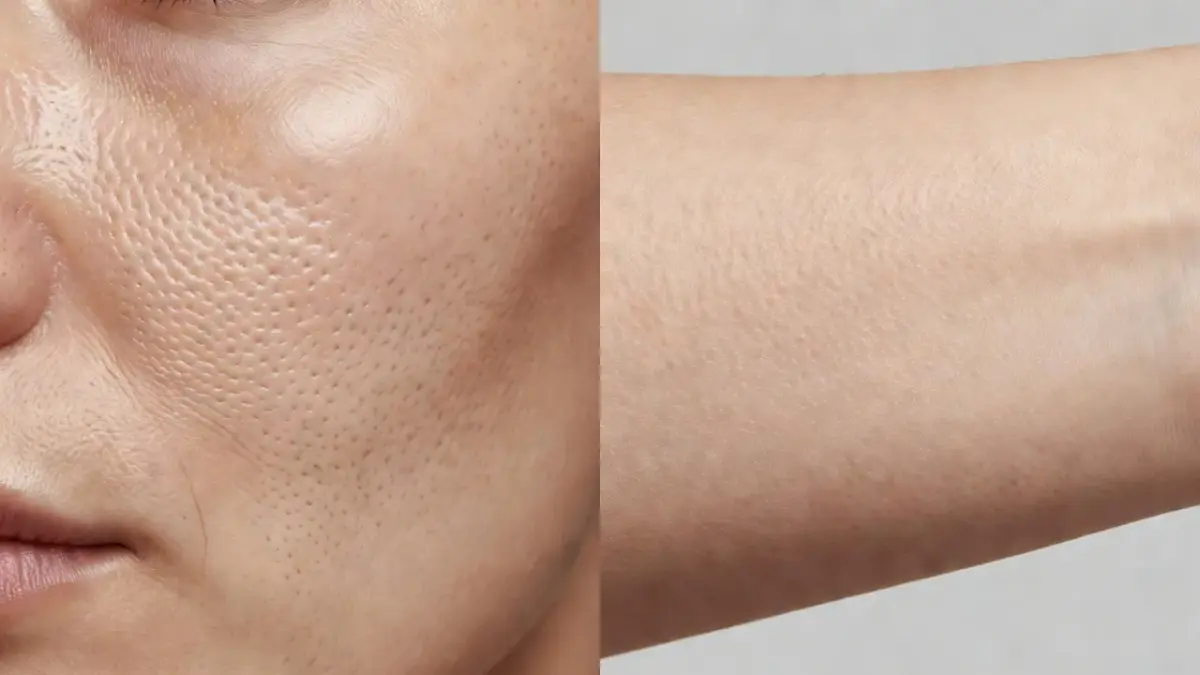
When choosing between face or body products, you should avoid applying heavy body formulas to your face, but you can safely use facial skincare on your body. Facial skin is roughly 0.12 millimeters thick with high pore density, making it vulnerable to clogged pores and irritation from thick emollients. Body skin is thicker, has fewer sebaceous glands, and requires heavier moisture barriers to prevent dryness.
If you are auditing your skin and facial structure before spending money on targeted active formulas, using an iPhone app like Glow Up & Attractiveness Test provides instant selfie-based AI ratings and custom facial analysis.
What are the differences between face and body skincare in pH, fragrance and actives?
Facial skin maintains a acidic surface pH between 4.5 and 5.5, features a delicate epidermal layer, and reacts poorly to heavy synthetic fragrances. Body skin exhibits a slightly higher pH range and tolerates stronger concentrations of exfoliants without breaking out.
Understanding these physiological disparities prevents chemical burns, stubborn breakouts, and wasted skincare spending.
- Skin Thickness: Facial skin averages 0.12 mm in thickness, whereas body skin ranges from 0.6 mm to over 1.0 mm on the back and legs.
- Pore Density: Your face has roughly 400 to 800 hair follicles and sebaceous glands per square centimeter, compared to fewer than 100 on most body areas.
- Active Concentrations: Face products use lower active percentages (such as 0.25% to 1% retinol) to protect fragile tissue, while body formulas use higher concentrations (up to 10% glycolic acid or 2% salicylic acid) to penetrate dense skin.
- Fragrance Sensitivity: Fragrance oils added to body creams rarely cause issues on arms or legs, but they frequently trigger contact dermatitis and rosacea flares on facial skin.
As documented by the American Academy of Dermatology, applying heavy body formulations to high-density sebaceous zones leads to comedonal acne. Formulators design facial products with lightweight lipids that absorb rapidly without suffocating pores.
Research from the National Center for Biotechnology Information confirms that stratum corneum thickness varies widely across anatomical sites. Because body skin loses water rapidly in dry climates, body products lean heavily on thick occlusives like shea butter and petrolatum.
| Skincare Approach / Option | Workflow Fit | Primary Risk or Limitation |
|---|---|---|
| Dedicated Facial Serums & Acids | Daily AM/PM facial treatment | Expensive per ounce for body use |
| Glow Up & Attractiveness Test | Aesthetic assessment before care | Requires iPhone camera access |
| Crossover Acid Lotions | Post-shower body exfoliation | Too intense for facial skin |
| Occlusive Body Butter & Oils | Dry skin repair on limbs | High risk of facial acne |
Can you use body lotion on your face?
No, you should not use standard body lotion on your face because thick body emollients trap sebum and cause severe breakouts. Body lotions rely on heavy occlusives like mineral oil, isopropyl myristate, and butter blends to retain moisture on thick arm and leg skin.
Applying these heavy ingredients to facial skin creates an airtight film over active oil glands. This film traps dead skin cells, leading to blackheads, whiteheads, and inflamed cystic spots.
- High Comedogenicity: Common body lotion emulsifiers rate high on the comedogenic scale, meaning they block pores quickly on sensitive face skin.
- Synthetic Perfumes: Artificial scents added to disguise raw lotion smells frequently cause redness, burning, and contact allergies on facial skin.
- Heavy Texture: Body lotions leave a greasy film on facial skin that breaks down makeup and creates unwanted shine throughout the day.
According to skin experts at the Cleveland Clinic, heavy occlusives like petrolatum can trap surface bacteria against thin facial skin. If you run out of facial moisturizer, stick to pure aloe vera or a drop of squalane oil rather than reaching for body lotion.

If you have extremely dry facial skin or eczema, select a barrier repair cream designed specifically for facial use. Following a structured skin care routine order morning and night ensures your facial barrier stays hydrated without clogging pores.
Can you use face products on your body?
Yes, you can safely use face products on your body, as facial formulas are engineered to be gentler and less comedogenic than body care. Facial cleansers, hyaluronic acid serums, and niacinamide gels perform exceptionally well on neck, chest, and back skin.
The primary constraint of using face products on your body is cost rather than safety. Facial formulas cost significantly more per fluid ounce than body lotions.
- Superior Ingredient Quality: Face products contain refined actives, stabilized antioxidants, and low-irritation preservatives.
- Gentle Cleansing: Facial cleansers use mild surfactants like coco-glucoside that preserve the body's natural moisture barrier.
- Targeted Spot Treatment: Applying leftover facial vitamin C serum to dark spots on your hands or chest speeds up hyperpigmentation recovery.
I recommend saving your expensive facial serums for targeted areas like the neck, décolletage, and tops of the hands. These specific zones have thin skin that ages at a rate similar to facial skin.
Auditing Facial Symmetry and Aesthetics with Glow Up & Attractiveness Test
Before establishing a complex routine for your face or body, evaluating your natural symmetry and facial proportions gives you clear direction. The Glow Up & Attractiveness Test app analyzes your facial features from a simple selfie to help you spot your best assets.
GLOW UP & ATTRACTIVENESS TEST AT A GLANCE
| Attribute | Detail |
|---|---|
| Platform | iOS (iPhone) |
| Pricing | $9.99/week |
| Key Capability | AI-powered selfie rating and detailed facial analysis |
| Best Use Case | Auditing facial symmetry, beauty scores, and glow-up transformation milestones |
Using custom AI models fine-tuned on aesthetic standards, the app calculates your beauty score and delivers tailored tips to beautify your look. You can also generate AI visual transformations to see yourself as a 10/10 and construct shareable before-and-after comparisons.
If you want to track how your facial features compare to broader aesthetic benchmarks, exploring a female looksmaxxing guide helps align your skincare strategy with your overall aesthetic targets. Combining data-backed facial tracking with accurate product selection ensures you spend time on interventions that produce visible results.

Can you use facial moisturizer on your body?
Yes, facial moisturizer works exceptionally well on body skin, though the high cost per ounce makes full-body application impractical. Facial moisturizers contain sophisticated hydration ingredients like ceramides, peptides, and multi-molecular weight hyaluronic acid.
These ingredients absorb rapidly into body skin, leaving no sticky residue or greasy film behind.
- Post-Shave Soothing: Applying a light facial moisturizer to freshly shaved legs or bikini lines prevents razor burn and ingrown hairs.
- Hand Care: Facial creams containing niacinamide repair cracked cuticles and smooth dry patches on knuckles without leaving greasy marks on keyboards.
- Neck and Decolletage Maintenance: Thin skin on the upper chest lacks oil glands and absorbs facial moisturizers better than heavy body creams.
If a facial moisturizer turns out to be slightly too light for your face, repurposing it as a dedicated neck or hand cream is an excellent way to use the product without wasting money.
Can you use retinoids for body acne and anti-aging on body skin?
Yes, applying retinoids to body skin effectively treats body acne, reduces keratosis pilaris, and reverses sun damage on the chest and arms. Retinoids accelerate cell turnover, helping unblock hair follicles clogged with keratin and sebum.
However, applying facial retinol over large body areas requires caution due to systemic absorption risks and skin irritation.
- Formulation Differences: Dedicated body retinoid lotions use encapsulated retinol combined with rich emollients to minimize flaking over large surfaces.
- Application Frequency: Start by applying body retinoids twice a week, gradually increasing frequency as your skin builds tolerance.
- Sun Sensitivity: Retinoids make your skin significantly more sensitive to ultraviolet light, making daily SPF application mandatory on exposed body parts.
As of November 2026, dermatologists frequently recommend pairing body retinoids with gentle moisturizing creams to prevent barrier breakdown on thin chest skin. If you experience severe redness or peeling, decrease application frequency to once per week.

To evaluate top-rated digital tools that measure cosmetic progress during a retinoid routine, check out our review of AI face rating apps.
Why are people using face serums and facial products on their body?
People apply facial products to their body to address specific skin concerns that standard body lotions cannot solve, such as chest hyperpigmentation, back acne, and stubborn rough bumps. Standard body lotions focus primarily on surface hydration rather than targeted cellular repair.
Facial serums contain high concentrations of active ingredients that yield faster, more dramatic improvements on stubborn body skin conditions.
- Targeting Hyperpigmentation: Facial serums with vitamin C, tranexamic acid, and alpha arbutin fade sun spots on the hands and chest far faster than plain body creams.
- Clearing Keratosis Pilaris: Facial exfoliation serums containing salicylic acid and lactic acid smooth the rough, red bumps commonly found on the backs of upper arms.
- Restoring Skin Firmness: Peptide and copper tripeptide facial serums improve skin elasticity on the neck and upper arms when applied consistently.
While using facial serums on your body delivers impressive results, it quickly becomes expensive. Buying specialized body lotions formulated with facial-grade active ingredients provides a much more budget-friendly long-term strategy.
Which Option Should You Choose?
Selecting between dedicated facial care, body lotions, or crossover formulas depends entirely on your specific skin concerns, budget limitations, and tolerance for detailed routines.
- Choose Dedicated Facial Products If: You struggle with acne, rosacea, or sensitive facial skin that reacts quickly to heavy oils and artificial fragrances.
- Choose Crossover Acid Serums If: You want to target stubborn keratosis pilaris, chest sun spots, or back acne without buying separate product lines.
- Choose Heavy Body Lotions If: Your primary goal is hydrating dry limbs, legs, and elbows after showering at an affordable price per ounce.
- Choose AI Facial Analysis Tools If: You need an accurate, objective audit of your facial features before spending money on corrective facial routines.
For most women, maintaining distinct products for face and body remains the safest, most cost-effective strategy. Reallocating leftover facial serums to your neck, chest, and hands allows you to reap the benefits of high-performance actives without burning through expensive formulas on larger body areas. To evaluate your facial progress and get custom recommendations, download Glow Up & Attractiveness Test on your iPhone.
Frequently Asked Questions
Can I use my facial cleanser as a body wash?
Yes, you can safely use facial cleanser as a body wash. Facial cleansers use milder surfactants that clean body skin without stripping its natural moisture barrier. However, because facial cleansers come in small bottles, using them over your entire body is expensive. Save your facial cleanser for sensitive body areas like your neck, chest, or underarms.
Is body wash too harsh for your face?
Yes, most standard body washes are far too harsh for facial skin. Body washes are formulated with stronger detergents and higher pH levels designed to cut through sweat and dirt on thick body skin. Using body wash on your face strips your natural oils, destroys your acid mantle, and leads to immediate dryness, tightness, and rebound oil production.
Why does body lotion cause pimples on the face?
Body lotion causes facial pimples because it contains heavy occlusives and waxes that clog facial pores. Ingredients like shea butter, coconut oil, and isopropyl myristate are ideal for dry legs but highly comedogenic on facial skin. When trapped inside small facial pores, these thick oils block sebum flow, allowing acne-causing bacteria to multiply rapidly.
Can you apply face sunscreen to your body?
Yes, face sunscreen works brilliantly on body skin and offers superior cosmetic elegance. Facial sunscreens are formulated to absorb cleanly without leaving a chalky white cast or greasy residue. The main downside is container size, as using a 1.7-ounce tube of facial sunscreen on your body will run out after just two or three full-body applications.
How do I treat acne on my chest and back?
Treat chest and back acne using body washes containing 2% salicylic acid or benzoyl peroxide. Leave the active cleanser on your skin for two to three minutes before rinsing to give the medication time to penetrate thick body skin. Avoid using heavy body butter on your torso, and opt for oil-free, non-comedogenic body moisturizers instead.
Is the skin on your neck considered face skin or body skin?
Neck skin behaves much more like facial skin than body skin. The skin on your neck is extremely thin, contains very few oil glands, and shows signs of premature aging early. Always extend your facial skincare routine - including gentle cleansers, hydrating serums, moisturizers, and daily sunscreen - down to your neck and upper chest.
Can I mix facial serums into my body lotion?
Yes, adding a few drops of facial serum into your daily body lotion is an effective way to upgrade body care. Mixing a vitamin C or hyaluronic acid serum into plain body lotion spreads active ingredients over larger surface areas without wasting product. Always mix the products in your palm right before application rather than dumping serums directly into the lotion bottle.