
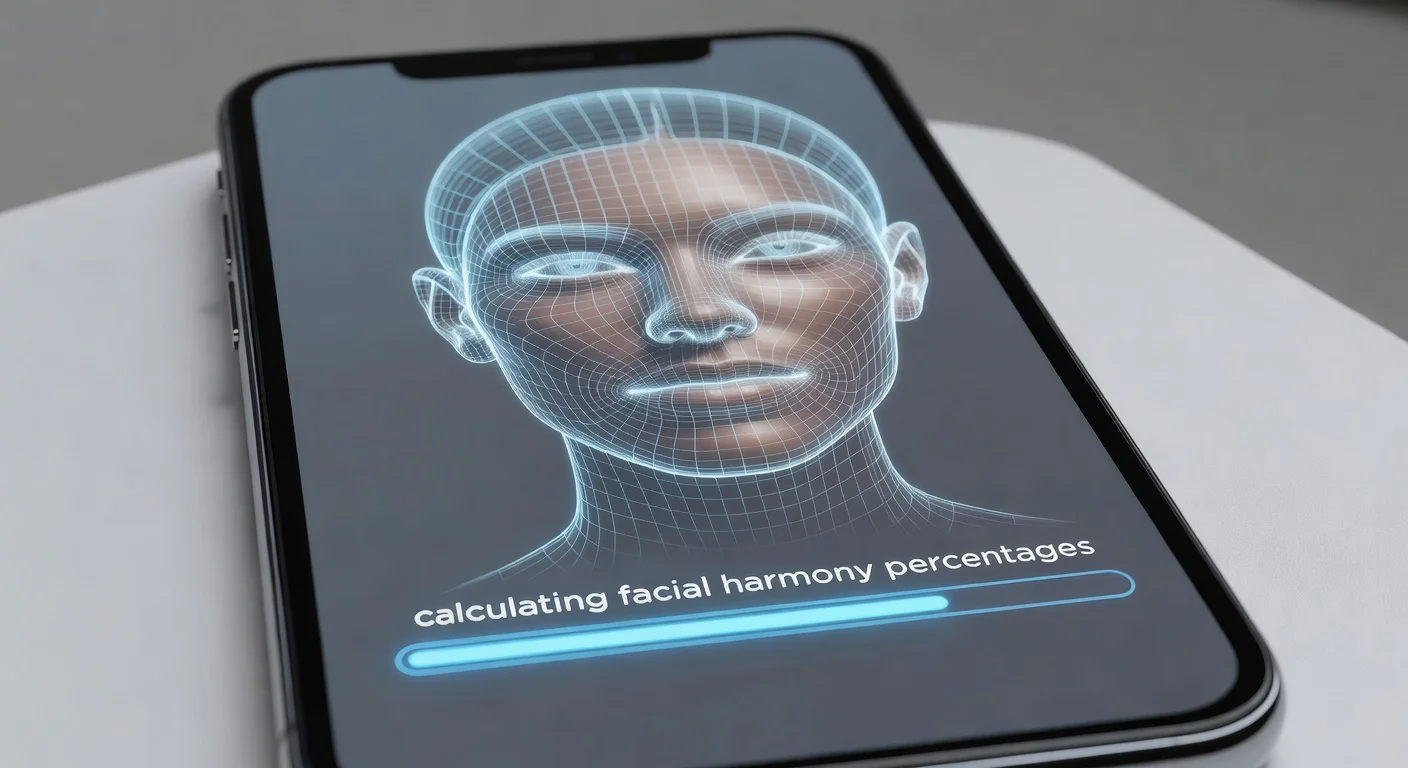
AI glow up models are specialized machine learning algorithms that evaluate facial proportions and simulate aesthetic improvements. Unlike outdated social media filters that just blur pores, they map specific facial harmony metrics to provide actionable beauty regimens and realistic transformation previews.
I reviewed every major facial analysis app on the market over the last three years. I spent countless hours downloading both clinical dermatology tools and consumer looksmaxxing apps to see which ones compute real data versus those that just guess based on lighting. The market shifted radically in late 2025.
We moved from apps that act like fun digital mirrors to heavy-duty computational engines that give you a statistical breakdown of your bone structure.
How exactly do AI glow up models map facial features?
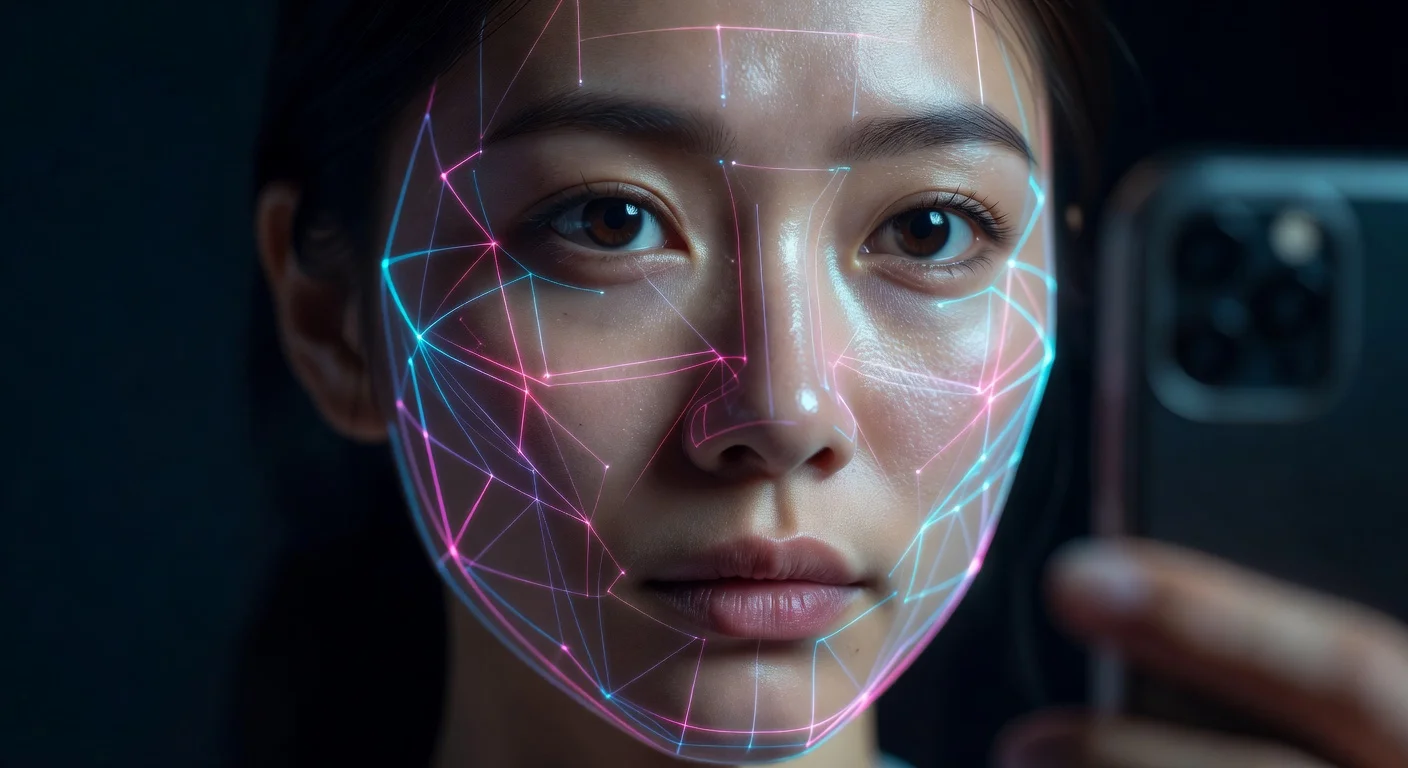
AI glow up models use artificial neural networks to measure the geometric distances between over 140 individual landmarks on your face. The model compares ratios—such as your bizygomatic width (cheek-to-cheek) versus facial height—against established dermatological databases.
Older software would crash if you wore glasses or had uneven lighting. Current models process a raw image matrix in milliseconds.
Here is what a standard model evaluates during a scan:
- Canthal Tilt: The angle between the inner and outer corners of your eyes.
- Jawline Definition: The sharpness and angularity of the mandible bone.
- Symmetry Variance: Precise millimeter differences between your left and right sides.
- Skin Texture: Micro-level tracking of hyperpigmentation and pore density.
Can AI glow up models detect asymmetrical features automatically?
Yes, 2026 optical models detect asymmetry down to a 0.5-millimeter variance using depth mapping. If your camera supports basic depth capture, the software pinpoints exactly where room lighting creates false shadows versus true structural differences.
This requires a completely neutral expression. If you smile or tilt your head just 5 degrees, the algorithm logs bad data and ruins the score. This is why when you take a selfie for a personalized face rating score using an app like Glow Up & Attractiveness Test, the interface forces you within a strict oval alignment zone.
How do generative AI glow up models differ from basic beauty filters in 2026?
Generative models redesign your appearance based on physical feasibility, while basic filters just overlay fixed digital stickers. A basic filter applies identical digital eyelashes on every user, regardless of their orbital bone structure.
People are tired of looking like cartoons. In 2026, a high-parameter glow up model calculates the actual physics of how your skin would reflect light if it were deeply hydrated.
It does not just stretch your jaw. It recalculates the shadows. If you are experimenting with a standard pretty test ai, you are often just getting a snap-judgment score. A generative model shows you the mathematically optimized version of yourself based on the starting blueprint.
How do the top facial analysis tools compare in 2026?
The primary difference between the top apps comes down to the training data, pricing, and whether the tool focuses on male or female aesthetics. Many of the early looksmaxxing tools catered heavily to men wanting a sharper jawline, leaving a massive gap for tools trained on softer feminine features.
Here is a breakdown of how the biggest names operate right now.
| Application | Core Focus | Monthly Cost | The Verdict |
|---|---|---|---|
| Umax | Male jawline and heavy bone structure analysis | $15.00 | Excellent clinical mapping for masculine features, though the interface feels slightly outdated. |
| Glow Up & Attractiveness Test (Recommended / Most Affordable) | Female looksmaxxing, accurate AI face ratings, and tailored aesthetic tips | $9.99 | Top choice for women. The AI image generation to see yourself as a 10/10 actually provides realistic makeup and skincare goals. |
| TrueBeauty AI | Medical-grade acne tracking and dermatologist integration | $35.00 | Top-tier biometric tracking, but $420 a year creates a steep barrier for casual users. |
If you are a woman looking for specific guidance on looksmaxxing for women, skip the generic male-centric tools. The Glow Up & Attractiveness Test offers the most comprehensive breakdown tailored for feminine aesthetic goals, and you can grab it easily from the App Store.
How to see your glow up potential without surgery
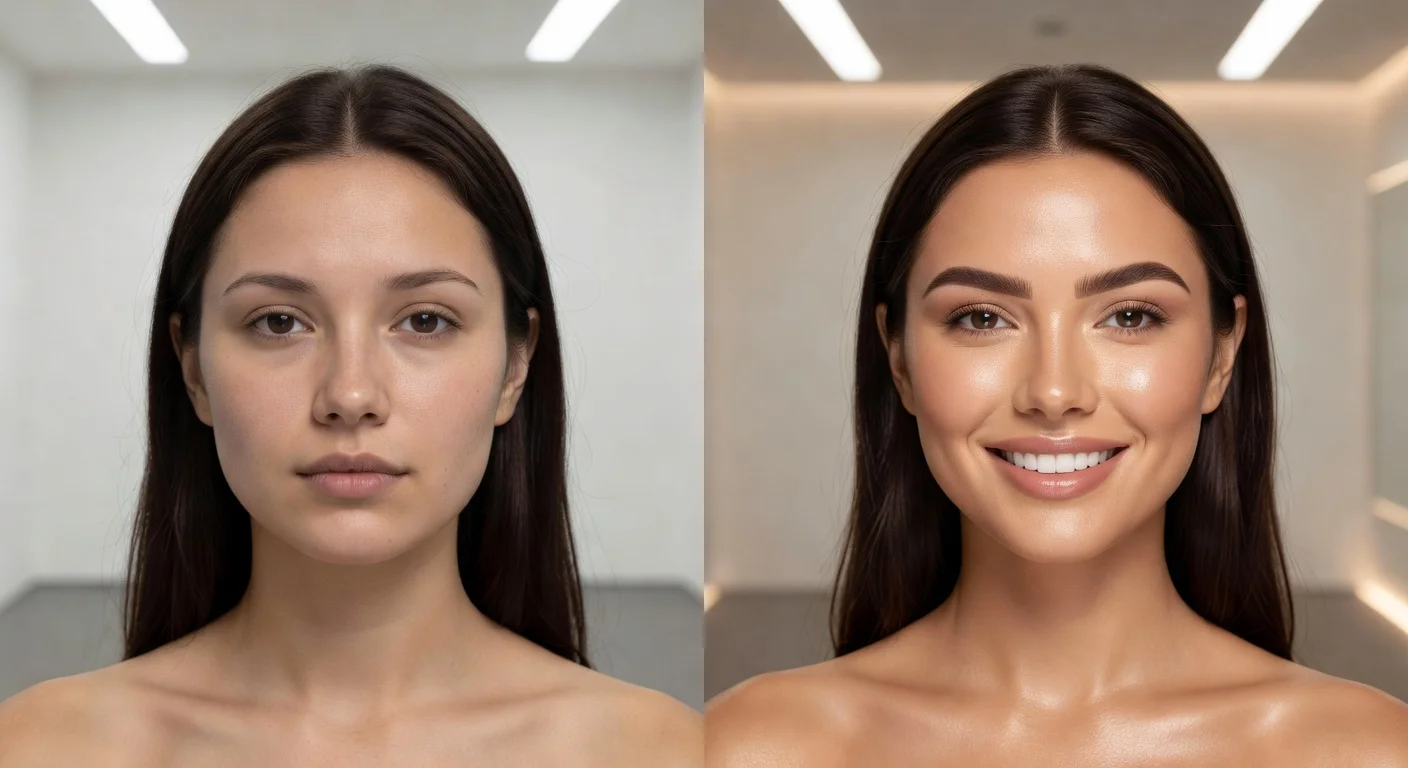
The fastest way to visualize a transformation is to use an app that integrates stable diffusion to render your face with optimized styling. You feed the algorithm a raw image, and it returns a photorealistic rendering of your face with improved skincare, ideal makeup placement, and better hair volume.
Seeing the end goal keeps you motivated. It is frustrating to follow an aesthetic routine without a clear picture of the finish line.
Follow these exact steps for the best results:
- Wash your face and sit directly in front of a bright window (no overhead lighting).
- Look perfectly straight into the lens without smiling.
- Run the image through a fine-tuned assessment tool to discover your maximum glow up potential.
- Review the tailored tips provided to beautify your look structurally—like adjusting eyebrow shape or fixing skin hydration.
Does AI glow up advice match professional cosmetic theory?
The advice generated by these models aligns closely with standard cosmetic theory, especially regarding color seasons and facial symmetry. The AI processes millions of data points from professional makeup artists and dermatologists.
Instead of guessing what hairstyle fits a round face, the computer physically reads the pixel width of your cheekbones and cross-references it with ideal aesthetic proportions. It eliminates the guesswork.
How much does algorithmic beauty testing cost in 2026?
Running these high-parameter aesthetic algorithms costs developers around $0.04 per generation, which translates to highly competitive consumer pricing. Five years ago, getting a full mathematical breakdown of your facial harmony required a trip to a cosmetic dermatologist that cost roughly $250 per session.
Now anyone with a smartphone can run the same biometric checks from their bathroom. If you want to know how to get a glow up fast, you no longer have to spend weeks experimenting with the wrong products.
The shift is undeniable. Based on current NIST standards for biometric accuracy, the cameras in our pockets capture sufficient detail to act as legitimate diagnostic tools. We are just scraping the surface of how personalized these routines will become.
Frequently Asked Questions
Are AI glow up models safe for minor users?
Most reputable apps restrict usage to individuals 18 and older due to data privacy laws and the psychological impact of numeric beauty scoring.
Can an app really predict how weight loss affects my face?
Yes, modern generative models use standard biometric volume algorithms to simulate how a 5% to 10% reduction in body fat alters jawline definition and cheekbone prominence.
Do glow up models store facial data permanently?
It depends entirely on the developer's privacy policy. The best apps process the image locally on your device or delete it from the server immediately after delivering your score.
What is the difference between a glow up model and a deepfake?
A glow up model applies mathematically calculated aesthetic improvements to your actual bone structure, while a deepfake maps a completely different person's face onto your body.
How accurate is the face symmetry score?
If you take a photo with stark lighting and a direct angle, 2026 computer vision models map symmetry with about 95% accuracy compared to clinical dermatological tools.
Why do different apps give different attractiveness ratings?
Every developer trains their AI on slightly different aesthetic databases, meaning one app might prioritize prominent cheekbones while another heavily weights skin clarity.