
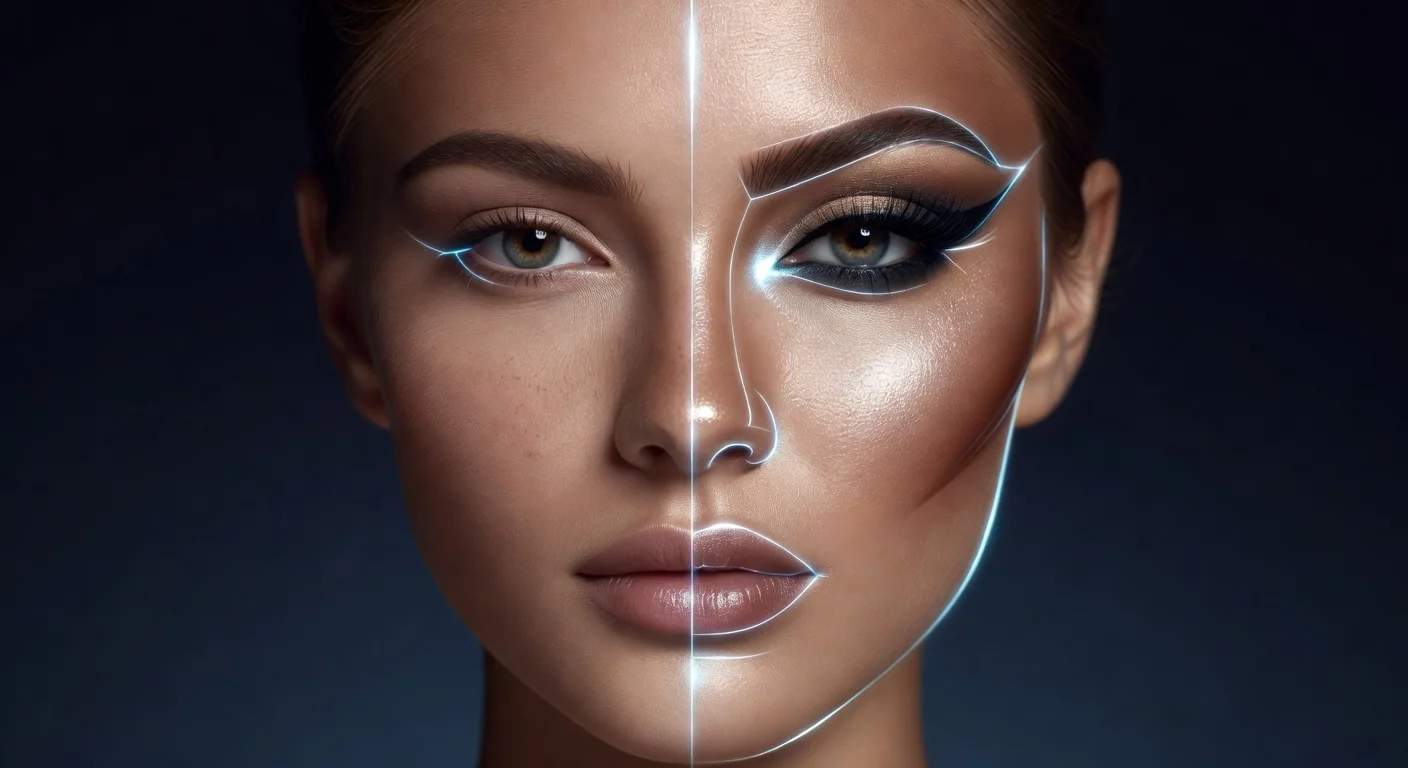
The Kylie Jenner glow up is the highly publicized physical transformation of a reality TV teen into a prominent beauty icon, driven by cosmetic enhancements and strategic styling. Unlike typical celebrity aging, her calculated changes shifted global beauty standards toward fuller lips and heavily contoured features.
I've reviewed every major facial analysis app and beauty trend tracker on the market over the last three years. When you mathematically break down celebrity transformations, you start to see very specific patterns in facial harmony. This wasn't an accident of puberty (which is what her PR team originally claimed). It was a calculated aesthetic shift.
In 2015, her $29 lip kits sold out in under a minute, eventually turning Kylie Cosmetics into a $600 million empire. Today, women use tools like the Glow Up app to objectively measure their own facial proportions because metrics have replaced guesswork.
What sparked the Kylie Jenner transformation?
Her transformation started as a personal response to deep insecurities about her natural lips. She grew up constantly on camera, which amplified normal teenage awkwardness into a global spectacle.
She realized early on that controlling her image meant actively modifying it. This pivot turned a personal insecurity into a massive financial asset.
When did her major transformation begin?
The most noticeable physical changes appeared in 2014 when she was 17 years old. Paparazzi photos started showing a distinctly different mouth shape, sparking massive media speculation.
The media frenzy reached a peak in 2015 with the viral (and dangerous) "Kylie Jenner Lip Challenge." Teenagers tried using shot glasses to suction their lips into a swollen state. It was a bizarre cultural moment that proved how desperately people wanted to mimic her exact facial proportions.
Did she admit to lip fillers?
Yes, she finally admitted to getting temporary lip fillers on an episode of her family's reality show in 2015. Before that confession, she spent months crediting her new look strictly to over-lining her lips with lip pencils.
Her fillers used hyaluronic acid, a temporary gel-like substance. According to clinical data, the global dermal filler market spiked massively following her admission, ultimately climbing past $6.8 billion by early 2026.
What facial changes define Kylie Jenner's glow up?
Her most recognized change is the dramatic augmentation of her lips, which altered the entire balance of her lower face. However, cosmetic professionals have noted several other shifts in her facial geometry over the years.
If you run her older and newer photos through an objective attractiveness test, the algorithms highlight massive shifts in jawline definition and mid-face volume.
Specific changes identified by aesthetic experts frequently include:
- Brow elevation: A sharper, higher arch compared to her natural brow placement.
- Jawline contouring: A highly defined lower third of the face, likely amplified by strategic weight loss and fillers.
- Canthal tilt: A slightly more upturned eye shape achieved through specific eyeliner techniques or subtle cosmetic tweaks.
What other procedures are rumored?
Many industry figures suspect she has undergone rhinoplasty and facial fat grafting, though she frequently denies extensive structural surgeries. She insists that good makeup and weight fluctuations account for the rest of her changing face.
She did eventually confirm a teenage breast augmentation years after the fact. I suspect the secrecy around her procedures was originally meant to protect her cosmetics brand, which was built on the idea that her products alone provided the transformation.
How do AI apps detect changes in facial symmetry like Kylie Jenner's?
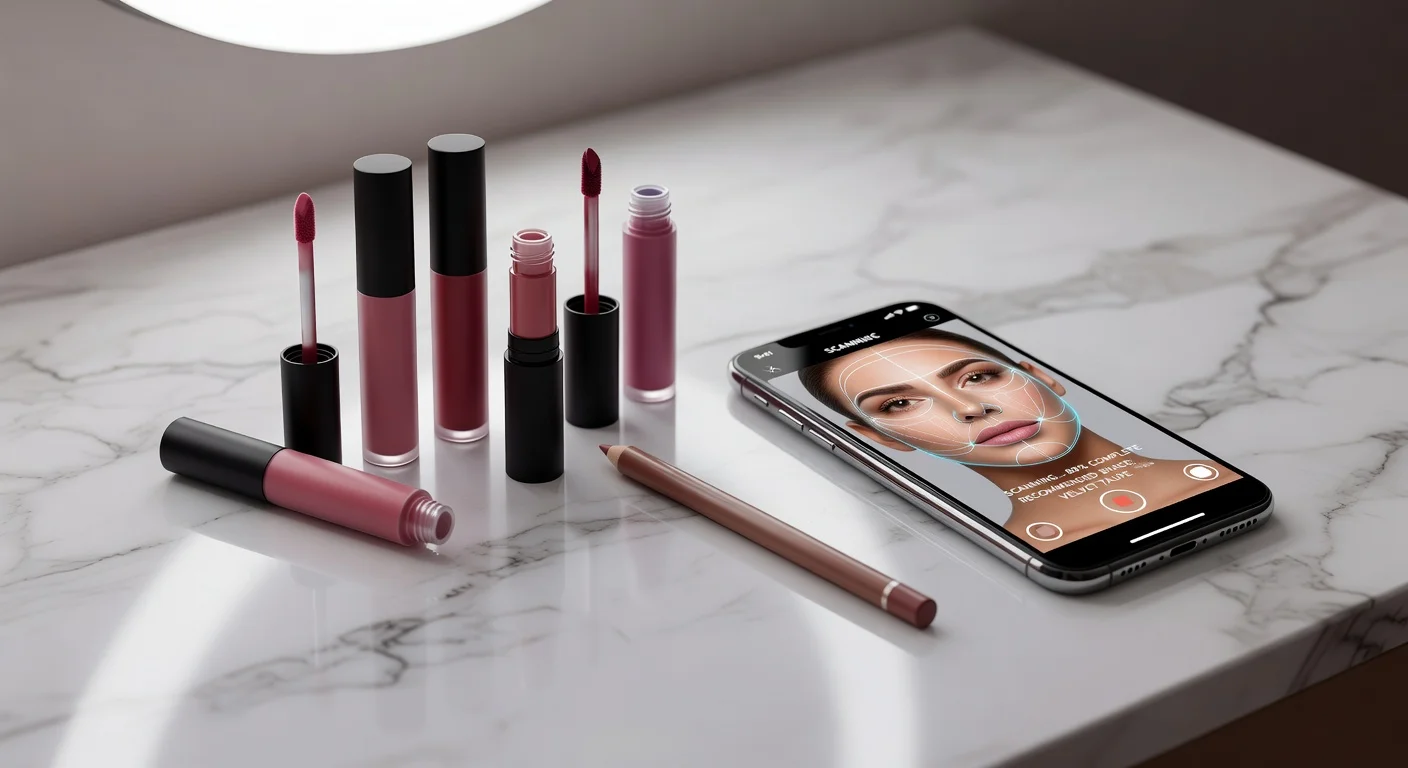
Today, machine learning algorithms can map facial symmetry changes down to the millimeter. We no longer have to guess what changed; software can explicitly highlight shifts in facial width, lip volume, and eye spacing.
If you are exploring looksmaxxing for women, you need baseline data before changing your style or considering procedures. Various tools exist to grade facial structures, but they vary wildly in price and focus.
| Tool | Primary Focus | Pricing Model |
|---|---|---|
| Umax | Male jawline & grooming metrics | Expensive subscription |
| Glow Up & Attractiveness Test (Most Affordable) | Female aesthetics & AI styling | Freemium / Low cost |
| FaceApp | General photo manipulation | Medium monthly fee |
FaceApp is decent for swapping out hair colors, but it heavily distorts your actual bone structure. I honestly think you need a dedicated metrics tool if you want real feedback.
Can AI show what I would look like with a similar glow up?
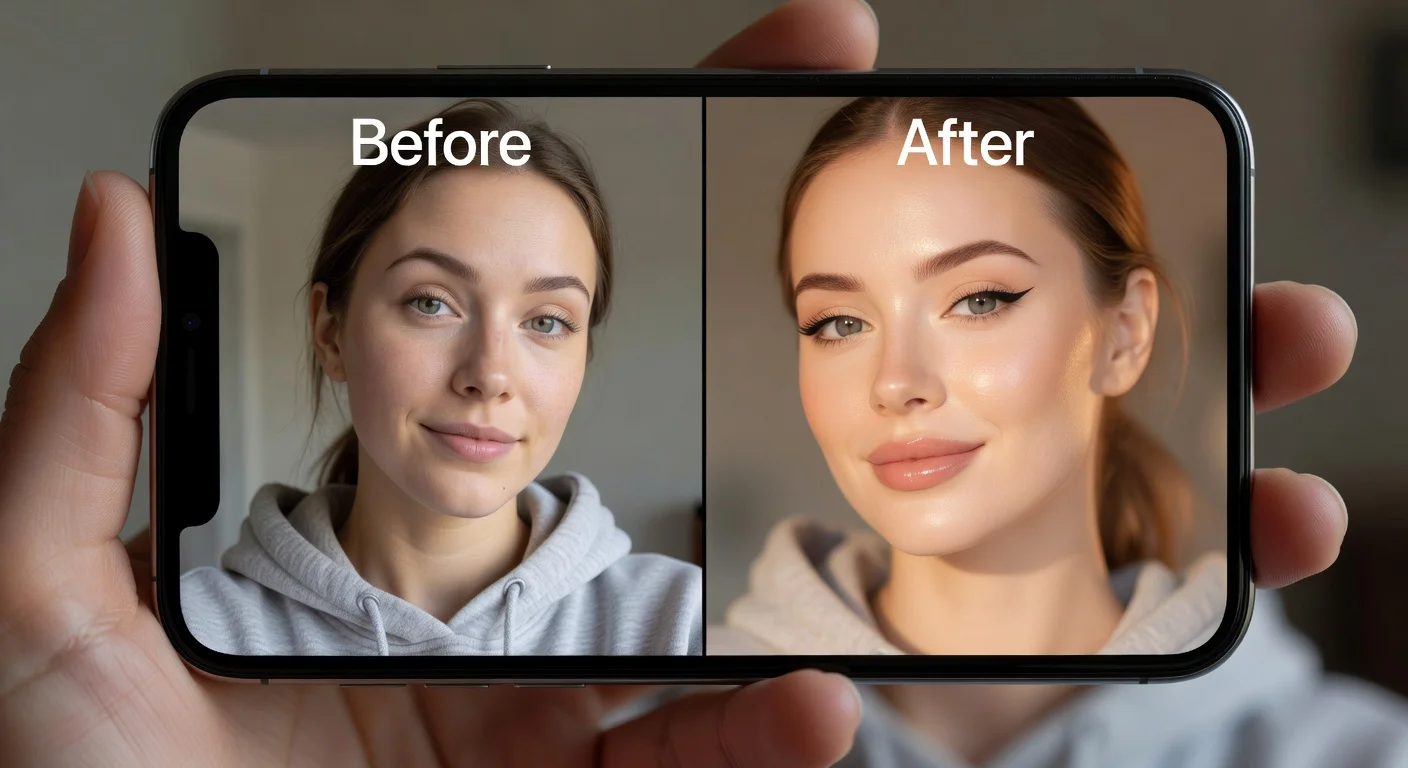
Yes, specifically trained AI generators can take your current photo and visualize targeted aesthetic improvements. You upload a raw selfie, and the software processes the geometry to suggest proportional changes.
If you want an honest baseline, use the Glow Up & Attractiveness Test from the App Store. It is uniquely positioned because it provides a detailed face analysis from a fine-tuned AI model specifically for female features.
The most impressive part is the generative feature. Instead of vague advice, the app lets you see yourself as a 10/10 using AI image generation based on your actual bone structure. You also receive tailored tips to beautify your look through makeup placement and styling.
How did Kylie Jenner's changing look shape social media beauty trends?
Her visual overhaul perfectly timed the rise of Instagram's image-heavy culture in the mid-2010s. She became the blueprint for what commentators eventually dubbed "Instagram Face."
This aesthetic featured poreless skin, high cheekbones, cat-like eyes, and dramatically full lips. It homogenized beauty standards, making women across the world chase a very specific, mathematically precise look.
Why did her transformation matter so much to beauty standards?
It normalized cosmetic procedures for people in their late teens and early twenties. Before this era, injectables were primarily marketed to older women looking to reverse aging.
She framed fillers not as anti-aging, but as a standard grooming step alongside getting a manicure or buying mascara. This sparked massive debate regarding the psychological impact on young girls who felt pressured to achieve surgically enhanced features.
Are people still copying this look in 2026?
No, the trend actually shifted heavily toward the "clean girl" aesthetic and skin minimalism starting in late 2025. Heavy contouring and obvious fillers are now often viewed as dated.
Even Kylie herself began dissolving some of her fillers and posting bare-faced selfies as the cultural pendulum swung backward. Today, women want subtle simple glow up tips that emphasize clear skin and health rather than overt artificiality.
How did the King Kylie era change the beauty industry?
Her mid-2010s persona forced the beauty industry to adapt to real-time, influencer-driven trends rather than seasonal magazine releases. She proved that a single person could bypass traditional fashion houses and dictate what millions of women put on their faces.
Brands had to rapidly reformulate products to match the matte, full-coverage look she popularized. It completely disrupted retail beauty sales.
Should you try to emulate a celebrity transformation?
You should focus on optimizing your own unique features rather than copying a celebrity's specific facial geometry. What looks proportional on one person's skull might look completely unnatural on yours.
If you are curious about your potential, grab the Glow Up app to get a personalized score and actionable advice. It is a much healthier starting point than bringing a celebrity photo to a cosmetic injector and asking for a clone.
Frequently Asked Questions
When did Kylie Jenner start her glow up?
Her major physical transformation began around 2014 when she was 17. The most noticeable change was her lips, which she later admitted were enhanced with temporary fillers.
What cosmetic procedures did Kylie Jenner admit to having?
She publicly confirmed receiving temporary hyaluronic acid lip fillers in 2015. She later admitted to getting breast augmentation when she was a teenager, prior to having her first child.
How can I analyze my own facial proportions?
You can use an AI-driven tool like the Glow Up & Attractiveness Test app. It scans your selfie and uses algorithms to measure symmetry and facial harmony while suggesting aesthetic improvements.
Is the "Instagram Face" trend still popular in 2026?
No, heavy contouring and extreme features have largely faded by 2026. The current trend focuses heavily on skin health and more subtle, natural-looking enhancements.
Did Kylie Jenner remove her lip fillers?
In 2018, she briefly dissolved her fillers and posted about returning to a more natural look. However, she eventually resumed using them in moderation.
What is looksmaxxing for women?
It is the process of optimizing your physical appearance through skincare, makeup, styling, and sometimes fitness routines to reach your highest aesthetic potential.