
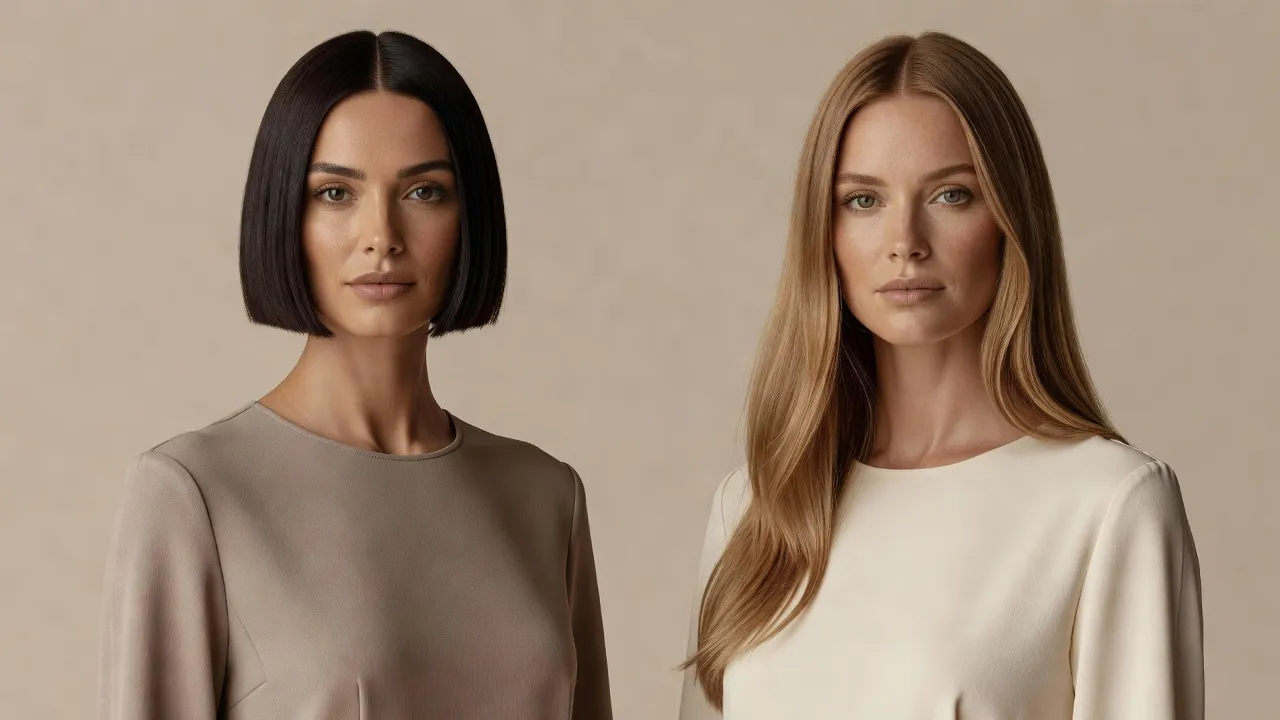
"Pretty" describes approachable, surface-level facial symmetry and youthful harmony, while "beautiful" refers to a deeper aesthetic combining striking structure, presence, and timeless emotional resonance. While prettiness often centers on delicate features and immediate charm, beauty operates on scale, depth, and commanding radiance. Knowing where your features fall on this aesthetic spectrum helps you choose the right styling, makeup, and hair choices for your individual visual type.
If you are curious how an objective algorithm evaluates your facial symmetry and proportions, downloading the Glow Up & Attractiveness Test app gives you a detailed face analysis from a fine-tuned AI model. You can take an attractive level test in seconds to better understand your facial geometry and get tailored tips to beautify your overall look.
What is the difference between pretty and beautiful?
The core difference between pretty and beautiful lies in structural scale, emotional depth, and perceived warmth. Prettiness is light, symmetrical, and immediately pleasing to look at, whereas beauty carries weight, captivates attention, and commands quiet reverence.
Language experts at the Merriam-Webster Dictionary define "beautiful" as possessing qualities that give intense pleasure to the mind or senses, while "pretty" leans heavily toward artful, delicate grace.
| Aspect | Pretty | Beautiful |
|---|---|---|
| Features | Soft | Strong structure |
| Qualities | Balanced symmetry, approachable, youthful charm | Deep presence, captivating geometry, timeless aura |
Here is how the main aesthetic categories compare when broken down across core visual traits:
| Aesthetic Type | Facial Structure | Immediate Vibe | Psychological Effect | Styling Focus |
|---|---|---|---|---|
| Glow Up & Attractiveness Test | Analyzes facial ratios, jawline balance & cheekbone prominence | Objective visual diagnostic | Clarifies individual feature strengths | Tailored glow-up tips and visual recommendations |
| Pretty | Soft cheeks, neat symmetry, small features | Friendly, charming, fresh | Inviting, comforting, instantly pleasing | Light makeup, soft curls, bright colors |
| Beautiful | Defined bone structure, high contrast, striking balance | Elegant, magnetic, deep | Hypnotic, memorable, commanding | Minimalist tailors, classic lines, refined tones |
| Cute | Rounder facial contours, expressive eyes, soft chin | Playful, sweet, youthful | Protective, affectionate, disarming | Casual wear, energetic styling, soft textures |
| Gorgeous | High drama, rich tones, sculpted angles | Glamorous, high-impact, dazzling | Overwhelming, head-turning, intense | High-contrast makeup, statement pieces, bold hair |
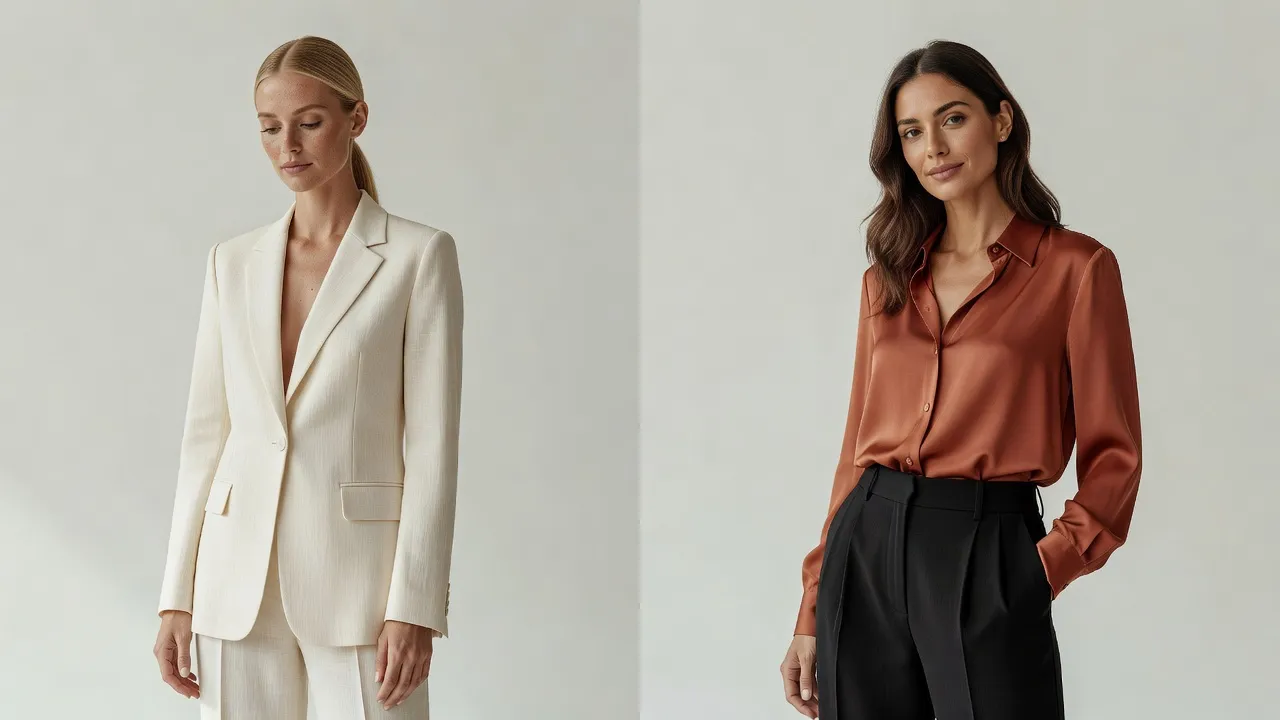
Can a person be pretty without being beautiful?
Yes, a person can easily be pretty without being beautiful because prettiness relies on neat symmetry rather than dramatic presence. A person with delicate features, smooth skin, and a bright smile will consistently read as pretty to almost anyone who looks at them.
However, moving from pretty to beautiful requires a level of intensity or visual intrigue that simple symmetry cannot produce on its own. As noted in psychological research on physical attractiveness hosted by Psychology Today, human visual preference responds quickly to familiar, smooth ratios (prettiness), but lingers significantly longer on high-contrast, rare facial harmony (beauty).
- Symmetry vs. Bone Structure: Prettiness leans on soft balance, while beauty relies on strong architectural cheekbones and chin lines.
- Expressiveness vs. Stature: Pretty faces excel in expressive, animated interactions; beautiful faces retain their impact even in complete stillness.
- Accessibility vs. Distance: Prettiness feels familiar and easy to approach, whereas beauty often carries a cool, striking distance.
If you are working on your personal appearance, learning how to look better as a woman starts with identifying whether your face thrives under soft, pretty accentuations or strong, beautiful lines.
What makes someone beautiful rather than just pretty?
Someone is considered beautiful rather than just pretty when their facial proportions create high visual contrast and an undeniable sense of presence. Prettiness pleases the eye, but beauty captivates the imagination.
Scholars exploring the history of human aesthetics at the Encyclopedia Britannica observe that beauty has historically been linked to harmony mixed with a sense of wonder or power.
[Pretty Features]  + [High Contrast & Presence] = [Beautiful Aesthetic]
(Soft symmetry)      (Sharp bone structure)        (Magnetic depth)
Several key physical and non-physical elements create this shift:
- High Facial Contrast: Sharp definition between eye color, lip tone, and skin shade creates a striking focal point.
- Bone Architecture: Prominent cheekbones, a clear jawline angle, and structured eye sockets add depth that light catches dramatically.
- Poise and Posture: The way a person carries their head and neck creates an aura of quiet authority that soft features alone rarely generate.
- Authentic Radiance: Healthy skin texture and genuine warmth give structured faces an approachable, luminous quality.
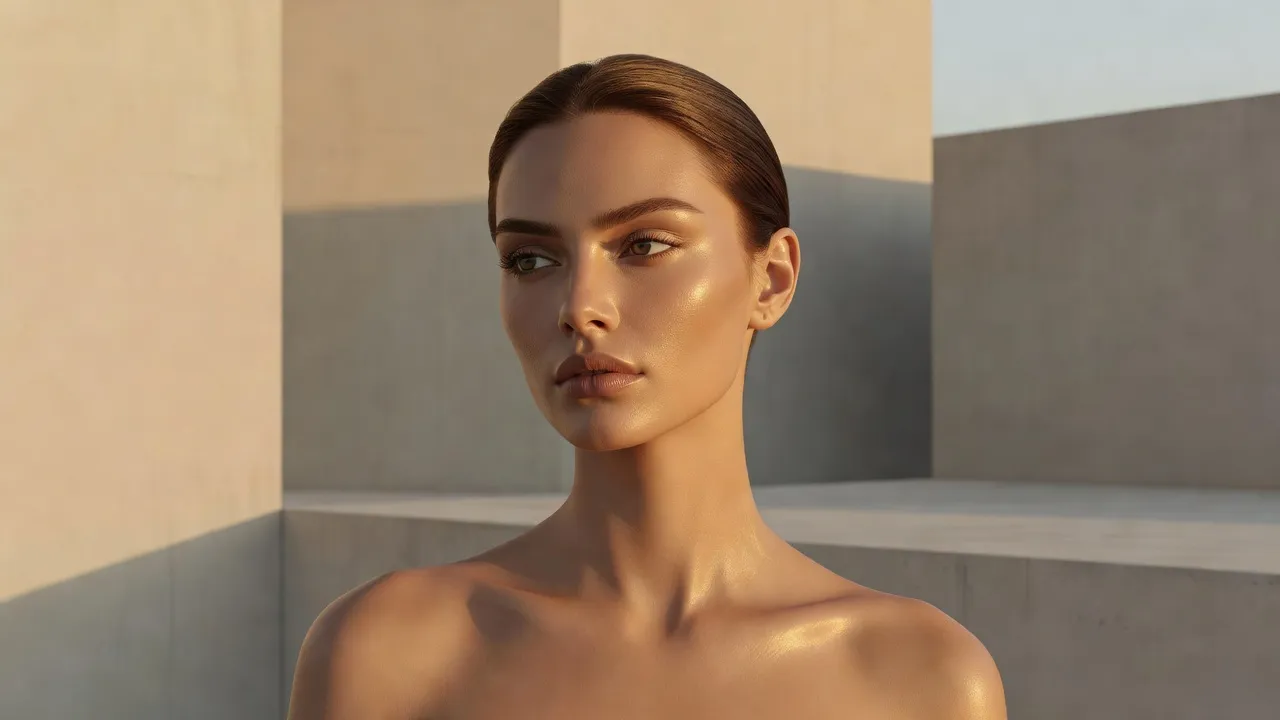
How does AI analyze pretty vs beautiful traits?
AI facial analysis models evaluate pretty versus beautiful traits by measuring geometric ratios, bone contrast, feature arrangement, and surface clarity. Rather than relying on subjective opinions, a computer vision model calculates precise distances between facial landmarks to identify your distinct structural type.
When you upload a photo to an AI face rating tool like the Glow Up & Attractiveness Test app on iOS, the fine-tuned algorithm breaks down your facial scan into key aesthetic categories.
- Symmetry Indices: Checks how closely your left and right facial halves mirror each other (a core indicator of prettiness).
- Proportional Thirds: Measures the balance between your forehead, nose length, and lower jaw area.
- Structural Angles: Identifies jawline sharpness, cheekbone height, and eye spacing (key drivers of a beautiful classification).
- Skin Clarity and Radiance: Scans tone distribution and surface smoothness to gauge vitality and health.
As of August 2026, modern face rating algorithms do far more than assign a simple score. They provide tailored suggestions to help you optimize your unique geometry, whether that means leaning into a soft, doll-like charm or emphasizing structured elegance.
How do cultural standards shift the perception of pretty vs beautiful?
Cultural standards alter the definition of pretty versus beautiful by valuing different facial proportions, skin tones, and overall styling choices. What one culture views as light prettiness, another might celebrate as the pinnacle of striking beauty.
For instance, looking at american beauty standards reveals a strong preference for high contrast, bronzed skin, full lips, and sharp cheekbones (traits strongly tied to the "gorgeous" or "beautiful" end of the scale). By contrast, East Asian aesthetic ideals often prioritize soft jawlines, porcelain clarity, and gentle eyes (traits traditionally associated with prettiness or cuteness).
Key Regional Differences in 2026
- Western Styles: High emphasis on bold features, tanned complexions, sculpted contours, and dramatic presence.
- East Asian Styles: Strong preference for youthful proportions, smooth oval face shapes, minimal texture, and delicate harmony.
- Latin American Styles: Values rich curves, vibrant expressiveness, full hair volume, and high visual contrast.
How do you transition your personal style from pretty to beautiful?
You transition your style from pretty to beautiful by shifting from trend-driven, playful accentuations to timeless, high-contrast, structured choices. While prettiness relies on decorative details, beauty shines through refined simplicity and intentional restraint.
If you feel your current look is pleasant but lacks impact, try these four focused styling updates:
- Simplify Your Makeup Palette: Swap multi-colored eyeshadows and heavy blushes for clean lines, well-defined brows, and a single statement feature (like a sharp winged liner or a rich lip shade).
- Upgrade Your Hair Silhouette: Shift away from messy casual buns toward sleek center parts, soft polished waves, or structured bobs that frame your facial architecture.
- Focus on Tailored Lines in Wardrobe: Choose monochromatic outfits, crisp blazers, and high-quality fabrics that hold their shape over fast-fashion frills and overly busy prints.
- Master Unshakable Facial Composure: Work on your neck alignment and shoulder posture. A tall posture instantly gives softer faces a more commanding, beautiful posture.
Is it better to be called pretty or beautiful?
Neither label is objectively better, as being called pretty highlights warm, approachable charm, while being called beautiful signifies memorable, deep attraction. Which compliment carries more value depends entirely on the context and the personal vibe you wish to project.
| Best for | |
|---|---|
| Pretty | everyday warmth, social ease, and friendly connection |
| Beautiful | formal elegance, striking first impressions, and lasting romance |
In casual settings, being called pretty feels comfortable and sweet. In intimate or grand settings, being called beautiful carries emotional depth. Embracing your natural aesthetic category makes styling far easier than constantly trying to force a look that conflicts with your underlying facial geometry.
Frequently Asked Questions
What is the main difference between pretty and beautiful?
Pretty refers to delicate, youthful facial symmetry and approachable charm, while beautiful describes striking bone structure, deep presence, and captivating elegance.
Is gorgeous higher than beautiful?
Gorgeous usually implies high glamour, vivid color, and high impact, whereas beautiful is a broader, more timeless term that includes quiet elegance and internal grace.
Can someone's appearance change from pretty to beautiful over time?
Yes, as facial bone structure matures and confidence deepens, loss of youthful facial fat often reveals sharper cheekbones and jawlines, shifting a face from pretty to beautiful.
How does AI determine if a face is pretty or beautiful?
AI models scan face photos for proportions, symmetry, jawline angles, and eye-to-lip ratios. Soft, balanced symmetry maps closer to pretty, while strong angles and high contrast score as beautiful.
Can a person be beautiful without wearing makeup?
Yes, beauty relies heavily on underlying bone structure, facial balance, healthy skin, and posture, none of which require cosmetic products to exist.
Why do some people prefer being called pretty over beautiful?
Many people prefer "pretty" because it feels light, sweet, and approachable, whereas "beautiful" can sometimes feel intense, formal, or emotionally weighty.
What features make a face look cute instead of pretty?
Cute features usually include rounder face shapes, larger eyes relative to face size, shorter chins, and highly expressive, playful facial movements.