
Self-esteem is your internal evaluation of your overall self-worth, whereas self-confidence is your trust in your ability to perform a specific task. While self-esteem dictates how worthy you feel of love and respect regardless of performance, self-confidence fluctuates based on your competence, preparation, and external results in a given situation. Understanding this distinction prevents you from using external accomplishments to fix internal insecurity.
What is the core difference between self-esteem and self-confidence?
The core difference between self-esteem and self-confidence centers on internal value versus external performance. According to the American Psychological Association, self-esteem refers to an individual's overall subjective emotional evaluation of their own worth. In contrast, self-confidence is a situational trust in your skills, judgments, and capacity to succeed at a specific endeavor.
You can think of self-esteem as your emotional foundation and self-confidence as the structure you build on top of it. A person with high self-esteem believes they are inherently valuable even when they fail a test or miss a sales target. A person with high self-confidence knows they can pitch a client successfully because they have practiced the presentation twenty times.
When you confuse these two concepts, you risk tying your entire personal value to your latest achievement. Building situational skills will make you more effective, but it will never fix an underlying belief that you are fundamentally flawed.
How do self-esteem, self-confidence, and self-efficacy compare?
Self-esteem measures core worth, self-confidence measures general skill trust, and self-efficacy measures your belief in completing a specific goal under pressure. Psychologists frequently group these terms together, but they address entirely different parts of your mind and behavior.
To see how these concepts function side by side, review the comparative breakdown below.
| Construct / Focus Area | Primary Focus | Main Psychological Risk | How It Is Built | Best Suited Reader |
|---|---|---|---|---|
| Self-Esteem | Overall internal self-worth and self-acceptance. | Fragile value if tied to external praise. | Self-compassion, challenging negative core beliefs, values alignment. | Readers struggling with shame or persistent feelings of inadequacy. |
| Visual Self-Image & Appearance | Objective self-presentation and visual feedback using Glow Up & Attractiveness Test. | Over-indexing on external validation without core self-acceptance. | AI face analysis, personalized grooming routines, aesthetic optimization. | Readers seeking to align their outward appearance with their personal goals. |
| Situational Self-Confidence | General trust in your skills and competence. | Anxiety or avoidance when facing unfamiliar challenges. | Repeated practice, competence building, positive reinforcement. | Readers who feel nervous before public speaking or social events. |
| Self-Efficacy | Specific belief in executing a task under distinct conditions. | Giving up early when immediate progress stalls. | Micro-wins, observing peer modeling, targeted skill mastery. | Readers attempting complex project goals or habits. |
| Self-Compassion | Emotional recovery when facing failure or mistakes. | Rumination and self-criticism during setbacks. | Mindful self-talk, treating oneself like a trusted friend. | Readers who experience perfectionism or severe fear of failure. |
As shown in the comparison table, visual self-image acts as a bridge between your internal self-concept and your external presentation. Improving how you present yourself externally can boost situational confidence, but long-term mental stability requires balancing all four psychological dimensions.
What do most people get wrong about self-esteem and self-confidence?
Most people incorrectly assume that building high self-confidence will automatically produce high self-esteem. As noted in clinical analyses published by Psychology Today, stacking external wins like promotions, public praise, or fitness goals creates a temporary ego boost rather than stable self-worth.
Here are the most common mistakes people make when navigating self-esteem and self-confidence:
- Using achievement as a bandage for low self-worth: Chasing external accolades to quiet an internal voice that says you are not good enough.
- Assuming confident people feel good about themselves: Assuming a charismatic speaker or successful executive does not struggle with severe imposter syndrome behind closed doors.
- Treating self-esteem as a permanent trait: Believing you are simply born with low self-worth rather than recognizing it as a learned pattern of self-talk.
- Expecting confidence without preparation: Demanding that you feel confident about a skill you have never spent time practicing.
When you rely solely on external victories to feel valuable, any minor setback threatens your identity. True emotional stability requires separating what you do from who you are.

Can you have high self-confidence but low self-esteem?
Yes, you can possess exceptionally high self-confidence in specific areas while maintaining low overall self-esteem. This balance is common among elite performers, athletes, and high-earning professionals who trust their technical abilities completely but feel worthless when they step away from work.
For instance, an attorney might feel 100% confident arguing a case in front of a judge because they know the law inside out. Yet, that same attorney might return home believing they are unlovable, using workaholism to escape their internal low self-esteem.
Conversely, someone can have high self-esteem and low self-confidence. You might feel totally secure in your personal worth, yet feel deeply unconfident if asked to fix a broken car engine or speak fluent conversational Spanish on short notice.
How does visual self-image affect your self-confidence?
Your visual self-image directly impacts your situational self-confidence by shaping how you expect the world to perceive you. Research indexed by the National Institutes of Health shows that grooming, physical self-presentation, and perceived attractiveness create an immediate feedback loop that influences social ease and assertiveness.
When you take proactive steps to clean up your style, improve your skin, or optimize your facial presentation, your immediate situational confidence rises. This visual boost gives you the leverage to step into social settings without hyper-fixating on your appearance.
I often tell people that visual tweaks are the fastest way to build initial momentum. While changing your style will not fix childhood trauma, looking in the mirror and feeling satisfied with your presentation removes unnecessary social friction instantly.
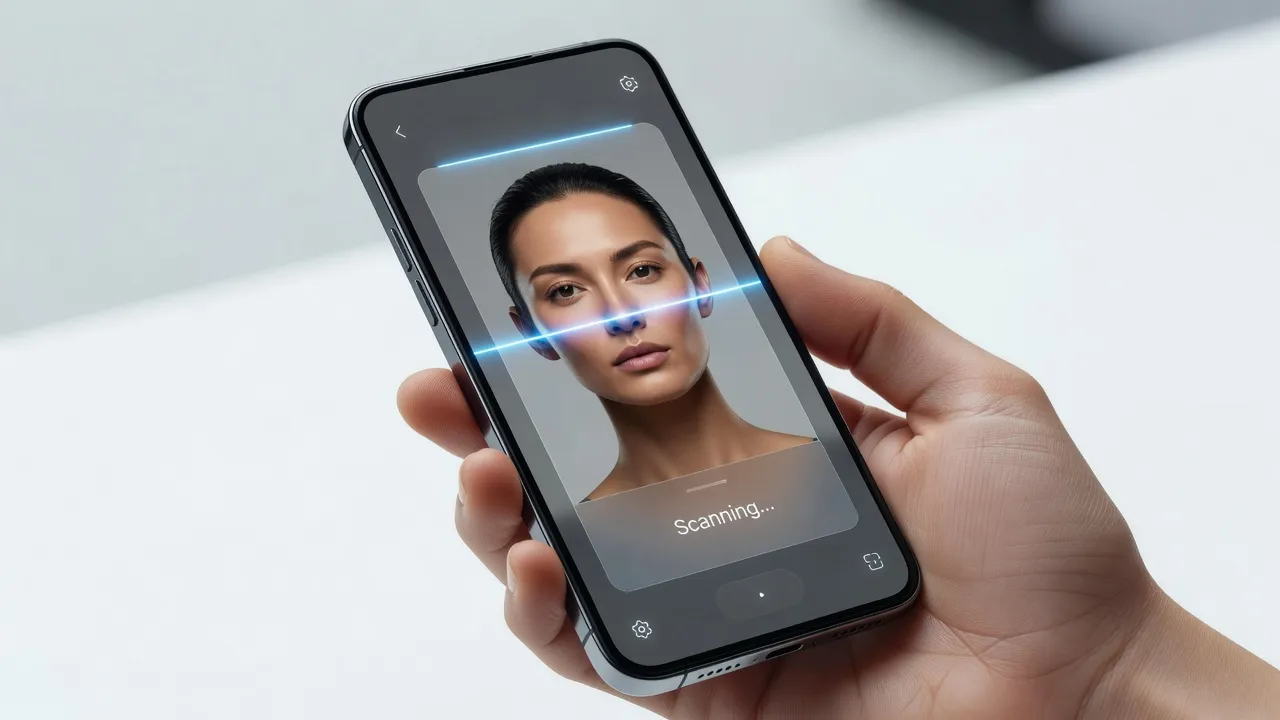
If you want an objective baseline for your visual self-presentation, using the Glow Up & Attractiveness Test app allows you to analyze your face structure and visual traits clearly. The app provides a detailed face analysis from a fine-tuned AI model, gives you a personalized face rating score, and provides a customized glow up guide with tailored tips to beautify your look.
How do you diagnose your self-esteem versus your self-confidence?
You can diagnose whether your issue stems from low self-esteem or low self-confidence by examining your reaction to criticism and failure. Low self-confidence causes specific task anxiety, while low self-esteem triggers global shame about your core identity.
To identify which area requires your attention, compare these diagnostic indicators:
-
Signs of Low Self-Confidence:
- You avoid taking on new tasks because you doubt your technical skills.
- You feel intense physical nervousness before performing or presenting.
- You feel better as soon as you practice a task or gain experience.
- You can admit when you do not know how to do something without feeling like a failure.
-
Signs of Low Self-Esteem:
- You view minor mistakes as proof that you are fundamentally broken.
- You struggle to accept genuine compliments from friends or colleagues.
- You continuously compare your worth to people around you.
- You rely on constant external approval to feel okay about your life.
If your anxiety disappears once you learn a skill, you are dealing with a self-confidence gap. If your anxiety persists even after you win awards and receive praise, you are dealing with a self-esteem gap.
How do you build high self-esteem and high self-confidence step-by-step?
Building both traits requires a two-track approach: internal cognitive restructuring for self-esteem, and external competence-building for self-confidence. As of September 2026, modern behavioral therapy frameworks emphasize combining daily self-compassion practices with small, measurable skill progressions.
Follow this four-step strategy to develop both sides of your self-concept simultaneously:
Step 1: Separate your performance from your core identity
Stop using language that conflates mistakes with your worth. Instead of saying "I am terrible at public speaking," say "I am still developing my public speaking skills."
Remind yourself daily that your value as a human being is static. Your skills fluctuate based on effort, but your baseline right to exist and respect does not change when you make an error.
Step 2: Stack small, verifiable competence wins
Confidence grows when your brain sees hard proof that you can execute a task. Pick one specific skill you want to master and break it down into daily actions that take less than fifteen minutes.
If you want confidence in your appearance, start with actionable habits like building a daily skin routine or consulting a custom guide. Reading through lists like quotes for self confidence can offer quick mental resets, but real transformation requires pairing mindset work with clear physical habits.
Step 3: Practice self-compassion during setbacks
Clinical research from Harvard Health Publishing indicates that harsh self-criticism undermines motivation and damages core self-esteem over time. When you make a mistake, speak to yourself with the same straightforward encouragement you would offer a close friend.
Ask yourself what went wrong objectively without adding emotional insults. Focus entirely on what you can adjust during your next attempt.
Step 4: Seek objective feedback over emotional assumptions
Your brain often distorts how you look and perform based on your current mood. Replacing subjective worries with objective data keeps your self-assessment grounded in reality.
For visual confidence, tools like a face rating ai remove emotional second-guessing by giving you structured analysis. Realizing that beauty is subjective allows you to use objective visual analysis as a fun optimization tool rather than a judgment of your human worth.
If you are ready to refine your visual self-presentation while working on your internal confidence, I recommend downloading the Glow Up & Attractiveness Test to receive tailored grooming tips and explore your aesthetic potential today.
Frequently Asked Questions
Which is more important, self-esteem or self-confidence?
Self-esteem is more important for long-term mental health because it provides emotional stability regardless of your external circumstances. Self-confidence helps you achieve goals and master tasks, but without self-esteem, achievements will not make you happy.
Can you build self-esteem without external success?
Yes, you can build self-esteem without external success by practicing self-compassion, aligning your actions with your core values, and eliminating harsh internal self-criticism. Self-esteem is based on self-acceptance rather than trophies or praise.
Why do I lose self-confidence after a single failure?
You lose self-confidence after a single failure when your self-esteem is fragile and tied directly to your performance. When you separate your identity from your results, a failure becomes useful feedback rather than an attack on your character.
How long does it take to improve low self-esteem?
Improving low self-esteem typically takes several months of consistent cognitive practice, mindful self-talk, and behavioral adjustments. Because self-esteem involves rewiring deep-seated beliefs about your worth, progress occurs gradually through daily habits.
Does improving physical appearance raise self-esteem or self-confidence?
Improving physical appearance primarily raises situational self-confidence by easing social anxiety and providing positive feedback. It can support self-esteem secondarily if taking care of your body helps you practice self-respect, but physical changes alone will not heal deep internal insecurities.
Can narcissism be caused by low self-esteem?
Yes, clinical psychology shows that narcissism is often a defensive reaction to deep-seated low self-esteem. Individuals build a grand public persona and high outward confidence to hide a fragile internal belief that they are worthless.