
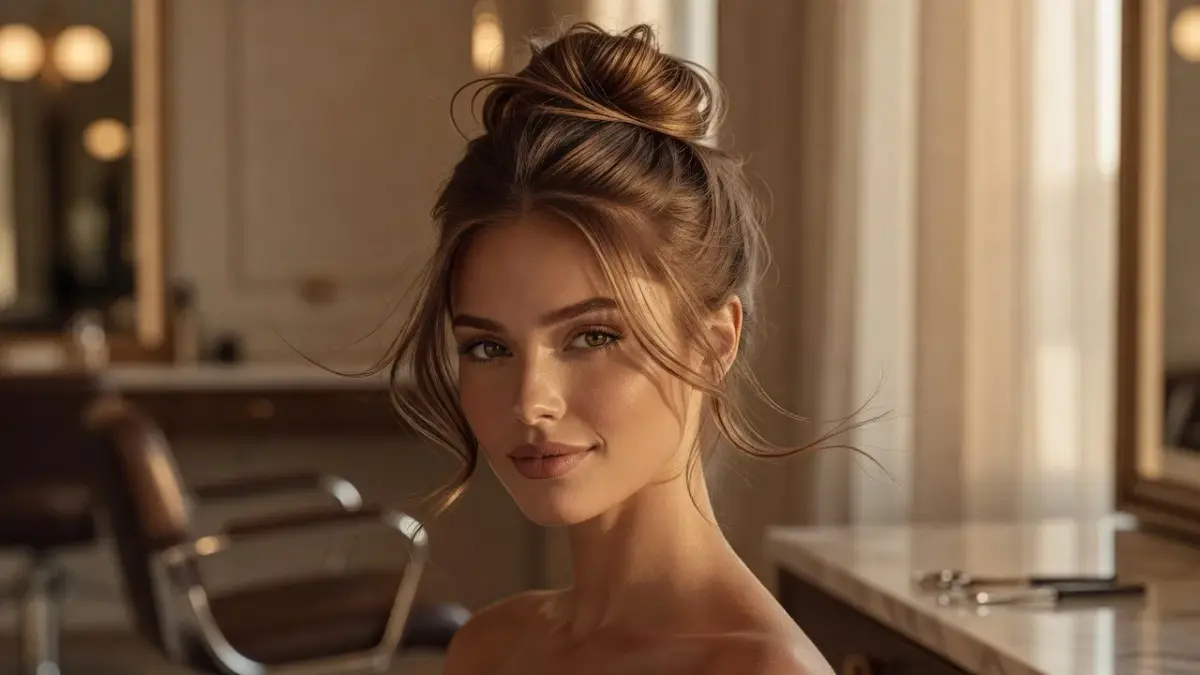
Face-framing tendrils are soft, isolated strands of hair pulled free from an updo, bun, or ponytail to frame the face, taking under 5 minutes to style using a lightweight texturizing spray and a low-heat tool. When cut precisely between the cheekbones and jawline, these tendrils soften sharp features, balance face proportions, and turn a basic updo into a deliberate, polished look.
Styling the perfect pair of tendrils comes down to your natural hair texture and facial symmetry. Before taking a hot tool or scissors to your front sections, downloading the Glow Up & Attractiveness Test app ($9.99/week) provides a detailed facial analysis using AI, helping you see how front strands interact with your specific bone structure. Understanding how hair contours your individual features—especially when assessing your planes of the face—ensures you pick a tendril length that highlights your best angles.
Face-Framing Tendrils Styling at a Glance
| Step Number & Name | Key Styling Goal | Realistic Time | Required Tools & Products |
|---|---|---|---|
| Step 1: Sectioning | Isolate symmetrical hairline strands | 1 minute | Rat-tail comb, sectioning clips |
| Step 2: Thermal Prep | Protect cuticles and add grip | 1 minute | Thermal protectant, texturizing spray |
| Step 3: Shaping | Direct hair movement outward/inward | 2 minutes | 1-inch flat iron or foam roller |
| Step 4: Locking | Secure hold without stiff crunch | 1 minute | Flexible hairspray, hair oil |
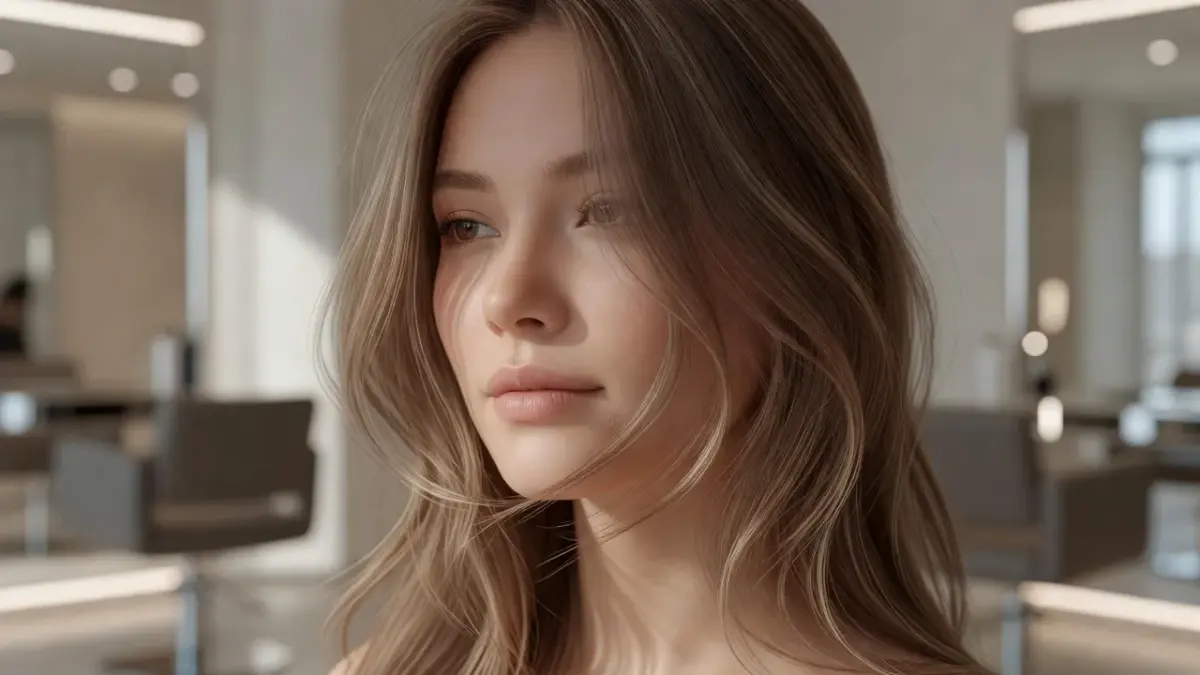
Step-by-Step: How to Style Symmetrical Face-Framing Tendrils
Achieving bouncy, intentional tendrils that stay in place all day requires four basic steps. Follow this exact sequence to avoid limp strands or unwanted frizz.
Step 1: Isolate front sections using a rat-tail comb
Start with your hair styled in your chosen base look (a high ponytail, claw clip updo, or sleek bun), then use the pointed tail of a comb to pull out twin strands from your front hairline.
- Density check: Keep strands thin. A section roughly 1/4-inch wide on each side creates a soft frame without looking like heavy front bangs.
- Positioning: Pull strands from the space directly above your temples or just in front of your ears.
- Symmetry test: Check your profile in the mirror. If one strand sits thicker than the other, push extra hair back into your hair tie using a touch of pomade. If you have an inverted triangle shape face, pulling tendrils slightly closer to the temples widens the eye region naturally.
Step 2: Prep the hair with heat protectant and texturizing mist
Never apply direct heat to loose tendrils without a protective barrier, as front hairline hair is finer and burns easily.
- Spray a mist of heat protectant 6 inches away from the strands.
- Lightly mist a dry texturizing spray onto the ends. Freshly washed hair lacks the friction needed to hold a bend. Texturizing spray supplies immediate grit so the style does not fall flat within an hour.
Step 3: Curve the strands away from your face
Position your flat iron or curling wand at mid-shaft and roll the hair backward toward your ears rather than inward toward your nose.
- Clamp your iron near the root, turn the barrel 180 degrees away from your face, and glide down through the ends in one smooth 3-second motion.
- Temperature setting: Keep heat beneath 320°F (160°C). Front hairline strands are fragile and break easily under high heat.
- Direction: Turning heat tools away from the center opens up your facial features, whereas curling inward boxes in your face shape.
Step 4: Set with flexible-hold spray and break up the wave
Allow the heated strands to cool completely for 30 seconds before touching them, then gently comb through with your fingers.
- Mist a flexible-hold hairspray over the strands.
- Avoid firm-hold helmet sprays. They freeze hair into stiff, unnatural sticks.
- Rub a single drop of hair oil between your fingertips and pinch the tips of your tendrils. This seals split ends and gives the hair a natural, healthy shine.
How do you ask a hairstylist for face-framing tendrils?
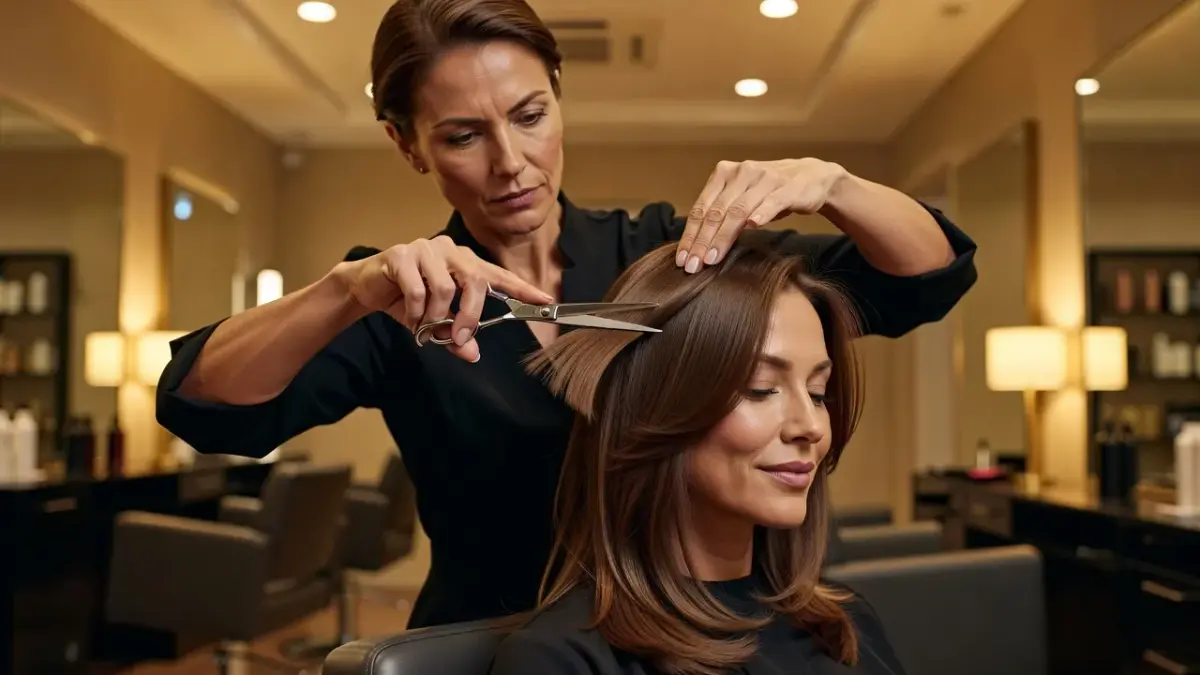
To get perfect face-framing tendrils, ask your stylist for soft, slide-cut face layers that start at your lip or chin line and blend seamlessly down into your length. Bring 2-3 reference photos showing front hair movement both pulled back and down.
Communication is key when sitting in the chair. Stylists cut hair dry or wet, and wet hair shrinks significantly as it dries.
Here is exact phrasing you can use during your consultation:
- "I want light face-framing layers that can be pulled down as tendrils when my hair is up in a claw clip."
- "Please keep the shortest piece level with the bottom of my chin so it doesn't bounce up into a short fringe."
- "Use point-cutting on the ends so the tips look soft and wispy rather than blunt."
According to professional hair history documented on Wikipedia's Layered Hair guide, slide-cutting creates a tapered edge that prevents hair from clumping into heavy blocks. Asking for tapered ends keeps your tendrils light enough to swing naturally.
What products and techniques make face-framing tendrils hold all day?
Holding face-framing tendrils all day requires balancing lightweight moisture with micro-fine texturizing polymers that resist humidity. Because tendrils touch your skin constantly, facial oils break down traditional hairsprays quickly.
To lock in hold without greasy buildup, follow this formula:
- Blot skin oil first: Dab your temples and cheeks with oil-blotting paper before releasing front hair strands.
- Apply dry shampoo at the root: Spray a light dusting of dry shampoo right at the hairline root to absorb sweat throughout the day.
- Finish with a flexible hairspray: Use a micro-diffused aerosol spray rather than a wet pump spray.
According to scalp health guidelines from the American Academy of Dermatology, heavy hair styling products applied frequently around the hairline can plug forehead pores and cause acne breakouts. Stick to non-comedogenic texturizing sprays around your face.
If you are looking for customized advice on which hairstyles match your specific facial features, checking out Glow Up & Attractiveness Test can guide your daily styling routine. The platform analyzes your photo to offer personalized beautification tips, ensuring your hair styling choices highlight your natural symmetry.
How do curtain bangs factor into face-framing tendrils styling?
Curtain bangs act as built-in, pre-cut face-framing tendrils whenever you pull the rest of your hair back into an updo. Because curtain bangs feature an arched shape—shorter in the middle and longer on the sides—they drop out naturally around your cheekbones.
The table below outlines how curtain bangs differ from classic cut tendrils when styling up-dos:
| Feature | Dedicated Face-Framing Tendrils | Curtain Bangs Styled as Tendrils |
|---|---|---|
| Shortest Length | Chin or jawline level | Middle of nose or cheekbone |
| Styling Effort | Minimal (quick flat iron flick) | Moderate (requires round brush blowout) |
| Updo Integration | Easy to pin completely away | Sweeps outward automatically |
| Face Shape Match | Ideal for lengthening round faces | Ideal for shortening long face shapes |
If you already have curtain bangs, you do not need to cut separate tendrils. Simply pull your hair up into a high bun, allow the outer wings of your curtain bangs to fall free, and shape them outward with a round brush or thermal roller. Thick, straight hair can also try a hush cut or other face framing layers for similar framing.
What cutting techniques create face-framing tendrils?
Professional stylists create seamless face-framing tendrils using slide-cutting, point-cutting, and razor-tapering techniques. These methods strip weight out of the hair ends without shortening the main perimeter.
| Technique | Method | Result |
|---|---|---|
| Slide Cutting | Scissors glide down hair shaft | Soft, tapered fringe |
| Point Cutting | Scissors snip vertically into tips | Feathered texture |
| Razor Cutting | Feathery razor strokes along edge | Wispy, airy movement |
- Slide Cutting: The stylist holds shears partially open and glides them down the inner section of the strand. This creates a gradual slope from short to long.
- Point Cutting: The stylist holds the hair section outward and cuts vertically into the tips. This removes blunt horizontal lines, letting the tendril end in a feathery point.
- Razor Cutting: Using a guarded razor blade, hair ends are shaved down at an angle. This works wonderfully for straight or wavy hair, but should be avoided on tight curls to prevent frizz.
If you like to track how changes to your hairstyle alter your facial silhouette, reviewing your face side profile in photos before and after a fresh cut will show you how soft layers add depth to your profile.
What heatless or overnight methods style tendrils to last all day?
You can style long-lasting tendrils without heat damage by wrapping damp front strands around mini silk scrunchies, foam rods, or pin curls overnight. Heatless styling preserves moisture within the hair shaft, making the hair far less prone to split ends and humidity frizz.
Pin Curling (Best for Short Tendrils)
- Dampen your front strands lightly with water as of October 2026 standards for heat-free styling.
- Roll the strand upward around your index finger until it hits your scalp.
- Secure the coil flat against your head using a metal duckbill clip.
- Unclip in the morning, comb through, and mist with light hairspray.
Mini Silk Scrunchie Twist (Best for Long Tendrils)
- Split your front tendrils into two halves.
- Mist lightly with leave-in conditioner.
- Twist each section away from your face into a tight coil.
- Wrap the coil into a mini bun above your ear and lock it with a small silk scrunchie while sleeping.
According to historical research published on Wikipedia's Hair Care entry, reducing thermal heat exposure maintains the structural integrity of hair keratin fibers. Heatless curls protect delicate front hairline strands from heat breakage over time.
What is the 'money piece' approach to face-framing tendrils?
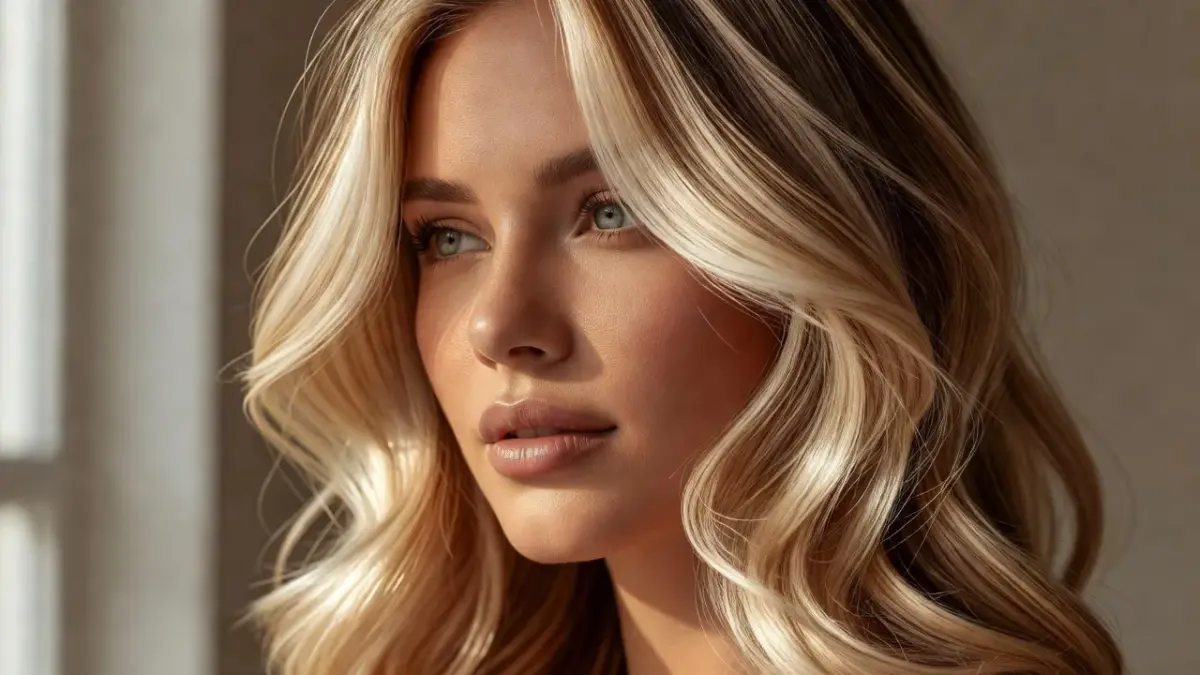
The 'money piece' approach pairs face-framing tendrils with a high-contrast color technique, lifting the front strands 2 to 4 shades lighter than the rest of the hair. This visual contrast brightens your complexion and draws immediate attention to your eye color.
- Balayage Money Piece: Hand-painted highlight strands that start softly near the root and get brighter toward the ends.
- 90s High Contrast: Bold, solid block highlights framing the face, popularized in retro revivals.
- Babylights Frame: Ultra-thin, woven highlights that blend subtly into darker hair for a sun-kissed look.
When combining a money piece dye job with tendrils, keep your tone aligned with your skin undertones. Warm gold tones flatter olive skin, while cool platinum tones complement cool pink skin tones.
Frequently Asked Questions
What are face-framing tendrils?
Face-framing tendrils are thin, isolated sections of hair left out of an updo or ponytail to fall soft along the cheeks and jawline.
How do I stop my tendrils from looking greasy by midday?
Apply dry shampoo to your roots right after styling and blot facial oil off your cheeks before letting strands touch your face.
What is the best length for face-framing tendrils?
The ideal length sits between the cheekbone and the collarbone, depending on whether you want to widen or elongate your face shape.
Can I get face-framing tendrils if I have curly hair?
Yes, curly tendrils add incredible texture to updos; cut them dry so you can accurately gauge where the curl pattern bounces up.
How do tendrils differ from regular bangs?
Tendrils are thin side strands pulled down intentionally from updos, whereas regular bangs cover the forehead horizontally.
Do face-framing tendrils work on short hair?
Yes, bob and lob haircuts can pull front side strands out behind the ears to create short, cheekbone-skimming tendrils.
Should face-framing tendrils be curled inward or outward?
Curling tendrils outward away from your face opens up your features, while curling inward closes off your face profile.
Final Thoughts on Mastering Face-Framing Tendrils
Framing your face with soft strands remains one of the fastest, most effective ways to upgrade your everyday updo. As of October 2026, soft tendrils combined with low-heat methods offer an easy path to effortless elegance without exposing hair cuticles to severe damage.
If you are eager to elevate your look further, analyzing your facial symmetry with the Glow Up & Attractiveness Test provides tailored insights into hair styling, makeup placement, and facial proportions. Elevate your natural features by picking hair lengths that bring out your absolute best self.