
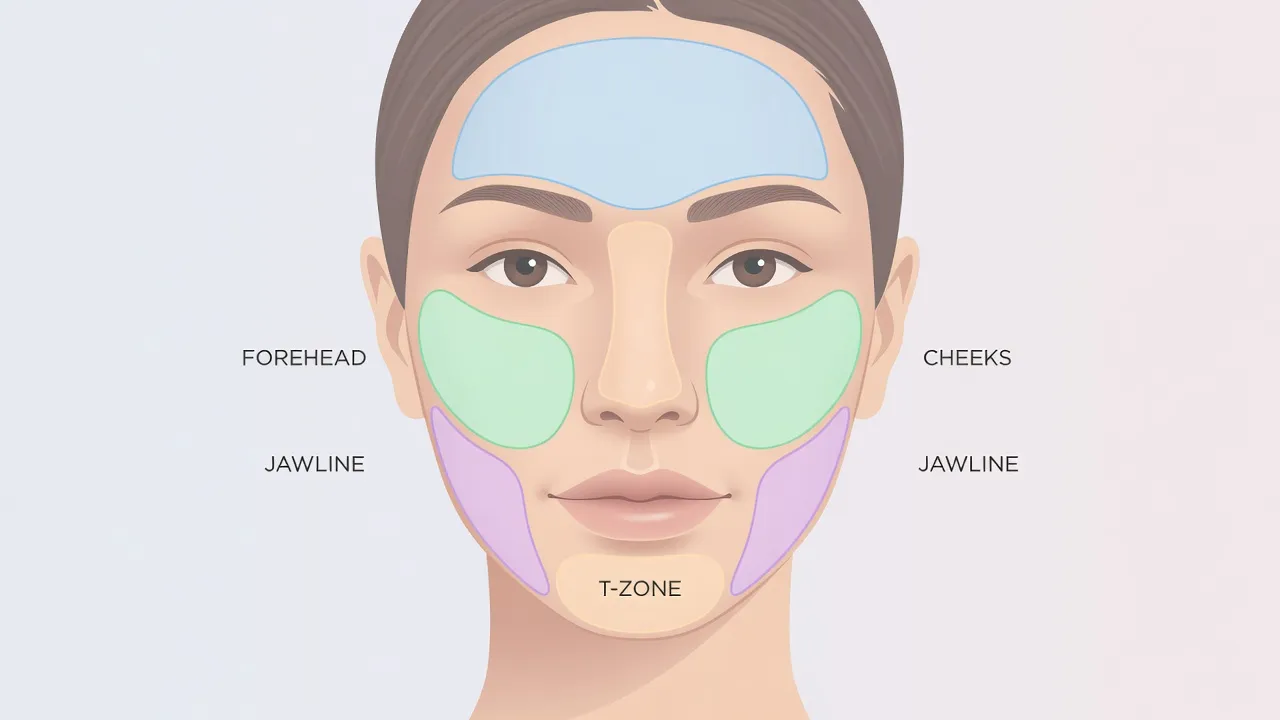
Face mapping of acne is an ancient diagnostic approach - rooted in Traditional Chinese Medicine and Ayurveda - that correlates specific breakout locations on your face with internal organ health, systemic inflammation, or external habit triggers. While traditional practices view a pimple on your forehead as a digestive signal, modern medical dermatology reinterprets these same patterns through follicular density, hormone distribution, and mechanical friction. Understanding both perspectives gives you a clear blueprint to diagnose what your skin is trying to tell you.
Skin health is rarely isolated to what you put on your surface layer. The location of recurring blemishes often reveals whether you are dealing with local bacterial buildup, fluctuating androgen levels, or physical contact triggers like dirty pillowcases and phone screens.
What is face mapping of acne and where does it come from?
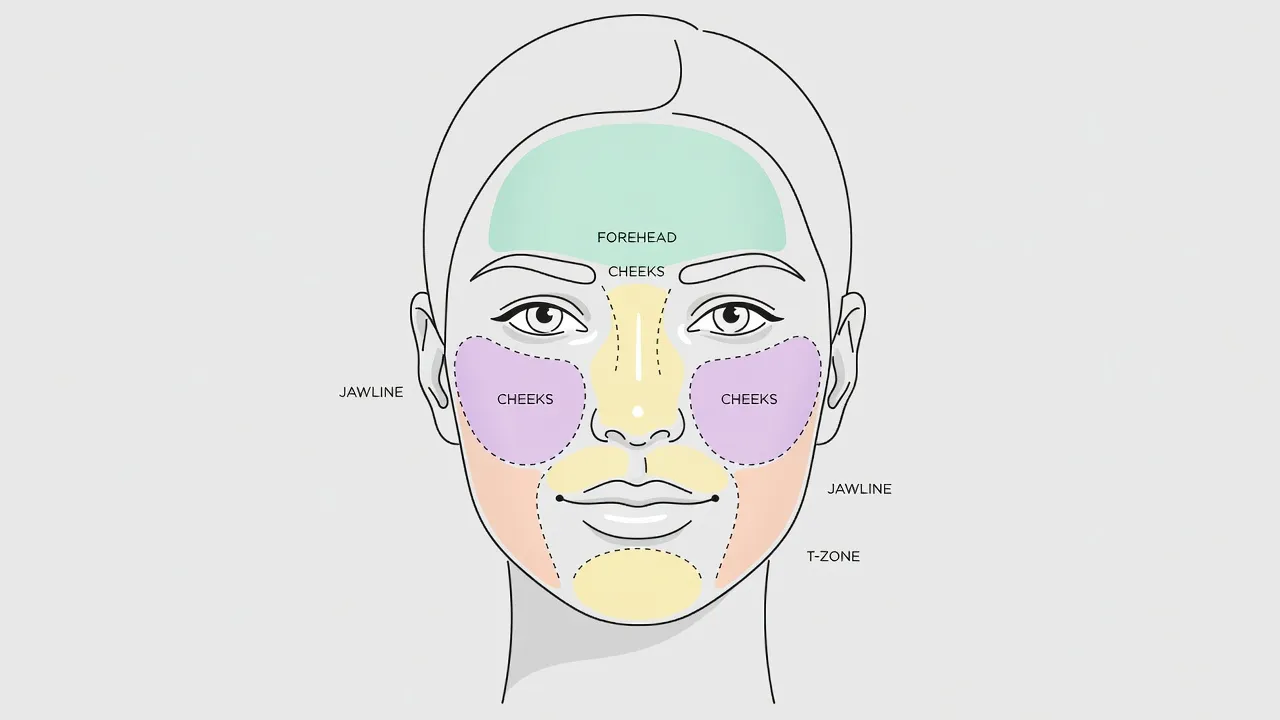
Face mapping of acne, historically known as Mien Shiang or face reading, is a technique that divides the human face into distinct diagnostic zones reflecting internal bodily systems. Dating back over 3,000 years, Eastern medical traditions believed that energy paths, or meridians, connect organs like the liver, stomach, and kidneys directly to facial tissue.
In ancient practice, a persistent lesion in one area signaled an imbalance in its corresponding internal organ. For instance, skin practitioners believed the cheeks represented the lungs and respiratory health, while the chin reflected the reproductive system.
Modern dermatologists view facial mapping through a different, evidence-based lens. According to research published by the National Center for Biotechnology Information, facial acne occurs primarily where sebaceous (oil) glands are most dense and sensitive to hormonal signals. While modern medicine rejects the idea that a forehead pimple means your liver is failing, it acknowledges that distinct facial regions experience unique physiological pressures.
How does traditional face mapping divide the zones of your face?
Traditional face mapping categorizes blemishes into four primary zones: the forehead and hairline, the cheeks, the chin and jawline, and the nose or T-zone. Each quadrant points toward specific biological processes and environmental habits that trigger pore blockages.
Forehead and hairline breakouts
Breakouts along your upper forehead and hairline usually stem from digestive strain, elevated stress levels, or heavy hair products. In traditional face mapping, the forehead links directly to the digestive system and small intestine, suggesting poor diet or inadequate water intake.
Modern dermatologists refer to hairline breakouts as "acne cosmetica." Heavy oils, pomades, and dry shampoos migrate from your scalp onto adjacent skin, trapping dead skin cells inside pores. Cortisol spikes from chronic stress also trigger localized sebum production across the entire upper third of your face.
Cheek breakouts
Cheek pimples are typically caused by respiratory exposure, surface bacteria transfer, or dietary sugar spikes. Traditional maps associate the right cheek with lung capacity and the left cheek with liver energy.
The modern explanation is much simpler: mechanical contact. Your cheeks suffer the highest amount of physical contact throughout the day. Touching your face, holding a bacteria-laden smartphone against your cheek, or sleeping on an unwashed pillowcase transfers microbes instantly into open pores.
Chin and jawline breakouts
Acne clustered along the lower third of your face is almost always driven by hormonal fluctuations and elevated androgen production. Traditional mapping linked this zone to the kidneys and reproductive organs.
Modern endocrinology validates this connection. As documented by the American Academy of Dermatology, adult female acne overwhelmingly concentrates along the jawline and chin. Surges in circulating androgens stimulate oil glands in this region, which possess a higher concentration of hormone receptors than the rest of the face.
T-zone and nose breakouts
The T-zone - encompassing the forehead, nose, and central chin - breaks out primarily due to hyperactive oil production and cardiovascular circulation factors. Traditional mapping connects the tip of the nose to heart health and blood pressure.
Dermatology focuses on pore density here. The nose contains the largest sebaceous glands on the face. Excess sebum mixes with Cutibacterium acnes bacteria inside dilated pores, creating blackheads and inflammatory papules faster than on flatter facial regions.
Does medical science back up acne face mapping?
Medical science validates specific patterns of face mapping - particularly hormonal jawline acne and hairline contact dermatitis - but refutes the idea that individual pimples diagnose internal organ failure. Clinical dermatology focuses on anatomical facts: oil gland distribution, androgen sensitivity, and external contact.
To understand where ancient theory aligns with modern science, examine how traditional zones translate to verified dermatological triggers:
| Facial Zone | Traditional Chinese Medicine Theory | Modern Dermatological Trigger | Scientific Validation Level |
|---|---|---|---|
| Upper Forehead | Small Intestine & Bladder imbalance | Pomade friction, sweat retention, hats | High (Mechanical / Cosmetic) |
| Nose & Bridge | Heart & Blood Pressure issues | High sebaceous gland density, excess oil | Moderate (Anatomical) |
| Mid Cheeks | Lung inflammation & Stomach heat | Bacterial transfer (phones, pillowcases) | High (Bacterial Transfer) |
| Lower Jawline | Reproductive organ strain | Androgen sensitivity, hormonal cycles | Very High (Endocrine Driven) |
As shown above, while the ancient internal mechanisms differ from modern findings, the physical locations identified by historical practitioners often match areas prone to specific external or endocrine pressures.
What is the main variable that determines your breakout location?
The single variable that determines where you break out is whether your acne is driven by systemic biological factors or surface-level mechanical habits. Identifying which side of this divide your skin falls on dictates your treatment strategy.
If your breakouts are systemic, no amount of face washing will fix the root cause:
- Endocrine sensitivity: Hormonal shifts during menstrual cycles or elevated testosterone increase oil production along the lower face.
- Systemic inflammation: Diets high in refined carbohydrates and high-glycemic foods spike insulin-like growth factor 1 (IGF-1), leading to widespread facial breakouts.
- Gut microbiome health: Emerging clinical studies show a strong gut-skin axis, where systemic inflammation from digestive distress manifests as reactive skin lesions.
Conversely, mechanical acne is purely external and highly localized:
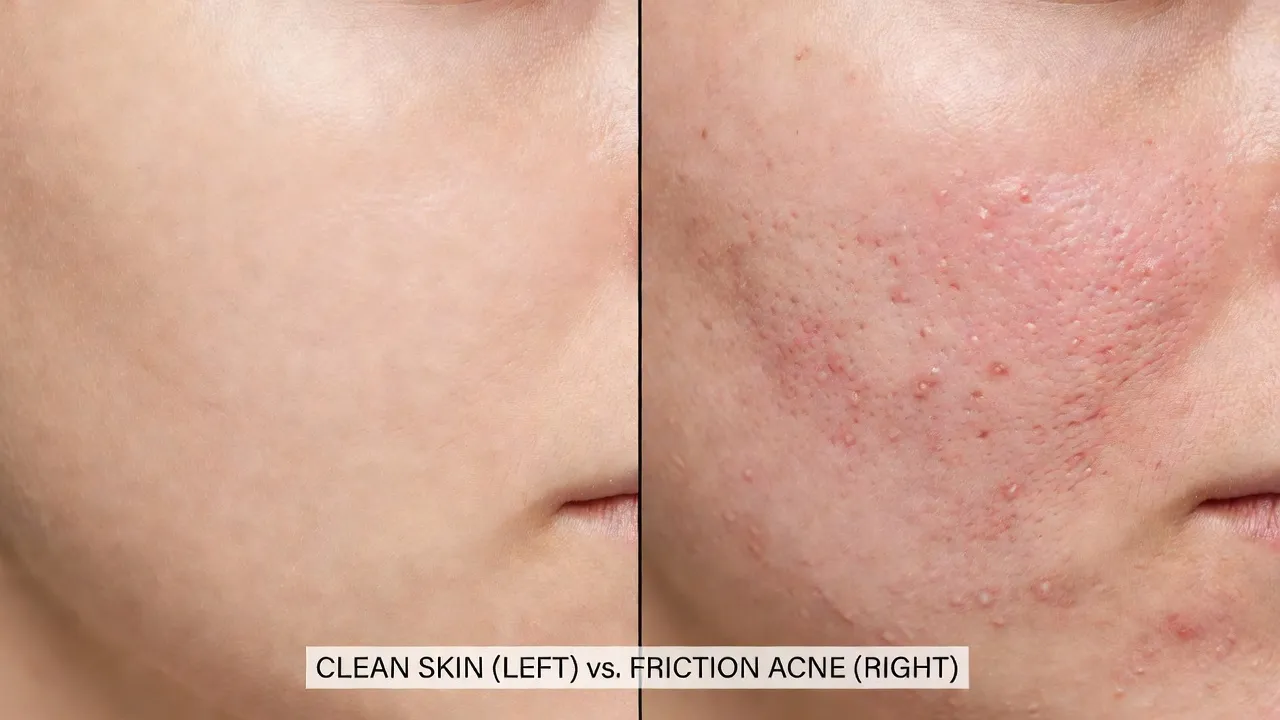
- Frictional pressure (Acne Mechanica): Wearing chin straps, tight helmets, or protective face masks creates localized heat and occlusion.
- Pore-clogging ingredients: Comedogenic ingredients in heavy creams, sunscreens, or makeup cause localized blackheads where applied.
- Hygiene transfer: Infrequently cleaned makeup brushes or touching your face while working at a desk directly deposits bacteria onto specific zones.
If you are exploring broader facial balance and working on how to look better as a woman, isolating whether your breakouts are systemic or mechanical is the critical first step toward lasting clarity.
How can digital face analysis help track skin health?
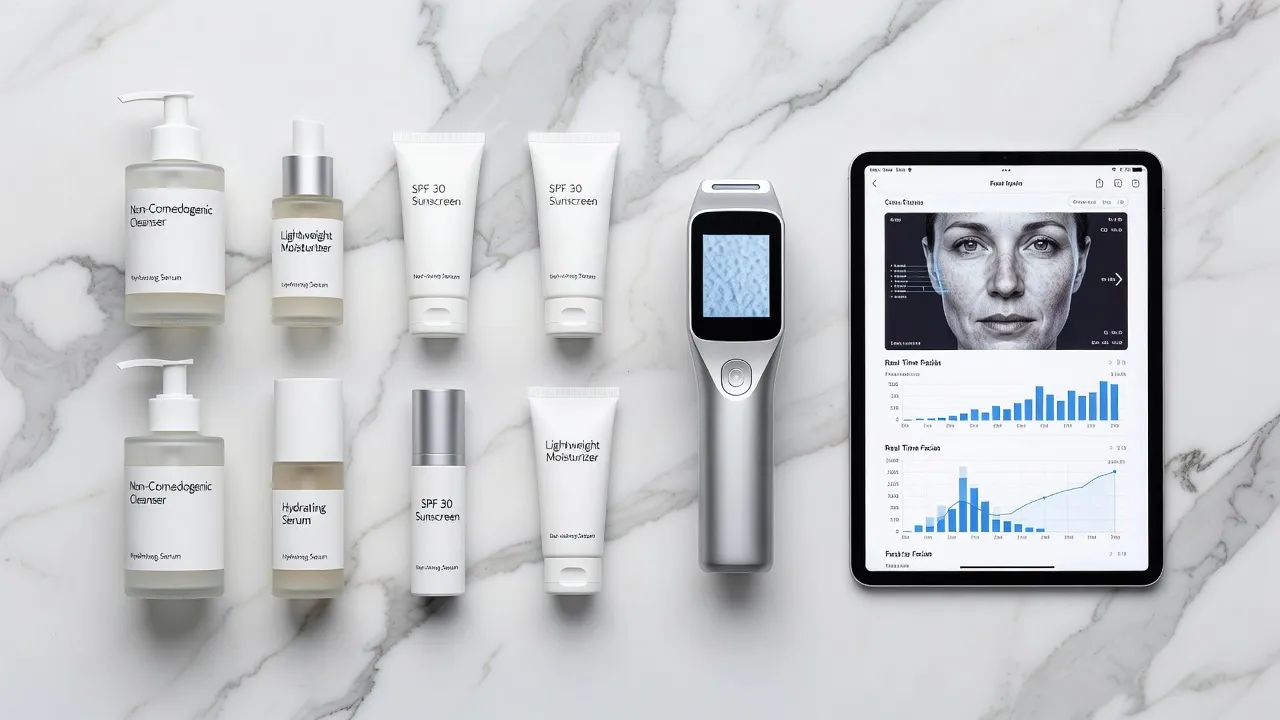
Digital face analysis utilizes high-resolution image processing and AI pattern recognition to map facial regions, evaluate skin texture, and track localized skin clear-ups over time. Instead of relying on manual mirror checks, smart camera systems measure symmetry, surface texture, and inflammation markers across your exact facial geography.
Modern digital tools bridge the gap between aesthetic tracking and overall facial wellness. A comprehensive AI analysis offers several clear advantages:
- Objective skin tracking: AI models eliminate lighting inconsistencies to confirm if your jawline treatment is actually reducing lesion counts.
- Symmetry and texture mapping: Advanced mapping highlights subtle swelling, inflammation, and structural imbalances that affect your overall aesthetic appearance.
- Personalized visual feedback: Seeing real-time changes in your facial proportions as inflammation subsides helps you refine your daily routine.
If you are curating a holistic beauty routine or attempting looksmaxxing for women, monitoring your skin structure with precision technology gives you clear data on what strategies produce real visual results.
This is where the Glow Up & Attractiveness Test app becomes a powerful daily companion. Designed specifically as an all-in-one aesthetic analysis tool for women, it allows you to snap a simple selfie and receive an instant, AI-powered rating score along with a detailed facial break-down.
Beyond simply scoring facial balance, the app provides tailored tips to elevate your look, helping you monitor how clearer skin and reduced facial inflammation improve your overall facial harmony. You can even download the app directly on the Apple App Store to start tracking your visual transformation today.
How should you adjust your skincare based on breakout location?
Adjusting your skincare based on breakout location requires applying targeted active ingredients to specific facial zones rather than treating your entire face with a single harsh product. Targeted zone therapy prevents unnecessary irritation on drier parts of your skin while aggressively treating congested areas.
Here is how to adapt your regimen according to your face map:
- For forehead and T-zone acne: Incorporate leave-on Salicylic Acid (BHA) treatments at 2% concentration. BHAs are oil-soluble, allowing them to penetrate deep inside the large pores of your nose and forehead to dissolve trapped sebum.
- For cheek acne: Focus on barrier repair and strict surface hygiene. Switch to fragrance-free, non-comedogenic moisturizers, swap your pillowcases every two days, and clean your smartphone screen daily with alcohol wipes.
- For jawline and chin acne: Apply topical retinoids (such as Adapalene or over-the-counter retinol) consistently to accelerate cell turnover. For stubborn hormonal cysts, consult a dermatologist regarding prescription treatments like Spironolactone or oral contraceptives.
Evaluating your overall facial aesthetics through an attractive face test often reveals that clearing up localized jawline or cheek acne dramatically sharpens your natural contour and highlights your features.
Frequently Asked Questions
Can acne face mapping accurately diagnose stomach or liver disease?
No, acne face mapping cannot accurately diagnose organ disease. While traditional medical systems associated facial zones with internal organs, modern dermatological research proves that facial acne is caused by local sebum production, bacterial infection, dead skin accumulation, and hormonal sensitivity.
Why do I only get acne on one side of my face?
Breakouts restricted to one side of your face are almost always caused by external contact habits. Common causes include holding your mobile phone against that cheek, sleeping predominantly on one side of a dirty pillowcase, or resting your hand on your jaw during the day.
Is jawline acne always hormonal?
Jawline acne is overwhelmingly driven by hormonal fluctuations, particularly increased androgen activity that stimulates oil glands in the lower face. However, tight clothing, helmet straps, and heavy scarves can also cause mechanical breakouts along the jaw.
How long does it take to clear zone-specific acne?
Targeted topical treatments like salicylic acid and retinoids typically require 6 to 8 weeks of continuous use to show visible reductions in localized acne. Hormonal treatments targeting jawline acne may take up to 3 to 4 months to yield full results.
Does diet affect forehead acne according to modern science?
Modern science shows that high-glycemic diets and dairy consumption can elevate systemic blood sugar and insulin levels, leading to increased overall oil production. However, diet causes generalized facial inflammation rather than targeting the forehead exclusively.
What is the difference between acne mechanica and hormonal acne?
Acne mechanica is caused by physical heat, friction, and pressure against the skin, usually occurring where hats, straps, or collars touch your face. Hormonal acne originates internally from endocrine fluctuations and typically presents as painful, deep cysts along the chin and jawline.
Can hair products cause acne on the forehead and temples?
Yes, hair products frequently cause acne on the forehead and temples, a condition known as acne cosmetica. Heavy oils, silicones, and waxes in conditioners and styling products seep onto nearby facial skin and block pores.