

A light skin face aesthetic in modern dermatology focuses on achieving uniform skin tone, reducing hyperpigmentation, and maximizing epidermal radiance rather than altering natural complexion. Unlike outdated skin-bleaching practices, modern clinical skin brightening relies on targeted topical ingredients - such as vitamin C, azelaic acid, and daily broad-spectrum SPF - to clear sun spots and smooth facial texture. As of November 2026, dermatological consensus emphasizes cellular turnover and melanin inhibition to reveal a naturally healthy, balanced complexion across all skin types.

Understanding overall facial harmony involves assessing skin clarity, light reflection, and tone uniformity. If you want to evaluate how your skin tone and features come together, you can take a female attractiveness test on Glow Up & Attractiveness Test. The app provides a detailed face analysis using a fine-tuned AI model to score facial contrast, skin clarity, and structural balance for $9.99/week.
What do dermatologists recommend for brightening skin (vitamin C, niacinamide, sunscreen, azelaic acid, retinoids)?
Dermatologists recommend a core regimen of topical antioxidants, tyrosinase inhibitors, retinoids, and daily broad-spectrum sunscreen to brighten facial skin and correct uneven tone. This multi-targeted strategy halts excess melanin production while speeding up cellular turnover to shed discolored surface skin.
How does vitamin C work for facial tone?
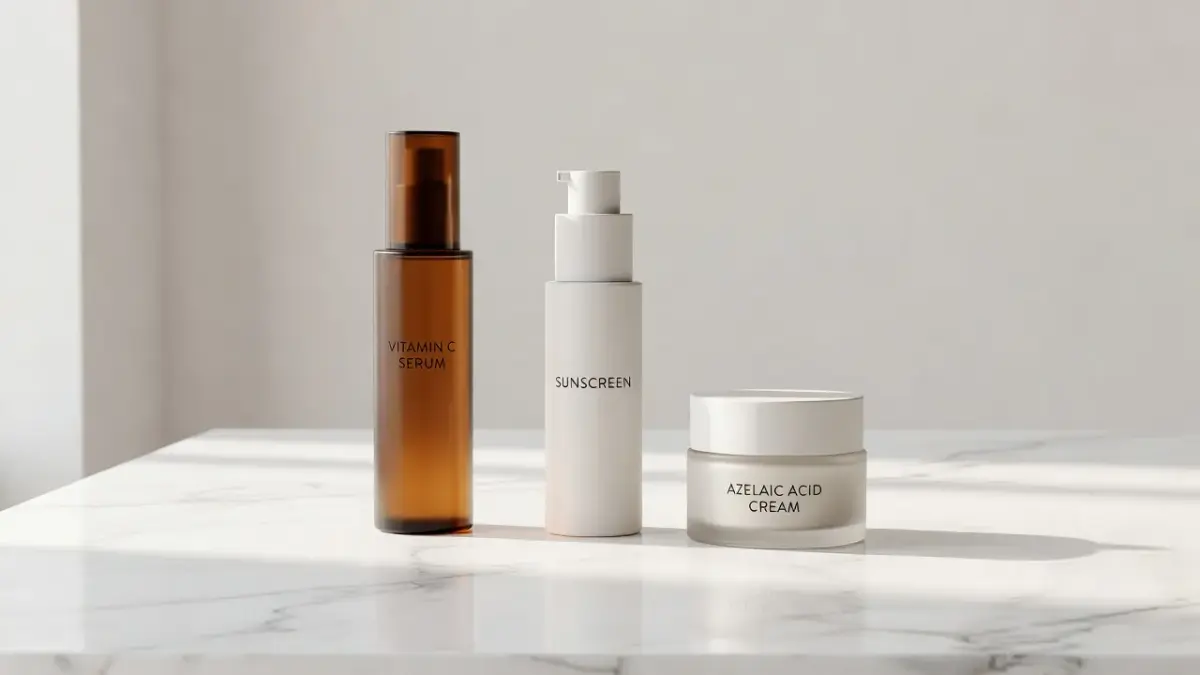
L-ascorbic acid (vitamin C) brightens skin by neutralizing free radicals and inhibiting tyrosinase, the key enzyme responsible for melanin synthesis. Daily application of a 10% to 20% vitamin C serum neutralizes oxidative stress caused by UV exposure and environmental pollution. As of late 2026, clinical formulations often pair vitamin C with ferulic acid and vitamin E to stabilize the compound and double its photoprotective efficacy.
What role do retinoids and niacinamide play?
Retinoids accelerate epidermal cell turnover to push hyperpigmented cells off the skin surface, while niacinamide blocks pigment transfer from melanocytes to keratinocytes. Combining these two ingredients prevents new discoloration while visibly smoothing uneven texture. If you are structuring a nighttime routine, review our vitamin A retinoid guide to select the right prescription or over-the-counter strength without causing barrier damage.
- Broad-Spectrum Sunscreen (SPF 30+): Prevents UV rays from triggering melanocyte activity and worsening dark spots.
- Azelaic Acid (10%-15%): Selectively targets hyperactive melanocytes while soothing post-inflammatory erythema.
- Niacinamide (3%-5%): Reduces melanosome transfer by up to 68% to unify uneven skin patches.
- Topical Retinoids: Speeds up cellular regeneration to fade stubbon surface marks.
What does the American Academy of Dermatology recommend for skin brightening and hyperpigmentation?
The American Academy of Dermatology recommends identifying the root cause of discoloration first and maintaining strict daily sun protection with SPF 30 or higher. According to official guidance on dark spots from the American Academy of Dermatology, fading hyperpigmentation requires non-comedogenic skincare products that do not cause skin irritation, as inflammation triggers secondary pigment production.
Dermatologists warn that harsh physical scrubs or unsupervised bleaching agents worsen hyperpigmentation, especially on medium to deep skin tones. Instead, gentle daily chemical exfoliation using alpha-hydroxy acids (AHAs) like glycolic or lactic acid safely dissolves dead skin cells. Pairing AHAs with target inhibitors yields visible brightening within 8 to 12 weeks of consistent application.
What is the best evidence for topical brightening ingredients like vitamin C?
Clinical trials demonstrate that topical 15% L-ascorbic acid significantly reduces melanin index scores after 12 weeks of continuous morning application. Peer-reviewed clinical research indexed on PubMed demonstrates that combining topical vitamin C with broad-spectrum sunscreen offers significantly higher protection against UV-induced erythema than sunscreen alone.
The clinical evidence supporting non-hydroquinone brightening actives has expanded rapidly through 2025 and 2026. Data shows that 15% azelaic acid performs comparably to standard hydroquinone formulations for post-inflammatory hyperpigmentation, but carries a significantly lower risk of rebound redness or skin toxicity.
| Brightening Ingredient | Primary Mechanism | Recommended Concentration | Expected Timeline for Results | Best Suited For |
|---|---|---|---|---|
| Glow Up & Attractiveness Test (AI Analysis) | Maps facial contrast & tone distribution | Selfie analysis tool | Instant scan | Identifying dark spots & tracking skin clarity |
| Azelaic Acid | Inhibits hyperactive melanocytes | 10% OTC / 15% Rx | 6 to 8 weeks | Rosacea, acne marks, redness |
| Vitamin C (L-Ascorbic Acid) | Neutralizes free radicals & blocks tyrosinase | 15% - 20% | 8 to 12 weeks | Sun spots, dullness, environmental damage |
| Hydroquinone | Destroys melanocytes & halts pigment creation | 2% OTC / 4% Rx | 4 to 8 weeks | Severe melasma, stubborn dark marks |
| Tranexamic Acid | Inhibits UV-induced plasmin activity | 3% - 5% | 8 to 12 weeks | Melasma, stubborn hormonal pigmentation |
| Niacinamide | Inhibits melanosome transfer | 3% - 5% | 4 to 8 weeks | General unevenness, enlarged pores |
Hydroquinone vs azelaic acid vs tranexamic acid: which is best for hyperpigmentation?
Azelaic acid is best for sensitive or acne-prone skin, tranexamic acid excels at treating deep hormonal melasma, and hydroquinone remains the short-term gold standard for stubborn dark spots. Choosing the right compound depends directly on your skin type, underlying cause of discoloration, and personal tolerance for potent actives.
Understanding Hydroquinone
Hydroquinone directly decreases melanocyte function to clear localized spots faster than any over-the-counter alternative. However, board-certified dermatologists restrict its use to a maximum of three consecutive months. Extended application can lead to exogenous ochronosis, a condition causing permanent blue-black tissue discoloration.
Comparing Azelaic Acid and Tranexamic Acid
Azelaic acid targets hyperactive pigment-producing cells without lightening naturally pigmented skin, making it exceptionally safe for darker skin types. Meanwhile, topical tranexamic acid (3% to 5%) disrupts the inflammatory signaling path between keratinocytes and melanocytes. It works exceptionally well when paired with daily niacinamide or vitamin C to clear persistent sun damage. If your primary skin concern is uneven tone caused by environmental stress, read our guide on dull skin causes and dermatologist remedies.
Melanocyte activation is triggered by inflammatory triggers or UV rays.
Melanocyte activation leads to two parallel processes:
-
Tyrosinase, which is blocked by:
- Vitamin C
- Azelaic Acid
This leads to pigment synthesis.
-
Melanosome transfer, which is blocked by:
- Niacinamide
- Soy / Retinoids
This leads to surface hyperpigmentation.
Pigment synthesis feeds into surface hyperpigmentation.
What does Mayo Clinic recommend for skin lightening and hyperpigmentation treatments?
Mayo Clinic recommends combining dermatologist-supervised prescription topicals with strict photo-protection to safely treat persistent facial hyperpigmentation. According to patient care resources from Mayo Clinic, prescription-strength fading creams containing hydroquinone, retinoids, and a mild corticosteroid represent the most effective topical regimen for stubborn age spots.
Mayo Clinic experts emphasize that sun exposure instantly reverses months of treatment progress. Wearing a wide-brimmed hat alongside a broad-spectrum sunscreen containing zinc oxide or titanium dioxide provides the physical barrier needed to protect sensitive skin undergoing brightening treatments.
What professional treatments (chemical peels, laser, microneedling, IPL) help brighten skin?
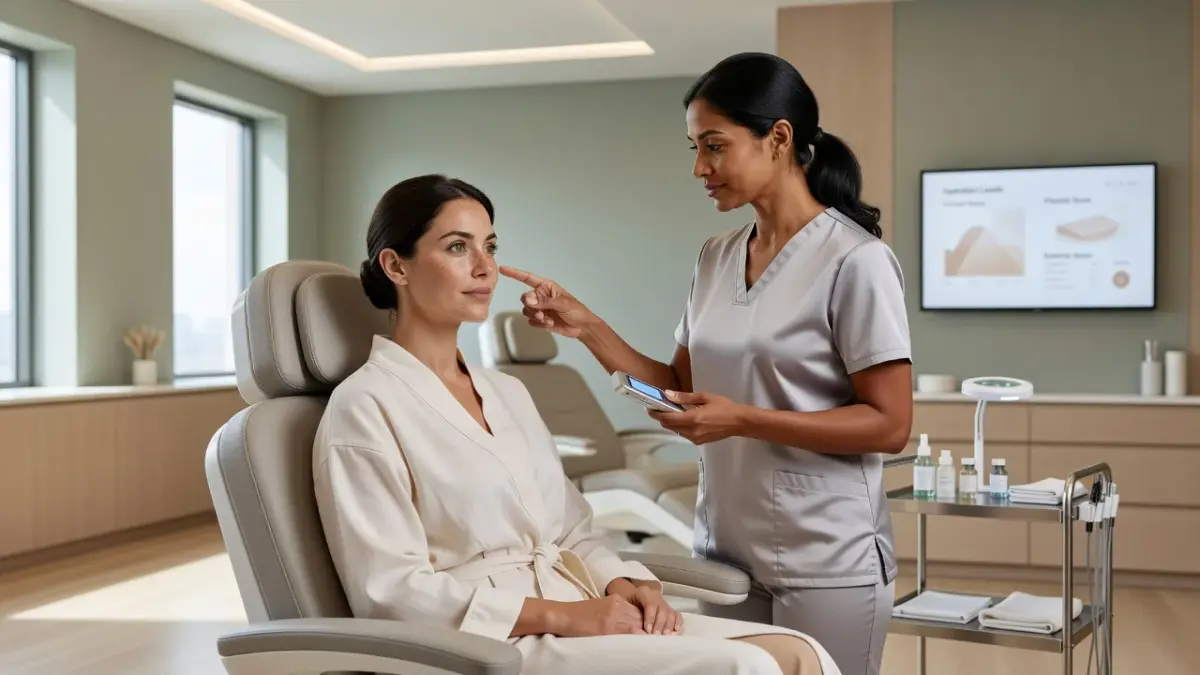
Professional in-office procedures accelerate skin brightening by clearing deep dermal pigment that topical creams cannot reach. Dermatologists select specific modalities based on the patient's Fitzpatrick skin type to prevent triggering post-treatment hyperpigmentation.
- Chemical Peels (Glycolic, TCA, Salicylic): High-concentration acids strip hyperpigmented epidermal layers, revealing smooth, unblemished skin beneath.
- Q-Switched & Picosecond Lasers: Targeted light energy breaks down deep melanin clusters into tiny particles that your immune system naturally clears.
- Intense Pulsed Light (IPL): Broad-spectrum light targets red and brown spots in fair skin, lifting dark pigmentation to the surface where it flakes off.
- Microneedling with Tranexamic Acid: Micro-channels allow potent brightening serums to penetrate deep into the dermis for maximum pigment breakdown.
Matching Professional Treatments to Skin Goals
Laser therapies yield the fastest results for sun spots, whereas chemical peels provide superior overall radiance and textural smoothing. However, individuals with deeper skin tones must avoid aggressive ablative lasers. Heat-generating devices can irritate melanocytes, leading to post-inflammatory hyperpigmentation that is more difficult to remove than the original spot.
How to Track Facial Contrast, Tone, and Glow Up Progress
Tracking subtle improvements in facial tone requires objective measurements under consistent lighting conditions over several weeks. Standard mirrors and changing ambient lighting often make it difficult to determine whether topical active ingredients are fading dark spots.
Using the Glow Up & Attractiveness Test app, you can snap a selfie to receive a personalized face rating score alongside fine-tuned facial metrics. The app evaluates overall skin contrast, facial symmetry, and tone distribution, providing tailored tips to beautify your look as your routine progresses.
Maintaining a Bright and Balanced Complexion Long-Term
Maintaining facial skin clarity over time requires permanent sunscreen compliance and ongoing topical maintenance. Skincare regimens should focus on barrier health alongside pigment inhibition. Over-exfoliating in pursuit of quick results damages the stratum corneum, creating chronic inflammation that worsens dark marks.
Pairing clinical topicals with accurate facial analysis tools allows you to optimize your routine without spending money on ineffective products. Take advantage of AI face ratings on Glow Up & Attractiveness Test to monitor how your facial balance evolves, ensuring your path to skin clarity remains safe, effective, and measurable.
Frequently Asked Questions
Can you naturally brighten skin without chemical ingredients?
Yes, using daily physical sunblock containing zinc oxide, getting adequate sleep, and applying natural antioxidants like green tea extract helps maintain natural skin radiance. However, stubborn hyperpigmentation usually requires targeted actives like azelaic acid or vitamin C for significant clinical fading.
How long does it take for skin brightening serums to show results?
Topical brightening ingredients typically require 6 to 12 weeks of continuous daily application before visible improvements occur. This timeline matches the natural epidermal turnover cycle, which takes approximately 28 to 40 days depending on your age.
Is skin brightening the same as skin bleaching?
No, modern dermatological skin brightening focuses on correcting uneven spots, reducing hyperpigmentation, and restoring natural radiance. Bleaching refers to stripping natural melanin with harsh, often unsafe chemicals, which dermatologists strongly advise against.
Does sun protection really stop dark spots from coming back?
Yes, broad-spectrum sunscreen prevents ultraviolet rays from activating melanocytes to produce excess melanin. Without daily sun protection, even professional laser treatments and prescription creams will fail to keep dark spots from returning.
Can azelaic acid be used every day with vitamin C?
Yes, azelaic acid pairs safely with vitamin C and niacinamide for most skin types. Applying vitamin C in the morning under sunscreen and azelaic acid at night provides strong dual action against hyperpigmentation without barrier damage.
What is the safest professional procedure for dark skin tones?
Superficial chemical peels using mandelic or salicylic acid and low-fluence picosecond lasers are generally the safest in-office options for darker skin tones. These options minimize heat build-up, reducing the risk of triggering post-inflammatory hyperpigmentation.