
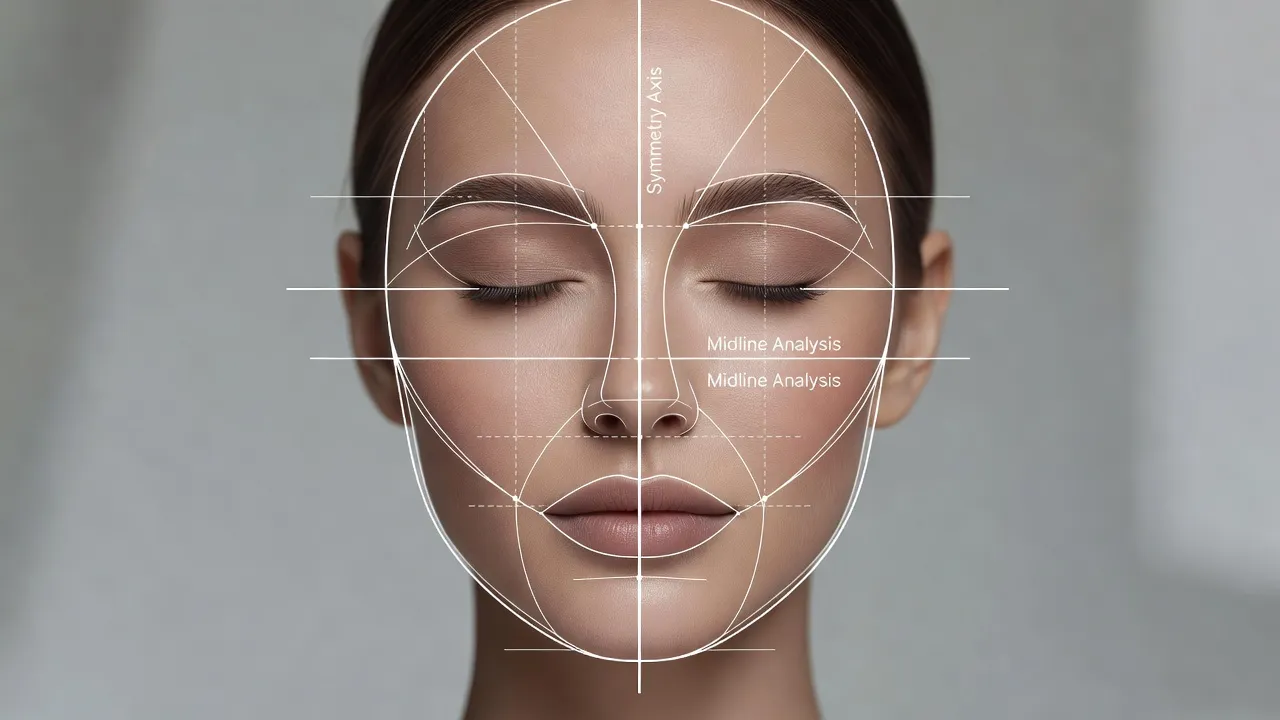
You can correct facial asymmetry through a five-step diagnostic and treatment plan ranging from non-invasive muscle balancing to targeted orthodontics or surgical alignment, depending on whether your asymmetry stems from soft tissue, muscle, or underlying bone structure. Most people make the costly mistake of treating structural jaw misalignments with soft-tissue dermal fillers, which only masks underlying skeletal imbalance while bloating the lower face. By identifying the root cause early and following a structured progression, you avoid redundant procedures and achieve lasting facial balance.
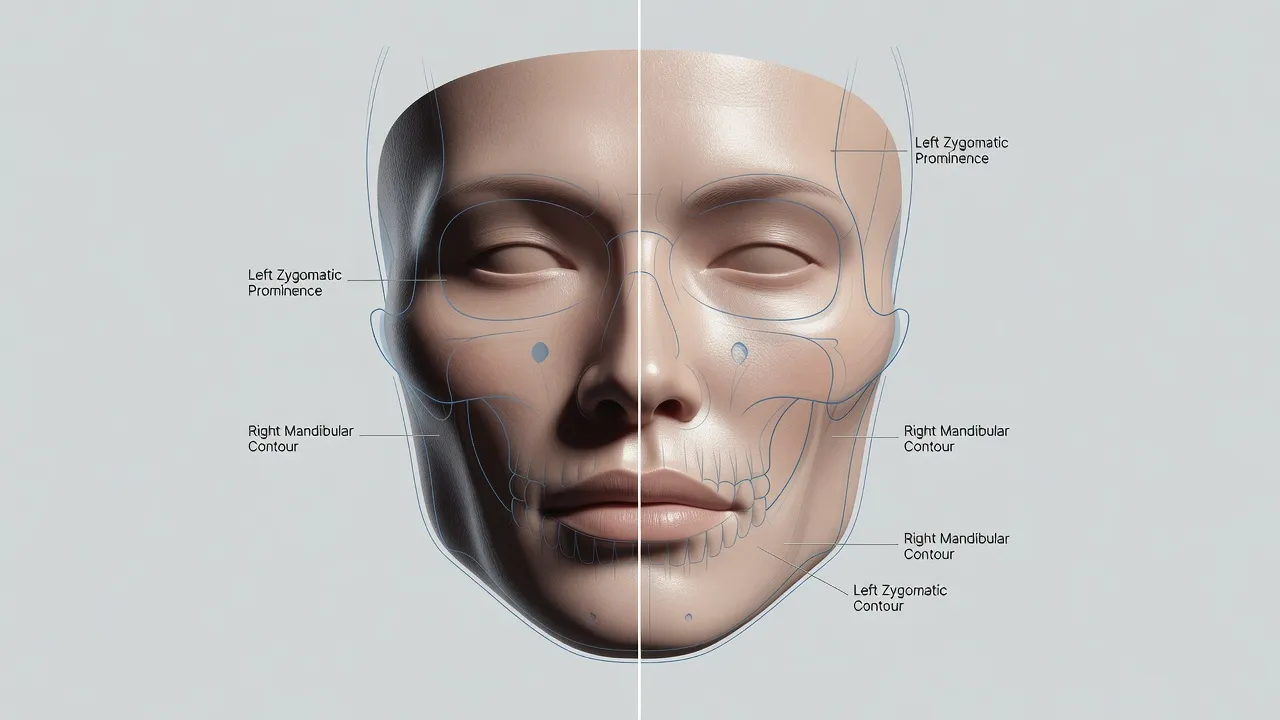
What do dermatologists recommend for facial asymmetry treatment (fillers, Botox, surgery)?
Dermatologists recommend neurotoxin injections like Botox for muscular asymmetry and hyaluronic acid fillers for soft-tissue volume deficits, reserving surgical referrals for true skeletal discrepancies. When asymmetry originates from an overactive masseter muscle on one side of your jaw, targeted Botox injections relax the hyperactive muscle to shrink its size over 4 to 6 weeks. For volume loss in one cheek or temple, structural dermal fillers rebuild volume immediately, lasting 9 to 18 months depending on the cross-linking technology.
According to procedural guidance from the American Society of Plastic Surgeons, hyaluronic acid fillers provide immediate structural adjustment with minimal downtime, though proper depth of injection is critical to avoid tissue distortion. Dermatologists usually start with reversible treatments before recommending permanent interventions.
When is neurotoxin (Botox) the correct choice for jaw asymmetry?
Botox is the correct choice when facial asymmetry is caused by uneven masseter muscle enlargement rather than bone structure. If you chew predominantly on one side of your mouth or clench your teeth unilaterally, the masseter muscle on that side hypertrophies (bulges). A dermatologist injects 15 to 30 units of botulinum toxin directly into the larger masseter to shrink the muscle mass over several weeks.
How do dermatologists use dermal fillers to balance asymmetrical cheekbones?
Dermatologists inject high-density hyaluronic acid fillers deep onto the periosteum (bone surface) to lift soft tissue on the receded side of your face. Rather than inflating the skin surface, precise deep placement mimics underlying bone volume. This approach restores midface balance without creating an unnatural, overfilled appearance.
What do estheticians recommend for facial asymmetry?
Estheticians recommend non-surgical, surface-level treatments such as microcurrent therapy, targeted facial massage, and disciplined posture correction to address fluid retention and minor muscle imbalances. These non-invasive modalities strengthen underactive facial muscles and promote lymphatic drainage. While esthetic treatments cannot shift bones or alter dentition, they provide an effective low-cost baseline for soft-tissue alignment.
If you want a clear baseline scan of your facial symmetry before spending money at a clinic, you can use digital tools. The Glow Up & Attractiveness Test provides an AI-powered face analysis directly from a selfie, giving you a detailed breakdown of your proportions and facial balance.
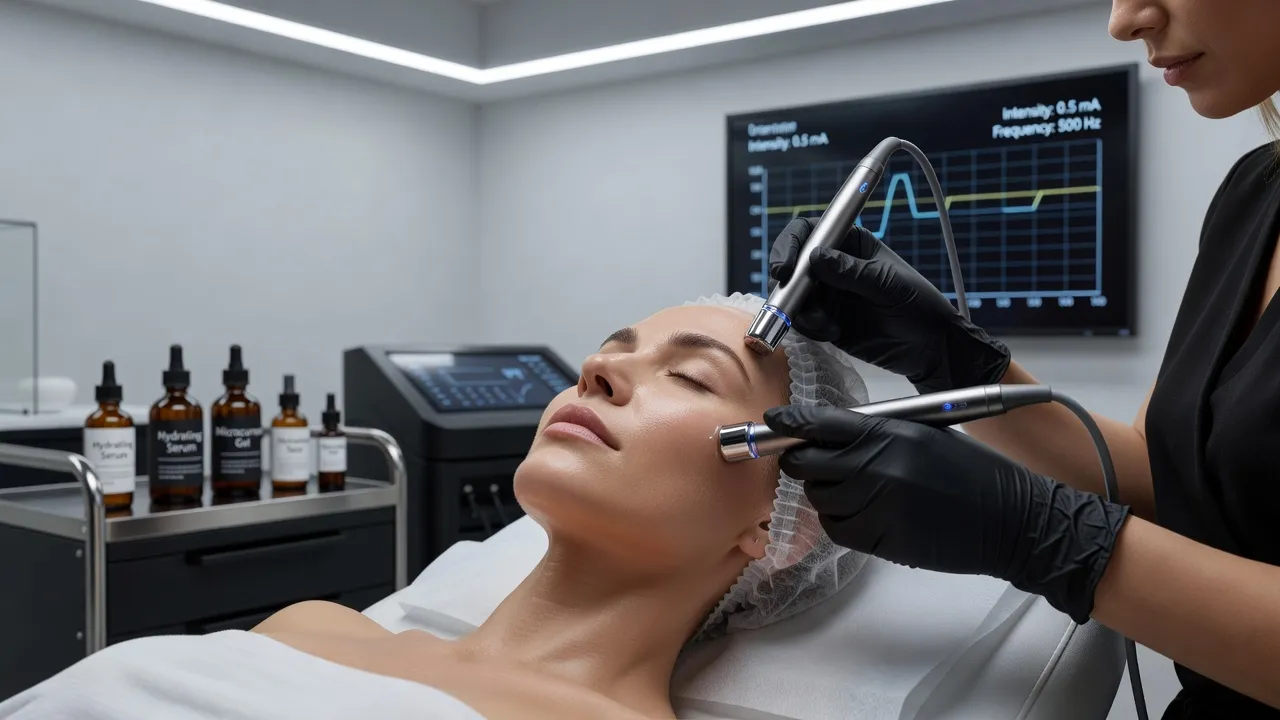
Can microcurrent devices lift one side of an uneven face?
Yes, microcurrent devices send low-voltage electrical impulses that tone underactive facial muscles, temporarily lifting sagging tissue on the weaker side of the face. Regular 15-minute sessions encourage cellular ATP production and muscle re-education. However, the lifting effect lasts only a few days unless maintained with weekly treatments.
Do facial exercises and Gua Sha actually correct facial asymmetry?
Facial exercises and Gua Sha improve fluid movement and localized blood circulation, but they cannot alter skeletal structure or severe muscular hypertrophy. Gua Sha helps drain pooled lymphatic fluid that makes one cheek appear heavier than the other. I'd skip relying solely on manual tools if your asymmetry is visible in bone scans, as muscle scraping won't shift your mandible.
What does the evidence show for fillers vs. surgery outcomes in correcting facial asymmetry?
Clinical evidence shows that dermal fillers provide immediate, temporary correction for mild soft-tissue asymmetry, whereas surgery offers permanent, comprehensive correction for moderate to severe skeletal deformities. Fillers carry a lower initial cost and near-zero recovery time, but they require ongoing maintenance every 12 to 18 months. Surgery requires significant recovery time and higher upfront expenditure, but it addresses the root anatomical cause rather than camouflaging it.
Research published in the National Center for Biotechnology Information indicates that soft-tissue camouflage with dermal fillers achieves high patient satisfaction for minor deviations under 3 millimeters, but skeletal shifts exceeding 4 millimeters consistently require surgical repositioning for stable long-term results.
What are the long-term maintenance costs of fillers compared to surgery?
Fillers require perpetual re-treatment every 1 to 2 years, which often equals or exceeds the one-time cost of surgery over a 10-year window. A single session of jaw or cheek filler costs between $800 and $2,500. Over a decade, repeating filler injections four to six times can accumulate over $10,000 without providing a permanent structural solution.
What are the safety risks of surgical correction versus non-surgical camouflage?
Surgical correction carries risks associated with general anesthesia, long recovery periods, and potential nerve numbness, while fillers carry risks of vascular occlusion and tissue migration. Surgical risks are managed in an operating room with 3D surgical planning. Filler risks depend heavily on injector technique, as accidental injection into a facial artery can cause tissue necrosis if not dissolved immediately with hyaluronidase.
What are the outcomes of orthognathic surgery for facial asymmetry?
Orthognathic surgery corrects facial asymmetry by physically cutting, repositioning, and securing the maxilla (upper jaw) and mandible (lower jaw) into symmetrical alignment. This major procedure permanently fixes severe chin deviation, crooked smiles, and functional bite issues. Patients gain both functional bite improvement and dramatic visual balance across the lower third of the face.
Comprehensive surgical overviews from the Mayo Clinic highlight that orthognathic surgery requires months of pre-surgical orthodontics to align the teeth before the jaw bones are surgically cut and fixed with titanium plates.
| Feature | Soft-Tissue Fillers | Orthognathic Jaw Surgery |
|---|---|---|
| Primary Mechanism | Volume add-on (Camouflage) | Bone repositioning (Root cause) |
| Results Duration | 9 - 18 Months | Permanent (Lifetime) |
| Initial Down-Time | 24 - 48 Hours | 2 - 6 Weeks |
| Ideal Deviation Range | Under 3 millimeters | Over 4 millimeters |
How long does recovery take after orthognathic jaw surgery?
Initial bone healing requires 6 to 8 weeks, while full structural recovery and swelling resolution take up to 12 months. Patients stick to a liquid-to-soft food diet for the first 6 weeks post-surgery. Swelling peaks during the first 72 hours and steadily declines over the following 3 months.
Will orthognathic surgery permanently fix a crooked chin?
Yes, orthognathic surgery combined with a corrective osseous genioplasty permanently centers the chin along the facial midline. The surgeon cuts the lower mandibular segment and shifts the chin bone laterally or vertically to restore symmetry. Once the bone heals around the titanium screws, the repositioning is permanent.
Can dental orthodontics correct chin deviation causing facial asymmetry?
Dental orthodontics can correct chin deviation only if the asymmetry is functional, caused by a crossbite or dental misalignment forcing the lower jaw to shift when closing. If your jaw bone itself grew longer on one side, braces or clear aligners alone cannot alter the bone length. However, correcting a severe crossbite often allows the jaw to rest in its natural, symmetrical center.
Clinical guidelines from the American Association of Orthodontists state that orthodontic alignment can resolve lower face tilt when teeth interference is forcing the mandible off-center during occlusion.
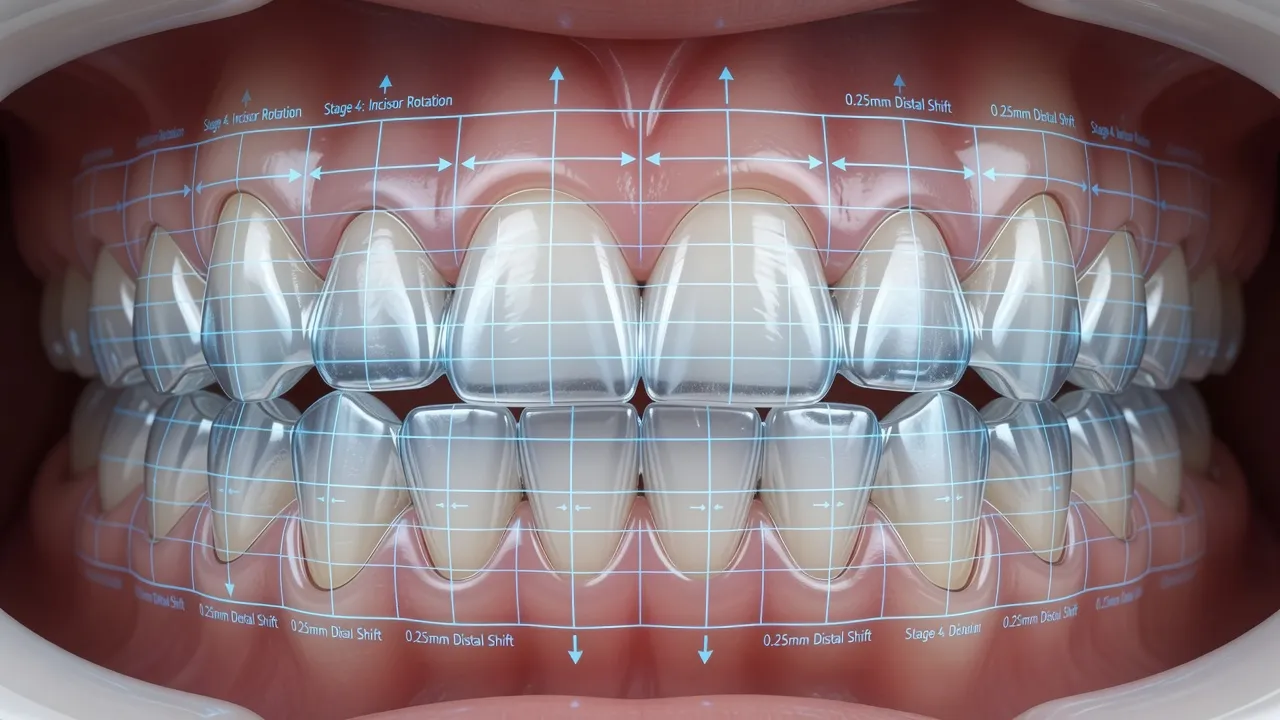
How do crossbites cause the chin to look crooked?
A crossbite forces you to shift your lower jaw to one side so your upper and lower teeth can touch when chewing. Over time, this daily shifting trains your jaw joint (TMJ) and muscles to sit in a crooked resting position. Aligning your dental arches removes the tooth interference, letting the jaw swing back to the center midline.
Can clear aligners fix facial asymmetry in adults?
Clear aligners fix facial asymmetry caused by slanted dental midlines or crossbites, but they cannot reshape adult jaw bones. Adult bones are fully fused and do not remodel through dental pressure alone. If your bite is straight but your jaw bone is structurally asymmetrical, aligners must be combined with surgical intervention.
How effective is fat grafting or buccal fat removal for facial asymmetry?
Fat grafting and unilateral buccal fat removal are highly effective for correcting uneven cheek volume, soft-tissue hollows, and localized facial fullness. Autologous fat grafting transfers living fat cells from your abdomen or thighs to fill out a flat cheek or sunken jawline. Unilateral buccal fat extraction removes deep fat pads from only the fuller cheek to balance midface contours.
Is fat grafting permanent for facial asymmetry?
Fat grafting is semi-permanent, as approximately 50% to 70% of transferred fat cells establish a permanent blood supply in the target area. The surviving fat cells remain indefinitely and expand or shrink with your body weight changes. Surgeons typically over-inject slightly to account for the predictable initial reabsorption rate during the first 3 months.
Can targeted buccal fat removal fix uneven cheek volume?
Yes, a surgeon can perform targeted or asymmetric buccal fat removal by extracting more volume from the larger cheek pad. This thins out the heavy side of your lower midface to match the naturally slimmer side. It is a quick intraoral procedure performed under local anesthesia with zero external scarring.
Summary of facial asymmetry treatment steps
Here is an overview of the five-step roadmap to assess, manage, and correct facial asymmetry based on structural severity and timeframe:
| Step Number & Action | Primary Target | Estimated Timeline | Typical Cost / Requirement |
|---|---|---|---|
| Step 1: Cause Identification | Muscle, fat, or skeletal bone | 1 - 3 Days | Self-check or clinical consultation |
| Step 2: AI Face Mapping | Proportion & midline measurement | 10 Minutes | Smartphone camera / Glow Up App |
| Step 3: Muscle & Soft Tissue Balance | Masseter hypertrophy & fluid retention | 2 - 8 Weeks | $150 - $800 (Botox / Microcurrent) |
| Step 4: Orthodontic Correction | Crossbite & dental midline tilt | 12 - 24 Months | $3,000 - $8,000 (Braces / Aligners) |
| Step 5: Surgical Realignment | Severe skeletal deviation & chin tilt | 6 - 12 Months (with recovery) | $8,000 - $25,000 (Jaw surgery / Genioplasty) |
Step 1: Identify whether your asymmetry is skeletal, muscular, or soft tissue
The first step in treating facial asymmetry is performing a manual and visual isolation test to determine if your issue stems from bone, muscle, or soft tissue. Most individuals waste thousands of dollars treating the wrong layer because they misinterpret jaw bone length for cheek fat.
I always recommend starting with simple physical checks before booking invasive treatments. Uneven muscle growth, dental misalignment, and bone asymmetry require entirely different treatments.
- The Bite Check: Bite down firmly on your back molars while looking in a mirror. If your chin shifts sideways only when your teeth touch, your issue is likely a functional dental crossbite.
- The Masseter Clench Test: Place your fingers on the sides of your jaw angles and clench your teeth. If one side bulges significantly firmer and larger than the other, your asymmetry is muscular masseter hypertrophy.
- The Static Profile Check: Look closely at your facial structure in rest position. If your lower jaw line visibly slants upward on one side regardless of muscle tension, your asymmetry is skeletal.
Understanding whether your issue is driven by joint posture or habit also matters. If you frequently sleep on one side or lean your head on one hand, read up on face posture to stop worsening daily tissue compression.
Step 2: Use digital face tracking and AI analysis to map baseline proportions
Before scheduling clinical procedures, map your facial proportions digitally to get an objective measurement of your midline deviation. Human eyes are naturally biased when looking in a standard bathroom mirror due to focal distortion and lighting angles.
Using an objective digital tool removes emotional bias and provides precise feedback on your symmetry. You can track changes over time as you execute your treatment plan.
3-Point Digital Midline Diagnostic Map
| Facial Third | Measurement | Description |
|---|---|---|
| Upper Third | Pupillary Line | Distance between pupil centers |
| Mid Third | Nasal Axis | Bridge to tip deviation |
| Lower Third | Menton Center | Tip of chin alignment to philtrum |
These three points align vertically along the midline.
- Download a dedicated analysis tool: Install the Glow Up & Attractiveness Test app on iOS to access specialized scanning features.
- Take a standardized selfie: Stand 4 feet away from your camera in natural front-facing light with a neutral facial expression.
- Review your proportion score: The fine-tuned AI model analyzes your facial geometry, identifying eye height variations, cheekbone symmetry, and jawline balance.
- Follow your custom advice: Check the app's glow up recommendations to target your specific structural needs, whether that means soft-tissue fixes or medical consultations.
Getting a clear baseline through an analysis of face guide prevents you from undergoing unnecessary filler procedures for imbalances that are barely noticeable.
Step 3: Start with non-surgical muscle and skin conditioning
If your analysis shows mild muscle imbalance or uneven soft-tissue volume, start with non-surgical neurotoxins, microcurrent conditioning, and chewing habit adjustments. Non-surgical treatments carry lower costs and immediate recovery, making them the best starting point for minor adjustments.
Modifying your daily habits stops asymmetrical muscle growth at the source. Once daily habits are corrected, targeted treatments yield much longer-lasting balance.
- Balance your chewing habits: Consciously chew food equally on both sides of your mouth to prevent one-sided masseter hypertrophy.
- Target hyperactive muscles with Botox: Have a certified dermatologist inject 15 to 25 units of neurotoxin into your dominant masseter muscle.
- Incorporate microcurrent therapy: Use an at-home or in-clinic microcurrent device 3 times a week to lift underactive facial muscles on the receded side.
- Correct your sleeping position: Sleep on your back using a contour pillow to avoid pressing one side of your face into the mattress for 8 hours every night.
If you are exploring broader aesthetic improvements alongside structural fixes, look into overall strategies like looksmaxxing for women to coordinate skin, hair, and facial framing adjustments.
Step 4: Correct dental and occlusal alignment with specialized orthodontics
If your jaw shifts off-center due to a crossbite or misaligned teeth, complete a targeted orthodontic treatment plan using braces or clear aligners. Orthodontics aligns your bite, eliminating functional jaw displacement and re-centering your chin along your facial midline.
As of August 2026, clear aligner technology routinely incorporates asymmetric bite ramps and precision elastics to fix complex lateral jaw shifts without fixed metal brackets.
- Get a 3D CBCT scan: Visit an orthodontist to capture a Cone Beam Computed Tomography scan of your TMJ joints and jaw bones.
- Correct tooth interference: Wear custom clear aligners or fixed braces equipped with asymmetric rubber bands to pull your lower jaw into midline alignment.
- Evaluate bite progress at 6 months: Monitor whether your chin sits more symmetrically once your back molars mesh properly.
- Retain your alignment: Wear a night retainer continuously post-treatment to prevent your teeth from drifting back into a crossbite position.
Correcting your bite also enhances your face side profile by restoring proper lower jaw projection and chin angle relative to your neck.
Step 5: Evaluate clinical interventions and surgical corrections
For severe skeletal deviations exceeding 4 millimeters, consult a board-certified oral and maxillofacial surgeon to evaluate orthognathic surgery or custom implants. When bone length is physically unequal, surgery is the only method that restores true anatomical balance.
I'd skip trying to hide major structural jaw slantedness with massive doses of filler. Surgical realignment is a permanent, one-time fix that resolves both aesthetic asymmetry and underlying chewing dysfunction.
- Schedule a maxillofacial consultation: Meet with a specialized jaw surgeon to get 3D virtual surgical planning (VSP) models of your facial skeleton.
- Complete pre-surgical orthodontics: Align your upper and lower dental arches over 6 to 12 months so your teeth fit together perfectly once the jaw bones are moved.
- Undergo corrective jaw surgery: The surgeon performs a Le Fort I osteotomy (upper jaw) or Sagittal Split Osteotomy (lower jaw) to align your skeleton.
- Complete post-operative healing: Follow a 6-week soft food protocol and complete physical therapy to train your jaw muscles to move in their new symmetrical position.
If your asymmetry is limited to bone structure along the lower jawline rather than the bite itself, learning how to get a strong jawline through targeted chin implants or genioplasty offers a localized alternative to full double jaw surgery.
Frequently Asked Questions
Can facial asymmetry be fixed without surgery?
Yes, non-surgical options like masseter Botox, dermal fillers, and orthodontic aligners can correct facial asymmetry caused by muscle imbalances, volume loss, or dental crossbites. However, non-surgical methods cannot alter true skeletal bone length discrepancies.
How much does asymmetrical face treatment cost on average?
Non-surgical treatments like masseter Botox cost between $300 and $800 per session, while dermal fillers range from $800 to $2,500 per syringe. Comprehensive surgical solutions such as orthognathic surgery or facial implants range from $8,000 to over $25,000 depending on insurance coverage and surgical complexity.
Does chewing on one side cause facial asymmetry?
Chewing exclusively on one side causes the masseter muscle on that side to enlarge, leading to visible lower jaw asymmetry. It can also cause uneven wear on your teeth and force your temporomandibular joint (TMJ) out of balance over time.
How do I know if my face asymmetry is bone or muscle?
Clench your teeth firmly while pressing your hands against the sides of your lower jaw. If you feel a thick, firm bulge on one side, your asymmetry is muscular. If your lower jaw bone sits at a noticeable angle when your jaw muscles are fully relaxed, the asymmetry is skeletal.
Will braces fix a crooked chin?
Braces fix a crooked chin if the tilt is caused by a functional bite issue or crossbite forcing your lower jaw sideways. If your chin bone itself is physically longer or larger on one side, you will need a surgical procedure called a genioplasty or orthognathic surgery to center it.
At what age can you treat facial asymmetry?
Non-surgical treatments like orthodontics and Botox can begin in late teens once facial growth stabilizes. Major skeletal jaw surgeries are generally delayed until facial bone growth is 100% complete, which occurs around age 16 to 18 for females and age 18 to 21 for males.
Can sleeping on your side cause face asymmetry?
Yes, constantly sleeping on one side exerts persistent physical pressure against your facial skin and soft tissues for hours every night. Over decades, this pressure accelerates volume loss, deepens asymmetrical skin folds, and causes subtle soft-tissue distortion.