
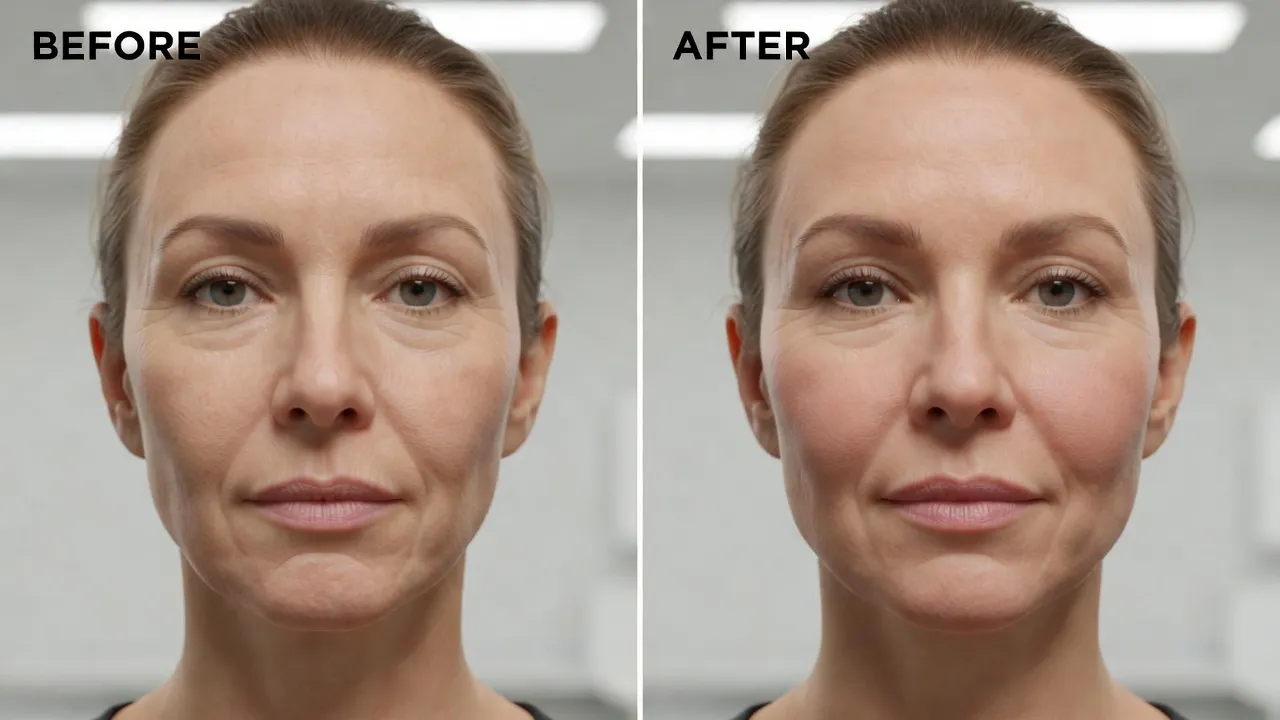
Celebrity Ozempic face before and after photos highlight how rapid GLP-1 weight loss reduces subcutaneous facial fat, leading to hollow temples, sunken cheeks, and looser skin. While semaglutide targets systemic fat stores, it cannot spare facial adipose tissue compartments. As a result, dramatic weight loss frequently reveals underlying bone structure while simultaneously accentuating fine lines and skin laxity.
Recent public transformations have brought "Ozempic face" into mainstream beauty standards discussions. When individuals shed 15% or more of their total body weight over a short period, structural support beneath the dermis drops quickly. Understanding how rapid weight loss alters soft tissue balance helps distinguish natural facial aging from drug-induced volume depletion.
Does Adele show 'Ozempic face' in before and after photos?
No, Adele's before and after photos show facial slimness resulting from weight loss that began in 2019, years before GLP-1 medications like Ozempic became widespread for cosmetic weight reduction. Her facial transformation occurred over several years through regular strength training and dietary modifications rather than rapid pharmacological intervention.
While critics frequently cite her redefined jawline and reduced buccal fat as classic signs of GLP-1 usage, her gradual timeline produced different structural outcomes. Unlike the abrupt temporal hollowing associated with rapid semaglutide weight loss, her transition maintained soft-tissue elasticity across her cheeks. Observing these subtle structural shifts can be simplified by taking a photo for face side profile analysis to check cheek volume and jawline contour alignment over time.
5 Celebrities associated with 'Ozempic face' before and after transformations
Public figures who experience rapid weight loss often undergo distinct aesthetic shifts in facial fat volume. Below is a breakdown of prominent celebrities whose before-and-after appearances have sparked public discussion regarding GLP-1 side effects, including what changed, why their cases stand out, and the trade-offs of rapid deflation.
1. Sharon Osbourne
Sharon Osbourne publicly acknowledged losing over 40 pounds on Ozempic, which left her face noticeably gaunt and hollowed. Her before-and-after comparison demonstrates a sharp drop in midface volume, leading to pronounced infraorbital hollows and thin skin around the lower jaw.
- Why her case stands out: Osbourne was open about the unintended extent of her weight loss, stating she lost more weight than planned and found it difficult to reverse the facial volume drop.
- Key aesthetic trade-off: Reaching a lower body mass index came at the cost of deep facial fat loss, requiring soft-tissue rejuvenation strategies to restore volume.
2. Scott Disick
Scott Disick’s public appearances in early 2024 revealed deep temporal tapping and dark under-eye shadows following significant weight loss. Viewers quickly flagged his dramatic before-and-after visual shift across social media platforms.
- Why his case stands out: The speed of his facial transformation created a stark contrast with his historically fuller cheek structure.
- Key aesthetic trade-off: Eliminating midsection weight led to sunken cheeks, which he later adjusted by recalibrating his health and nutrition routine.
3. Oprah Winfrey
Oprah Winfrey confirmed utilizing a weight-loss medication as a maintenance tool, showcasing a streamlined jawline and reduced cheek fullness. Her before-and-after photos indicate substantial weight loss paired with careful cosmetic management to preserve facial balance.
- Why her case stands out: Unlike cases featuring severe hollowing, Winfrey’s facial structure retained supportive volume, likely assisted by cosmetic dermatological treatments.
- Key aesthetic trade-off: Using weight-loss medications helped her meet systemic health goals, though keeping skin firm required dedicated skincare and structural treatments.

4. Tracy Morgan
Actor Tracy Morgan noted taking Ozempic, which resulted in visible slimming across his lower face and neck area. His visual transformation showed a sharp reduction in submental fat alongside looser skin around the lower jaw.
- Why his case stands out: Morgan openly joked about his increased appetite suppression while visibly showing the facial slimming effects typical of semaglutide.
- Key aesthetic trade-off: Rapid submental fat reduction reduced double-chin appearance but highlighted neck skin laxity.
5. John Goodman
John Goodman’s long-term weight loss journey resulted in loose skin and significant deep-tissue volume shifts across his midface. Although his weight reduction spanned several years, his before-and-after photos showcase the natural limits of skin retraction after major weight drops.
- Why his case stands out: He illustrates how dramatic mass loss alters facial structural support in mature skin regardless of whether pharmaceutical aids are involved.
- Key aesthetic trade-off: Massive health benefits from shedding excess pounds came with permanent loss of subcutaneous facial padding.
Comparing methods to track and analyze facial volume changes
Tracking facial shape alterations requires objective measurement tools to separate temporary fluid drops from permanent fat pad loss. The table below evaluates common options for monitoring facial proportions and skin changes after weight loss.
| Method | Best For | Volume Loss Detection | Accessibility | Trade-offs |
|---|---|---|---|---|
| 3D Medical Surface Scanning | Precise clinical volume measurement | High (Sub-millimeter) | Low (Requires clinic visit) | Expensive; requires specialized equipment |
| Glow Up & Attractiveness Test App | Daily AI facial analysis & before-after tracking | Medium-High (Visual AI tracking) | High (Instant smartphone access) | Requires consistent lighting for accurate scans |
| Standard Mirror & Photo Logs | General visual habit checking | Low | High (Free) | Subjective; affected by camera angles and light |
| Dermatological Palpation | Evaluating deep tissue elasticity | Medium | Medium (Requires doctor) | Measures tissue skin fold thickness, not visual symmetry |
If you want to track how weight shifts alter your facial structure over time, using the Glow Up & Attractiveness Test app offers instant AI facial analysis directly from your phone.
What causes 'Ozempic face' during GLP-1 weight loss?
"Ozempic face" is caused by rapid systemic fat loss that depletes the deep and superficial facial fat pads supporting the dermis. According to clinical overview published by the Cleveland Clinic, GLP-1 receptor agonists do not select where fat is burned; they promote generalized adipose tissue loss across the entire body, including the face.
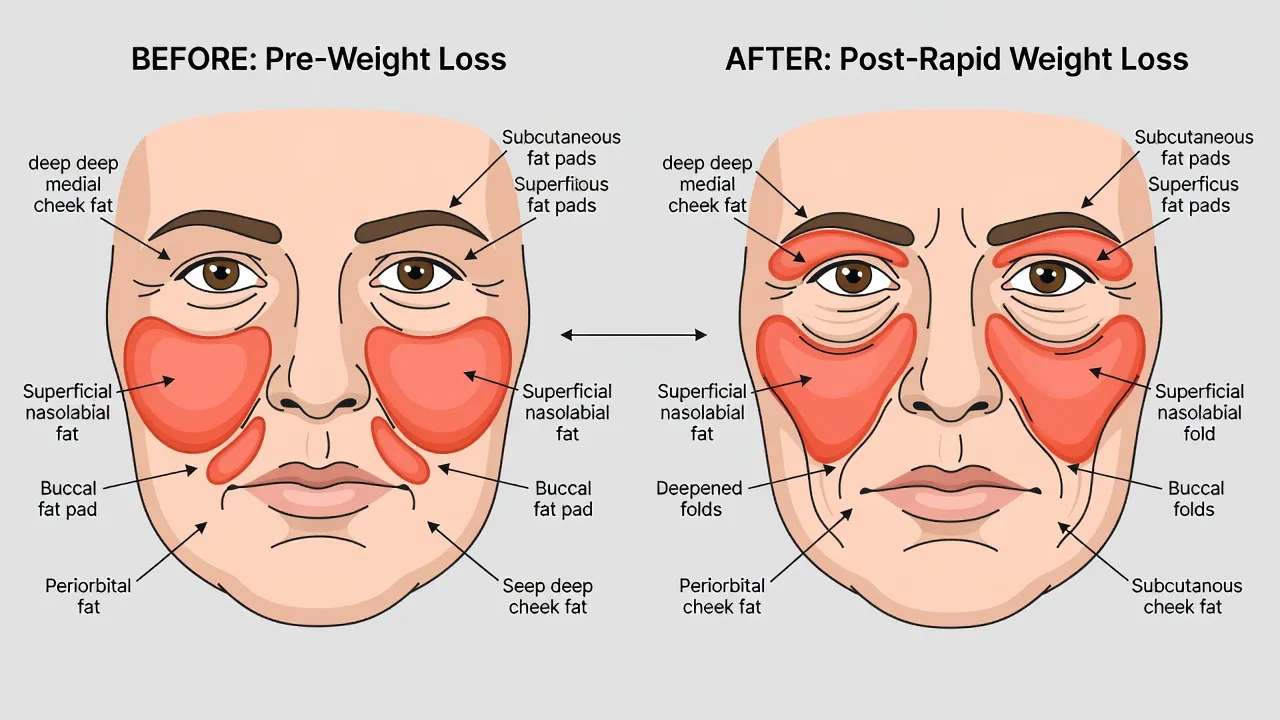
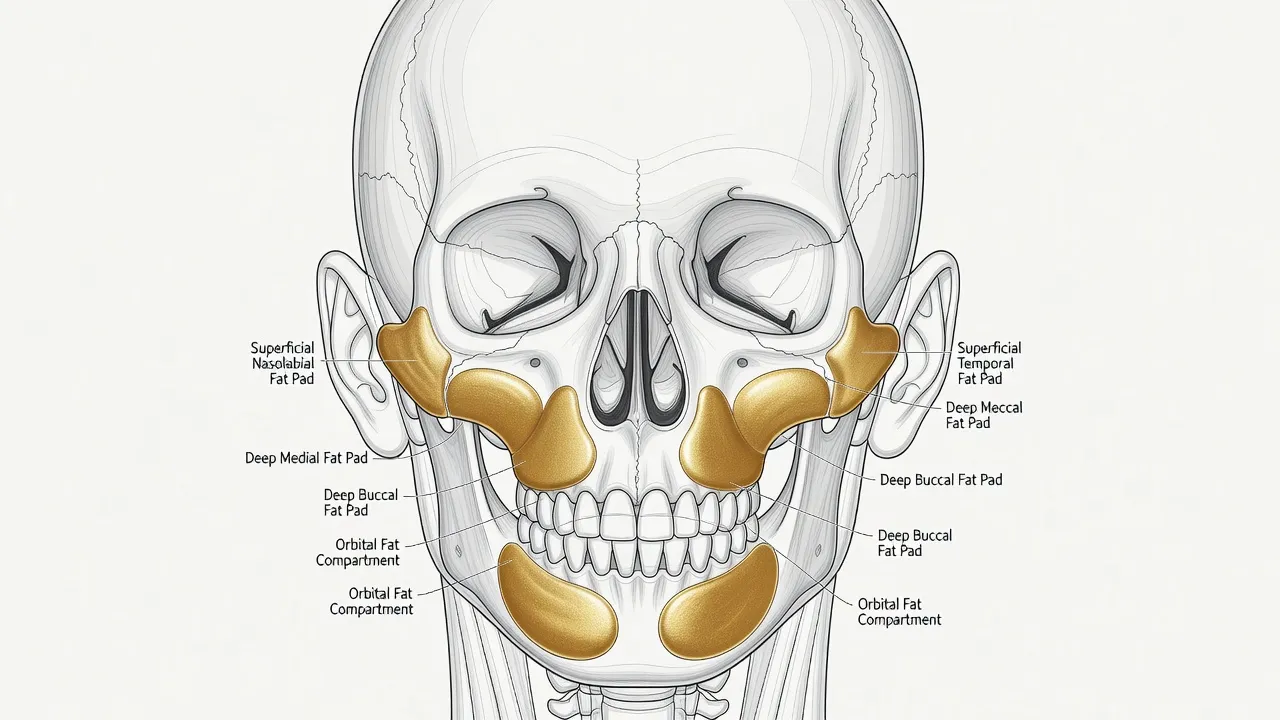
The face relies on distinct fat compartments—located around the temples, cheeks, eyes, and mouth—to maintain a youthful visual contour. When body weight drops rapidly, these fat pads shrink before the overlying skin has time to contract.
- Superficial fat pad depletion: Causes skin to sag past the jawline, creating early jowls.
- Deep malar fat loss: Reduces midface projection, making prominent cheekbones appear sharper yet hollow underneath.
- Periorbital volume reduction: Deepens tear troughs and accentuates dark under-eye shadows.
- Loss of structural elastin: Reduces tissue spring-back, particularly in patients over 40 whose collagen synthesis has already slowed.
A study indexed on the National Center for Biotechnology Information notes that rapid weight loss accelerates the appearance of facial aging primarily due to structural support removal rather than direct epidermal damage.
How dermatologists restore facial volume after rapid weight loss
Dermatologists restore lost volume using hyaluronic acid dermal fillers, biostimulatory injectables, and skin-tightening energy devices. The goal of treatment is replacing structural fat pad support without over-inflating soft tissues.
The American Society of Plastic Surgeons outlines several established procedures for managing facial fat loss following major weight changes:
- Biostimulatory Injectables (Poly-L-lactic acid): Treatments like Sculptra stimulate natural collagen production over several months, rebuilding deep tissue volume gradually.
- Hyaluronic Acid (HA) Fillers: Target targeted structural hollows, such as the temples and tear troughs, providing immediate volume restoration.
- Autologous Fat Transfer: Harvests fat from another area of the patient's body to re-inject into depleted facial compartments, offering a long-term solution.
- Radiofrequency & Ultrasound Tightening: Non-invasive devices heat the dermal layers to induce collagen contraction, helping mild skin laxity snap back over time.
Before opting for invasive procedures, exploring an AI-driven beauty score assessment can help identify which facial zones benefit most from cosmetic contouring or natural glowing strategies.
Evaluating your facial transformation safely
Evaluating structural changes requires looking at objective proportions rather than relying on mirror perceptions. When weight loss occurs quickly, facial shape shifts can alter your visual symmetry and cheek-to-jaw ratios.
Using specialized tools allows you to objectively measure structural shifts over time:
- Upload consistent selfies: Take photos under identical lighting conditions once per month.
- Track key zones: Monitor temple fullness, under-eye hollows, and nasolabial fold depth.
- Focus on skin quality: Apply collagen-supporting topical ingredients like retinoids and peptides to aid elasticity during weight loss phases.
The Glow Up & Attractiveness Test provides tailored face analysis tools to track your facial evolution, helping you discover your glow-up potential through data-backed visual feedback.
Frequently Asked Questions
Is 'Ozempic face' permanent?
No, "Ozempic face" is not necessarily permanent because facial volume can be restored through weight stabilization, dermal fillers, biostimulatory injections, or autologous fat transfer. Skin laxity may also improve naturally over time in younger individuals with high collagen elasticity.
Can you prevent facial fat loss while taking Ozempic?
You cannot selectively stop fat loss in your face while taking GLP-1 medications, but losing weight at a slower rate (1 to 2 pounds per week) gives skin time to adapt. Maintaining high protein intake and utilizing collagen-boosting skincare can also support dermal firmness.
What is the difference between normal aging and Ozempic face?
Normal facial aging happens gradually over decades as collagen degrades and fat pads slowly shift downward. Ozempic face occurs rapidly over weeks or months, creating sudden hollows in the temples and cheeks that contrast sharply with pre-weight loss photos.
How long after starting Ozempic does facial volume loss appear?
Facial volume changes typically become noticeable within 2 to 3 months after starting GLP-1 therapy, coinciding with the phase of rapid body weight drop. The speed depends on your starting fat distribution and total weight lost.
Do dermal fillers work for Ozempic face?
Yes, dermal fillers like hyaluronic acid or biostimulators like Sculptra are effective treatments for Ozempic face. They replace lost subcutaneous volume, lift sagging cheeks, and smooth out deep folds caused by sudden tissue deflation.
Does drinking water reduce facial hollowing from weight loss?
Hydration improves skin plumpness and surface texture, but it cannot restore lost subcutaneous fat compartments beneath the skin. While drinking water helps skin look healthy, it will not reverse deep structural hollows caused by weight loss.