
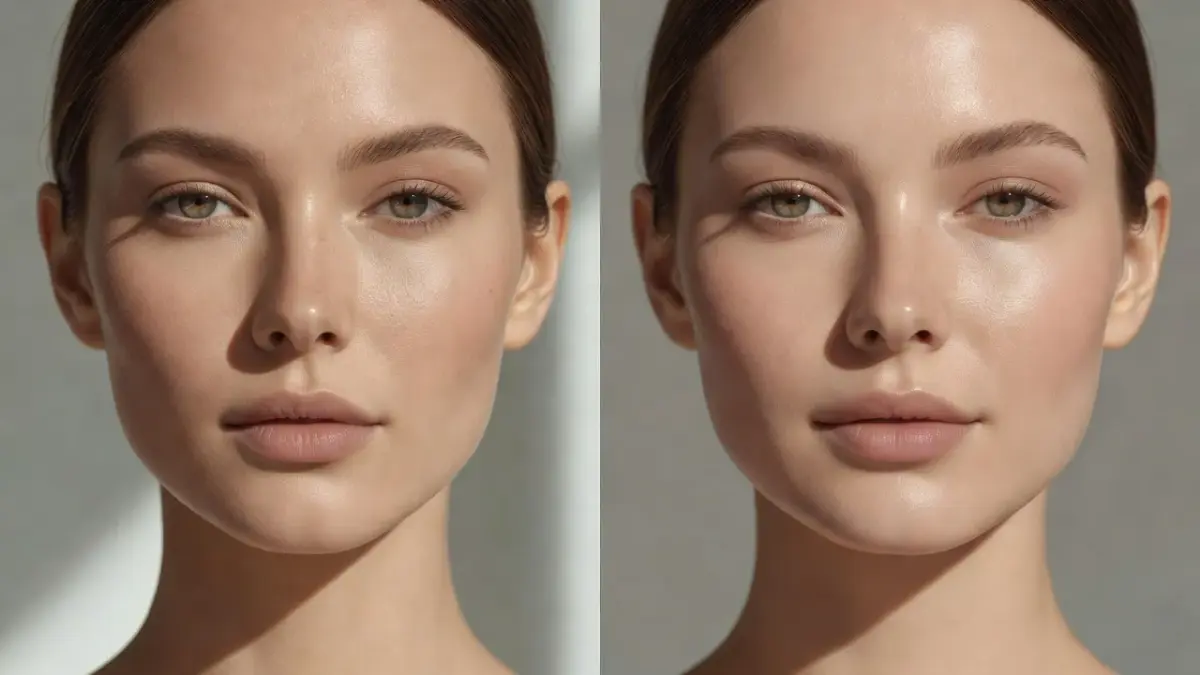
A puffy face is caused by temporary interstitial fluid retention within facial soft tissues, whereas a normal face displays consistent structural geometry determined by underlying cheekbones, jawline contours, and stable fat distribution. Fluid buildup often smooths out anatomical hollows, obscures bone definition, and creates asymmetry that fluctuates within hours. If you want to track how your facial symmetry and structure shift as fluid retention clears, our iPhone app Glow Up & Attractiveness Test provides a detailed facial analysis and precise score based on AI-driven feature tracking.
Understanding the difference between structural features and transient fluid accumulation is essential for choosing the right recovery protocol. Below is a direct comparison of how facial features present under normal baseline conditions versus acute or chronic facial puffiness.
| Visual Marker | Normal Facial Baseline | Puffy Face (Fluid Retention) | Primary Biological Trigger |
|---|---|---|---|
| Glow Up & Attractiveness Test | Accurate baseline feature ratio measurement | Detects shifts in facial symmetry & swollen contours | Fine-tuned AI selfie facial tracking ($9.99/wk) |
| Jawline Definition | Sharp mandibular border with clear shadow separation | Softened, obscured jawline with blunted angle | Subcutaneous extracellular fluid pooling |
| Malar (Cheek) Area | Defined cheekbones with visible mid-face contouring | Rounded cheeks with loss of sub-malar hollows | High sodium intake or nocturnal recumbency |
| Periorbital Region | Smooth eyelid skin with defined orbital rim | Puffy eyelids, bags, or narrow palpebral fissures | Capillary leak or slow lymphatic drainage |
| Skin Turgor & Texture | Elastic, rebounds immediately when pressed | Pitting edema or tight, shiny epidermal surface | Excessive interstitial fluid accumulation |
How can you tell facial puffiness from normal facial swelling?
You can tell facial puffiness from normal facial swelling by evaluating the speed of onset, duration, and local skin elasticity. Facial puffiness typically develops overnight due to fluid redistribution, peaks immediately upon waking, and gradually resolves within two to three hours of upright movement. In contrast, pathological facial swelling appears rapidly within minutes (as seen in acute allergic responses) or persists continuously across multiple days without diurnal variation.
To pinpoint which condition you are experiencing, test your tissue response using light manual pressure.
- Check for pitting: Press your thumb firmly against the tissue over your cheekbone for five seconds. If a temporary indentation remains after releasing pressure, you are dealing with clinical edema rather than standard morning puffiness.
- Assess diurnal patterns: Morning facial bloat improves naturally due to gravity once you sit or stand upright. Swelling from systemic inflammation or dental infection remains constant or worsens throughout the day.
- Examine bilateral symmetry: Standard fluid retention affects both sides of the face evenly. Unilateral swelling centered on one cheek, jaw angle, or eye strongly signals a local infection, trauma, or salivary gland blockage.
If your facial fullness stays constant regardless of sleep posture, exploring how to reduce face fat can help separate long-term soft tissue mass from temporary liquid bloat.
Tracking Facial Symmetry Shifts: The Glow Up & Attractiveness Test
When dealing with chronic morning bloat, it is tough to evaluate whether your jawline is changing or if you are simply experiencing a temporary fluid spike. The Glow Up & Attractiveness Test app solves this by scanning your facial geometry using a fine-tuned AI model tailored specifically for female facial harmony.

By taking standardized daily selfies, you can snap a photo to get a personalized face rating score and monitor changes in symmetry over time. The app evaluates mid-face ratios, cheekbone visibility, and eye proportions, helping you track how dietary resets, hydration, or lymphatic drainage impact your facial structure. You can also generate shareable before-and-after tracking cards to document your progress as fluid bloat recedes and your natural baseline emerges.
What are the best dermatologist-recommended treatments for facial puffiness?
The best dermatologist-recommended treatments for facial puffiness combine topical vasoconstrictors, targeted cold therapy, and topical caffeine formulations. Board-certified dermatologists prioritize active ingredients and physical modalities that constrict expanded dermal capillaries and encourage excess interstitial fluid to move back into the vascular system.
Topical options work through specific physiological pathways:
- Topical Caffeine (2% to 5% Concentration): Caffeine acts as a potent vasoconstrictor and antioxidant. When applied topically, it shrinks dilated blood vessels in the dermis, visibly reducing swelling around the eyes and cheekbones within 15 to 30 minutes.
- Cryotherapy Modalities (Ice Rollers or Cold Compresses): Applying cold temperatures between 40°F and 50°F triggers localized thermal vasoconstriction. This physical cooling decreases vascular permeability, stopping fluid from leaking into surrounding facial tissues.
- Over-the-Counter Hydrocortisone (0.5% to 1%): For puffiness caused by mild localized contact dermatitis or topical product reactions, low-dose topical steroids reduce underlying inflammatory signaling.
- Prescription Oxymetazoline Cream (1%): Originally formulated for persistent facial erythema, topical alpha-1 adrenergic agonists selectively constrict facial cutaneous microvasculature, flattening vascular puffiness for up to 12 hours.
As noted by the American Academy of Dermatology, keeping topical eye gels or facial rollers in the refrigerator enhances thermal vasoconstriction while speeding up mechanical fluid movement.
Does lymphatic drainage massage reduce facial puffiness?
Yes, lymphatic drainage massage reduces facial puffiness by applying gentle directional pressure that moves stagnant lymph fluid toward functional neck lymph nodes. Because the facial lymphatic vessel network lacks an internal muscular pump, it relies on external muscle movement and skin stretching to clear fluid buildup.
The facial lymphatic drainage route runs in one direction, with each stage feeding into the next, stacked from top to bottom:
- Periorbital & Mid-Face Fluid: Sweep outward across zygomatic arch.
- Pre-Auricular & Parotid Nodes (In front of ears): Sweep downward along sternocleidomastoid.
- Deep Cervical Chain Nodes (Base of neck): Drain into venous angle.
- Subclavicular System (Systemic Circulation)
To perform an effective manual lymphatic drainage routine at home, follow these clinical mechanics:
- Maintain low pressure: Use an extremely light touch, applying about the weight of a nickel. Excessive pressure collapses tiny initial lymphatic capillaries, blocking fluid drainage rather than encouraging it.
- Clear the neck first: Always clear the deep cervical lymph nodes at the base of your neck before massaging your face. If the main drainage pathways in your neck are congested, fluid swept down from your cheeks has nowhere to go.
- Follow anatomical paths: Move your fingers or a facial roller outward from the center of your face toward your ears, then down along the sides of your neck toward your collarbones.
Consistently practicing these massage techniques helps clear morning fluid congestion, highlighting your natural bone structure and supporting long-term skin health.
What medical causes of facial swelling (angioedema, allergy, hypothyroidism, kidney disease) need a doctor?
Medical causes of facial swelling that require physician intervention include acute angioedema, severe allergic anaphylaxis, severe hypothyroidism (myxedema), and advanced renal insufficiency. Unlike harmless fluid retention caused by high sodium meals or poor sleep posture, these clinical conditions involve systemic pathologies that disrupt fluid balance or trigger severe immune reactions.
FACIAL FLUID ACCUMULATION branches into two categories that sit side by side beneath it.
- Transient Fluid Bloat
- Nocturnal recumbency
- Dietary sodium spikes
- Resolves within 2-3 hours
- Pathological Edema
- Rapid histamine release (Angioedema)
- Mucin accumulation (Hypothyroidism)
- Capillary filtration fault (Kidney Disease)
Angioedema and Acute Allergies
Angioedema involves rapid swelling deep within dermal and subcutaneous tissues, often triggered by IgE-mediated food allergies, insect stings, or ACE inhibitor medications. According to the National Institute of Allergy and Infectious Diseases, angioedema accompanied by hives, lip swelling, or airway compromise requires immediate emergency medical evaluation.
Severe Hypothyroidism (Myxedema)
Long-term, unmanaged hypothyroidism causes glycosaminoglycans (mainly hyaluronic acid and chondroitin sulfate) to accumulate in dermal tissues. These complex sugars trap water, causing non-pitting facial edema, broad facial features, and heavy eyelid swelling that will not resolve with cold rollers or dietary changes.
Renal Insufficiency and Nephrotic Syndrome
When your kidneys fail to filter protein efficiently or retain excess sodium, systemic oncotic pressure drops. This shift allows fluid to escape your vascular network and pool in loose subcutaneous tissues, creating pronounced morning puffiness across your entire face. Research published in the National Center for Biotechnology Information confirms that persistent periorbital edema is often an early clinical indicator of glomerular filtering issues.
Evaluating De-Puffing Methods and Tools
Choosing the right approach to clear facial swelling depends on whether you are dealing with transient dietary bloat, sluggish lymphatic flow, or structural tissue changes. Below is a realistic breakdown of popular home and clinical methods used to manage facial fluid retention in 2026.
| De-Puffing Method | Primary Mechanism | Average Time to Results | Cost Range | Key Limitations |
|---|---|---|---|---|
| Glow Up & Attractiveness Test App | AI visual tracking & symmetry analysis | Immediate visual feedback | $9.99 / week | Tracks visual changes; does not directly treat fluid |
| Cryotherapy Ice Rolling | Lowers skin temp to induce vasoconstriction | 10 to 20 minutes | $10 - $35 | Results are temporary (lasts 2–4 hours) |
| Gua Sha / Manual Massage | Physical propulsion of stagnant lymph fluid | 15 to 30 minutes | $0 - $40 | Requires consistent technique; can cause flare-ups if pressed too hard |
| Microcurrent Facial Devices | Low-voltage electrical stimulation of facial muscles | 20 minutes | $180 - $450 | Requires daily use and specialized conductive gel |
| Topical Caffeine Serums | Direct vascular constriction of dermal capillaries | 30 to 60 minutes | $12 - $65 | Ineffective against non-vascular edema |
When should you see a doctor for facial edema?
You should see a doctor for facial edema immediately if the swelling develops suddenly, affects your throat or tongue, occurs alongside pain and fever, or persists continuously for more than four days. Sudden or asymmetrical facial swelling often points to acute medical conditions that cannot be managed with standard cosmetic routines.

Schedule a prompt medical assessment if you notice any of these warning signs:
- Difficulty breathing or swallowing: Rapid swelling around the lips, tongue, or pharynx signals potential airway blockage from acute allergic angioedema.
- Fever, warmth, and redness: Unilateral facial swelling accompanied by localized heat, red streaks, or pain indicates cellulitis or a dental abscess needing immediate antibiotics.
- Continuous pitting edema: Swelling that leaves a deep indentation when pressed and fails to clear as the day progresses requires a thorough internal medicine workup.
- Unexplained weight gain: Rapid fluid accumulation accompanied by fatigue, cold intolerance, or decreased urination suggests underlying thyroid, cardiac, or renal issues.
What causes periorbital puffiness and how is it treated?
Periorbital puffiness is caused by thin lower eyelid skin, fluid retention within the suborbicularis oculi fat pad, allergic vascular leakage, and natural age-related herniation of orbital fat. Because lower eyelid skin is the thinnest on the body (around 0.5 mm thick), minor shifts in fluid balance show up immediately in this area.
To manage periorbital fluid accumulation effectively, tailor your routine to the specific cause:
Periorbital puffiness is the root, with two causes branching beneath it side by side: Vascular & Fluid Leakage on the left and Orbital Fat Herniation on the right.
- Vascular & Fluid Leakage
- High sodium intake
- Allergies & histamine release
- Responds to cold, caffeine, & sleeping elevated
- Orbital Fat Herniation
- Structural aging & laxity
- Constant, non-fluctuating bags
- Requires surgical blepharoplasty
- Elevate your head while sleeping: Sleeping flat allows interstitial fluid to pool in loose periorbital tissues. Elevating your head with an extra pillow prevents nocturnal fluid buildup.
- Apply topical caffeine and peptides: Daily use of caffeine-infused eye serums constricts small dermal capillaries, while targeted peptides help strengthen fragile skin structures over time.
- Use oral antihistamines for seasonal allergies: If your eye swelling stems from allergic rhinitis, over-the-counter antihistamines stop histamine release before it triggers capillary leakage.
- Consider surgical intervention for fat herniation: If lower eye bags stay constant regardless of sleep, diet, or cold therapy, the issue is structural fat displacement rather than fluid retention. Lower blepharoplasty surgically removes or reposition herniated orbital fat pads for a smooth baseline contour.
Daily Habits That Prevent Morning Facial Bloat
Preventing facial fluid buildup is far easier than trying to de-puff your skin every morning. Making simple, consistent adjustments to your daily routine can dramatically reduce fluid pooling while helping maintain sharp facial definition.
- Manage sodium and potassium intake: High sodium intake prompts your body to hold onto water, swelling facial soft tissues. Counteract sodium pooling by consuming potassium-rich foods like avocados, spinach, and coconut water, which help promote balanced fluid excretion.
- Cut back on late-night alcohol consumption: Alcohol dehydrates your systemic organs, triggering compensatory vasodilation and fluid retention in soft facial tissues. If you regularly wake up with puffiness after drinking, reviewing common triggers for alcohol face bloat can help speed up your recovery time.
- Stay consistently hydrated: Skipping water causes your body to hold onto subcutaneous fluid as a defense mechanism. Drinking adequate water throughout the day signals to your kidneys that it is safe to release excess sodium and water.
- Optimize your sleep environment: Keep your bedroom cool (around 65°F to 68°F) to prevent nocturnal vasodilation. Make sure your pillow comfortably elevates your head above your heart to maintain natural fluid drainage while you rest.
Facial Symmetry and Fluid Bloat: Common Questions
How long does it take for a puffy face to return to normal?
Standard morning facial bloat usually subsides within one to three hours after waking up, as upright movement and natural muscle contractions encourage fluid drainage. If the swelling stems from heavy sodium intake or alcohol consumption, fully clearing excess fluid can take anywhere from 24 to 48 hours of proper hydration and balanced nutrition.
Does ice water facial dipping actually work?
Yes, submerging your face in a bowl of ice water (around 45°F to 50°F) for 10 to 15 seconds triggers immediate cutaneous vasoconstriction. Cold water immersion constricts enlarged dermal blood vessels, reduces local tissue temperature, and tightens skin texture, providing a quick de-puffing effect.
Can facial muscle structural asymmetry look like puffiness?
Yes, underlying structural differences can easily be mistaken for uneven fluid retention. Muscular imbalances, jaw misalignments, or uneven fat distribution often resemble unilateral swelling. If your facial asymmetry remains unchanged throughout the day, explore options for asymmetrical face treatment to address structural causes directly.
Does high cortisol cause permanent facial puffiness?
High cortisol levels trigger fluid retention and alter facial fat distribution, often producing a rounded visual appearance known medically as "moon face." While chronic stress elevates cortisol, true pathologically sustained moon face usually points to clinical conditions like Cushing's syndrome or long-term systemic corticosteroid use. Once cortisol levels normalize, excess fluid accumulation resolves.
Frequently Asked Questions
Can drinking water before bed cause a puffy face?
Drinking a large volume of water right before lying down can lead to morning facial puffiness, especially if your evening meal was high in sodium. When you lie flat, excess fluid redistributes evenly throughout subcutaneous facial tissues instead of draining downward.
Why is my face puffy on one side when I wake up?
Unilateral morning face bloat usually results from sleeping on one side for several hours, allowing gravity to pool fluid on the lower side of your face. However, if the swelling is painful, firm, or persists all day, it may stem from a dental issue, sinus infection, or salivary gland blockage.
Does salt intake show up in facial puffiness immediately?
Excess salt intake usually causes visible facial swelling within 2 to 6 hours, peaking the morning after a high-sodium dinner. Sodium increases extracellular osmolarity, prompting your body to hold onto water to maintain fluid concentration balance.
Is facial puffiness a sign of aging?
Aging does not cause sudden fluid bloat, but structural shifts over time can make fluid retention more noticeable. As skin elasticity declines and facial fat pads shift downward, accumulated fluid shows up more prominently along the lower jawline and under the eyes.
How do I tell if facial fullness is fat or water retention?
Water retention fluctuates significantly throughout the day, responding quickly to cold therapy, exercise, and upright movement. Facial fat remains stable over weeks and months, changing only with broader systemic body weight shifts.
Does gua sha work better than ice rollers for face bloat?
Gua sha works better for mechanically moving stagnant lymph fluid toward neck drainage nodes, while ice rollers excel at quick thermal vasoconstriction. Using a cold gua sha stone offers both benefits, combining localized vascular constriction with manual fluid drainage.
Final Recommendations: Restoring Your Natural Baseline
Differentiating a puffy face from your normal baseline comes down to tracking how your features fluctuate over time. Transient fluid bloat changes from hour to hour and responds rapidly to physical cooling, light manual massage, and balanced hydration. Structural bone definition and established fat distribution remain stable, requiring long-term lifestyle management or targeted aesthetic care rather than quick de-puffing fixes.
To systematically track how your face changes as bloat clears, download the Glow Up & Attractiveness Test app. By leveraging fine-tuned AI facial analysis to scan your selfies, you can monitor subtle shifts in cheekbone definition, eye proportions, and jawline symmetry day by day - helping you cut through temporary fluid bloat and optimize your authentic look.