
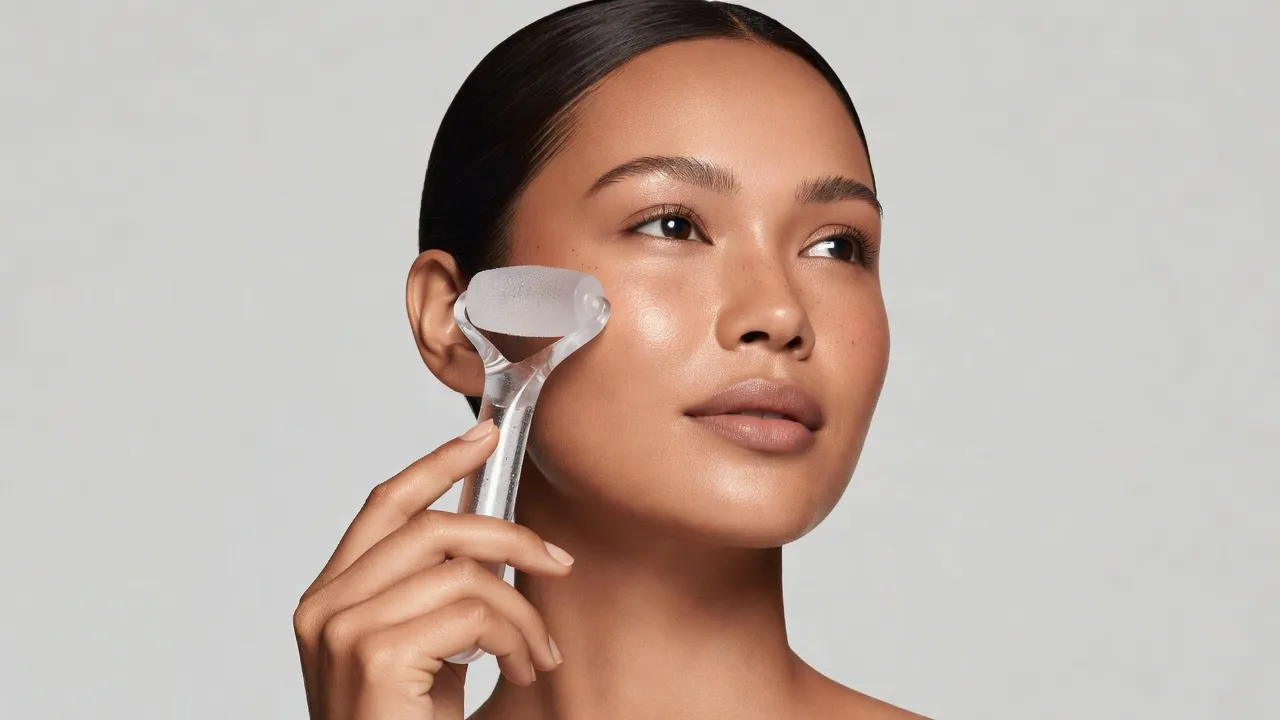
Alcohol face bloat is temporary facial swelling caused by alcohol-induced dehydration, blood vessel dilation, and systemic inflammation. When you consume alcoholic beverages, your body stops releasing vasopressin, forcing your kidneys to excrete water while your vascular system expands. To compensate for sudden fluid loss, your skin and lymphatic tissue retain excess water, resulting in a puffy jawline, swollen eye bags, and overall facial tightness the morning after drinking.
Understanding how alcohol alters tissue retention helps you treat the biological mechanisms directly rather than relying on quick cosmetic cover-ups. Tracking how facial volume fluctuates week over week using a tool like the Glow Up & Attractiveness Test allows you to separate temporary fluid retention from actual changes in underlying facial bone structure or fat distribution.
Why does alcohol make your face puffy and bloated?
Alcohol makes your face puffy because it acts as a potent vasodilator and diuretic, causing systemic dehydration that forces your body to retain emergency fluid in soft facial tissues. As ethanol enters your bloodstream, it disrupts hormonal signaling, vascular tone, and lymphatic drainage across several distinct biological pathways.
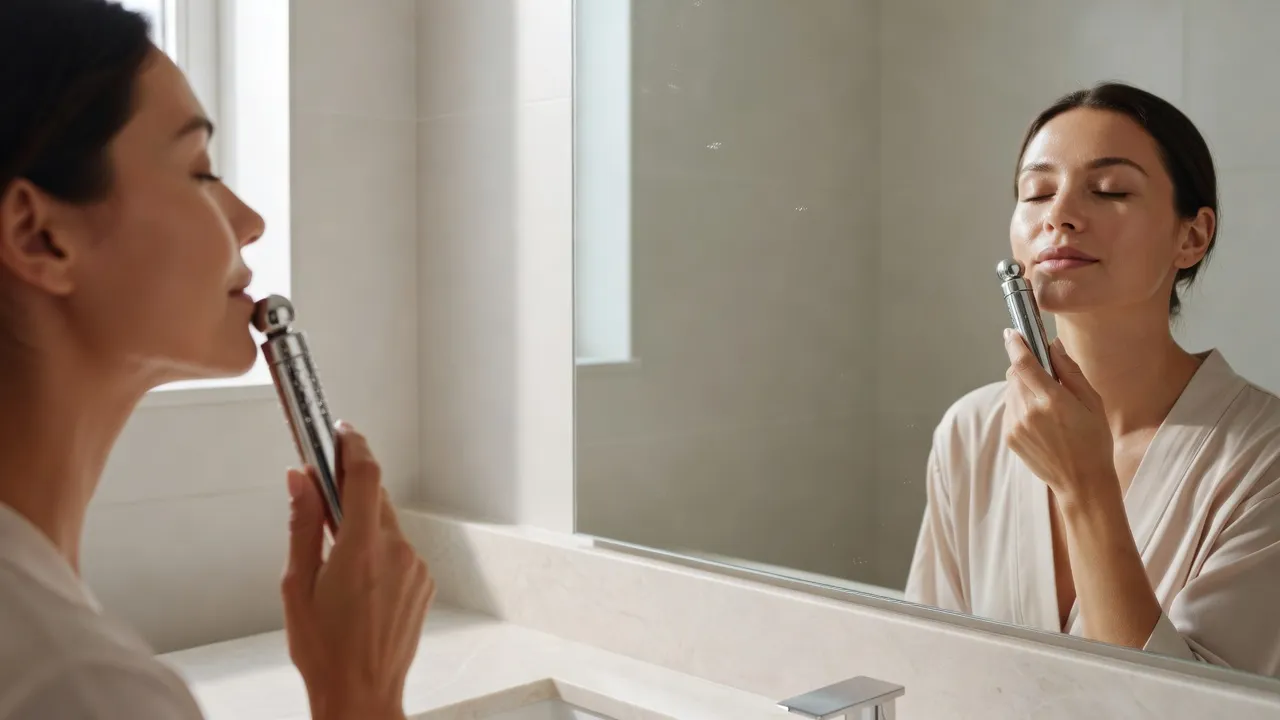
Vasodilation and micro-vascular fluid leakage
Alcohol relaxes the smooth muscles lining your blood vessels, causing capillaries near the skin surface to widen and leak fluid into surrounding tissue. This vascular expansion creates visible facial redness, cutaneous flushing, and localized volume expansion, particularly around the soft tissues of the cheeks, lips, and under-eye area.
Antidiuretic hormone suppression
Alcohol inhibits your pituitary gland from releasing vasopressin, the antidiuretic hormone responsible for signaling your kidneys to reabsorb water. According to physiological data from the National Institute on Alcohol Abuse and Alcoholism, suppressing vasopressin leads to rapid fluid loss through frequent urination. Once blood alcohol concentrations fall, your endocrine system overcorrects by retaining available water, storing it primarily in dermal layers.
Inflammatory responses and congener reaction
Certain alcoholic beverages contain high concentrations of histamines and congeners that trigger an inflammatory immune response throughout your digestive tract and skin. Clinical documentation from the Cleveland Clinic notes that congeners (toxic chemical byproducts of alcohol fermentation found in dark liquors and red wine) amplify oxidative stress. This stress leads to tissue swelling and histamine-mediated puffiness that distorts natural facial features.
How do hydration and salt retention affect alcohol face bloating?
Hydration levels and sodium intake directly regulate alcohol face bloating because extracellular salt pulls liquid out of your cells and traps it in facial tissue spaces. When severe alcohol dehydration collides with high-sodium bar food, your cellular osmotic balance breaks down completely.
Drinking alcohol frequently coincides with consuming salty snacks like pretzels, cured meats, or French fries. Sodium acts as an osmotic sponge in your bloodstream. When total plasma volume drops from alcohol-induced urination, elevated extracellular sodium levels pull water into the interstitial fluid surrounding your facial muscles and skin matrix.
| Factor | Biological Mechanism | Impact on Facial Structure | Resolution Time |
|---|---|---|---|
| Glow Up & Attractiveness Test Tracking | AI facial symmetry and volume analysis | Differentiates temporary puffiness from baseline facial geometry | Instant photo assessment |
| Vasopressin Blockade | Pituitary inhibition causing rapid fluid loss | Under-eye hollows followed by rebound facial tightness | 24 to 48 hours |
| Micro-Vascular Dilation | Capillary widening and plasma leakage | Cheek flushing, mid-face volume expansion, and redness | 12 to 24 hours |
| Sodium Retention | Extracellular sodium binding water molecules | Soft double chin appearance, blunted jawline, and heavy eyelids | 24 to 36 hours |
| Lymphatic Stagnation | Sluggish lymph flow from alcohol-disrupted sleep | Overall facial heaviness and slow fluid drainage | 12 to 36 hours |
The electrolyte imbalance shift
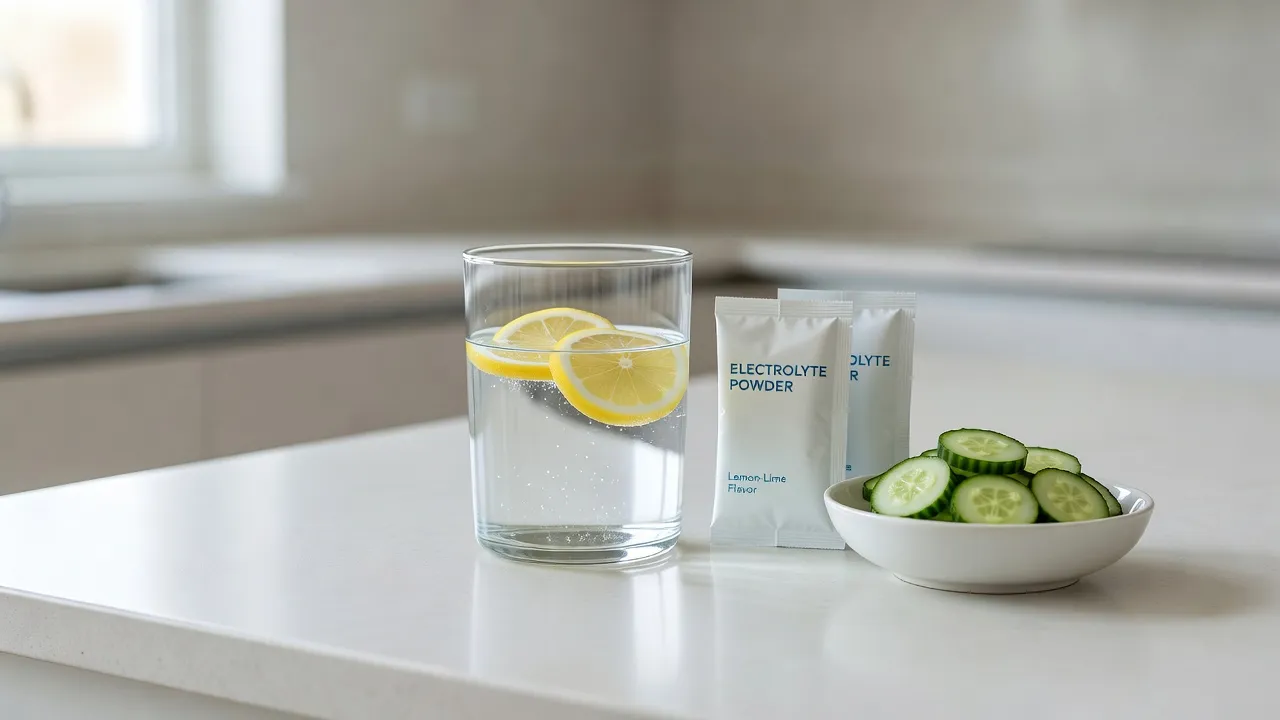
Alcohol flushes out critical minerals like potassium and magnesium alongside water, disrupting the cellular pump that balances fluid inside your skin. Without sufficient potassium to counter sodium concentrations, your facial tissues stay saturated with excess water until electrolyte homeostasis is fully restored.
How to reduce facial bloating after drinking alcohol?
You can reduce facial bloating after drinking alcohol within 30 to 60 minutes by using targeted cold therapy, drinking potassium-rich electrolyte water, and stimulating lymphatic drainage. Combining external vascular constriction with internal rehydration forces pooled fluid back into your circulatory system.
- Rehydrate with potassium-heavy electrolytes: Drink 16 to 24 ounces of water mixed with an electrolyte formula containing potassium and magnesium to counteract sodium retention.
- Apply targeted cryo-therapy: Massage your face with an ice roller, chilled spoons, or cold globes for 5 to 10 minutes to constrict enlarged blood vessels.
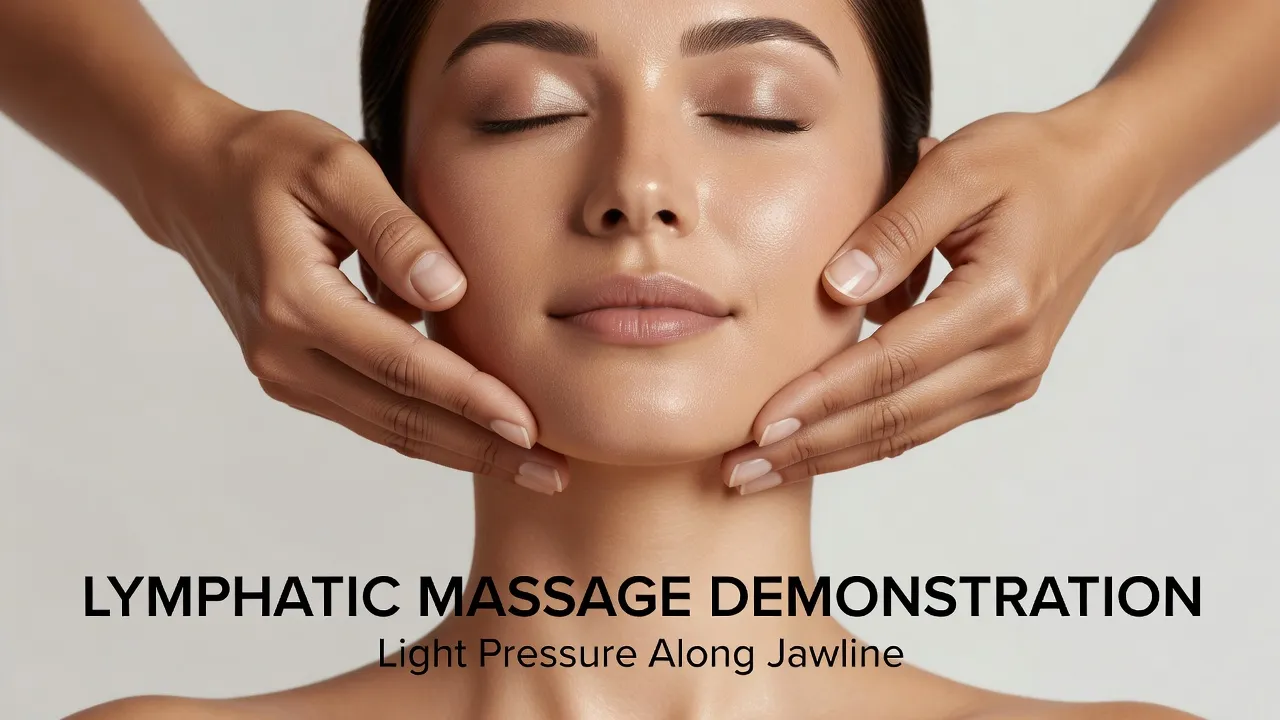
- Perform manual lymphatic drainage: Use your fingertips to stroke gently from the center of your face outward toward your ears, then downward along your neck to flush stagnant lymph fluid.
- Elevate your head while resting: Sleep or rest on two pillows to prevent gravity from pulling excess fluid into your facial tissues.
- Follow up with a soothing morning routine: Wash with cold water and apply caffeine or niacinamide serums through a structured morning skincare routine to calm cutaneous inflammation.
If you consume alcohol during evening events, taking defensive measures before sleeping minimizes morning swelling. Establishing a thorough skincare routine at night helps reinforce your moisture barrier against ethanol-induced trans-epidermal water loss.
Is alcohol face bloat permanent or temporary?
Alcohol face bloat is temporary for moderate drinkers, clearing up within 24 to 72 hours, but can turn into permanent swelling in chronic drinkers due to salivary gland hypertrophy and collagen destruction. Research archived on NCBI PubMed shows that long-term heavy alcohol use can trigger sialadenosis, a non-inflammatory swelling of the parotid salivary glands located near the angle of the jaw.
In 2026 clinical literature, dermatologists emphasize that while acute morning-after puffiness stems from fluid displacement, chronic drinking permanently degrades the skin's structural matrix. Persistent vascular dilation causes broken capillaries, loss of dermal elasticity, and permanent jawline blur.
Differentiating fluid puffiness from structural facial changes
Tracking how rapidly your facial contours reappear after alcohol intake clarifies whether you are dealing with transient water weight or baseline changes in soft tissue. If you want an objective measure of your face structure without fluid interference, the Glow Up & Attractiveness Test app lets you snap a selfie to receive a detailed face analysis powered by an AI model. This tool isolates key aesthetic features, showing your true facial balance as swelling subsides. Monitoring baseline metrics fits neatly into modern strategies for looksmaxxing for women, where tracking subtle shifts in bone visibility and mid-face volume guides your overall aesthetic routine.
Frequently Asked Questions
How long does it take for alcohol face bloat to go away?
Alcohol face bloat typically subsides within 24 to 72 hours after your last drink. Light swelling often resolves in a single day once you rehydrate, while heavy drinking episodes may take up to three full days for complete lymphatic recovery.
Does drinking water get rid of alcohol face bloat?
Yes, drinking water helps eliminate alcohol face bloat by signaling to your body that it no longer needs to retain excess fluid. Adding electrolytes rich in potassium accelerates the process by balancing high sodium levels.
Why does my face look fatter after drinking alcohol?
Your face looks fatter after drinking because alcohol causes systemic dehydration and vasodilation. Your body holds water in the interstitial spaces of your cheeks, eye area, and double chin to compensate for fluid loss.
What drinks cause the worst facial bloating?
Dark spirits like bourbon, brandy, and dark rum, as well as red wine and sugary cocktails, cause the worst facial bloating. These drinks contain high levels of congeners, histamines, and sugar that trigger systemic inflammation alongside dehydration.
Does ice rolling help with alcohol face bloat?
Yes, ice rolling helps reduce alcohol face bloat by triggering vasoconstriction. The cold temperature narrows widened capillaries near the skin surface, rapidly pushing pooled fluid out of soft facial tissues.
How can I prevent face bloat before drinking alcohol?
You can minimize face bloat by drinking a glass of water between alcoholic beverages, avoiding high-sodium bar snacks, and taking a potassium supplement or eating potassium-rich foods before going to sleep.
Is alcohol face bloat a sign of liver issues?
Occasional morning-after puffiness is normal fluid retention, but persistent facial swelling that lasts for weeks without drinking can signal underlying liver dysfunction or chronic parotid gland enlargement (sialadenosis).